
In Vogue: Trendy Indoor Plants to Elevate Your Décor
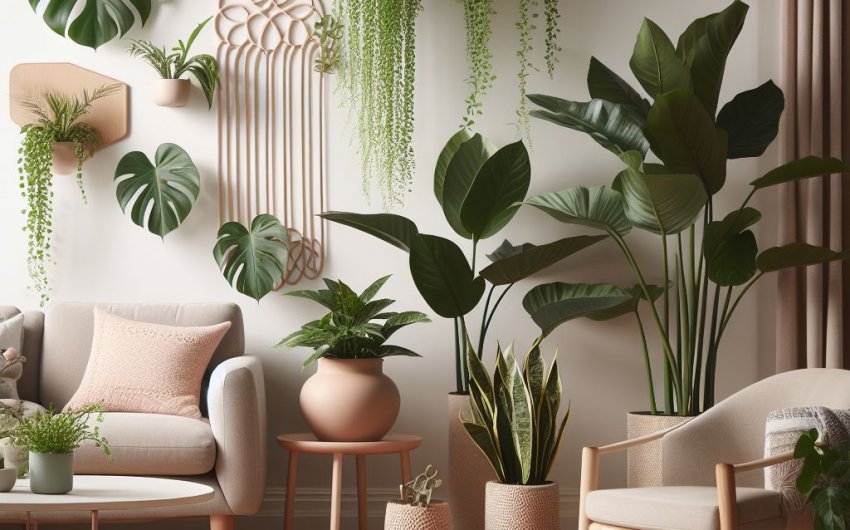
To instantly infuse style into your home, choose trendy indoor plants to elevate your décor with their striking forms, unique foliage, and vibrant colors. These in vogue green companions are more than just plants; they are living works of art that seamlessly blend with modern interior design, enhancing aesthetic appeal and bringing a touch of nature indoors. This guide showcases the most stylish options.
Why are Indoor Plants So "In Vogue" for Home Decor?
Indoor plants have become incredibly "in vogue" for home décor, transitioning from simple potted greens to essential styling elements that reflect contemporary aesthetics and lifestyle values. Their rising popularity signifies a cultural embrace of biophilic design, wellness, and personal expression. Understanding why indoor plants are so "in vogue" reveals their transformative power to elevate your décor and enrich your living space.
What are the Latest Trends in Indoor Plant Decor?
The latest trends in indoor plant décor are constantly evolving, reflecting shifts in interior design, a greater appreciation for natural elements, and a desire for both beauty and well-being. From striking foliage to innovative displays, these trends shape how we incorporate living greenery into our homes. Understanding them helps you select trendy indoor plants to elevate your décor and keep your space in vogue.
Here are the latest trends in indoor plant décor:
- Statement Plants as Living Art:
- Trend: Large, architectural plants that serve as focal points in a room, much like a sculpture or a piece of furniture.
- Examples: Tall Fiddle Leaf Figs, huge Monstera deliciosa with dramatic fenestrations, mature Bird of Paradise plants, sculptural Sansevieria (Snake Plant) groupings.
- Why it's in vogue: Creates immediate impact, brings a sophisticated, organic element to minimalist or modern spaces.
- Textural and Variegated Foliage:
- Trend: A shift from just green to plants with diverse leaf shapes, patterns, and colors. Variegation (patterns of white, cream, pink, or yellow on leaves) is particularly popular.
- Examples: Pink Princess Philodendron, Alocasia 'Polly' (African Mask Plant), Calatheas with intricate patterns, highly variegated Pothos and Monsteras.
- Why it's in vogue: Adds visual interest, depth, and a touch of the exotic without needing flowers.
- Vertical and Hanging Gardens:
- Trend: Utilizing vertical space to maximize greenery in smaller areas or to create living wall features.
- Examples: Trailing Pothos, Philodendrons, Spider Plants in macrame hangers, mounted Staghorn Ferns, living wall panels.
- Why it's in vogue: Space-saving, creates a lush, jungle-like effect, and adds a dynamic element. A macrame plant hanger is a timeless accessory.
- Biophilic Design Integration:
- Trend: Incorporating natural elements (plants, natural light, wood, stone) to create calming, nature-inspired spaces that promote well-being.
- Why it's in vogue: Driven by a desire for wellness, mindfulness, and a connection to nature in increasingly urbanized lives.
- Sustainable and Ethical Sourcing:
- Trend: A growing focus on where plants come from, ensuring they are grown sustainably and ethically, and choosing local nurseries.
- Why it's in vogue: Reflects a broader consumer shift towards environmental responsibility.
- Minimalist Planters and Pots:
- Trend: Understated, often neutral-colored planters (terracotta, ceramic, concrete, rattan) that allow the plant itself to be the star.
- Why it's in vogue: Complements modern interior aesthetics and highlights the plant's natural beauty. Look for modern ceramic plant pots.
- Plant Styling and Groupings:
- Trend: Arranging multiple plants of varying heights, textures, and foliage in cohesive groupings to create a miniature indoor ecosystem or a "plant corner."
- Why it's in vogue: Creates a lush, curated look and often benefits the plants (increased local humidity).
- Low-Maintenance But High-Impact:
- Trend: People want beautiful plants that don't demand constant attention.
- Why it's in vogue: Fits busy lifestyles, reduces barriers to plant ownership.
What are the Proven Benefits of Decorating with Live Plants?
Decorating with live plants offers a wealth of proven benefits that extend far beyond aesthetics, profoundly impacting your well-being, productivity, and overall home environment. These advantages highlight why indoor plants are consistently "in vogue" for home décor, providing a natural way to elevate your décor while enriching your daily life.
Here are the proven benefits of decorating with live plants:
- Improved Air Quality (Natural Air Purifiers):
- Benefit: Many houseplants absorb common indoor air pollutants (Volatile Organic Compounds like formaldehyde, benzene, trichloroethylene) through their leaves and transfer them to soil microbes, which break them down.
- Impact: Helps to naturally filter the air, potentially reducing respiratory irritants and making it easier to breathe easy.
- Reduced Stress and Improved Mood:
- Benefit: Studies consistently show that interacting with indoor plants or simply being in their presence can lower stress levels, reduce anxiety, and promote feelings of calmness and well-being.
- Impact: Creates a more serene and positive living environment.
- Increased Productivity and Focus:
- Benefit: Research suggests that plants in indoor environments, especially workspaces, can enhance concentration, creativity, and problem-solving skills.
- Impact: A greener environment can reduce mental fatigue and provide a more stimulating and engaging workspace.
- Enhanced Aesthetic Appeal and Ambiance:
- Benefit: Plants add instant beauty, color, texture, and life to any room. They soften hard architectural lines and bring a sense of tranquility and natural warmth.
- Impact: Elevates interior design, creates a more inviting and visually appealing space, and contributes to a feeling of freshness.
- Humidity Regulation:
- Benefit: Plants release moisture into the air through transpiration, naturally increasing humidity.
- Impact: Can be beneficial in dry indoor environments, reducing dry skin, scratchy throats, and making the air feel more comfortable. This can also help protect wooden furniture.
- Reduced Noise Levels (Slightly):
- Benefit: Large, leafy plants can help absorb and deflect sound waves, slightly reducing ambient noise in a room.
- Impact: Contributes to a calmer, quieter indoor environment.
- Therapeutic and Rewarding Hobby:
- Benefit: The act of caring for plants, observing their growth, and seeing them thrive can be incredibly rewarding, therapeutic, and a source of joy.
- Impact: Provides a healthy, engaging hobby that connects you to nature.
- Connection to Nature (Biophilia):
- Benefit: Satisfies our innate human tendency to connect with nature and other living systems (biophilia).
- Impact: Fosters a deeper sense of well-being and belonging in our living spaces.
What Are the Hottest "In Vogue" Indoor Plants Right Now?
To truly keep your home design fresh, identifying the hottest "in vogue" indoor plants right now is essential. These trendy green companions are sought after for their unique aesthetics, striking foliage, and ability to perfectly complement contemporary décor. Understanding their appeal guides your selection of trendy indoor plants to elevate your décor.
Which Plants Offer Striking Foliage and Unique Patterns?
For a home that truly stands out, choosing plants that offer striking foliage and unique patterns is a top trend in indoor plants to elevate your décor. These botanical beauties are celebrated for their vibrant colors, intricate markings, and unusual leaf shapes, becoming living works of art. Understanding these sought-after traits helps you select the most in vogue plants for an impactful design.
Here are plants that offer striking foliage and unique patterns:
- Monstera Deliciosa (Swiss Cheese Plant):
- Why it's in vogue: Famous for its large, glossy, heart-shaped leaves that develop characteristic natural holes and splits (fenestrations) as they mature. It's a statement plant.
- Care: Bright, indirect light. Allow top few inches of soil to dry before watering. Provide a moss pole for climbing.
- Toxicity: Mildly toxic to pets.
- Vibe: Iconic, tropical, architectural, brings a jungle feel. A large Monstera deliciosa is a showstopper.
- Fiddle Leaf Fig (Ficus lyrata):
- Why it's in vogue: Features huge, violin-shaped, dark green leaves that add dramatic vertical interest. It's a classic statement tree for modern interiors.
- Care: Bright, indirect light (can tolerate some direct morning sun). Allow top inch or two of soil to dry between waterings. Can be sensitive to changes.
- Toxicity: Mildly toxic to pets.
- Vibe: Elegant, sculptural, adds a touch of grand living.
- Pink Princess Philodendron (Philodendron erubescens 'Pink Princess'):
- Why it's in vogue: Highly coveted for its dark green leaves splashed with vibrant, bubblegum pink variegation. Each leaf is a unique work of art.
- Care: Bright, indirect light (essential for good variegation). Keep soil consistently moist but not soggy.
- Toxicity: Toxic to pets.
- Vibe: Luxurious, exotic, Instagram-famous. A pink princess philodendron live plant commands attention.
- Alocasia (e.g., 'Polly' / African Mask Plant, 'Pink Dragon'):
- Why it's in vogue: Known for their incredibly dramatic, often dark green leaves with striking silver or light green veins, and often serrated or textured edges. Some have unique colored stems.
- Care: Bright, indirect light. High humidity. Keep soil consistently moist but not soggy.
- Toxicity: Toxic to pets.
- Vibe: Exotic, sculptural, jewel-toned, adds a touch of the rainforest.
- Calathea (e.g., Orbifolia, Rattlesnake Plant, Prayer Plant):
- Why it's in vogue: Features stunningly intricate leaf patterns, often with contrasting colors on the undersides (e.g., purple). Many varieties also exhibit nyctinasty (leaves fold up at night, like praying hands).
- Care: Medium to bright, indirect light. High humidity. Keep soil consistently moist.
- Toxicity: Non-toxic to pets.
- Vibe: Sophisticated, living art, adds movement and texture. A Calathea orbifolia plant is a fan favorite.
- ZZ Plant (Zamioculcas zamiifolia) 'Raven':
- Why it's in vogue: A striking black-leafed version of the classic ZZ plant. New growth emerges green and darkens to an almost black hue.
- Care: Low to bright, indirect light. Allow soil to dry completely between waterings. Very easy care.
- Toxicity: Mildly toxic to pets.
- Vibe: Dramatic, sleek, gothic elegance.
Which Plants Bring Architectural Form and Modern Vibes?
To achieve a minimalist yet impactful aesthetic, choosing plants that bring architectural form and modern vibes is key among trendy indoor plants to elevate your décor. These specimens boast strong lines, sculptural shapes, and understated elegance, perfectly complementing contemporary interior design. Understanding their unique characteristics helps you select the most in vogue plants for a refined, modern space.
Here are plants that bring architectural form and modern vibes:
- Snake Plant (Sansevieria trifasciata, Mother-in-Law's Tongue):
- Why it's in vogue: Its stiff, upright, sword-like leaves create strong vertical lines. Available in various heights and variegations (green with yellow edges, dark green, cylindrical forms). Its clean lines are perfect for modern design.
- Care: Incredibly easy; tolerates low to bright, indirect light. Allow soil to dry completely between waterings.
- Toxicity: Mildly toxic to pets.
- Vibe: Modern, minimalist, sculptural, indestructible. A tall snake plant is a popular floor plant.
- ZZ Plant (Zamioculcas zamiifolia):
- Why it's in vogue: Its thick, waxy, upright stems with orderly pairs of glossy leaves create a structured, yet organic, form. It's sleek and understated.
- Care: Very easy; tolerates low to bright, indirect light. Allow soil to dry completely between waterings.
- Toxicity: Mildly toxic to pets.
- Vibe: Modern, elegant, low-maintenance, perfect for office or minimalist spaces.
- Fiddle Leaf Fig (Ficus lyrata):
- Why it's in vogue: (As mentioned previously). The large, distinctive violin-shaped leaves on a prominent trunk create a strong, sculptural silhouette that commands attention.
- Care: Bright, indirect light. Consistent watering. Can be finicky.
- Toxicity: Mildly toxic to pets.
- Vibe: High-impact, dramatic, a true design statement.
- Bird of Paradise (Strelitzia reginae or Strelitzia nicolai):
- Why it's in vogue: Its large, banana-like leaves on long, sturdy stems create a bold, architectural, and tropical presence. The 'Nicolai' species can grow into a tree-like form.
- Care: Bright, direct to indirect light. Keep soil consistently moist but not soggy.
- Toxicity: Mildly toxic to pets.
- Vibe: Exotic, dramatic, brings a touch of resort luxury to a space. A Bird of Paradise live plant makes a great floor plant.
- Dracaena (e.g., 'Massangeana' / Corn Plant, 'Marginata' / Dragon Tree):
- Why it's in vogue: Their tall, often multi-stemmed trunks with tufts of foliage at the top create an architectural, tree-like form. 'Marginata' has slender, often red-edged leaves that give it a spiky, modern look.
- Care: Medium to bright, indirect light. Allow soil to dry between waterings.
- Toxicity: Mildly toxic to pets.
- Vibe: Sleek, modern, adds vertical interest. A Dracaena corn plant is a popular choice.
- Cactus (Large, Columnar Varieties like Euphorbia Trigona, San Pedro Cactus):
- Why it's in vogue: Their stark, geometric forms, often with spines, provide a minimalist, desert-modern aesthetic.
- Care: Bright, direct light. Allow soil to dry completely between waterings. Very low maintenance.
- Toxicity: Varies by species (Euphorbia species have irritating sap).
- Vibe: Sculptural, minimalist, adds a unique edge. A tall columnar cactus is a striking statement.
Which Plants Are Perfect for Trailing and Hanging Displays?
For adding dynamic movement and lushness to shelves or elevated spaces, identifying plants perfect for trailing and hanging displays is key among trendy indoor plants to elevate your décor. These cascading beauties soften edges and bring a touch of natural elegance, transforming any vertical area into a vibrant focal point. Understanding their growth habits ensures an in vogue and captivating arrangement.
Here are plants perfect for trailing and hanging displays:
- Pothos (Epipremnum aureum, Devil's Ivy):
- Why it's in vogue: The ultimate trailing plant. Its long, vining stems with heart-shaped leaves (often variegated with yellow or white) cascade beautifully. Incredibly versatile and resilient.
- Care: Low to bright, indirect light. Allow soil to dry partially between waterings.
- Toxicity: Mildly toxic to pets.
- Vibe: Lush, abundant, brings a jungle feel to shelves, macrame hangers, or plant stands. A golden pothos hanging plant is a classic.
- Philodendron Hederaceum (Heartleaf Philodendron):
- Why it's in vogue: Similar to Pothos with heart-shaped leaves, but often a darker, richer green. A timeless and elegant trailing plant.
- Care: Low to bright, indirect light. Allow soil to dry partially between waterings.
- Toxicity: Toxic to pets.
- Vibe: Graceful, classic, adds a touch of understated sophistication.
- Spider Plant (Chlorophytum comosum):
- Why it's in vogue: Its arching, striped leaves and prolific "spiderette" babies that dangle from the mother plant create a charming, cascading effect.
- Care: Bright, indirect light (tolerates lower light). Allow soil to dry slightly between waterings. Very easy care.
- Toxicity: Non-toxic to pets.
- Vibe: Cheerful, retro, great for macrame hangers or as a gift (easy to propagate from babies). A spider plant with plantlets is instantly appealing.
- Hoya (Wax Plant, e.g., Hoya Carnosa 'Krimson Queen'):
- Why it's in vogue: Features waxy, often variegated leaves and produces clusters of fragrant, star-shaped flowers (if happy!). Its thick stems trail beautifully.
- Care: Bright, indirect to direct light (for flowering). Allow soil to dry completely between waterings.
- Toxicity: Non-toxic to pets.
- Vibe: Elegant, unique, adds texture and scent.
- String of Pearls (Senecio rowleyanus):
- Why it's in vogue: A unique succulent with long, delicate strands of bead-like leaves that cascade dramatically. Offers a very distinct aesthetic.
- Care: Bright, indirect to direct light. Allow soil to dry completely between waterings. Very sensitive to overwatering.
- Toxicity: Mildly toxic to pets.
- Vibe: Whimsical, modern, delicate, a truly unique textural element. A string of pearls live plant is a captivating choice.
- Tradescantia (e.g., 'Nanouk', 'Zebrina' / Inch Plant):
- Why it's in vogue: Known for its vibrant, often purple, pink, and green striped foliage that trails quickly.
- Care: Bright, indirect light (essential for maintaining color). Keep soil consistently moist but not soggy.
- Toxicity: Mildly toxic to pets.
- Vibe: Bold, colorful, fast-growing, adds a pop of vibrant color.
How Do You Style Trendy Indoor Plants for Maximum Impact?
To truly elevate your décor with trendy indoor plants, understanding how to style them for maximum impact is crucial. It’s about more than just placing a pot; it’s about strategic grouping, clever container choices, and creating visually appealing displays. These styling techniques transform your in vogue plants into cohesive, living design elements.
What are the Best Ways to Group Plants for Visual Appeal?
To bring effortless elegance to your space, knowing the best ways to group plants for visual appeal is a key styling technique for trendy indoor plants. Thoughtful arrangements create dynamic displays, adding depth, texture, and visual interest that single plants often can't achieve. Understanding these principles helps you elevate your décor with captivating green vignettes.
Here are the best ways to group plants for visual appeal:
- Vary Heights and Sizes:
- Strategy: Combine plants of different heights (tall, medium, short) and sizes (large foliage, small foliage).
- Impact: Creates visual hierarchy and dynamism, mimicking a natural landscape. Use plant stands or stacked books to add verticality to shorter plants.
- Mix Textures and Forms:
- Strategy: Pair plants with contrasting leaf textures (e.g., smooth Monstera with a fuzzy Calathea) and forms (e.g., upright Snake Plant with a cascading Pothos).
- Impact: Adds richness and interest, preventing the grouping from looking monotonous.
- Create "Odd Number" Groupings:
- Strategy: Group plants in odd numbers (3, 5, 7).
- Impact: Visually more appealing and natural than even groupings.
- Consider Color Harmony or Contrast:
- Strategy:
- Harmony: Group plants with similar green tones or subtle variegation.
- Contrast: Pair a dark green plant with a brightly variegated one, or a plant with pink accents.
- Impact: Creates a cohesive and intentional look.
- Strategy:
- Cluster Plants with Similar Needs:
- Strategy: While designing for aesthetics, try to group plants that share similar requirements for light, water, and humidity.
- Impact: Simplifies care and helps plants thrive. Grouping plants also naturally increases local humidity around them.
- Use Repetition:
- Strategy: Repeat certain plant types or container styles within a grouping or across a room.
- Impact: Creates a sense of rhythm and cohesion in your design.
- Create a Focal Point:
- Strategy: Designate one standout plant (e.g., a large Fiddle Leaf Fig or a particularly striking Monstera) as the central element of the grouping. Arrange smaller plants around it.
- Impact: Draws the eye and gives the arrangement structure.
- Integrate Objects and Decor:
- Strategy: Add small decorative elements like books, candles, unique objects, or natural elements (stones, driftwood) within your plant groupings.
- Impact: Blends the plants seamlessly into your home décor and adds personal touches.
How Can You Choose Planters and Stands to Complement Your Decor?
To truly elevate your décor with trendy indoor plants, the art of choosing planters and stands to complement your decor is paramount. These vessels are more than just homes for plants; they are integral design elements that amplify your space's aesthetic. Making thoughtful selections ensures your in vogue plants are showcased with effortless elegance.
Here's how to choose planters and stands to complement your decor:
Choosing Planters:
- Consider Your Interior Design Style:
- Minimalist/Modern: Opt for clean lines, simple forms, and neutral colors (white, black, gray, terracotta). Materials like concrete, smooth ceramic, or metal.
- Bohemian/Eclectic: Embrace natural textures, woven baskets, macrame hangers, terracotta, and patterned ceramic pots.
- Mid-Century Modern: Look for planters with clean lines, sometimes on hairpin legs or in geometric shapes. Walnut or teak stands pair well.
- Industrial: Metal planters, concrete, or raw terracotta.
- Farmhouse/Rustic: Galvanized metal, distressed wood, terracotta.
- Prioritize Drainage:
- Crucial: Always choose planters with a drainage hole to prevent overwatering and root rot. If a decorative pot doesn't have a hole, use it as a cachepot (insert a plant in a nursery pot with drainage, then place it inside).
- Tools: A self-drilling diamond drill bit can add drainage to ceramic pots.
- Material Matters:
- Ceramic/Terra Cotta: Classic, breathable (terra cotta), available in countless colors and finishes. Modern ceramic plant pots come in many styles.
- Concrete: Industrial, minimalist, heavy, and durable.
- Woven Baskets: Adds texture, warmth, and a bohemian feel. Use with a plastic liner inside.
- Metal: Sleek, modern, or industrial. Can rust over time if not treated.
- Plastic: Lightweight, affordable, good for hidden inner pots.
- Size Proportion:
- Rule of Thumb: A plant should ideally be in a pot that is proportional to its root ball, typically 1-2 inches wider than the root ball for smaller plants, or 2-4 inches wider for larger plants.
- Visual Balance: Ensure the pot size also looks balanced with the overall plant size and the space it occupies.
- Color Palette:
- Harmonize: Choose colors that complement your room's existing palette.
- Contrast: Use a contrasting color planter to make a plant pop.
- Neutral Base: Often, neutral-colored pots allow the plant's foliage to be the star.
Choosing Plant Stands:
- Elevate and Create Levels:
- Why: Plant stands add vertical interest, especially for smaller plants, preventing them from being lost on a tabletop or floor. They help create dynamic groupings.
- Impact: Lifts plants to catch more light and makes them more visible.
- Match Style and Material:
- Action: Select stands made from materials that complement your planters and furniture (e.g., mid-century modern plant stands often feature wood or metal).
- Impact: Creates a cohesive and polished look.
- Consider Height and Width:
- Action: Choose stands that are appropriate for the size of your plant and pot, and the space they will occupy. Don't let a tiny plant get lost on a huge stand, or a big plant overwhelm a small stand.
- Functionality:
- Action: Some stands have wheels for easy movement, others are designed for specific pot shapes.
- Impact: Adds convenience and flexibility.
By thoughtfully selecting trendy indoor plants to elevate your décor, choosing plants with striking foliage and architectural forms, and styling them with complementary planters and stands, you infuse your home with effortless elegance. This holistic approach transforms your living spaces into vibrant, modern sanctuaries that are both aesthetically pleasing and conducive to well-being, keeping your home truly in vogue.