
Small Space, Big Impact: Indoor Plants for Tight Spaces
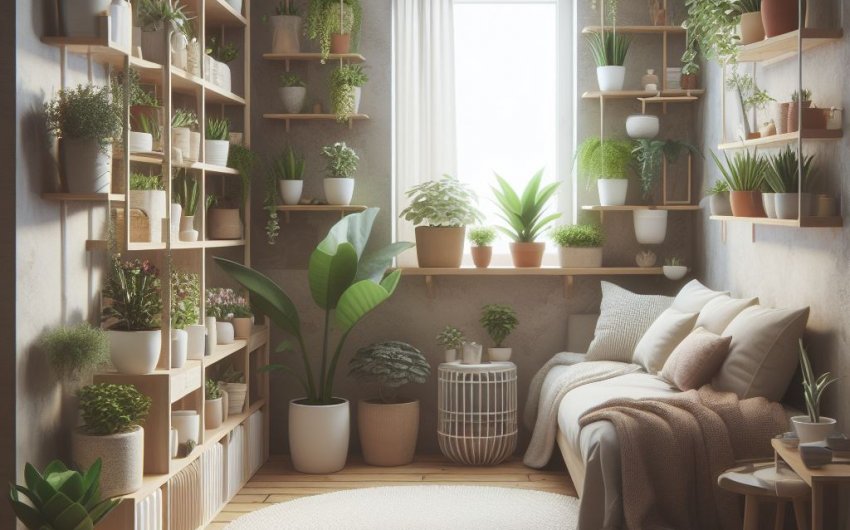
For transforming any room, choose indoor plants for tight spaces that offer small space, big impact with their compact growth, vertical habits, or trailing elegance. Even the tiniest apartment or office can become a vibrant green sanctuary with the right plant choices and clever display methods. This guide showcases ideal plants and creative ways to incorporate them.
Why Are Indoor Plants for Tight Spaces So Popular?
Indoor plants for tight spaces have exploded in popularity as more people embrace urban living and seek to maximize every inch of their homes with natural elements. These compact green companions offer a powerful way to bring life, beauty, and wellness benefits into even the most confined areas. Understanding why indoor plants for tight spaces are so popular reveals their ability to create small space, big impact in any setting.
What are the Challenges of Gardening in Limited Indoor Spaces?
Gardening in limited indoor spaces presents a unique set of challenges that require careful plant selection and creative display methods. From restricted light to spatial constraints, these hurdles often deter aspiring plant parents. Understanding these common difficulties is key to successfully choosing indoor plants for tight spaces that truly offer a small space, big impact.
Here are the challenges of gardening in limited indoor spaces:
- Limited Natural Light:
- Challenge: Many tight indoor spaces (apartments, offices, hallways) lack abundant natural light. Windows might be small, blocked by other buildings, or face directions that receive minimal direct sun.
- Impact: Most plants need light for photosynthesis. Insufficient light leads to leggy growth, yellowing leaves, stunted development, and ultimately plant death.
- Restricted Horizontal Space:
- Challenge: Countertops, windowsills, and floor space are often at a premium. Large, sprawling plants quickly overwhelm small areas.
- Impact: Limits the size and number of plants you can keep, making it hard to create a lush, green feel.
- Lack of Vertical Space (for some setups):
- Challenge: While walls and ceilings offer vertical opportunities, some renters or smaller spaces may have limitations on drilling or hanging heavy items.
- Impact: Can restrict creative display options like hanging baskets or wall shelves.
- Inconsistent Temperature and Humidity:
- Challenge: Small rooms can experience more dramatic temperature swings (near windows, vents). Humidity can be very low, especially with heating or air conditioning.
- Impact: Many tropical plants suffer in dry air or fluctuating temperatures, leading to crispy leaves, pest issues (spider mites), and stress.
- Air Circulation:
- Challenge: Stuffy, stagnant air can be common in small, poorly ventilated rooms.
- Impact: Can encourage fungal diseases and provide an ideal environment for some pests.
- Pest Management in Close Quarters:
- Challenge: If one plant gets pests, they can quickly spread to others in a small, dense collection.
- Impact: Requires vigilant monitoring and immediate, often non-toxic, intervention.
- Watering Logistics:
- Challenge: Watering many plants in a small space can be messy. Transporting plants to a sink can be difficult.
- Impact: Leads to spilled water, potential damage to furniture, or plants going unwatered due to inconvenience.
- Aesthetic Clutter:
- Challenge: Too many plants, or plants that are too large, can make a small space feel cramped and cluttered rather than serene.
- Impact: Diminishes the desired aesthetic impact.
- Limited Access to Outdoor Space:
- Challenge: Urban dwellers often lack balconies or yards for "plant vacations" outdoors.
- Impact: Plants needing seasonal outdoor light or fresh air may struggle long-term.
How Can Plants Transform a Small Space into a Vibrant Sanctuary?
Even with challenges, plants can transform a small space into a vibrant sanctuary, injecting life, beauty, and a sense of calm into the most confined areas. Their ability to soften hard lines, improve air quality, and evoke nature creates an inviting atmosphere. This transformative power highlights why choosing indoor plants for tight spaces creates a small space, big impact.
Here's how plants transform a small space into a vibrant sanctuary:
- Adds Life and Freshness:
- Impact: Instantly breaks up monotonous walls and surfaces, bringing a dynamic, living element into the room. A touch of green makes any space feel more alive.
- Softens Hard Lines and Angles:
- Impact: The organic shapes and textures of leaves and stems naturally soften the sharp edges and geometric forms common in modern furniture and architecture, making the space feel more inviting and less stark.
- Improves Air Quality (Natural Air Purifiers):
- Impact: Many houseplants actively absorb common indoor air pollutants (VOCs) through their leaves, contributing to cleaner, fresher air. This helps you breathe easy even in a small, enclosed room.
- Boosts Mood and Reduces Stress:
- Impact: Studies show that plants can reduce stress, anxiety, and improve overall mood. Their presence connects us to nature (biophilia), creating a calming and uplifting environment.
- Creates a Sense of Depth and Dimension:
- Impact: Strategic placement of plants, especially those with varying heights and trailing forms, can trick the eye, making a small space feel less flat and more dimensional.
- Enhances Aesthetic Appeal and Style:
- Impact: Plants act as living decor, adding color, texture, and a touch of sophistication that elevates interior design. They can complement various styles, from minimalist to bohemian.
- Provides a Focal Point:
- Impact: A well-chosen, striking plant can become an instant focal point, drawing the eye and giving character to an otherwise uninspired corner.
- Natural Humidity Regulation:
- Impact: Plants release moisture through transpiration, slightly increasing humidity. This can be beneficial in dry indoor environments, making the air feel more comfortable.
- Connection to Nature:
- Impact: For urban dwellers with limited outdoor access, indoor plants provide a vital connection to the natural world, fostering a sense of peace and groundedness.
What Are the Best Indoor Plants for Small Spaces?
To truly make a small space, big impact, identifying the best indoor plants for tight spaces is crucial. These remarkable green companions are specifically chosen for their compact growth, vertical habits, or graceful trailing forms, ensuring they enhance rather than overwhelm confined areas. This selection highlights ideal choices that thrive with limited room.
Which Plants Grow Upright or Are Naturally Compact?
To maximize your green impact in confined areas, choosing plants that grow upright or are naturally compact is a top strategy for indoor plants for tight spaces. These specimens maintain a neat silhouette, drawing the eye upwards or providing lushness without sprawling. Understanding these growth habits helps you select the best plants for a small space, big impact.
Here are plants that grow upright or are naturally compact:
- Snake Plant (Sansevieria trifasciata, Mother-in-Law's Tongue):
- Why it's great: Its stiff, sword-like leaves grow strictly upright, making it perfect for narrow spots where horizontal space is limited. Comes in various heights.
- Care: Very low to bright, indirect light. Allow soil to dry completely between waterings. Extremely tough.
- Toxicity: Mildly toxic to pets.
- Vibe: Modern, architectural, minimalist. Ideal for corners, next to furniture, or on slender shelves. A tall snake plant for small spaces adds vertical drama.
- ZZ Plant (Zamioculcas zamiifolia):
- Why it's great: Grows in an upright, clumping fashion with thick, glossy stems and leaves that emerge directly from rhizomes. It fills vertical space without spreading wide.
- Care: Low to bright, indirect light. Allow soil to dry completely between waterings. Very drought-tolerant.
- Toxicity: Mildly toxic to pets.
- Vibe: Sleek, modern, incredibly easy care. Perfect for a desk or narrow shelf.
- Cast Iron Plant (Aspidistra elatior):
- Why it's great: Features strong, upright, dark green leaves that grow in clumps. It stays compact and doesn't demand much space.
- Care: Very low to medium light. Tolerates neglect and infrequent watering.
- Toxicity: Non-toxic to pets.
- Vibe: Classic, elegant, resilient. Great for low-light corners.
- Chinese Evergreen (Aglaonema species):
- Why it's great: Grows in a compact, bushy form with beautiful variegated foliage. It fills out nicely without sprawling.
- Care: Low to medium light. Allow top 1-2 inches of soil to dry between waterings.
- Toxicity: Mildly toxic to pets.
- Vibe: Colorful foliage, adds a tropical touch. A compact Chinese evergreen fits well.
- Prayer Plant (Maranta leuconeura):
- Why it's great: A relatively compact plant with stunningly patterned leaves that fold up at night. While it spreads a bit, it stays manageable.
- Care: Medium to bright, indirect light. High humidity. Keep soil consistently moist but not soggy.
- Toxicity: Non-toxic to pets.
- Vibe: Intricate, colorful, dynamic. Great for a windowsill or small table.
- Aloe Vera (Aloe barbadensis miller):
- Why it's great: Its succulent leaves grow in a tight rosette form, making it compact and upright.
- Care: Bright, direct light (tolerates some indirect). Allow soil to dry completely between waterings.
- Toxicity: Mildly toxic to pets.
- Vibe: Sculptural, functional (medicinal gel).
- Bird's Nest Fern (Asplenium nidus):
- Why it's great: Grows in a distinct rosette of broad, bright green fronds, keeping a compact and contained shape.
- Care: Medium to bright, indirect light. High humidity. Keep soil consistently moist.
- Toxicity: Non-toxic to pets.
- Vibe: Lush, tropical, unique texture.
Which Trailing and Hanging Plants Add Dynamic Visuals?
To add dynamic visual interest and create a lush feel without consuming precious floor space, choosing trailing and hanging plants is an excellent strategy for indoor plants for tight spaces. These cascading beauties soften hard edges and draw the eye upwards, delivering a small space, big impact with their graceful forms. Understanding their growth habits helps you style an impactful, verdant display.
Here are trailing and hanging plants that add dynamic visuals:
- Pothos (Epipremnum aureum, Devil's Ivy):
- Why it's great: The quintessential trailing plant. Its long, vining stems with heart-shaped leaves (often variegated) cascade beautifully from shelves, hanging baskets, or ledges.
- Care: Low to bright, indirect light. Allow soil to dry partially between waterings. Very forgiving.
- Toxicity: Mildly toxic to pets.
- Vibe: Lush, abundant, versatile. A golden pothos hanging plant adds instant greenery.
- Philodendron Hederaceum (Heartleaf Philodendron):
- Why it's great: Very similar to Pothos but often with a slightly darker green leaf. A classic and elegant trailing plant that grows quickly.
- Care: Low to bright, indirect light. Allow soil to dry partially between waterings.
- Toxicity: Toxic to pets.
- Vibe: Graceful, classic, softens edges beautifully.
- Spider Plant (Chlorophytum comosum):
- Why it's great: Its arching, striped leaves and prolific "spiderette" babies that dangle from the mother plant create a charming, cascading effect.
- Care: Bright, indirect light (tolerates lower light). Allow soil to dry slightly between waterings. Very easy care.
- Toxicity: Non-toxic to pets.
- Vibe: Cheerful, retro, great for macrame hangers. A spider plant with plantlets is easy to propagate.
- String of Pearls (Senecio rowleyanus):
- Why it's great: A unique succulent with long, delicate strands of bead-like leaves that cascade dramatically. Offers a very distinct aesthetic.
- Care: Bright, indirect to direct light. Allow soil to dry completely between waterings. Very sensitive to overwatering.
- Toxicity: Mildly toxic to pets.
- Vibe: Whimsical, modern, delicate. Perfect for high shelves. A string of pearls live plant is captivating.
- Hoya (Wax Plant, e.g., Hoya Carnosa):
- Why it's great: Features thick, waxy, often variegated leaves and produces clusters of fragrant, star-shaped flowers (if happy!). Its thick stems trail elegantly.
- Care: Bright, indirect to direct light (for flowering). Allow soil to dry completely between waterings.
- Toxicity: Non-toxic to pets.
- Vibe: Elegant, unique, adds texture and a beautiful scent when blooming.
- Trailing Jade (Sedum morganianum, Burro's Tail):
- Why it's great: A succulent with long, thick stems densely packed with plump, teardrop-shaped leaves, creating heavy, rope-like cascades.
- Care: Bright, direct light. Allow soil to dry completely between waterings.
- Toxicity: Non-toxic to pets.
- Vibe: Unique, sculptural, very textural. Best in high, undisturbed spots.
- Ficus Pumila (Creeping Fig):
- Why it's great: A delicate, small-leafed fig that clings and trails. It can be trained to grow on a moss pole or cascade.
- Care: Medium to bright, indirect light. Keep soil consistently moist. Likes humidity.
- Toxicity: Mildly toxic to pets.
- Vibe: Delicate, lush, adds fine texture.
Which Mini Plants and Terrarium Fillers Are Impactful?
For truly tiny nooks and intimate displays, choosing mini plants and terrarium fillers is an excellent way to achieve a small space, big impact with indoor plants for tight spaces. These petite botanical wonders bring intricate beauty and a sense of lushness to even the most confined areas. Understanding their unique needs helps you create captivating miniature green worlds.
Here are mini plants and terrarium fillers that are impactful:
- Pothos (Mini or Cuttings):
- Why it's great: Even a single cutting of Pothos, rooted in water or a tiny pot, provides instant green. Its leaves are small when young.
- Care: Extremely forgiving, adaptable to varying light.
- Vibe: Versatile, easy to propagate, adds a vibrant trailing element even in miniature. A pothos cutting kit is perfect for starting small.
- String of Hearts (Ceropegia woodii):
- Why it's great: Delicate, heart-shaped leaves on long, slender vines make it perfect for tiny hanging pots or terrariums. Very graceful.
- Care: Bright, indirect light. Allow soil to dry completely between waterings.
- Toxicity: Non-toxic to pets.
- Vibe: Romantic, delicate, perfect for a subtle touch of green.
- Miniature Fittonia (Fittonia albivenis, Nerve Plant):
- Why it's great: Tiny, intricately veined leaves in shades of green, white, or pink. Its compact size and vibrant patterns make a big visual statement.
- Care: Medium to bright, indirect light. High humidity is crucial. Keep soil consistently moist. Perfect for closed terrariums.
- Toxicity: Non-toxic to pets.
- Vibe: Delicate, colorful, jewel-toned. A mini Fittonia plant adds intricate detail.
- Small Succulents (e.g., Haworthia, Gasteria, small Echeveria):
- Why it's great: Many succulents remain very compact, offering striking architectural forms, unique textures, and subtle colors. Ideal for tiny pots, windowsills, or terrariums.
- Care: Bright, direct to indirect light. Allow soil to dry completely between waterings.
- Toxicity: Varies by species, but many are non-toxic.
- Vibe: Sculptural, modern, low-maintenance. A Haworthia succulent is particularly forgiving.
- Moss (Various types):
- Why it's great: While not a plant in the traditional sense, sheet moss or cushion moss can create a lush, vibrant green carpet in terrariums or kokedama arrangements.
- Care: High humidity, consistent moisture.
- Vibe: Natural, tranquil, creates a miniature landscape feel. A live terrarium moss pack is ideal.
- Tillandsia (Air Plants):
- Why it's great: Require no soil, making them perfect for literally any tight spot. Their unique forms and ability to thrive on air moisture are fascinating.
- Care: Bright, indirect light. Soak in water for 20-30 minutes once a week, then allow to dry. Mist every few days.
- Toxicity: Non-toxic to pets.
- Vibe: Modern, minimalist, whimsical. Can be displayed in terrariums, on shelves, or hanging from thin wires. A set of air plants is incredibly versatile.
How Do You Display Plants Creatively in Tight Spaces?
To truly achieve a small space, big impact with indoor plants for tight spaces, knowing how to display plants creatively is paramount. It’s about leveraging every available surface, thinking vertically, and maximizing visual interest without adding clutter. These ingenious styling techniques transform confined areas into vibrant, green sanctuaries.
What are Vertical Gardening Solutions for Small Apartments?
For maximizing green impact in urban living, vertical gardening solutions for small apartments are indispensable. These innovative displays turn bare walls into living art, allowing you to grow numerous indoor plants for tight spaces without consuming valuable floor or counter space. Embracing these methods creates a small space, big impact with lush greenery, even in the most confined areas.
Here are vertical gardening solutions for small apartments:
- Wall-Mounted Planters / Vertical Planters:
- How it works: Planters designed to attach directly to walls. They come in various styles, from individual pots with hooks to multi-pocket fabric panels or modular systems.
- Benefits: Frees up floor and shelf space, creates a living art installation. Ideal for herbs, small foliage plants, or succulents.
- Examples: Individual wall-mounted ceramic planters, multi-pocket fabric planters, modular systems.
- Tips: Ensure wall can support weight. Consider drip trays for watering.
- Macrame Plant Hangers:
- How it works: Woven rope hangers suspend potted plants from ceilings or wall hooks.
- Benefits: Adds a bohemian, retro, or minimalist touch. Utilizes vertical space effectively. Great for trailing plants like Pothos, Philodendrons, or Spider Plants.
- Examples: A classic macrame plant hanger.
- Tips: Securely mount hooks. Group varying lengths for visual interest.
- Hanging Shelves:
- How it works: Shelves suspended from the ceiling or wall-mounted brackets, providing surfaces for multiple smaller plants.
- Benefits: Versatile, allows for plant groupings, adds a decorative element.
- Examples: Wooden planks on rope, minimalist floating shelves.
- Tips: Distribute weight evenly.
- Trellises and Plant Ladders:
- How it works: Freestanding or wall-mounted structures that provide support for climbing plants.
- Benefits: Adds vertical growth without taking up much horizontal space. Great for plants like mini Monstera (Rhaphidophora tetrasperma) or small climbing Philodendrons.
- Examples: Decorative indoor plant trellis or small bamboo poles.
- Bookcases or Shelving Units (with Plants):
- How it works: Integrate plants directly into your existing storage.
- Benefits: Utilizes existing vertical furniture, adds life to functional spaces.
- Tips: Choose plants that fit the light conditions of each shelf. Place trailing plants on higher shelves, upright plants on lower ones. Use waterproof trays under pots.
- Tension Rod / Window Gardens:
- How it works: Install tension rods within a window frame and hang small plants from them.
- Benefits: Maximizes light access in a small footprint.
- Tips: Use lightweight pots with secure hooks.
How Can You Use Clever Containers and Groupings for Impact?
To achieve a small space, big impact with indoor plants for tight spaces, mastering clever containers and groupings is a vital styling technique. It’s about selecting the right vessels to enhance aesthetics and arranging plants thoughtfully to create lush, dynamic vignettes without clutter. These methods elevate your green decor, transforming confined areas into captivating havens.
Here's how to use clever containers and groupings for impact:
Clever Containers for Small Spaces:
- Miniature Planters / Terracotta Pots:
- Why they're great: Perfect for tiny succulents, air plants, small propagation cuttings, or herbs. They add a delicate touch without taking up much room.
- Impact: Ideal for windowsills, bathroom ledges, or as accents in larger groupings. A mini terracotta pot set is versatile.
- Self-Watering Pots:
- Why they're great: Reduces watering frequency, perfect for busy or forgetful plant parents. Many stylish options are available.
- Impact: Ensures plants get consistent moisture, reducing stress and effort. A self-watering planter with reservoir is a great solution.
- Tiered Plant Stands:
- Why they're great: Allows you to display multiple plants at different heights in a compact footprint.
- Impact: Creates a lush, multi-level display, maximizing the number of plants you can fit in a small area.
- Geometric Planters:
- Why they're great: Modern and stylish, often made from concrete, ceramic, or metal. Their clean lines complement contemporary decor.
- Impact: Adds a sculptural element, making the plant itself a piece of art.
- Clear Glass Terrariums / Propagation Stations:
- Why they're great: Create miniature self-contained ecosystems or charming displays for rooted cuttings. They add visual interest without bulk.
- Impact: Brings a delicate, intimate touch of nature. A glass propagation station is functional and aesthetic.
- Kokedama (Moss Balls):
- Why they're great: Plants grown in a ball of soil wrapped in moss, often suspended or placed on a tray. A unique, sculptural way to display plants.
- Impact: A living art form that saves space and adds organic texture.
Creative Plant Groupings for Impact:
- Vary Heights and Textures:
- Strategy: Group 3-5 plants of different heights (using stands, books, or larger pots) and contrasting leaf textures (e.g., a tall, spiky Snake Plant next to a cascading Pothos).
- Impact: Creates a dynamic, visually rich vignette that draws the eye and feels more abundant than a single plant.
- "Plant Shelfie" Displays:
- Strategy: Curate a collection of small-to-medium plants on a floating shelf or narrow bookcase. Include trailing plants that cascade down.
- Impact: Utilizes vertical space for a lush, layered look that adds warmth and personality.
- Bathroom Oasis:
- Strategy: Group humidity-loving plants (ferns, calatheas) on a bathroom windowsill, shelf, or hanging in the corner.
- Impact: Transforms a functional space into a spa-like retreat, benefiting from the natural humidity.
- "Tabletop Jungle" with Varying Pot Sizes:
- Strategy: On a coffee table or dining table, arrange a cluster of plants in different sized pots, ensuring good drainage. Mix upright, bushy, and trailing forms.
- Impact: Creates an inviting, vibrant centerpiece. Use a waterproof tray underneath to protect surfaces.
- Utilize Unusual Spaces:
- Strategy: Think outside the box: atop refrigerators, on top of tall cabinets, on narrow window ledges, or even in corners with a tall, slender plant.
- Impact: Brings unexpected life to often-neglected areas.
By thoughtfully selecting indoor plants for tight spaces with compact, upright, or trailing habits, and then employing creative display methods and clever containers, you can achieve a remarkable small space, big impact. This guide empowers you to transform any confined area into a vibrant, lush sanctuary, proving that even the tiniest rooms can burst with natural beauty and style.