
Grow with Gusto: Fast-Growing Indoor Plants
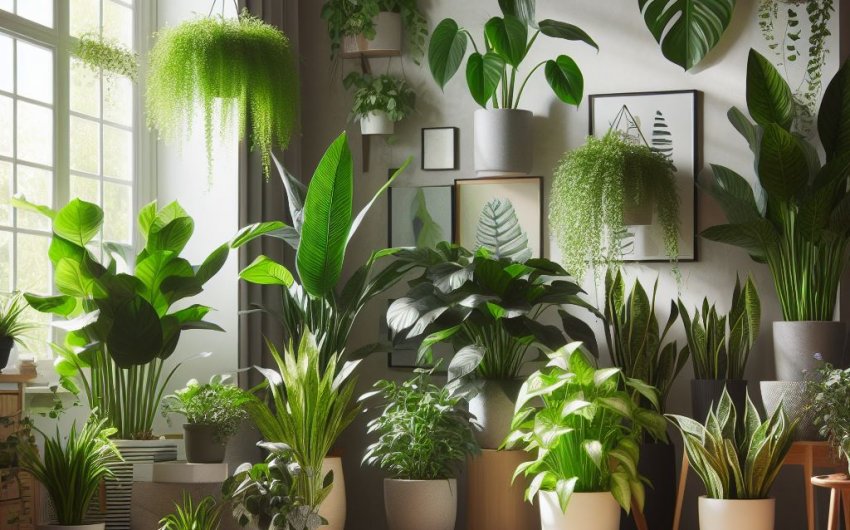
To quickly add lushness and vibrancy to your indoor space, choose fast-growing indoor plants that expand with impressive speed and vigor. These green companions allow you to grow with gusto, transforming empty corners into vibrant green havens in a matter of weeks or months. This guide highlights the best rapid growers for instant gratification and a dynamic living environment.
Why Are Fast-Growing Indoor Plants So Exciting for Gardeners?
Fast-growing indoor plants bring an undeniable excitement to gardeners, offering immediate gratification and a dynamic visual transformation of any indoor space. Their rapid development allows you to quickly achieve lushness and a vibrant atmosphere, providing continuous satisfaction. Understanding why fast-growing indoor plants are so exciting reveals their unique appeal, allowing you to truly grow with gusto.
What are the Benefits of Plants That "Grow with Gusto"?
Choosing plants that truly "grow with gusto" offers a wealth of benefits that enhance your home, your well-being, and your gardening experience. These fast-growing indoor plants provide quick rewards and a dynamic living environment, fostering a sense of accomplishment and continuous engagement. Understanding these advantages highlights why they are so popular for anyone wanting to quickly green up their space.
Here are the benefits of plants that "grow with gusto":
- Instant Gratification and Rapid Transformation:
- Benefit: Quickly fills empty spaces, transforming a sparse room into a lush, green sanctuary in a matter of weeks or months. You don't have to wait years for a plant to mature.
- How it works: Provides immediate visual impact, satisfying the desire for a vibrant, abundant indoor garden.
- Ideal for Beginners and Impatient Gardeners:
- Benefit: Seeing rapid progress is incredibly encouraging for new plant parents, boosting confidence and enthusiasm. Less chance of losing interest before seeing results.
- How it works: Provides clear feedback on successful care (or mistakes), as growth is so visible.
- Easy to Propagate and Share:
- Benefit: Fast growers often produce abundant new growth, making them very easy to propagate through cuttings. This allows you to create new plants for free or share with friends and family.
- How it works: Multiply your collection quickly and economically. A plant propagation station can make this fun.
- Dynamic and Evolving Decor:
- Benefit: Your indoor landscape is constantly changing, growing, and adapting, creating a vibrant, living display that evolves with time.
- How it works: Offers new shoots, leaves, or trailing vines, providing continuous visual interest.
- Effective Air Purification (Quicker Impact):
- Benefit: Plants with rapid growth tend to produce more leaf surface area quickly, which is crucial for absorbing indoor air pollutants.
- How it works: A faster-growing plant can contribute to air purification more rapidly than a slow-growing one.
- Resilience and Recovery:
- Benefit: Fast growers often recover quickly from minor setbacks, such as a missed watering or a bit of pest damage, due to their vigorous growth habit.
- How it works: Their rapid growth helps them outpace problems.
- Experimentation and Learning:
- Benefit: You can experiment with different placements, pruning techniques, or propagation methods more freely, as you'll see the results (good or bad) quickly.
- How it works: A great way to learn more about plant care.
- Cost-Effective Lushness:
- Benefit: You can start with smaller, less expensive plants or cuttings and quickly grow them into large, impressive specimens, saving money compared to buying mature plants.
What are the Considerations for Caring for Fast-Growing Plants?
While exciting, caring for fast-growing plants comes with specific considerations that distinguish them from their slower-growing counterparts. Their rapid development means increased demands and more frequent intervention to keep them healthy and thriving. Understanding these care nuances is crucial to successfully help them grow with gusto and ensure they remain vibrant additions to your home.
Here are the considerations for caring for fast-growing plants:
- More Frequent Watering:
- Consideration: Rapid growth means the plant is constantly taking up water and losing it through transpiration. They typically dry out much faster than slow-growing plants.
- Action: Monitor soil moisture more frequently. You might need to water every few days, especially during the active growing season. Use a soil moisture meter to accurately gauge needs.
- More Frequent Fertilization:
- Consideration: Sustaining rapid growth requires a consistent supply of nutrients. They deplete soil nutrients more quickly.
- Action: Fertilize more regularly during the growing season (e.g., every 2-4 weeks) with a balanced liquid houseplant fertilizer, often at half strength.
- More Frequent Repotting:
- Consideration: Fast-growing roots quickly fill their pots, leading to a "root-bound" state where growth slows, and plants become stressed.
- Action: Expect to repot annually or bi-annually, moving up one pot size at a time.
- Regular Pruning and Training:
- Consideration: Their vigorous growth can lead to leggy plants, loss of shape, or overgrowth if not managed.
- Action: Prune regularly to encourage bushier growth, maintain desired size/shape, or train vines onto supports like moss poles or trellises.
- Adequate Light is Essential:
- Consideration: Fast growth requires ample energy, which comes from light. While some may tolerate lower light, their growth will slow significantly.
- Action: Place them in bright, indirect light. Consider LED grow lights if natural light is insufficient.
- Potential for Pests:
- Consideration: Lush, tender new growth can sometimes be more attractive to certain pests (e.g., aphids, spider mites).
- Action: Monitor frequently and address pest issues promptly with organic solutions.
- Support Systems (for vining/tall plants):
- Consideration: Many fast growers are vining or can become quite tall.
- Action: Provide moss poles, trellises, or stakes to support their growth. A moss pole for climbing plants is perfect for many Aroids.
What Are the Best Fast-Growing Indoor Plants?
To truly grow with gusto and quickly transform your indoor space, identifying the best fast-growing indoor plants is essential. These champions of rapid development are celebrated for their vigorous growth, quickly filling rooms with lush foliage and vibrant life. This selection highlights top choices that bring instant gratification and dynamic beauty to any home.
Which Vining Plants Offer Rapid Vertical or Trailing Growth?
For quickly transforming a space with cascading greenery or climbing accents, choosing vining plants that offer rapid vertical or trailing growth is a top strategy for fast-growing indoor plants. These energetic growers quickly fill hanging baskets, shelves, or moss poles, adding dynamic visual interest. Understanding their vigorous habits helps you select the best plants to truly grow with gusto.
Here are vining plants that offer rapid vertical or trailing growth:
- Pothos (Epipremnum aureum, Devil's Ivy):
- Why it's fast: One of the quickest and most forgiving growers. Its vines can reach many feet in length in a single season under good conditions.
- Care: Low to bright, indirect light. Allow soil to dry partially between waterings. Very easy care.
- Vibe: Lush, abundant, versatile. Great for hanging baskets, high shelves, or training. A golden pothos live plant quickly creates a jungle feel.
- Heartleaf Philodendron (Philodendron hederaceum):
- Why it's fast: Similar to Pothos in its rapid, vining growth, producing numerous heart-shaped leaves along its long stems.
- Care: Low to bright, indirect light. Allow soil to dry partially between waterings.
- Toxicity: Toxic to pets.
- Vibe: Classic, elegant, creates a graceful cascade.
- Tradescantia (e.g., 'Nanouk', 'Zebrina' / Inch Plant):
- Why it's fast: Famous for its incredibly fast growth. Cuttings root almost instantly, and stems can grow several inches in a week.
- Care: Bright, indirect light (essential for vibrant color). Keep soil consistently moist but not soggy.
- Toxicity: Mildly toxic to pets.
- Vibe: Bold, colorful (often purple, pink, green striped), highly dynamic. A Tradescantia Nanouk plant offers stunning color.
- Sweet Potato Vine (Ipomoea batatas - as a houseplant):
- Why it's fast: Often grown outdoors, but a sweet potato tuber (even from the grocery store) can sprout incredibly long, vigorous vines indoors, producing lush foliage quickly.
- Care: Bright light. Keep soil consistently moist.
- Vibe: Abundant, lush, a fun project.
- Spider Plant (Chlorophytum comosum):
- Why it's fast: While not strictly vining, its arching leaves and rapid production of "spiderettes" (baby plants) create a fast-growing, cascading effect.
- Care: Bright, indirect light. Allow soil to dry slightly between waterings. Very easy care.
- Vibe: Cheerful, retro, great for hanging baskets. Spider plant babies root very quickly.
- Monstera Deliciosa (Swiss Cheese Plant):
- Why it's fast: This aroid can grow surprisingly quickly, especially with a moss pole to climb, putting out large, fenestrated leaves in rapid succession.
- Care: Bright, indirect light. Allow top few inches of soil to dry before watering. Requires a moss pole for climbing plants.
- Toxicity: Mildly toxic to pets.
- Vibe: Iconic, tropical, architectural.
Which Leafy Plants Quickly Fill a Space with Greenery?
To instantly create a lush and vibrant atmosphere, choosing leafy plants that quickly fill a space with greenery is an ideal strategy for fast-growing indoor plants. These vigorous growers develop abundant foliage with impressive speed, transforming empty corners into verdant havens. Understanding their rapid expansion helps you select the best plants to truly grow with gusto.
Here are leafy plants that quickly fill a space with greenery:
- Prayer Plant (Maranta leuconeura):
- Why it's fast: Grows vigorously in a bushy, spreading habit, producing a profusion of intricately patterned leaves that fold up at night.
- Care: Medium to bright, indirect light. High humidity. Keep soil consistently moist but not soggy.
- Toxicity: Non-toxic to pets.
- Vibe: Dynamic (leaves move), colorful foliage, adds a sophisticated, tropical touch.
- Calathea (e.g., Rattlesnake Plant, Orbifolia):
- Why it's fast: Many Calathea species grow at a good pace, quickly putting out new, stunningly patterned leaves that create a dense, lush display.
- Care: Medium to bright, indirect light. High humidity. Keep soil consistently moist.
- Toxicity: Non-toxic to pets.
- Vibe: Exotic, elegant, adds living art with intricate leaf patterns. A Calathea live plant brings a tropical feel.
- Elephant Ear (Alocasia or Colocasia species):
- Why it's fast: These plants, when given enough light and moisture, can put out enormous, dramatic leaves in rapid succession, quickly filling a large space.
- Care: Bright, indirect light. High humidity. Keep soil consistently moist and feed regularly.
- Toxicity: Toxic to pets.
- Vibe: Tropical, dramatic, creates a bold statement.
- Areca Palm (Dypsis lutescens):
- Why it's fast: A relatively fast-growing palm that quickly develops into a large, lush specimen, filling vertical and horizontal space with its feathery fronds.
- Care: Bright, indirect light. Keep soil consistently moist.
- Toxicity: Non-toxic to pets.
- Vibe: Tropical, elegant, creates a relaxed, airy atmosphere. A large Areca palm makes a great floor plant.
- Rubber Plant (Ficus elastica):
- Why it's fast: Can grow surprisingly quickly, putting out large, glossy leaves that develop into a substantial plant or small indoor tree.
- Care: Bright, indirect light. Allow soil to dry slightly between waterings.
- Toxicity: Mildly toxic to pets.
- Vibe: Bold, modern, provides a strong focal point.
- Croton (Codiaeum variegatum):
- Why it's fast: With enough bright light, Crotons grow quickly, producing a profusion of vibrantly colored and patterned leaves that make a striking visual impact.
- Care: Bright, direct light is essential for color. Keep soil consistently moist.
- Toxicity: Toxic to pets.
- Vibe: Tropical, bold, adds a dramatic splash of color.
Which Flowering Plants Produce Blooms with Impressive Speed?
For a burst of color and a quick sense of accomplishment, choosing flowering plants that produce blooms with impressive speed is an exciting strategy for fast-growing indoor plants. These rapid bloomers quickly transform your space, delivering vibrant flowers and a joyful atmosphere. Understanding their quick-to-flower nature helps you select the best plants to truly grow with gusto.
Here are flowering plants that produce blooms with impressive speed:
- Gerbera Daisy (Gerbera jamesonii):
- Why it's fast: Often purchased in bloom and can produce continuous flowers for weeks or months with proper care. Fast to re-bloom if happy.
- Care: Bright, indirect light. Keep soil consistently moist. Deadhead spent blooms.
- Toxicity: Non-toxic to pets.
- Vibe: Cheerful, vibrant, brings instant joy and color. A potted Gerbera daisy is a lively addition.
- African Violet (Saintpaulia species):
- Why it's fast: Once established and given ideal conditions, African Violets can bloom almost continuously throughout the year, producing delicate flowers quickly.
- Care: Bright, indirect light. Water from the bottom or avoid getting water on leaves. Keep soil consistently moist but not wet.
- Toxicity: Non-toxic to pets.
- Vibe: Charming, classic, adds a touch of cottage elegance. A self-watering African violet pot simplifies care.
- Peace Lily (Spathiphyllum species):
- Why it's fast: While known for its foliage, Peace Lilies can produce their elegant white spathes quickly and repeatedly throughout the year, especially with good light and consistent moisture.
- Care: Low to medium light. Keep soil consistently moist.
- Toxicity: Mildly toxic to pets.
- Vibe: Graceful, calming, also an excellent air purifier.
- Begonia (Various types, especially Rieger Begonia):
- Why it's fast: Rieger Begonias (often sold as gift plants) produce abundant, long-lasting blooms in a short period. Other fibrous begonias also bloom freely.
- Care: Bright, indirect light. Keep soil consistently moist. Avoid overwatering.
- Toxicity: Toxic to pets.
- Vibe: Lush, colorful, brings a touch of old-world charm or vibrant modern flair.
- Kalanchoe (Kalanchoe blossfeldiana):
- Why it's fast: This succulent produces clusters of bright, long-lasting flowers, often sold in bloom. It can re-bloom quickly if given proper care (short days for bud set).
- Care: Bright, indirect to direct light. Allow soil to dry between waterings.
- Toxicity: Toxic to pets.
- Vibe: Cheerful, vibrant, low-maintenance succulent. A flowering Kalanchoe plant is a common sight.
How Do You Maximize Growth and Keep Fast-Growing Plants Healthy?
To truly maximize growth and keep fast-growing plants healthy, diligent care and strategic interventions are essential. Their rapid development demands more attention to fundamental needs like water, nutrients, and space. Mastering these practices ensures your fast-growing indoor plants continue to grow with gusto, maintaining their vibrancy and lushness.
What are the Key Practices for Optimal Watering and Fertilizing?
For fast-growing plants to sustain their impressive vigor, understanding the key practices for optimal watering and fertilizing is absolutely critical. Their rapid development means higher demands for both moisture and nutrients, requiring more attentive care than slower growers. Mastering these inputs ensures your plants continue to grow with gusto, maintaining their lushness and health.
1. Optimal Watering for Fast-Growing Plants:
- More Frequent Monitoring:
- Action: Check soil moisture much more frequently than with slow growers. Fast-growing plants, especially those in smaller pots or during warm, bright periods, can dry out every few days.
- Why: Rapid growth consumes a lot of water through transpiration. They are more prone to drying out.
- Tool: A soil moisture meter is invaluable here.
- Water Deeply When Needed:
- Action: When the soil indicates it's dry (e.g., top 1-2 inches dry for many), water thoroughly until water drains from the bottom of the pot.
- Why: Encourages deep root growth and ensures the entire root ball is hydrated.
- Avoid Overwatering (Still a Risk!):
- Action: Even though they drink more, always allow the soil to dry out to the appropriate depth for that plant before watering again. Do not keep soil constantly soggy.
- Why: Overwatering is still the number one killer, leading to root rot.
- Consider Humidity:
- Action: Many fast growers are tropical. If your home is very dry, consider placing them near a humidifier or grouping them to create a microclimate.
- Why: High humidity reduces water loss from leaves, making plants more efficient.
2. Optimal Fertilizing for Fast-Growing Plants:
- More Frequent Fertilization During Growing Season:
- Action: During their active growing season (typically spring and summer), fertilize more frequently than you would a slow grower. This could mean every 2-4 weeks.
- Why: Rapid growth depletes soil nutrients quickly. They need a consistent supply to fuel new leaf and stem production.
- Use a Balanced Liquid Fertilizer:
- Action: Opt for a balanced liquid houseplant fertilizer. Many gardeners use it at half strength to avoid over-fertilizing.
- Why: Liquid fertilizers are quickly available to the plant for immediate uptake. A balanced N-P-K (e.g., 5-5-5 or 10-10-10) supports overall growth.
- Reduce/Stop Fertilizing in Dormancy:
- Action: Stop fertilizing entirely in fall and winter when most plants naturally slow their growth due to lower light levels.
- Why: Plants cannot utilize fertilizer when dormant, leading to salt buildup in the soil, which can burn roots.
- Repotting Adds Fresh Nutrients:
- Action: When you repot, use fresh potting mix.
- Why: Fresh potting mix contains new nutrients, which can often reduce the need for immediate additional fertilizer.
- Avoid Over-Fertilizing:
- Action: Always follow label directions and err on the side of caution.
- Why: Too much fertilizer can cause chemical burn (browning leaf tips/edges) and damage roots.
How Do Pruning, Repotting, and Pest Prevention Support Rapid Growth?
For fast-growing plants to maintain their impressive vigor, diligent pruning, timely repotting, and proactive pest prevention are absolutely crucial. Their rapid development demands these interventions to support healthy growth, prevent overcrowding, and address potential issues before they escalate. Mastering these practices ensures your plants continue to grow with gusto, remaining lush and resilient.
1. Pruning and Training:
- Regular Pruning for Shape and Bushiness:
- Action: Regularly pinch back or prune the growing tips of your fast-growing plants. Use clean, sharp pruning snips for houseplants.
- Why: This encourages the plant to branch out, creating a bushier, denser plant instead of a long, leggy one. It also helps maintain a desirable size and shape.
- Training Vining Plants:
- Action: For vining plants (Pothos, Philodendron, Monstera), provide support structures like moss poles or trellises. Guide their aerial roots to attach.
- Why: Encourages larger leaf growth and a more structured, impressive display, preventing them from sprawling uncontrollably.
- Remove Yellow/Dead Leaves:
- Action: Promptly trim off any yellowing, brown, or dead leaves.
- Why: Redirects the plant's energy to healthy, active growth and improves overall appearance.
2. Repotting:
- More Frequent Repotting:
- Action: Expect to repot fast-growing plants annually or bi-annually. Check for signs of root-boundness (roots circling the drainage holes, water running straight through, stunted growth despite care).
- Why: Roots quickly fill the pot, becoming root-bound. This chokes off nutrient and water absorption, slowing growth and stressing the plant.
- Increase Pot Size Gradually:
- Action: Only move up one pot size at a time (e.g., from a 6-inch to an 8-inch pot).
- Why: A pot that is too large holds excessive soil and moisture, which can lead to overwatering and root rot.
- Use Fresh, Well-Draining Potting Mix:
- Action: Always use high-quality, fresh potting mix designed for houseplants.
- Why: Provides new nutrients and maintains good soil structure and aeration.
3. Pest Prevention and Management:
- Vigilant Monitoring:
- Action: Inspect your fast-growing plants very frequently (e.g., every few days when watering), paying close attention to new growth, undersides of leaves, and stem joints.
- Why: Rapid growth can sometimes mean more tender tissue attractive to pests, and pests can multiply quickly. Early detection is crucial for easy, non-toxic treatment.
- Non-Toxic Treatment:
- Action: For common pests like spider mites, aphids, and mealybugs, use a ready-to-use insecticidal soap or neem oil spray at the first sign of trouble.
- Why: Effective and safe for indoor use, minimizes harm to the environment.
- Good Air Circulation and Cleanliness:
- Action: Ensure plants aren't overcrowded. Wipe dusty leaves gently with a damp cloth.
- Why: Good airflow and clean leaves help deter pests and ensure plants are functioning optimally.
By selecting fast-growing indoor plants and diligently applying these essential care practices, you empower your green companions to truly grow with gusto. This comprehensive approach ensures your plants remain healthy, vibrant, and continuously expand, transforming your indoor space with lush greenery and dynamic beauty that provides ongoing joy and satisfaction.