
Office Oasis: Indoor Plants to Boost Workplace Wellness
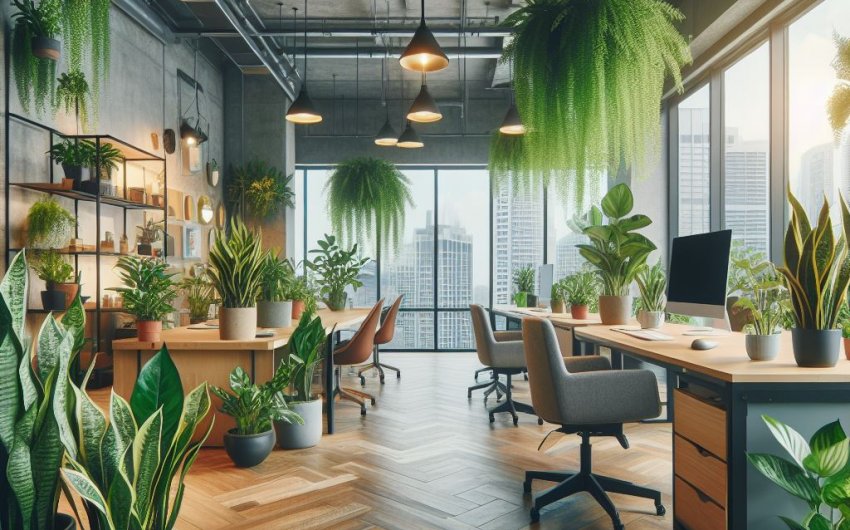
To create a serene and productive workspace, choose indoor plants to boost workplace wellness that are both low-maintenance and effective air purifiers. These green companions transform a sterile desk into an office oasis, enhancing mood, reducing stress, and cleaning the air. This guide highlights the best plants for a healthier, happier work environment.
Why Are Indoor Plants Essential for Workplace Wellness?
Indoor plants are essential for workplace wellness because they introduce natural elements that counteract the often sterile and stressful office environment, profoundly impacting employee well-being and productivity. Their presence offers tangible benefits, from cleaner air to reduced stress. Understanding why indoor plants are essential highlights how effectively they create an office oasis to boost workplace wellness.
What are the Proven Psychological Benefits of Plants in the Office?
The proven psychological benefits of plants in the office are extensive, making them far more than mere decoration. From reducing stress to enhancing creativity, integrating live greenery fundamentally improves the mental landscape of a workspace. Understanding these advantages highlights how effectively indoor plants to boost workplace wellness can transform an office into a productive and harmonious office oasis.
Here are the proven psychological benefits of plants in the office:
- Stress Reduction and Calming Effect:
- Benefit: Studies consistently show that the presence of plants can lower physiological and psychological stress. They reduce feelings of tension, anxiety, and fatigue.
- How it works: Exposure to nature (even indoors) has a calming effect, lowers blood pressure, and reduces heart rate, creating a more relaxed work environment.
- Improved Mood and Emotional Well-being:
- Benefit: Plants contribute to a more positive outlook, fostering feelings of happiness and reducing symptoms of depression.
- How it works: A greener, more natural environment can combat feelings of monotony or confinement often associated with sterile office spaces.
- Increased Productivity and Focus:
- Benefit: Research indicates that plants in the workspace can enhance concentration, improve memory retention, and boost task performance.
- How it works: A more engaging and stimulating environment reduces mental fatigue and provides a subtle, restorative element.
- Enhanced Creativity and Problem-Solving:
- Benefit: Exposure to nature is linked to improved cognitive function, including creativity and problem-solving abilities.
- How it works: A natural setting encourages "soft fascination," allowing the mind to wander constructively and return to tasks with renewed clarity.
- Reduced Absenteeism:
- Benefit: Some studies suggest a correlation between plants in the office and lower rates of employee sickness and absenteeism.
- How it works: Potentially due to improved air quality and reduced stress, leading to a healthier workforce.
- Greater Job Satisfaction:
- Benefit: Employees in offices with plants often report higher levels of job satisfaction and a greater sense of well-being.
- How it works: A more pleasant and personalized workspace contributes to a positive work experience.
- Noise Reduction:
- Benefit: Larger, leafy plants can help absorb and deflect sound waves, slightly reducing ambient noise levels.
- How it works: Creates a slightly quieter and more comfortable working environment.
- Connection to Nature (Biophilia):
- Benefit: Satisfies our innate human need to connect with nature and other living systems (biophilia).
- How it works: Fosters a deeper sense of well-being, grounding, and connection, especially in urban environments.
How Do Plants Contribute to a Healthier Indoor Environment?
Beyond psychological benefits, plants contribute to a healthier indoor environment by actively improving air quality and regulating humidity, creating a more comfortable and less irritating workspace. Their natural processes make them invaluable allies in combating common office pollutants. Understanding these physiological advantages highlights how indoor plants to boost workplace wellness genuinely create an office oasis.
Here's how plants contribute to a healthier indoor environment:
- Air Purification (Absorption of VOCs):
- Benefit: Many indoor plants act as natural air purifiers, absorbing common Volatile Organic Compounds (VOCs) that off-gas from office furniture, carpets, paints, cleaning supplies, and electronics.
- How it works: Plants absorb these gaseous pollutants through their leaves (stomata). The pollutants are then transported to the root zone, where beneficial soil microorganisms break them down into harmless compounds.
- Common VOCs Removed: Formaldehyde, benzene, trichloroethylene (TCE), xylene, and ammonia.
- Oxygen Production:
- Benefit: During photosynthesis, plants absorb carbon dioxide (CO₂) and release oxygen (O₂).
- How it works: Increases ambient oxygen levels, contributing to fresher air. (Note: While plants contribute, proper ventilation is still crucial for CO₂ management).
- Humidity Regulation:
- Benefit: Plants release water vapor into the air through transpiration, naturally increasing the humidity in a room.
- How it works: This is particularly beneficial in offices with dry air (due to heating or air conditioning), which can cause dry skin, scratchy throats, respiratory discomfort, and static electricity.
- Dust Reduction:
- Benefit: The broad surface area of plant leaves, especially those with rough or fuzzy textures, can trap and hold airborne dust particles.
- How it works: Physically removes dust from the air. Regular wiping of leaves helps maintain this function.
- Odor Reduction:
- Benefit: By absorbing airborne chemicals, plants can also help reduce unpleasant odors from office equipment or new furnishings.
- How it works: Neutralizes some odor-causing VOCs.
Important Note: While plants provide significant benefits, they are a complement, not a replacement, for good ventilation practices in any workplace.
What Are the Best Indoor Plants for an Office Environment?
To effectively create an office oasis that truly works, identifying the best indoor plants for an office environment is crucial. These selections combine purifying power with low maintenance, resilience, and aesthetic appeal, making them ideal companions for a busy workspace. Understanding their specific qualities helps you choose indoor plants to boost workplace wellness without adding extra stress.
Which Plants Are Air-Purifying Powerhouses for Office Spaces?
For a healthier and more invigorating work environment, choosing plants that are air-purifying powerhouses for office spaces is a top strategy. These diligent green companions actively filter common office toxins, helping you breathe easy and boosting overall well-being. Understanding their specific capabilities helps you select the best indoor plants to boost workplace wellness and truly create an office oasis.
Here are plants that are air-purifying powerhouses for office spaces:
- Snake Plant (Sansevieria trifasciata, Mother-in-Law's Tongue):
- Why it's a powerhouse: Excellent for removing formaldehyde, benzene, trichloroethylene, and xylene. Uniquely converts CO₂ to O₂ at night, making it perfect for bedrooms and offices.
- Care: Very low to bright, indirect light. Allow soil to dry completely between waterings. Extremely tough and forgiving.
- Toxicity: Mildly toxic to pets.
- Vibe: Modern, architectural, upright. Great for floor spaces or narrow shelves. A snake plant indoor office is a top choice.
- Peace Lily (Spathiphyllum species):
- Why it's a powerhouse: A versatile purifier, excelling at removing formaldehyde, benzene, trichloroethylene, xylene, and ammonia – many common office pollutants.
- Care: Low to medium light, keep soil consistently moist. It visibly droops when thirsty, making watering easy.
- Toxicity: Mildly toxic to pets.
- Vibe: Elegant, graceful, with clean white blooms. Adds a calming presence. A peace lily plant office is a beautiful air cleanser.
- ZZ Plant (Zamioculcas zamiifolia):
- Why it's a powerhouse: While not on NASA's original list, modern research suggests it's effective at removing xylene, toluene, benzene, and ethylbenzene. It's incredibly resilient.
- Care: Low to bright, indirect light. Allow soil to dry completely between waterings. Highly drought-tolerant.
- Toxicity: Mildly toxic to pets.
- Vibe: Sleek, modern, glossy foliage. Perfect for low-light offices or busy desks. A ZZ plant desk size is very forgiving.
- Pothos (Epipremnum aureum, Devil's Ivy):
- Why it's a powerhouse: Effectively removes formaldehyde, benzene, xylene, and carbon monoxide. It's a vigorous grower with a large leaf surface area.
- Care: Low to bright, indirect light. Allow soil to dry partially between waterings. Very forgiving of neglect.
- Toxicity: Mildly toxic to pets.
- Vibe: Cascading, lush, versatile for shelves or hanging. A pothos plant hanging office can add instant greenery.
- Dracaena (Multiple Varieties, e.g., 'Janet Craig', Corn Plant, Dragon Tree):
- Why it's a powerhouse: Many dracaena varieties are excellent for removing formaldehyde, benzene, trichloroethylene, and xylene.
- Care: Medium to bright, indirect light, allow soil to dry between waterings.
- Toxicity: Mildly toxic to pets.
- Vibe: Architectural, striking foliage, comes in many forms suitable for floor or desk.
- Spider Plant (Chlorophytum comosum):
- Why it's a powerhouse: Exceptionally effective at formaldehyde removal, and also targets xylene and carbon monoxide. It's easy to care for and propagates readily.
- Care: Bright, indirect light, tolerates some neglect.
- Toxicity: Non-toxic to pets.
- Vibe: Cheerful, cascading, great for hanging baskets or high shelves. A spider plant office desk is a vibrant choice.
Which Plants Are Low-Maintenance and Tolerant of Office Conditions?
For busy workspaces, choosing plants that are low-maintenance and tolerant of office conditions is key to success. These resilient green companions survive fluctuating temperatures, low light, and occasional neglect, making them perfect for an office oasis. Understanding their hardiness helps you select indoor plants to boost workplace wellness without adding extra responsibilities.
Here are plants that are low-maintenance and tolerant of office conditions:
- Snake Plant (Sansevieria trifasciata):
- Why it's tolerant: Extremel resilient. Tolerates very low light, drought, and a wide range of temperatures. Forgives erratic watering.
- Care: Low to bright, indirect light. Allow soil to dry completely between waterings.
- Toxicity: Mildly toxic to pets.
- Vibe: Modern, architectural, almost indestructible.
- ZZ Plant (Zamioculcas zamiifolia):
- Why it's tolerant: Another champion of neglect. Thrives in low light and is extremely drought-tolerant due to water-storing rhizomes.
- Care: Low to bright, indirect light. Allow soil to dry completely between waterings.
- Toxicity: Mildly toxic to pets.
- Vibe: Sleek, modern, thrives on being forgotten.
- Pothos (Epipremnum aureum):
- Why it's tolerant: Very forgiving of varied light (low to bright indirect), inconsistent watering, and average office humidity. It's robust and grows quickly.
- Care: Low to bright, indirect light. Allow soil to dry partially between waterings.
- Toxicity: Mildly toxic to pets.
- Vibe: Lush, cascading, easy to propagate.
- Cast Iron Plant (Aspidistra elatior):
- Why it's tolerant: Lives up to its name – it's incredibly tough. Tolerates very low light, neglect, poor soil, and a wide range of temperatures.
- Care: Very low to medium light. Allow soil to dry between waterings.
- Toxicity: Non-toxic to pets.
- Vibe: Classic, elegant, extremely resilient.
- Chinese Evergreen (Aglaonema species):
- Why it's tolerant: Tolerates low light, inconsistent watering, and average home/office humidity. Many varieties offer beautiful variegated foliage that brightens a desk.
- Care: Low to medium light. Allow top 1-2 inches of soil to dry between waterings.
- Toxicity: Mildly toxic to pets.
- Vibe: Colorful foliage, adds a tropical touch with minimal fuss. A Chinese evergreen office plant adds a splash of color.
- Dracaena (Corn Plant, Dragon Tree, 'Janet Craig'):
- Why it's tolerant: Many dracaena varieties are quite hardy, adapting to medium to bright, indirect light and tolerant of some neglect in watering.
- Care: Medium to bright, indirect light. Allow soil to dry between waterings.
- Toxicity: Mildly toxic to pets.
- Vibe: Architectural, striking foliage, comes in many sizes for floor or desk.
Which Plants Are Pet-Friendly for an Office Environment?
For a worry-free workspace, identifying plants that are pet-friendly for an office environment is a crucial consideration. Many common office plants are mildly toxic, posing a risk to curious pets. Choosing non-toxic options ensures your office oasis remains a safe space while still helping to boost workplace wellness. This guide highlights safe green companions.
Here are pet-friendly plants for an office environment:
Note: While "non-toxic" means they won't cause serious harm, ingestion of any plant material can still cause mild stomach upset in sensitive pets. Always supervise pets.
- Spider Plant (Chlorophytum comosum):
- Why it's safe: Universally recognized as non-toxic to cats and dogs. Its cascading leaves are fun for pets to bat at without danger.
- Care: Bright, indirect light, tolerates some neglect.
- Vibe: Cheerful, a top air purifier, great for hanging baskets or high shelves. A pet-safe spider plant is an excellent choice.
- African Violet (Saintpaulia species):
- Why it's safe: Another popular flowering plant that is non-toxic to cats and dogs.
- Care: Bright, indirect light. Water from bottom. Keep soil moist.
- Vibe: Charming, classic, provides continuous color.
- Christmas Cactus (Schlumbergera species):
- Why it's safe: Non-toxic to pets, making its festive winter blooms a safe addition.
- Care: Bright, indirect light. Allow top inch of soil to dry. Needs specific light/temperature cues for blooming.
- Vibe: Unique, colorful, easy-care succulent.
- Friendship Plant (Pilea involucrata):
- Why it's safe: Non-toxic to pets and has lovely textured, often bronzed foliage. It's known for being easy to propagate and share.
- Care: Medium to bright, indirect light. Keep soil consistently moist. Likes humidity.
- Vibe: Charming, textural, great for small desks.
- Polka Dot Plant (Hypoestes phyllostachya):
- Why it's safe: Non-toxic to pets and offers bright, contrasting spots of pink, red, or white on its green leaves.
- Care: Bright, indirect light to maintain color. Keep soil consistently moist. Pinch back for bushiness.
- Vibe: Cheerful, colorful, adds a playful touch.
- Many Succulents (e.g., Haworthia, Gasteria, Echeveria):
- Why they're safe: Most common succulent varieties (though not all, avoid Jade Plant for pets) are considered non-toxic. Always double-check specific species.
- Care: Bright, direct to indirect light. Allow soil to dry completely between waterings. Very low maintenance.
- Vibe: Sculptural, modern, great for small, bright spots. A pet-friendly succulent pack can offer variety.
- Some Herbs (e.g., Basil, Thyme, Rosemary, Parsley):
- Why they're safe: Most culinary herbs are non-toxic and add a lovely fragrance.
- Care: Bright light, consistent watering.
- Vibe: Functional, fragrant, and fresh.
How Do You Care for Office Plants to Maximize Their Benefits?
To truly maximize the benefits of your office plants and create a thriving office oasis, proper care is essential, even for low-maintenance varieties. Healthy plants are effective air purifiers and stress reducers, while struggling plants offer little value. Understanding how to care for office plants ensures they genuinely boost workplace wellness without adding to your workload.
What are the Best Watering and Lighting Practices for a Healthy Office Plant?
For a thriving office oasis, implementing the best watering and lighting practices is fundamental, directly impacting the health and efficacy of your indoor plants to boost workplace wellness. Even resilient plants need consistent, correct care. Understanding these "golden rules" ensures your green companions flourish, maximizing their air-purifying and mood-boosting benefits.
1. Best Watering Practices for Office Plants:
- The "Finger Test" (Crucial!):
- Action: Do NOT water on a rigid schedule. Before watering, stick your finger 2-3 inches deep into the soil. Water only if it feels dry.
- Why: Overwatering is the number one killer of houseplants. It suffocates roots and leads to root rot.
- Tool: A soil moisture meter for indoor plants provides an accurate reading.
- Water Deeply, Then Allow to Dry:
- Action: When you do water, water thoroughly until it drains from the bottom of the pot. Then, allow the top few inches of soil to dry (or completely dry for succulents) before watering again.
- Why: Encourages deep root growth and prevents constant soggy conditions.
- Ensure Drainage:
- Action: Always use pots with drainage holes. If using a decorative cachepot, ensure there's no standing water in the bottom.
- Why: Essential to prevent root rot.
- Reduce Watering in Fall/Winter:
- Action: Most plants grow more slowly in lower light conditions of fall/winter and need less water. Adjust frequency accordingly.
- Why: Prevents overwatering during dormant periods.
2. Best Lighting Practices for Office Plants:
- Understand Your Plant's Specific Needs:
- Action: Research the light requirements for each plant (low, medium, bright indirect, direct).
- Why: Mismatched light levels are a common cause of plant stress.
- Place for Bright, Indirect Light (Generally Preferred):
- Action: Most office plants thrive in bright, indirect light – near a window, but not in direct, harsh sunbeams that can scorch leaves.
- Why: Provides ample energy for photosynthesis without stress.
- Rotate Periodically:
- Action: Turn your plant occasionally (e.g., once a week) so all sides receive even light exposure.
- Why: Promotes even, symmetrical growth.
- Supplement with LED Grow Lights (If Needed):
- Action: If your office has truly low light, consider a small, full-spectrum LED grow light for your plants.
- Why: Ensures plants receive the necessary light spectrum for healthy growth, even in dark corners.
- Avoid Direct Blasts from Vents:
- Action: Keep plants away from heating or air conditioning vents.
- Why: Extreme temperature fluctuations and dry air can stress plants.
What About Fertilizing, Cleaning, and Pest Prevention for Office Plants?
For your office plants to truly thrive and deliver their full benefits, attentive fertilizing, cleaning, and pest prevention are crucial alongside watering and light. These seemingly minor tasks ensure overall plant health, maintaining their vitality in a demanding environment. Understanding these practices helps maximize their contribution to an office oasis and boost workplace wellness.
1. Fertilizing Office Plants:
- Less is More:
- Action: Office plants generally require very little fertilizer. Over-fertilizing is far more common and damaging than under-fertilizing.
- Why: Excess fertilizer can burn roots and lead to salt buildup in the soil.
- Fertilize During Growing Season Only:
- Action: Apply a balanced liquid indoor plant fertilizer at half strength only during spring and summer (active growing season). Do not fertilize in fall or winter.
- Why: Plants are not actively growing and cannot utilize fertilizer during dormancy.
- Repotting Provides Nutrients:
- Action: When you repot (typically every 1-2 years), use fresh potting mix, which contains new nutrients.
- Why: Often negates the need for immediate additional fertilizer.
2. Cleaning Leaves:
- Wipe Leaves Regularly:
- Action: Gently wipe leaves with a soft, damp cloth or sponge every 1-2 weeks. For plants with fuzzy leaves, use a soft brush.
- Why: Dust accumulates on leaves, physically blocking stomata (the pores through which plants "breathe" and absorb air pollutants). Dusty leaves are inefficient at air purification and photosynthesis.
- Benefit: Ensures optimal plant function and enhances aesthetic appeal.
- Shower Plants (Periodically):
- Action: For smaller plants, take them to a sink or shower and gently rinse foliage with lukewarm water.
- Why: Deep cleans leaves and can help deter some pests like spider mites.
3. Pest Prevention and Management:
- Inspect Regularly:
- Action: Make it a habit to inspect your plants regularly (e.g., weekly when watering), checking new growth, undersides of leaves, and stem joints.
- Why: Early detection of pests (mealybugs, spider mites, aphids) allows for easier, non-toxic treatment before infestations spread.
- Non-Toxic Treatment:
- Action: For common pests, use a ready-to-use insecticidal soap or neem oil spray. Wipe affected areas.
- Why: Effective and safe for an office environment.
- Isolate New Plants:
- Action: When bringing new plants into the office, keep them separate from existing plants for a few weeks.
- Why: Allows you to observe them for any hidden pests before they can spread.
- Maintain Good Humidity:
- Action: Group plants together or use a small humidifier.
- Why: Dry air encourages pests like spider mites.
By carefully selecting indoor plants to boost workplace wellness and implementing these comprehensive care strategies, you transform any office into a vibrant and healthy office oasis. These resilient green companions not only add aesthetic appeal but also actively contribute to a more productive, serene, and clean environment, making them an invaluable asset for every modern workspace.