
Furry Friends Approved: Pet-Friendly Indoor Plants
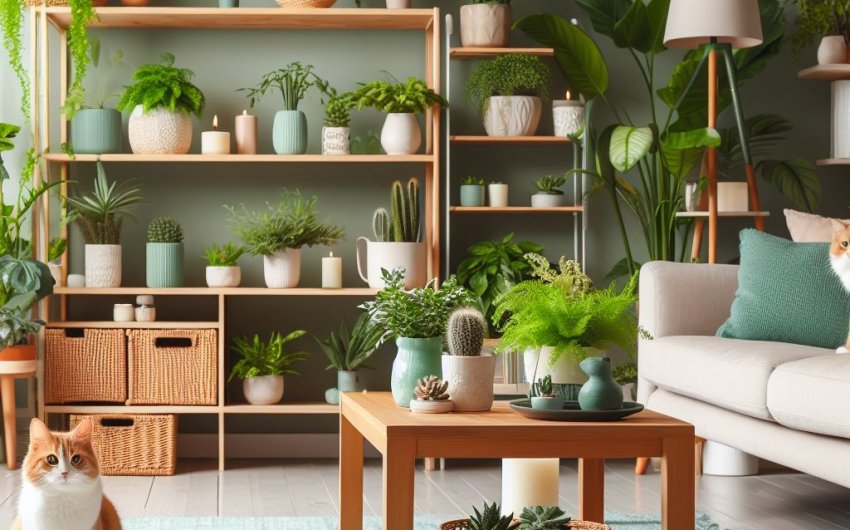
To ensure a safe and beautiful home, choose pet-friendly indoor plants that are explicitly non-toxic to cats and dogs, making them furry friends approved. These resilient green companions allow you to enjoy the benefits of houseplants without worrying about accidental ingestion by curious pets. This guide highlights the best safe and stunning options for a harmonious home.
Why is Choosing Pet-Friendly Indoor Plants So Important?
Choosing pet-friendly indoor plants is absolutely vital for any animal lover, ensuring the safety and well-being of your beloved companions. Many common houseplants are toxic if ingested by curious cats or dogs, leading to potential illness or worse. Understanding why choosing pet-friendly indoor plants is so important helps you cultivate a home that is truly furry friends approved.
What are the Dangers of Toxic Plants to Pets?
The dangers of toxic plants to pets range from mild irritation to severe organ damage and even death, making informed plant selection a critical responsibility for pet owners. Many common houseplants, while beautiful, contain compounds that are poisonous if ingested by curious cats or dogs. Understanding these risks highlights why pet-friendly indoor plants are crucial for a truly furry friends approved home.
Here are the dangers of toxic plants to pets:
- Gastrointestinal Upset:
- Danger: Many toxic plants cause vomiting, diarrhea, drooling, and abdominal pain if ingested.
- Mechanism: Contains irritating compounds that upset the digestive system.
- Examples: Pothos, Philodendron, Dieffenbachia, Peace Lily (contain insoluble calcium oxalates that cause immediate irritation).
- Oral and Esophageal Irritation:
- Danger: Immediate burning, stinging, or swelling of the mouth, tongue, and throat.
- Mechanism: Often due to insoluble calcium oxalate crystals (raphides) that embed in tissues.
- Examples: Dieffenbachia (dumb cane), Peace Lily, Pothos, Philodendron, Calla Lily, Chinese Evergreen. Can cause difficulty breathing or swallowing.
- Organ Damage (Liver, Kidneys, Heart):
- Danger: Some plants contain compounds that, when metabolized, can directly damage vital organs. This can be delayed and harder to diagnose.
- Mechanism: Specific toxins interfere with organ function.
- Examples:
- Liver/Kidney: Sago Palm (cycasin), Lilies (cats - all parts, even pollen).
- Heart: Oleander, Lily of the Valley.
- Neurological Symptoms:
- Danger: Can cause tremors, seizures, disorientation, weakness, incoordination, or coma.
- Mechanism: Neurotoxins in the plant.
- Examples: Sago Palm, Marijuana.
- Cardiac Issues:
- Danger: Can affect heart rate and rhythm.
- Mechanism: Cardiac glycosides.
- Examples: Foxglove, Oleander, Lily of the Valley.
- Dermatitis/Skin Irritation:
- Danger: Sap from some plants can cause skin rashes, redness, itching, or blistering upon contact.
- Mechanism: Irritating saps or compounds.
- Examples: Ficus (many varieties like Fiddle Leaf Fig, Rubber Plant), Dieffenbachia.
- Photosensitivity:
- Danger: Some plants make skin more sensitive to sunlight, leading to severe sunburn or blistering when exposed.
- Mechanism: Furocoumarins.
- Examples: Parsnip (outdoor), some citrus (contact with sap).
- Reproductive Harm / Teratogenicity:
- Danger: Some toxins can affect fetal development.
- Mechanism: Specific teratogens.
- Examples: Certain outdoor plants, less common in houseplants but a general concern for pregnant humans/animals.
- Fatalities:
- Danger: In severe cases or with highly toxic plants ingested in sufficient quantities, plant poisoning can be fatal.
- Examples: Lilies (especially for cats), Sago Palm, Oleander.
What to do if you suspect poisoning:
- Act Immediately: Remove any remaining plant material from the pet's mouth.
- Contact Vet/Pet Poison Helpline: Call your veterinarian, an emergency veterinary clinic, or a pet poison control center immediately. Have the plant's name ready.
- Do NOT Induce Vomiting Unless Directed: This can sometimes do more harm than good.
- Monitor Symptoms: Note any symptoms your pet is displaying.
How Does a "Furry Friends Approved" Home Benefit Pets and Owners?
A "furry friends approved" home offers immense benefits, creating a safe and joyful environment for both pets and their owners. By thoughtfully selecting pet-friendly indoor plants, you eliminate worry and foster a harmonious living space. Understanding these advantages highlights how cultivating such a home transforms daily life for everyone involved.
Here's how a "furry friends approved" home benefits pets and owners:
Benefits for Pets:
- Eliminates Risk of Poisoning:
- Benefit: The most important advantage. Removes the danger of accidental ingestion of toxic plant material, preventing mild to severe illness, organ damage, or even fatality.
- How it works: Pets, especially cats and puppies, are naturally curious and may chew on plants. A pet-safe home allows them to explore without danger.
- Reduced Oral Irritation and Gastrointestinal Upset:
- Benefit: Prevents the immediate discomfort, pain, vomiting, and diarrhea caused by many toxic plants.
- How it works: Pets can nibble without suffering irritation.
- Safer Environment for Exploration and Play:
- Benefit: Pets can safely interact with plants, sniff, or even take a harmless nibble without owners having to constantly supervise or scold.
- How it works: Fosters a more relaxed and stimulating environment for curious animals.
- Enriched Environment:
- Benefit: Provides natural elements for pets to enjoy, which can enhance their mental stimulation and well-being.
- How it works: Plants offer a different texture and scent profile for pets to investigate.
Benefits for Owners:
- Peace of Mind:
- Benefit: The biggest advantage. You no longer have to worry constantly about your pet's safety around your houseplants.
- How it works: Eliminates the stress and anxiety associated with keeping potentially dangerous plants.
- Freedom in Plant Selection:
- Benefit: While you stick to a safe list, you can still choose from a wide variety of beautiful and beneficial plants.
- How it works: Allows you to enjoy greenery without compromising safety.
- More Relaxed Home Atmosphere:
- Benefit: Less need for constant vigilance or reprimands, leading to a more harmonious household dynamic.
- How it works: Owners and pets can coexist peacefully with plants.
- Aesthetic Appeal:
- Benefit: You can still enjoy the beauty and air-purifying benefits of indoor plants, which enhance home decor and improve air quality.
- How it works: Combines your love for plants with your love for pets.
- Reduced Vet Bills and Stress:
- Benefit: Prevents expensive emergency vet visits, diagnostic tests, and treatments for plant poisoning.
- How it works: Avoids the emotional distress of having a sick pet.
- Education and Awareness:
- Benefit: Encourages pet owners to become more knowledgeable about plant toxicity, benefiting their own pets and potentially helping others.
What Are the Best Pet-Friendly Indoor Plants?
To create a truly furry friends approved home, identifying the best pet-friendly indoor plants is essential. These resilient green companions offer both beauty and peace of mind, allowing you to enjoy lush greenery without worrying about curious pets. This guide highlights top choices that are explicitly non-toxic to cats and dogs, making them ideal for any animal-loving household.
Which Leafy Plants Are Safe and Stylish for Pets?
To maintain both a chic interior and a safe environment, choosing leafy plants that are safe and stylish for pets is a top strategy for pet-friendly indoor plants. These non-toxic green companions add lushness, texture, and modern appeal without posing a risk to curious cats or dogs. Understanding these options helps you create a home that is both beautiful and truly furry friends approved.
Here are leafy plants that are safe and stylish for pets:
- Spider Plant (Chlorophytum comosum):
- Why it's safe and stylish: Universally recognized as non-toxic. Its arching, striped leaves and prolific "spiderette" babies create a charming, cascading effect. It's also an excellent air purifier.
- Care: Bright, indirect light (tolerates lower light). Allow soil to dry slightly between waterings. Very easy care.
- Vibe: Cheerful, retro, great for hanging baskets or high shelves. A pet-safe spider plant is a top choice for busy owners.
- Cast Iron Plant (Aspidistra elatior):
- Why it's safe and stylish: Non-toxic and incredibly tough, living up to its name. Its stiff, dark green leaves add a classic, elegant touch.
- Care: Very low to medium light. Tolerates neglect and infrequent watering.
- Vibe: Classic, elegant, extremely resilient. Great for low-light corners.
- Prayer Plant (Maranta leuconeura):
- Why it's safe and stylish: Non-toxic and features stunning, intricately patterned leaves, often with vibrant reds or pinks on the undersides. Leaves fold up at night.
- Care: Medium to bright, indirect light. High humidity. Keep soil consistently moist but not soggy.
- Vibe: Dynamic (leaves move), colorful foliage, adds a sophisticated, tropical touch.
- Friendship Plant (Pilea involucrata):
- Why it's safe and stylish: Non-toxic and has lovely textured, often bronzed, green foliage. Grows in a charming, compact mound.
- Care: Medium to bright, indirect light. Keep soil consistently moist. Likes humidity.
- Vibe: Charming, textural, great for small desks or terrariums.
- Polka Dot Plant (Hypoestes phyllostachya):
- Why it's safe and stylish: Non-toxic and offers bright, contrasting spots of pink, red, or white on its green leaves. Very cheerful.
- Care: Bright, indirect light to maintain color. Keep soil consistently moist. Pinch back for bushiness.
- Vibe: Playful, colorful, adds a vibrant pop.
- Areca Palm (Dypsis lutescens):
- Why it's safe and stylish: Non-toxic and provides a lush, tropical feel with its feathery fronds. It's also an excellent air purifier.
- Care: Bright, indirect light, consistently moist soil. Can grow quite large.
- Vibe: Tropical, elegant, architectural. Great for larger spaces. A pet-friendly Areca palm enhances any room.
- Boston Fern (Nephrolepis exaltata 'Bostoniensis'):
- Why it's safe and stylish: Non-toxic and features dense, feathery fronds that add lushness and a classic look. Also a good air purifier.
- Care: Bright, indirect light, consistently moist soil, high humidity. Needs regular misting.
- Vibe: Classic, lush, airy. Great for hanging baskets.
Which Flowering and Fragrant Plants Are Pet-Friendly?
To infuse your home with both color and safety, choosing flowering and fragrant plants that are pet-friendly is a wonderful option. These non-toxic beauties allow you to enjoy vibrant blooms and delightful scents without worrying about your furry friends. Understanding these selections helps you create a truly pet-friendly indoor plants paradise.
Here are flowering and fragrant plants that are pet-friendly:
- African Violet (Saintpaulia species):
- Why it's safe and fragrant: Non-toxic and blooms almost continuously with proper care. Offers charming, velvety flowers in shades of purple, pink, white, and blue.
- Care: Bright, indirect light. Water from the bottom or avoid getting water on leaves. Keep soil consistently moist.
- Vibe: Classic, charming, adds a cottage touch. A self-watering African violet pot simplifies care.
- Christmas Cactus (Schlumbergera species):
- Why it's safe and flowering: Non-toxic succulent that produces stunning, arching blooms in winter, bringing much-needed color.
- Care: Bright, indirect light. Allow top inch of soil to dry before watering. Requires a period of cool temperatures/long nights to set buds.
- Vibe: Festive, unique, easy-care.
- Orchids (Phalaenopsis, Moth Orchid):
- Why it's safe and flowering: The most common household orchid is non-toxic to pets. Offers exotic, long-lasting blooms for months.
- Care: Bright, indirect light. Water when roots look silvery-gray (often weekly). Requires orchid potting mix.
- Vibe: Elegant, sophisticated, adds a touch of luxury.
- Some Herbs (e.g., Basil, Thyme, Rosemary, Parsley, Mint):
- Why they're safe and fragrant: Most culinary herbs are non-toxic and provide delightful aromas.
- Care: Bright light, consistent watering.
- Vibe: Functional, fresh, and aromatic. A small indoor herb garden kit is perfect.
- Hoyas (Wax Plant):
- Why it's safe and flowering: Non-toxic and produces clusters of fragrant, star-shaped, waxy flowers if happy. Also has beautiful foliage.
- Care: Bright, indirect to direct light (for flowering). Allow soil to dry completely between waterings.
- Vibe: Elegant, unique, adds texture and scent.
Which Succulents and Cacti Are "Furry Friends Approved"?
For adding modern, sculptural beauty without worry, choosing succulents and cacti that are "furry friends approved" is an ideal strategy for pet-friendly indoor plants. These non-toxic resilient beauties thrive on neglect and bring unique forms to your décor. Understanding these safe options helps you create a home that is both stylish and truly furry friends approved.
Here are succulents and cacti that are "furry friends approved":
- Haworthia (e.g., Zebra Haworthia):
- Why it's safe: Non-toxic and features distinctive, architectural rosettes of plump, often striped leaves. Stays compact.
- Care: Bright, indirect light. Allow soil to dry completely between waterings. Very low maintenance.
- Vibe: Modern, sculptural, easy to group. A Haworthia succulent plant is a popular desk plant.
- Gasteria (Ox Tongue Plant):
- Why it's safe: Non-toxic and similar to Haworthia, with thick, tongue-shaped leaves, often speckled. Very resilient.
- Care: Bright, indirect light. Allow soil to dry completely between waterings.
- Vibe: Unique texture, low-maintenance.
- Echeveria (Most species):
- Why it's safe: Generally considered non-toxic. Forms beautiful, symmetrical rosettes in a stunning array of colors and textures.
- Care: Bright, direct to indirect light. Allow soil to dry completely between waterings.
- Vibe: Charming, intricate, jewel-like. Great for windowsills. A mixed Echeveria succulent pack offers variety.
- Christmas Cactus (Schlumbergera species):
- Why it's safe: Non-toxic and a popular flowering succulent, offering arching stems and vibrant winter blooms.
- Care: Bright, indirect light. Allow top inch of soil to dry before watering.
- Vibe: Festive, unique, easy-care.
- Burro's Tail (Sedum morganianum, Trailing Jade):
- Why it's safe: Non-toxic and a fantastic trailing succulent with long, thick stems densely packed with plump leaves, creating rope-like cascades.
- Care: Bright, direct light. Allow soil to dry completely between waterings. Handle carefully as leaves fall off easily.
- Vibe: Unique, sculptural, very textural. Great for high, undisturbed spots.
- Air Plants (Tillandsia species):
- Why it's safe: Non-toxic and requires no soil, making them versatile for display in many pet-proof arrangements.
- Care: Bright, indirect light. Soak in water for 20-30 minutes once a week, then allow to dry. Mist every few days.
- Vibe: Modern, minimalist, whimsical. A set of air plants is a versatile, pet-safe option.
- Lithops (Living Stones):
- Why it's safe: Non-toxic, incredibly unique succulents that mimic stones.
- Care: Very bright light. Extremely infrequent watering (often only a few times a year).
- Vibe: Fascinating, minimalist, true conversation starter.
How Do You Create a Pet-Safe Home with Indoor Plants?
To truly create a pet-safe home with indoor plants, selecting non-toxic varieties is just one piece of the puzzle; careful placement, deterrents, and vigilant observation are equally crucial. This holistic approach ensures your beloved companions remain safe while you enjoy lush greenery. Understanding how to create a pet-safe home makes it truly furry friends approved.
What are Key Strategies for Placement and Deterrence?
To effectively create a pet-safe home with indoor plants, implementing key strategies for placement and deterrence is crucial. Even with non-toxic plants, curious pets can still cause messes or damage. These proactive measures minimize unwanted interactions, ensuring your home remains a harmonious space for both plants and furry friends. Understanding these tactics is vital for pet-friendly indoor plants.
Key Strategies for Placement:
- Out of Reach (Best Defense, Even for Non-Toxic Plants):
- Action: Place plants on high shelves, in hanging baskets, on top of tall furniture, or in closed terrariums where pets cannot easily access them.
- Why: Even non-toxic plants can cause mild stomach upset if ingested in large quantities, and pets can make a mess digging in soil. This is the surest way to prevent interaction.
- Tools: Use macrame plant hangers or tall plant stands.
- Designated "Pet-Free" Rooms:
- Action: If you have highly valued or slightly toxic plants you can't part with, keep them in rooms that are inaccessible to your pets.
- Why: Provides a safe boundary.
- Consider Plant Size and Stability:
- Action: Choose sturdy, heavy pots for larger floor plants that a curious pet can't easily knock over. Avoid top-heavy plants.
- Why: Prevents accidents, broken pots, spilled soil, and potential injury to pets.
- Group Plants Strategically:
- Action: Cluster plants together, using larger, less appealing plants (or pet-safe ones) as a "buffer" for smaller, more delicate ones.
- Why: Creates a more imposing barrier that might deter pets from getting to specific plants.
Key Strategies for Deterrence (for persistent pets):
- Bitter Apple Spray:
- Action: Lightly spray plant leaves with a bitter apple spray for pets (or other commercial bittering agents).
- Why: Most pets find the taste highly unpleasant and will avoid chewing on treated plants.
- Tips: Reapply regularly.
- Foil or Pebbles on Soil Surface:
- Action: Cover the soil surface with aluminum foil, small decorative pebbles, or a layer of pine cones.
- Why: Deters cats from digging in the pot (which they often do to use it as a litter box) or from eating soil.
- Physical Barriers Around Pots:
- Action: Create a small, temporary fence (e.g., mesh, wire grid) around the base of a particularly tempting plant or plant grouping.
- Why: Physically blocks access.
- Offer Appealing Alternatives:
- Action: Provide your cat with their own cat grass kit. This gives them a safe, palatable plant to chew on, potentially redirecting their attention from your other houseplants.
- Why: Satisfies their natural instinct to chew on greens.
- Consistent Training:
- Action: Use positive reinforcement training methods to teach pets not to interact with houseplants.
- Why: Builds good habits over time.
How Do You Monitor Pet Interaction and Maintain Plant Health Safely?
To maintain a truly harmonious and pet-safe home with indoor plants, consistent monitoring of pet interaction and safely maintaining plant health are crucial. Vigilance helps you quickly address any issues, protecting both your beloved furry friends and your green companions. This ongoing attention ensures your pet-friendly indoor plants thrive without incident.
1. Monitoring Pet Interaction:
- Observe Your Pet's Habits:
- Action: Pay attention to which plants (if any) your pet is drawn to. Do they sniff, rub against, or try to chew on specific types of leaves?
- Why: Helps you identify potential problem areas or "temptation" plants that might need extra deterrence or relocation.
- Check Plants for Damage:
- Action: Regularly inspect your plants for signs of nibbling, claw marks, or digging in the soil.
- Why: Even non-toxic plants can be damaged by curious pets. This indicates a need for intervention.
- Monitor Pet's Health:
- Action: If you ever suspect your pet has ingested any plant material (even non-toxic), observe them for any unusual symptoms (vomiting, diarrhea, lethargy, changes in behavior).
- Why: Provides an early warning if a problem has occurred. Always have your vet's number and a pet poison control hotline handy.
- Use Pet Cameras (Optional):
- Action: If you're often away and suspect your pet is misbehaving with plants, a pet camera with two-way audio can help monitor behavior and intervene remotely.
- Why: Provides insight into pet habits when you're not home.
2. Safely Maintaining Plant Health:
- Choose Pet-Safe Potting Mix:
- Action: Use a high-quality, sterile potting mix. Avoid mixes with perlite (white volcanic rock) or vermiculite, as ingestion of large amounts is not ideal for pets, though generally low risk. Also, some fertilizers in mixes may be concentrated.
- Why: Minimizes any potential stomach upset if soil is ingested.
- Organic/Non-Toxic Fertilization:
- Action: If you fertilize, use organic fertilizers for houseplants like compost tea, worm castings, or slow-release organic granules.
- Why: Avoids chemical fertilizer residues that could be harmful if pets lick the soil or chew leaves.
- Non-Toxic Pest Control:
- Action: Stick to organic pest control methods like insecticidal soap, neem oil, horticultural oil, or manual removal.
- Why: Prevents pets from being exposed to harmful chemical pesticides.
- Clean Up Spills Promptly:
- Action: If you spill water or apply any product to plants, clean up spills immediately.
- Why: Prevents pets from licking up residues.
- Secure Plant Stakes/Supports:
- Action: Ensure any stakes, moss poles, or plant supports are securely anchored in the pot.
- Why: Prevents them from toppling over and potentially injuring a curious pet. A moss pole for climbing plants should be firm.
By thoughtfully choosing pet-friendly indoor plants, implementing smart placement and deterrence strategies, and consistently monitoring both your plants and your pets, you can create a safe and harmonious home. This comprehensive approach ensures your home is truly furry friends approved, allowing everyone to enjoy the beauty and benefits of lush indoor greenery without any worry.