
Blossom Indoors: Indoor Plants That Flower Year-Round
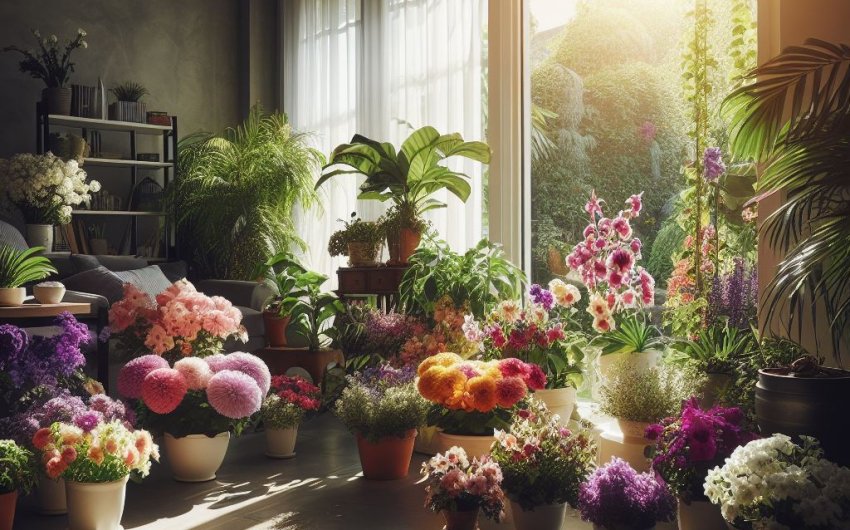
To enjoy continuous floral displays, choose indoor plants that flower year-round or for extended periods, bringing vibrant color and cheer to your home. These resilient bloomers allow you to truly blossom indoors, providing consistent beauty regardless of the season outside. This guide highlights the best long-flowering options and the care they need to flourish.
Why Are Indoor Plants That Flower Year-Round So Desirable?
Indoor plants that flower year-round are highly desirable because they offer continuous beauty, vibrant color, and a constant connection to nature, even during the coldest or darkest months. Unlike seasonal blooms, these green companions provide unwavering cheer. Understanding why indoor plants that flower year-round are so desirable reveals their unique power to help you truly blossom indoors consistently.
What are the Benefits of Continuous Blooms in Your Home?
The benefits of continuous blooms in your home extend far beyond mere aesthetics, profoundly impacting your mood, well-being, and overall living environment. By choosing indoor plants that flower year-round, you ensure a constant source of natural vibrancy. Understanding these advantages highlights how effectively these plants help you truly blossom indoors and create a more joyful space.
Here are the benefits of continuous blooms in your home:
- Mood Boost and Stress Reduction:
- Benefit: The sight of vibrant, living flowers has a proven positive psychological effect, lifting spirits, reducing stress, and fostering feelings of happiness and well-being.
- How it works: Provides a constant source of natural beauty and color, especially comforting during gloomy winter months.
- Enhanced Aesthetic Appeal:
- Benefit: Flowers add instant beauty, color, texture, and a focal point to any room, elevating your home décor. They break up green foliage with vibrant pops of color.
- How it works: A continuously blooming plant keeps your decor feeling fresh and lively.
- A Touch of Nature, Year-Round:
- Benefit: Provides a constant connection to the natural world, even for those in urban environments or during seasons when outdoor gardening is impossible.
- How it works: Brings the vitality and beauty of a spring garden indoors, all year long.
- Natural Fragrance (for some varieties):
- Benefit: Certain flowering plants release delightful natural scents, subtly perfuming your home without artificial air fresheners.
- How it works: Adds another sensory layer to the home environment.
- Therapeutic and Rewarding Hobby:
- Benefit: The simple act of caring for a continuously blooming plant and witnessing its ongoing beauty is incredibly rewarding and therapeutic.
- How it works: Provides a gentle, engaging hobby that offers consistent satisfaction.
- Focal Point and Conversation Starter:
- Benefit: A plant that is always in bloom naturally draws the eye and becomes a beautiful centerpiece, sparking conversation.
- How it works: Adds character and personality to a room.
- Living Air Purification (often a bonus):
- Benefit: Many flowering houseplants (like Peace Lilies) are also good air purifiers, absorbing common indoor toxins.
- How it works: Contributes to a healthier indoor environment alongside their beauty.
What Makes Certain Indoor Plants Bloom Constantly?
Understanding what makes certain indoor plants bloom constantly reveals the specific biological and environmental factors that enable their remarkable, extended flowering periods. Unlike seasonal bloomers, these plants are often adapted to tropical conditions where a continuous growing cycle is the norm. Recognizing these triggers is key to successfully helping them blossom indoors and cultivate a vibrant home.
Here's what makes certain indoor plants bloom constantly:
- Tropical Origins (Continuous Growing Season):
- Mechanism: Many indoor plants that flower year-round originate from tropical or subtropical regions where there isn't a distinct, prolonged cold season. In their natural habitat, they experience consistent warmth and light, allowing for continuous growth and flowering.
- Impact: They don't have a dormant period dictated by cold, so they can keep producing flowers as long as indoor conditions mimic their native environment.
- Lack of Photoperiodic Sensitivity (for some):
- Mechanism: Some plants' flowering is triggered by changes in day length (photoperiod). Plants that bloom constantly are often less sensitive to these changes, or their requirements can be easily met indoors.
- Impact: They don't rely on specific short or long days to initiate bud formation, allowing for more consistent flowering. (Note: Christmas Cactus is an exception here, requiring short days to initiate bloom, but then flowers for a long period).
- Breeding for Extended Bloom Time:
- Mechanism: Many of the popular year-round bloomers available as houseplants have been selectively bred by horticulturists for their ability to flower profusely and for extended durations in indoor conditions.
- Impact: Modern cultivars are often more prolific and reliable bloomers than their wild ancestors.
- "Cut-and-Come-Again" Tendencies (though less applicable to many):
- Mechanism: Some plants (more common outdoors, but applies to a few indoor plants) will produce more flowers if spent blooms are removed, preventing them from going to seed.
- Impact: Directs the plant's energy towards more flower production.
- Meeting Specific Care Needs Consistently:
- Mechanism: To flower continuously, these plants need their basic requirements (light, water, nutrients, humidity) met consistently without significant stress. Any prolonged stress (e.g., severe underwatering, low light) can halt flowering.
- Impact: A healthy plant is a happy, blooming plant.
Key Factors for Constant Bloomers (Replicating Native Conditions):
- Consistent Bright, Indirect Light: Most need ample light energy to fuel flower production.
- Stable Warm Temperatures: Avoid cold drafts or dramatic temperature swings.
- Consistent Watering: Keep soil consistently moist (for most), but avoid overwatering.
- Regular Fertilization (during blooming): Flowering is energy-intensive; regular feeding is essential.
- Good Humidity: Many tropical plants thrive in higher humidity.
What Are the Best Indoor Plants That Flower Year-Round?
To ensure your home is always adorned with natural beauty, identifying the best indoor plants that flower year-round is key. These remarkable bloomers provide consistent color and cheer, making them perfect for any space. This selection highlights top choices that truly allow you to blossom indoors with minimal fuss and maximum impact.
Which Plants Offer Continuous Blooms with Minimal Fuss?
For a constant source of beauty without demanding constant attention, choosing plants that offer continuous blooms with minimal fuss is a top priority for indoor plants that flower year-round. These resilient green companions deliver vibrant flowers and a sense of ease, making them ideal for busy individuals or beginner gardeners. Understanding their forgiving nature helps you truly blossom indoors effortlessly.
Here are plants that offer continuous blooms with minimal fuss:
- Peace Lily (Spathiphyllum species):
- Why it's great: One of the most reliable year-round bloomers. Its elegant white spathes (modified leaves that look like flowers) appear intermittently throughout the year, especially if happy. It's also very forgiving of low light and tells you when it needs water by drooping.
- Care: Low to medium light. Keep soil consistently moist, but not soggy. Avoid direct sun.
- Flowers: Elegant white spathes with a central spadix.
- Toxicity: Mildly toxic to pets.
- Vibe: Graceful, calming, also an excellent air purifier. A peace lily plant for continuous bloom is a popular choice.
- African Violet (Saintpaulia species):
- Why it's great: Given the right conditions, African Violets can bloom almost continuously, producing clusters of charming, velvety flowers. They are compact and fit almost anywhere.
- Care: Bright, indirect light (no direct sun). Water from the bottom or avoid getting water on leaves. Keep soil consistently moist, but not wet. Thrive in moderate humidity.
- Flowers: Small, vibrant flowers in shades of purple, pink, white, and blue.
- Toxicity: Non-toxic to pets.
- Vibe: Classic, charming, adds a cottage touch. A self-watering African violet pot simplifies care.
- Kalanchoe (Kalanchoe blossfeldiana):
- Why it's great: A succulent that produces abundant clusters of long-lasting, vibrant flowers, often sold in bloom. With proper care (short days for bud set), it can re-bloom quickly.
- Care: Bright, indirect to direct light. Allow soil to dry between waterings.
- Flowers: Small, showy clusters in red, orange, yellow, pink, and white.
- Toxicity: Toxic to pets.
- Vibe: Cheerful, vibrant, easy-care succulent, great for sunny windowsills. A flowering Kalanchoe plant adds instant color.
- Orchids (Phalaenopsis, Moth Orchid):
- Why it's great: While looking exotic, Moth Orchids are surprisingly easy for beginners. They can bloom for months (sometimes 3-6 months) with minimal fuss. Many re-bloom annually.
- Care: Bright, indirect light. Water when the roots look silvery-gray (often once a week), ensuring good drainage. High humidity is appreciated. Use orchid potting mix.
- Flowers: Large, stunning, long-lasting flowers in white, pink, purple, yellow, and various patterns.
- Toxicity: Non-toxic to pets.
- Vibe: Elegant, sophisticated, brings a touch of luxury. A Phalaenopsis orchid plant is a popular, accessible choice.
- Anthurium (Anthurium andraeanum, Flamingo Flower):
- Why it's great: Produces long-lasting, waxy, heart-shaped "flowers" (colorful spathes with a central spadix) in red, pink, white, or orange. Can bloom almost continuously.
- Care: Bright, indirect light. Keep soil consistently moist but not soggy. Likes high humidity.
- Flowers: Striking, glossy heart-shaped spathes.
- Toxicity: Toxic to pets.
- Vibe: Modern, tropical, vibrant, architectural. A flowering Anthurium plant adds a bold splash of color.
Which Plants Offer Unique Blooms and Year-Round Interest?
For a truly captivating indoor garden, discovering plants that offer unique blooms and year-round interest is key for indoor plants that flower year-round. These botanical curiosities provide continuous fascination with their unusual forms, textures, or scents, ensuring your home is always a source of wonder. Understanding their distinct charm helps you truly blossom indoors with exceptional beauty.
Here are plants that offer unique blooms and year-round interest:
- Hoya (Wax Plant, e.g., Hoya Carnosa):
- Why it's unique: While grown primarily for its thick, waxy foliage (often variegated), Hoyas produce clusters of incredibly intricate, fragrant, star-shaped flowers that resemble porcelain. These appear on spurs year after year.
- Care: Bright, indirect to direct light (essential for flowering). Allow soil to dry completely between waterings.
- Flowers: Waxy, often pink/white, fragrant clusters.
- Toxicity: Non-toxic to pets.
- Vibe: Elegant, unique, adds texture and a delightful scent. A Hoya carnosa live plant is a beautiful choice.
- Crown of Thorns (Euphorbia milii):
- Why it's unique: A succulent shrub with thorny stems and small, brightly colored, long-lasting bracts (modified leaves that look like flowers) that resemble tiny roses. Can bloom almost constantly.
- Care: Bright, direct light. Allow soil to dry between waterings. Very drought-tolerant.
- Flowers: Small, vibrant red, pink, yellow, or white bracts.
- Toxicity: Toxic to pets (sap is an irritant).
- Vibe: Resilient, unique texture, adds continuous color even with neglect.
- Clivia (Clivia miniata, Kaffir Lily):
- Why it's unique: Produces stunning clusters of orange, red, or yellow trumpet-shaped flowers, often in late winter/early spring, but can re-bloom. Its deep green, strap-like leaves provide year-round interest.
- Care: Medium to bright, indirect light. Allow top few inches of soil to dry between waterings. Needs a cool, dry rest period in fall/winter to stimulate blooms.
- Flowers: Showy, trumpet-shaped clusters.
- Toxicity: Toxic to pets.
- Vibe: Elegant, substantial, provides a burst of exotic color.
- Begonias (Certain Fibrous and Cane Begonias):
- Why it's unique: While many begonias are seasonal, certain fibrous (e.g., 'Dragon Wing') and cane begonias can flower almost continuously indoors under optimal conditions, offering beautiful foliage and delicate blooms.
- Care: Bright, indirect light. Keep soil consistently moist. Likes humidity.
- Flowers: Various colors (pink, red, white, orange).
- Toxicity: Toxic to pets.
- Vibe: Lush, colorful, adds texture and continuous blooms.
- Lipstick Plant (Aeschynanthus radicans):
- Why it's unique: A trailing plant that produces striking, bright red, tubular flowers that emerge from dark calyxes, resembling lipsticks. Can bloom for a long season.
- Care: Bright, indirect light. Keep soil consistently moist but not soggy. Likes high humidity.
- Flowers: Unique red, tubular blooms.
- Toxicity: Non-toxic to pets.
- Vibe: Exotic, vibrant, great for hanging baskets.
How Do You Care for Indoor Plants to Encourage Constant Blooming?
To ensure your indoor plants consistently flower year-round and truly blossom indoors, diligent care and a precise understanding of their needs are paramount. Achieving constant blooming requires more than just luck; it's about providing optimal light, consistent watering, proper nutrition, and essential maintenance. Mastering these practices unlocks their full floral potential.
What are the "Golden Rules" of Light and Watering for Continuous Bloom?
For indoor plants that flower year-round, adhering to the "golden rules" of light and watering is absolutely critical to encourage continuous bloom. These two factors are the primary drivers of flower production, and any imbalance can quickly halt blooming. Mastering these principles ensures your plants consistently blossom indoors with vibrant, uninterrupted beauty.
1. Golden Rules of Light for Continuous Bloom:
- Bright, Indirect Light (Most Crucial Factor):
- Action: Place your flowering plants in the brightest possible location in your home, but out of harsh, direct, scorching sun (unless it's a specific full-sun lover like some succulents or hibiscus). An east-facing window or a few feet back from a south or west-facing window is often ideal.
- Why: Flowering is an energy-intensive process, and plants derive this energy from light (photosynthesis). Insufficient light is the most common reason plants fail to bloom or stop blooming.
- Tool: A light meter for plants can help you measure light levels.
- Consistency is Key:
- Action: Avoid frequently moving blooming plants to drastically different light conditions, which can stress them and cause bud drop.
- Why: Plants prefer stable environments.
- Supplement with Grow Lights (If Needed):
- Action: If natural light is insufficient, particularly in winter, supplement with a full-spectrum LED grow light for 12-16 hours a day.
- Why: Provides the necessary light intensity and spectrum to fuel continuous flower production.
2. Golden Rules of Watering for Continuous Bloom:
- Consistent Moisture (But Not Soggy):
- Action: Most continuously flowering plants prefer consistently moist soil (like Peace Lilies, Anthuriums, African Violets). This means watering when the top inch or two of soil feels dry. Some (like Kalanchoe, Hoyas, Christmas Cactus) prefer to dry out more between waterings. Always check the specific plant's needs.
- Why: Flowering is energy-intensive and requires a steady supply of water for nutrient transport and cell function. However, overwatering leads to root rot, which quickly kills flowering plants.
- Tool: Use a soil moisture meter to accurately gauge soil moisture before watering.
- Water Thoroughly:
- Action: When you do water, water deeply until water drains from the bottom of the pot.
- Why: Ensures the entire root ball is hydrated and flushes out excess mineral salts that can build up and burn roots.
- Ensure Excellent Drainage:
- Action: Always use pots with drainage holes and a high-quality, well-draining potting mix.
- Why: Prevents waterlogging, the primary cause of root rot.
- Humidity:
- Action: Many tropical bloomers prefer higher humidity. Consider grouping plants, using pebble trays, or a small room humidifier.
- Why: Reduces stress and can improve flowering for some species.
What About Fertilizing, Deadheading, and Repotting for Bloomers?
For indoor plants that flower year-round, proper fertilizing, deadheading, and repotting are essential maintenance tasks that directly support continuous bloom. These specific care practices ensure the plant has the energy and space to keep producing flowers, making them vital for helping you truly blossom indoors with consistent beauty.
1. Fertilizing for Bloomers:
- Consistent Feeding During Blooming:
- Action: Flowering is a high-energy activity. Fertilize regularly (e.g., every 2-4 weeks) during the active blooming period.
- Why: Provides the steady supply of nutrients (especially phosphorus and potassium) needed for bud formation and flower longevity.
- Use a "Bloom-Boosting" or Balanced Fertilizer:
- Action: Opt for a balanced liquid indoor plant fertilizer or one with a slightly higher middle (Phosphorus) and last (Potassium) number in the N-P-K ratio (e.g., 1-2-1 or 1-3-2 ratio).
- Why: Phosphorus is crucial for flower and fruit development; potassium aids overall plant health and stress tolerance.
- Dilute Fertilizer:
- Action: Always apply fertilizer at half strength (or even less for very sensitive plants) to avoid chemical burn.
- Why: Indoor plants are in a confined space, and excess salts can build up easily.
- Reduce/Stop in Dormancy:
- Action: Stop fertilizing in fall and winter when most plants naturally slow their growth.
- Why: Prevents salt buildup.
2. Deadheading:
- What it is: The process of removing spent or faded flowers from the plant.
- Action: Snip off faded flowers at the base of the flower stalk or just above a set of healthy leaves/buds.
- Why it's crucial:
- Encourages More Blooms: Plants' primary goal is to reproduce by setting seed. When you remove spent flowers before they form seeds, the plant redirects its energy into producing more flowers in an attempt to fulfill its reproductive duty. This is especially true for prolific bloomers like African Violets, Kalanchoe, and Peace Lilies.
- Improves Appearance: Keeps the plant looking fresh and tidy.
- Prevents Energy Drain: Forming seeds takes a lot of energy away from producing new flowers.
3. Repotting:
- Repot Infrequently:
- Action: Most continuously flowering plants actually bloom best when slightly "pot-bound" (roots filling the pot). Repot only when truly necessary (e.g., roots circling excessively, plant visibly stunted despite good care), typically every 1-2 years.
- Why: Repotting can temporarily halt flowering as the plant focuses energy on root establishment. A pot that is too large can hold too much moisture, leading to root rot.
- Choose the Right Pot Size:
- Action: When repotting, only go up one pot size (e.g., from a 6-inch to an 8-inch pot).
- Why: Too large a pot can lead to overwatering.
- Use Fresh Potting Mix:
- Action: Always use fresh, high-quality, well-draining potting mix.
- Why: Provides fresh nutrients and good structure.
By thoughtfully selecting indoor plants that flower year-round and diligently providing optimal light, consistent watering, appropriate fertilization, and essential maintenance like deadheading and timely repotting, you can unlock their full floral potential. This comprehensive approach ensures you truly blossom indoors, transforming your home into a vibrant sanctuary filled with continuous beauty and cheer, regardless of the season outside.