
Tranquil Oasis: Simple Fish Pond in the Garden
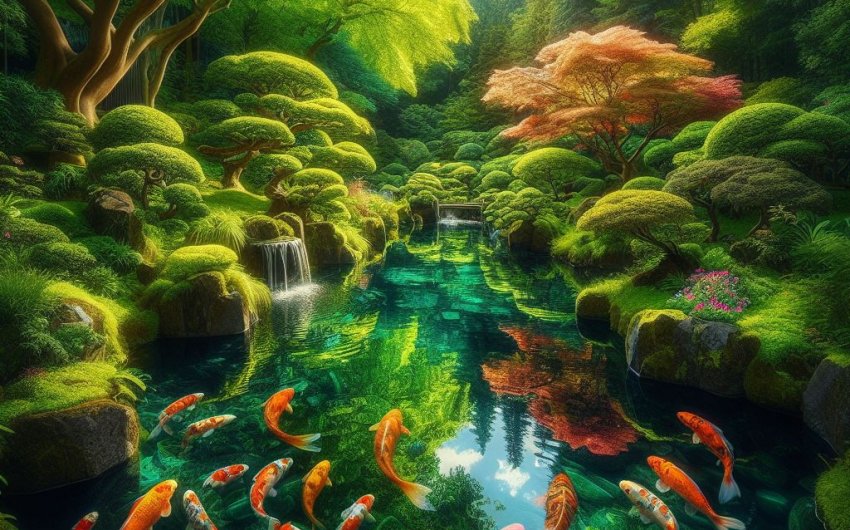
Creating a simple fish pond in the garden transforms your outdoor space into a tranquil oasis, offering soothing sounds, captivating visuals, and a haven for wildlife. With proper planning and relatively straightforward steps, anyone can enjoy the serene beauty and natural balance a garden pond provides. This guide outlines how to design, build, and maintain your aquatic sanctuary.
Why is a Simple Fish Pond Such a Tranquil Oasis in Your Garden?
A simple fish pond in the garden is far more than just a water feature; it’s a living, breathing ecosystem that profoundly impacts the atmosphere of your outdoor space. Its inherent beauty, soothing sounds, and active wildlife presence create a truly tranquil oasis, inviting relaxation and contemplation. Understanding why a simple fish pond is such a tranquil oasis reveals its deep appeal for any garden enthusiast.
What are the Proven Benefits of Water Features in a Garden?
The proven benefits of water features in a garden are extensive, ranging from profound psychological impacts to ecological advantages that enhance your entire outdoor space. Integrating elements like a simple fish pond transforms a garden into a serene, sensory rich environment. Understanding these advantages highlights how a tranquil oasis is created, enriching both nature and your personal well-being.
Here are the proven benefits of water features in a garden:
- Stress Reduction and Relaxation:
- Benefit: The gentle sound of trickling or bubbling water is inherently calming, lowering stress levels and inducing a sense of peace.
- How it works: Provides a form of "white noise" that can mask undesirable urban sounds, helping to create a more tranquil atmosphere for relaxation and meditation.
- Enhanced Aesthetic Appeal:
- Benefit: Water features add dynamic beauty, visual interest, and a unique focal point to any garden design. They introduce reflections, movement, and light play.
- How it works: Creates a captivating element that draws the eye and adds a touch of elegance or natural charm.
- Attracts Wildlife:
- Benefit: Provides an essential water source, drawing in a variety of beneficial insects, birds, frogs, and sometimes small mammals.
- How it works: Transforms your garden into a miniature ecosystem, increasing biodiversity and providing opportunities for wildlife observation.
- Natural Humidifier:
- Benefit: Water evaporating from a pond or fountain can slightly increase ambient humidity.
- How it works: Beneficial for surrounding plants, especially in dry climates.
- Cooling Effect:
- Benefit: Evaporation from the water's surface can create a subtle cooling effect in the immediate vicinity, making outdoor spaces more comfortable on hot days.
- How it works: A natural way to temper the microclimate.
- Sensory Enrichment:
- Benefit: Engages multiple senses – the soothing sound of water, the visual movement, the tactile experience of dipping a hand (if appropriate), and sometimes the scent of aquatic plants.
- How it works: Creates a more immersive and engaging garden experience.
- Increased Property Value:
- Benefit: A well-designed and maintained water feature can be a highly desirable landscape element, potentially increasing the curb appeal and market value of your home.
- How it works: A unique selling point for potential buyers.
- Educational Opportunities:
- Benefit: Provides a living classroom for children and adults to learn about aquatic ecosystems, fish, and beneficial insects.
- How it works: Fosters curiosity and a deeper understanding of nature.
- Focal Point and Design Anchor:
- Benefit: Can serve as a central design element around which the rest of your garden can be planned.
- How it works: Gives structure and purpose to your landscape.
What are the Joys of Having Fish in Your Garden Pond?
The joys of having fish in your garden pond are profound, transforming a simple water feature into a dynamic, interactive ecosystem that brings endless fascination and serenity. Their graceful movement and vibrant colors add a living dimension to your outdoor space. Understanding these unique pleasures highlights why a simple fish pond in the garden creates such a true tranquil oasis.
Here are the joys of having fish in your garden pond:
- Mesmerizing Visuals:
- Joy: Watching fish glide gracefully through the water, their vibrant colors (especially Koi or Goldfish) flashing beneath the surface, is incredibly captivating.
- How it works: Provides continuous, dynamic visual interest that is always changing.
- Soothing and Calming Presence:
- Joy: Observing fish can be a highly meditative and stress-reducing activity. Their calm movements contribute to the overall tranquility of the pond.
- How it works: Offers a peaceful focal point for contemplation and relaxation.
- Interaction and Connection:
- Joy: Fish can become surprisingly interactive. Over time, they may learn to recognize you, coming to the surface when you approach or when it's feeding time.
- How it works: Fosters a unique connection with nature and adds a sense of companionship.
- Educational for All Ages:
- Joy: Provides a fantastic opportunity to learn about aquatic life, ecosystems, and animal behavior.
- How it works: Engaging for children, teaching them responsibility and biology firsthand.
- Natural Pest Control (to some extent):
- Joy: Fish can help control mosquito larvae and other insect pests that might lay eggs in your pond.
- How it works: Reduces nuisance insects naturally.
- Adds Life and Vibrancy:
- Joy: The movement and presence of fish bring an undeniable sense of life and vibrancy to the pond, making it feel more alive and complete.
- How it works: Enhances the overall ecosystem of your garden.
- Sound Contribution:
- Joy: While not directly making sound, their presence enhances the subtle gurgle of the filter or fountain, connecting all elements of the pond's sensory experience.
- Conversation Starter:
- Joy: Fish are always a fascinating talking point for guests, drawing them to the pond.
- How it works: Adds unique character to your outdoor entertaining space.
How Do You Plan Your Simple Fish Pond?
To successfully create a simple fish pond in the garden, meticulous planning is the foundational step. Defining your vision, choosing the right location, and considering essential components from the outset ensure a harmonious and functional aquatic feature. Understanding how to plan your simple fish pond is crucial for building a true tranquil oasis that meets your expectations.
What are the Key Considerations for Pond Location and Size?
The key considerations for pond location and size are paramount in the planning phase, directly impacting your pond's health, maintenance, and visual integration into the garden. A poorly chosen site can lead to constant problems, while thoughtful selection sets the stage for a thriving simple fish pond in the garden. Understanding these factors is crucial for creating a true tranquil oasis.
Key Considerations for Pond Location:
- Sunlight Exposure (CRITICAL!):
- Ideal: Aim for a spot that receives 4-6 hours of direct sunlight per day, preferably morning sun.
- Avoid:
- Too Much Sun (8+ hours): Promotes excessive algae growth, makes water temperature fluctuate wildly, and stresses fish.
- Too Much Shade: Stunts growth of beneficial aquatic plants (which compete with algae) and can keep water too cold.
- Consideration: Deciduous trees can provide beneficial summer shade while allowing winter sun.
- Proximity to Trees:
- Ideal: Avoid placing directly under deciduous trees.
- Why: Falling leaves will constantly foul the water, decompose, release tannins (stain water), and add excess nutrients, leading to algae and poor water quality. Tree roots can also puncture pond liners.
- Consideration: If near trees, plan for a leaf net in fall or increased maintenance.
- Visibility:
- Ideal: Choose a location where you can easily see and enjoy the pond from your home (e.g., patio, deck, window) or a favorite seating area.
- Why: Maximizes your enjoyment of the water feature and fish.
- Slope and Drainage:
- Ideal: Choose a naturally level area, or an area that can be easily leveled. Ensure good surrounding drainage.
- Why: Prevents runoff from surrounding landscape from washing soil, fertilizers, and pesticides into your pond, which can introduce pollutants and trigger algae blooms.
- Proximity to Electricity and Water:
- Ideal: Locate near an outdoor electrical outlet (GFCI-protected) for pumps and filters, and a water spigot for refilling.
- Why: Simplifies installation and maintenance, avoiding long, unsightly, or hazardous electrical cords and hoses.
- Safety:
- Consideration: If you have small children or pets, ensure the pond depth and surrounding area are safe. Consider fencing or shallow shelves.
- Why: Prevents accidents.
Key Considerations for Pond Size and Depth:
- Available Space:
- Consideration: Be realistic about the footprint your garden can accommodate. Even a small pond (e.g., 4x6 feet) can be effective.
- Why: Don't try to cram a huge pond into a tiny space, which can look awkward.
- Desired Fish Population:
- Rule of Thumb: Allow at least 10 gallons of water per inch of adult fish (e.g., a 10-inch Koi needs 100 gallons). Goldfish need less, but still require space.
- Why: Overcrowding leads to poor water quality, stressed fish, and increased maintenance.
- Depth (Crucial for Fish Survival):
- Minimum Depth: For fish (especially Koi) to successfully overwinter in most climates, the pond needs a minimum depth of at least 2-3 feet (24-36 inches) in the deepest spot, to prevent the entire pond from freezing solid. In very cold climates, 3-4 feet may be needed.
- Why: A deeper pond provides a thermal refuge for fish during winter and helps stabilize water temperature fluctuations in summer.
- Consideration: Shallower depths (1-1.5 feet) are fine for plants only or for very mild climates where freezing is not an issue.
- Shape:
- Consideration: Formal (geometric) or informal (naturalistic, kidney-shaped). Formal ponds suit modern or structured gardens; informal ponds blend better with natural landscapes.
- Why: Affects aesthetics and construction ease.
What are the Essential Components of a Healthy Pond Ecosystem?
To ensure your simple fish pond in the garden thrives as a true tranquil oasis, understanding the essential components of a healthy pond ecosystem is paramount. It’s about creating a balanced environment where fish, plants, and microorganisms work together to maintain clear water and vibrant life. Each element plays a crucial role in preventing problems and fostering ecological harmony.
Here are the essential components of a healthy pond ecosystem:
- Pond Liner (or Pre-formed Pond):
- Purpose: Forms the waterproof basin of the pond, holding the water.
- Types:
- Flexible Liner: EPDM rubber (most durable, flexible), PVC (less durable, cheaper). Best for custom shapes. A large pond liner EPDM is a good investment.
- Pre-formed Pond: Rigid plastic or fiberglass shells. Good for simple, smaller shapes.
- Importance: Essential for preventing water leakage.
- Substrate (Optional but Beneficial):
- Purpose: A layer of gravel or sand at the bottom of the pond.
- Benefits: Provides surface area for beneficial bacteria, protects pond liner, gives a natural look, and provides cover for fish.
- Caution: Too thick a layer can trap debris and create anaerobic zones.
- Water (Dechlorinated):
- Purpose: The medium for aquatic life.
- Importance: Tap water contains chlorine/chloramine which is harmful to fish and beneficial bacteria.
- Action: Always use a pond dechlorinator when filling or topping up the pond.
- Filtration System (Mechanical and Biological):
- Purpose: Cleans the water, removes debris, and breaks down toxic waste products.
- Types:
- Mechanical Filter: Physically removes solid debris (leaves, fish waste) from the water. (e.g., filter pads, sponges).
- Biological Filter: Provides surface area for beneficial bacteria to convert toxic ammonia and nitrites into less harmful nitrates. (e.g., bio-balls, lava rock, filter media).
- Importance: Absolutely essential for clear water and fish health. A pond filter kit with pump is a common choice.
- Pond Pump:
- Purpose: Circulates water through the filter, waterfalls, and/or fountains, ensuring oxygenation.
- Importance: Critical for water quality and aeration.
- Aeration (Oxygenation):
- Purpose: Supplies vital oxygen to fish and beneficial bacteria.
- Methods: Provided by the pump circulating water, a pond aerator kit (air pump with air stone), or waterfalls/fountains.
- Importance: Essential for fish survival, especially in warm weather when oxygen levels drop.
- Aquatic Plants (Oxygenators, Marginals, Lilies):
- Purpose: Beautify the pond, provide shade, compete with algae for nutrients, and oxygenate the water.
- Types:
- Submerged (Oxygenators): Live entirely underwater, release oxygen (e.g., Anacharis, Hornwort).
- Marginals: Grow in shallow water at the edges (e.g., cattails, irises, taro).
- Floating: Cover the surface, provide shade (e.g., Water Hyacinth, Water Lettuce).
- Lilies: Provide shade and beautiful blooms.
- Importance: Key to a balanced ecosystem and algae control. A selection of pond plants live helps create this balance.
- Beneficial Bacteria:
- Purpose: Microorganisms that break down fish waste, uneaten food, and other organic matter into less harmful compounds (the nitrogen cycle).
- Importance: Essential for maintaining good water quality and clarity.
- Action: Add liquid beneficial bacteria for ponds regularly, especially when starting a new pond or after cleaning.
- Fish (If Desired):
- Purpose: Add life, color, and interaction.
- Types: Goldfish (various types), Koi.
- Importance: Ensure proper pond size and filtration for your chosen fish.
- Rocks and Edging:
- Purpose: Define the pond's perimeter, provide habitat, and blend it into the landscape.
- Importance: Aesthetics and function.
How Do You Build a Simple Fish Pond Step-by-Step?
To transform your garden into a tranquil oasis, knowing how to build a simple fish pond step-by-step makes the process accessible and achievable for any DIY enthusiast. From excavation to liner installation and filling, each stage is crucial for a functional and beautiful aquatic feature. This guide demystifies construction, ensuring your simple fish pond in the garden is a success.
Step-by-Step Excavation and Liner Installation
Step-by-step excavation and liner installation are the foundational stages of building a simple fish pond in the garden, physically shaping the basin and ensuring its waterproof integrity. Precision and care during these initial phases are critical for long-term success, setting the stage for a thriving aquatic tranquil oasis.
Step-by-Step Excavation:
- Mark the Pond Shape:
- Action: Use a garden hose, rope, or spray paint to outline the desired shape of your pond on the ground. Step back and check from different angles to ensure you like the shape.
- Why: Provides a clear guide for digging.
- Start Digging:
- Action: Begin excavating the main basin of the pond. Start digging from the edges inwards.
- Why: Easier to remove soil.
- Create Shelves/Terraces:
- Action: As you dig deeper, create horizontal shelves or terraces at different depths.
- Why: These shelves are crucial for:
- Plant Placement: Shallow shelves (6-12 inches deep) are perfect for marginal aquatic plants.
- Fish Safety: Provide resting spots and escape routes for fish, especially from predators.
- Liner Placement: Helps the liner conform to the shape and provides places to hide excess liner.
- Dig the Deepest Section:
- Action: Continue digging to the desired deepest point for your pond (remember minimum 2-3 feet for overwintering fish).
- Why: Ensures adequate depth for fish and water volume.
- Remove Rocks and Debris:
- Action: As you dig, carefully remove all rocks, roots, sharp sticks, or any other debris from the pond basin.
- Why: Even small sharp objects can puncture the pond liner.
- Check for Levelness:
- Action: Use a long, straight board and a level to check that the pond edges are perfectly level all the way around. Adjust as needed.
- Why: Ensures the water level will be even and the liner will be properly installed.
- Add Underlayment (Crucial!):
- Action: Line the entire excavated pond basin with a layer of pond underlayment fabric (geotextile) or old carpet/newspapers.
- Why: Provides a protective cushion between the soil and the pond liner, preventing punctures from sharp objects or roots. A pond underlayment fabric is a worthwhile investment.
Step-by-Step Liner Installation:
- Position the Liner:
- Action: Carefully unfold the pond liner and drape it over the entire excavated hole, ensuring it overlaps significantly onto the surrounding ground on all sides.
- Why: Allows for flexibility in positioning and creates a generous edge for securing.
- Smooth Out Wrinkles (as much as possible):
- Action: Gently push the liner into the shelves and contours of the pond, trying to minimize large wrinkles or folds. Work from the center outwards.
- Why: Smaller wrinkles are fine and will mostly disappear when filled with water. Large folds can be visually distracting.
- Fill with Water (Slowly):
- Action: Begin slowly filling the pond with water. As the pond fills, the weight of the water will press the liner into the shape of the excavation.
- Why: Helps the liner conform and reduces wrinkles.
- Adjust Liner During Filling:
- Action: As the pond fills, continue to make small adjustments to the liner, pulling gently on the edges to ease out any large folds or wrinkles, especially on shelves.
- Why: Optimizes the liner's fit.
- Secure the Edges:
- Action: Once the pond is filled to the desired level, let it settle for a day. Then, trim any excess liner, leaving a generous overlap (6-12 inches) beyond the pond's edge. You can then anchor this edge by digging a small trench and burying it, or by covering it with rocks, pavers, or turf.
- Why: Secures the liner, prevents water loss from capillary action, and provides a finished look.
How Do You Install the Pond Pump and Filtration System?
Installing the pond pump and filtration system is a vital stage in creating a simple fish pond in the garden, as these components are crucial for maintaining water quality and clarity. Proper setup ensures a healthy aquatic environment for fish and plants. Understanding how to install them is fundamental to a thriving tranquil oasis.
Step-by-Step Installation of Pond Pump and Filtration System:
- Choose the Right Pump and Filter:
- Action: Select a pond pump with a flow rate (GPH - gallons per hour) sufficient to circulate the entire pond's volume at least once every 1-2 hours.
- Filter Type: Choose a suitable pond filter (pressurized, gravity-fed, or in-pond) with both mechanical (sponges/pads) and biological (bio-balls, lava rock) filtration stages.
- Why: Adequate filtration and circulation are critical for clear, healthy water and fish survival.
- Position the Pump:
- Action: Place the pump in the deepest part of the pond, or on a raised platform (e.g., a brick) to keep it off the bottom sediment.
- Why: This ensures it draws water effectively from where debris settles and prevents it from clogging quickly.
- Connect the Pump to the Filter:
- Action: Attach the flexible tubing from the pump's outlet to the inlet of your chosen filter. Use appropriate hose clamps to secure connections.
- Why: Ensures a watertight connection for efficient water flow.
- Install the Filter:
- Action:
- External Filter (Pressurized/Gravity): Place the filter discreetly outside the pond, often partially buried or hidden behind rocks/plants. Ensure it's level. The filtered water returns to the pond, often via a waterfall or stream.
- In-Pond Filter: Place the filter directly in the pond, usually on a shelf or the bottom. Ensure its outlet creates good water movement.
- Why: Optimal filter placement ensures it can effectively clean the water and, for external filters, provides aesthetic integration.
- Action:
- Connect Electricals (CRITICAL SAFETY STEP!):
- Action: Run the pump's electrical cord discreetly and safely to a dedicated, GFCI (Ground Fault Circuit Interrupter)-protected outdoor electrical outlet.
- Why: Water and electricity are a dangerous combination. GFCI protection is essential for preventing electrocution. Never use indoor extension cords outdoors. Always use weatherproof connections.
- Consult Electrician: If you are unsure about outdoor electrical wiring, consult a licensed electrician.
- Create Water Return (Waterfall/Fountain - Optional):
- Action: Direct the filtered water return to create a waterfall, stream, or fountain effect. This adds sound and aesthetic appeal.
- Why: Waterfalls and fountains also provide crucial aeration, adding oxygen to the water for fish health. Use a pond waterfall kit for easy setup.
- Test the System:
- Action: Plug in the pump and switch on the power. Check all connections for leaks and ensure water is circulating correctly.
- Why: Verifies proper operation before adding fish.
- Add Substrate and Rocks (Optional):
- Action: Add a thin layer (1-2 inches) of clean, non-limestone gravel to the bottom of the pond (if desired for natural look). Place larger rocks to hide liner edges, create shelves, or anchor plants.
- Why: Provides surface area for beneficial bacteria and enhances aesthetics.
How Do You Choose and Care for Fish and Plants?
To establish a thriving simple fish pond in the garden, carefully choosing and caring for fish and plants is crucial. Their health and balance directly impact water quality and the overall ecosystem. Understanding how to choose and care for fish and plants is vital for maintaining a vibrant and harmonious tranquil oasis that remains a source of joy.
What are the Best Fish and Aquatic Plants for a Simple Pond?
For a balanced and beautiful simple fish pond in the garden, selecting the best fish and aquatic plants is fundamental. Their compatibility, size, and contribution to the ecosystem ensure a thriving aquatic environment. Understanding these choices is key to creating a tranquil oasis that is both aesthetically pleasing and easy to maintain.
Best Fish for a Simple Pond:
- Goldfish (e.g., Comets, Shubunkins):
- Why they're great: The most popular choice for beginner ponds. Hardy, relatively small (5-10 inches), tolerate a wide range of water conditions, and come in various colors.
- Care: Easy to care for, peaceful, social.
- Pond Size: Require at least 10-20 gallons per fish as adults.
- Consideration: Can reproduce quickly. A starter pond goldfish pack is a good beginning.
- Koi (Cyprinus carpio):
- Why they're great: Highly prized for their vibrant colors and graceful movements. They become very tame and interactive.
- Care: Require larger ponds, excellent filtration, and more advanced care than goldfish.
- Pond Size: Need a minimum of 250-500 gallons per fish (for full-grown adults that can reach 2-3 feet!). A simple pond may not be suitable for many Koi.
- Consideration: Best for dedicated Koi ponds due to size and waste production.
- Rosy Reds (Fathead Minnows):
- Why they're great: Small, active, schooling fish often used as dither fish or feeders.
- Care: Very hardy, reproduce readily.
- Pond Size: Can live in smaller ponds.
- Consideration: Primarily for their activity or as part of a larger ecosystem.
- Rule of Thumb for Fish Stocking: 1 inch of adult fish per 10 gallons of water (for goldfish). For Koi, it's significantly more. Avoid overcrowding.
Best Aquatic Plants for a Simple Pond:
Aquatic plants are essential for pond health, helping to balance the ecosystem and compete with algae for nutrients. Aim for a mix of types covering 30-50% of the pond's surface area.
- Submerged (Oxygenators):
- What they are: Grow completely underwater. Absorb nutrients from the water and release oxygen, especially during the day.
- Examples: Anacharis, Hornwort, Cabomba.
- Benefits: Crucial for water quality and providing oxygen for fish.
- Placement: Weighted and placed at the bottom or on shelves. You can buy pond oxygenating plants online.
- Marginal Plants:
- What they are: Grow in shallow water at the edges or on shelves, with their roots in water and foliage above.
- Examples: Cattails (can be aggressive), Irises (Louisiana, Japanese), Pickerelweed, Taro (Elephant Ear), Horsetail, Canna Lilies (some varieties).
- Benefits: Add height and texture, provide habitat and spawning areas for fish, absorb nutrients.
- Placement: In aquatic plant pots on shelves.
- Floating Plants:
- What they are: Roots dangle in the water; leaves float on the surface.
- Examples: Water Hyacinth, Water Lettuce, Duckweed (can be aggressive).
- Benefits: Provide shade (reduces algae), absorb nutrients directly from the water.
- Consideration: Can multiply very quickly. Can be invasive in some regions.
- Water Lilies (Hardy and Tropical):
- What they are: Iconic pond plants with beautiful blooms and large floating leaves.
- Benefits: Provide excellent shade (crucial for algae control and fish protection), add stunning beauty and fragrance.
- Placement: Planted in containers at the bottom of the pond or on deeper shelves. A hardy water lily live plant is a great choice.
- Consideration: Hardy lilies overwinter in the pond; tropical lilies must be removed or treated as annuals in cold climates.
What are the Essential Steps for Pond Maintenance and Water Quality?
To sustain a healthy and beautiful simple fish pond in the garden, mastering the essential steps for pond maintenance and water quality is paramount. Consistent care, rather than sporadic efforts, ensures the ecosystem remains balanced, clear, and safe for its inhabitants. These practices are crucial for long-term enjoyment of your tranquil oasis.
Here are the essential steps for pond maintenance and water quality:
- Maintain Water Levels:
- Action: Regularly top up the pond to compensate for evaporation, especially during hot, dry weather.
- Caution: Always use dechlorinated water when topping up (add a pond dechlorinator). Rapid changes in water chemistry can stress fish.
- Why: Evaporation reduces water volume, which can stress fish and damage pumps.
- Clean Filters Regularly:
- Action: Follow manufacturer's instructions for your specific filter type. This usually involves rinsing mechanical filter media (sponges, pads) and occasionally cleaning biological media (avoid harsh chemicals).
- Why: Clogged filters cannot effectively remove debris or process waste, leading to poor water quality.
- Perform Partial Water Changes (When Needed):
- Action: If algae is persistent or water tests show high nitrates, remove about 10-25% of the pond water and replace it with fresh, dechlorinated water.
- Why: Reduces buildup of pollutants and refreshes the water.
- Manage Algae (The Ongoing Battle):
- Prevention is Key:
- Shade: Ensure adequate surface coverage (30-50%) from floating plants (lilies, water lettuce) to block sunlight.
- Nutrient Control: Don't overfeed fish. Avoid runoff from fertilized lawns/gardens. Use aquatic plants to compete for nutrients.
- Good Filtration: A strong filter and pump help keep water clear.
- Treatment (If Severe):
- Manual Removal: Skim string algae with a net.
- UV Sterilizer: Can help control green water algae. A pond UV sterilizer is an option.
- Algaecides (Last Resort): Use sparingly and cautiously, as they can sometimes harm fish or desirable plants.
- Prevention is Key:
- Test Water Parameters (Regularly):
- Action: Use a pond test kit to regularly check:
- pH: Ideal is generally 7.0-8.0 for most pond fish.
- Ammonia, Nitrite, Nitrate: These indicate the health of your biological filter and nutrient levels. Ammonia and nitrite are highly toxic to fish.
- Oxygen: Crucial for fish survival.
- Why: Early detection of water quality issues allows for prompt correction before fish become stressed.
- Action: Use a pond test kit to regularly check:
- Feed Fish Appropriately:
- Action: Feed fish small amounts of high-quality fish food for ponds once or twice a day, only what they can consume in a few minutes.
- Why: Overfeeding leads to excess waste, which degrades water quality and promotes algae. Stop feeding when water temperatures drop below 50°F (10°C) in fall.
- Manage Plant Growth:
- Action: Trim back aggressive aquatic plants to prevent them from taking over the pond or becoming too dense.
- Why: Maintains balance and aesthetics.
- Fall/Winter Preparation (for Cold Climates):
- Action: Remove fallen leaves promptly with a net. Trim back dying aquatic plants. Install a pond de-icer or aerator to keep a hole in the ice for gas exchange if fish are overwintering.
- Why: Prevents toxic gas buildup under ice, ensures fish survival.
What Are Common Pond Problems and How to Solve Them?
Even a simple fish pond in the garden can encounter common pond problems, from cloudy water to algae blooms. Proactive identification and targeted solutions are crucial for maintaining its health and clarity. Understanding how to solve these problems is essential for preserving your tranquil oasis and ensuring the well-being of its inhabitants.
How Do You Clear Green Water and Algae Blooms?
Clearing green water and algae blooms is one of the most frequent challenges for a simple fish pond in the garden, as these unsightly growths can quickly diminish its clarity and appeal. Addressing this persistent problem requires a multi-faceted approach, targeting both existing algae and the underlying nutrient imbalances. Understanding how to clear green water and algae blooms is key to restoring your tranquil oasis.
Causes of Green Water and Algae Blooms:
- Excess Nutrients: This is the primary cause. Algae thrive on nutrients (especially nitrates and phosphates) from fish waste, uneaten food, decaying plant matter, and runoff from fertilized gardens.
- Too Much Sunlight: Direct, intense sunlight fuels algae growth through photosynthesis.
- Insufficient Aquatic Plants: Not enough desirable plants to compete with algae for nutrients.
- Overfeeding Fish: Creates excess fish waste and uneaten food.
- Inadequate Filtration: Filter not working efficiently to remove nutrients or debris.
How to Clear Green Water and Algae Blooms (Treatment Strategies):
- Reduce Nutrients (Most Important Long-Term Solution):
- Action:
- Stop Overfeeding Fish: Feed only what fish can consume in 2-3 minutes, once or twice a day. Stop feeding if water temperature drops below 50°F (10°C).
- Remove Debris: Promptly skim out fallen leaves, dead plant material, and uneaten fish food.
- Avoid Runoff: Ensure your pond is protected from runoff from fertilized lawns or garden beds.
- Perform Partial Water Changes: If nitrates are high (check with pond test kit), remove 10-25% of the water and replace with fresh, dechlorinated water.
- Action:
- Increase Shade:
- Action: Add more floating plants (e.g., water hyacinth, water lettuce, water lilies) to cover 30-50% of the pond's surface.
- Why: Blocks sunlight, depriving algae of the energy it needs to photosynthesize.
- Long-Term: Consider planting a shade tree (away from the pond to avoid leaves) or installing a pergola.
- Introduce More Aquatic Plants (Especially Oxygenators):
- Action: Plant submerged oxygenating plants (Anacharis, Hornwort) and marginals.
- Why: These plants compete directly with algae for the same nutrients in the water, starving the algae.
- Improve Filtration:
- Action: Ensure your mechanical filter is cleaned regularly. Verify your biological filter has sufficient surface area for beneficial bacteria. Consider upgrading your filter or pump if inadequate.
- Why: A well-functioning filter removes debris and processes nutrients more efficiently.
- Use a UV Sterilizer (for Green Water Algae):
- Action: Install an in-line pond UV sterilizer into your filtration system.
- Why: UV light kills single-celled green algae as water passes through, clearing green water rapidly.
- Consideration: It's a short-term fix for green water; it doesn't address the underlying nutrient cause of algae blooms.
- Beneficial Bacteria Additives:
- Action: Add liquid beneficial bacteria for ponds regularly.
- Why: Boosts the biological filtration capacity of your pond, helping to break down excess nutrients.
- Algaecides (Use as a Last Resort, with Caution):
- Action: If all else fails, use a pond-safe algaecide according to label directions.
- Caution: Algaecides kill algae quickly, but the sudden death of a large amount of algae can deplete oxygen levels, harming fish. Always follow instructions, ensure good aeration, and be prepared for potential follow-up maintenance to remove dead algae. They do not fix the root cause.
How Do You Address Leaks and Maintain Fish Health?
For a consistently thriving simple fish pond in the garden, effectively addressing leaks and maintaining fish health are paramount. Leaks waste water and money, while sick fish indicate an imbalance in the aquatic environment. Proactive monitoring and targeted solutions are crucial for preserving your tranquil oasis and its inhabitants.
Addressing Leaks:
- Symptoms of a Leak:
- Rapid Water Loss: Pond water level drops significantly faster than normal evaporation (evaporation can be 1/4 to 1/2 inch per day in hot, windy weather).
- Consistently Damp Areas: The ground around the pond is always wet, or there's standing water outside the liner.
- How to Find a Leak:
- Check Around Edges First: The most common place for leaks is at the waterline. Ensure the pond liner is correctly overlapping the edge and that there are no gaps where water can escape through capillary action (where water wicks out of the pond). Check for liner damage around rocks or edges.
- Check Waterfalls/Streams: Turn off your pump. If the water level stops dropping at a certain point, the leak is likely in the waterfall or stream section above that level. Inspect the liner and connections in those areas.
- Isolate the Pump/Filter: Turn off the pump for 24-48 hours. If the water level stops dropping, the leak is in the filtration/circulation system (e.g., pump housing, tubing, filter unit).
- Inspect Liner: If the leak isn't in the edges or equipment, you may need to slowly drain the pond and inspect the liner for punctures or tears.
- How to Fix a Leak:
- Repair Liner: For small punctures, use a pond liner patch kit.
- Re-adjust Liner: Re-bury edges or re-level rocks to prevent capillary leaks.
- Repair Equipment: Replace faulty pump parts or tubing.
Maintaining Fish Health:
- Symptoms of Unhealthy Fish:
- Changes in Behavior: Lethargy, erratic swimming, flashing (rubbing against objects), gasping at the surface, hiding excessively.
- Physical Changes: Fin rot, ulcers, white spots (Ich), clamped fins, swollen belly, scales sticking out.
- How to Maintain Fish Health (Prevention is Key):
- Maintain Excellent Water Quality: This is the most crucial factor.
- Test Water Regularly: Use a pond water test kit for pH, ammonia, nitrite, and nitrate. Keep levels stable and within safe ranges.
- Adequate Filtration: Ensure your mechanical and biological filters are working efficiently.
- Proper Aeration: Ensure sufficient oxygenation (from pump, waterfall, or aerator).
- Avoid Overcrowding:
- Action: Do not put too many fish in your pond for its size.
- Why: Overcrowding leads to rapid deterioration of water quality and increased stress on fish.
- Feed Appropriately:
- Action: Feed high-quality pond fish food once or twice a day, only what they can consume in a few minutes.
- Why: Overfeeding leads to excess waste, polluting the water.
- Quarantine New Fish:
- Action: If introducing new fish, ideally quarantine them in a separate tank for 2-3 weeks to observe for signs of disease before adding them to your main pond.
- Why: Prevents introducing diseases to your existing fish.
- Provide Shelter:
- Action: Ensure fish have places to hide (dense aquatic plants, rock caves) from predators and intense sun.
- Why: Reduces stress.
- Disease Treatment (If Necessary):
- Action: For specific diseases (e.g., Ich - white spot disease), use pond-safe treatments according to instructions.
- Caution: Many treatments require careful dosage and monitoring, and some can harm beneficial bacteria in your filter. Always diagnose before treating.
- Maintain Excellent Water Quality: This is the most crucial factor.
By thoughtfully planning, building, and diligently maintaining a simple fish pond in the garden, you create a living, breathing tranquil oasis that enhances your outdoor space for years. From the soothing sounds of water to the captivating presence of fish, understanding these steps helps you manage common problems and ensure a harmonious ecosystem, transforming your garden into a cherished sanctuary.