
Graceful Statues Adorning Gardens: A Tribute to Nature's Beauty
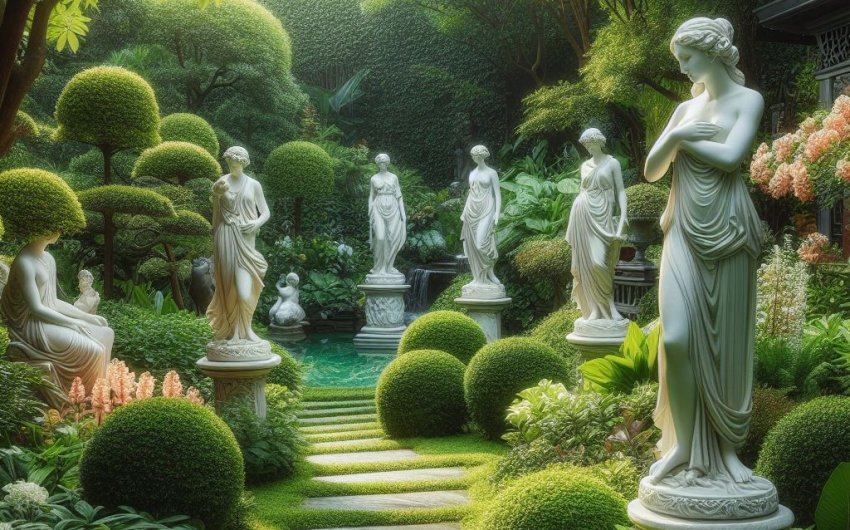
Graceful statues adorning gardens serve as timeless focal points, adding character, beauty, and a deeply personal touch to any outdoor space. These sculptural elements create a profound tribute to nature's beauty by blending art with horticulture, enhancing the ambiance and drawing the eye. This guide explores how to select, place, and care for garden statues to elevate your landscape design.
Why Do Garden Statues Enhance the Outdoor Experience?
Garden statues do more than just fill space; they infuse an outdoor setting with personality, history, and a sense of wonder, profoundly enhancing the overall experience. These graceful statues adorning gardens transform a simple landscape into a curated art display, offering a timeless tribute to nature's beauty. Understanding their impact reveals how they elevate ambiance and personal connection.
What are the Aesthetic and Emotional Benefits of Garden Statues?
The aesthetic and emotional benefits of garden statues are extensive, turning a simple outdoor space into a dynamic, reflective, and deeply personal sanctuary. By incorporating these graceful statues adorning gardens, you not only elevate visual appeal but also evoke feelings, memories, and a connection to art and nature. These advantages highlight how they create a powerful tribute to nature's beauty.
Here are the aesthetic and emotional benefits of garden statues:
- Creates Focal Points:
- Benefit: Statues draw the eye and provide a clear point of interest in the garden, guiding visitors through the landscape.
- How it works: Gives structure and purpose to a garden design, breaking up monotonous expanses and highlighting specific areas.
- Adds Character and Personality:
- Benefit: Reflects the gardener's individual taste, interests, and style, making the garden feel unique and personal.
- How it works: A whimsical gnome brings playfulness, a classic angel evokes serenity, a modern sculpture adds sophistication.
- Evokes Emotion and Reflection:
- Benefit: Certain statues can inspire feelings of peace, wonder, contemplation, joy, or nostalgia. They can serve as memorials or symbols of personal significance.
- How it works: Creates a deeper, more meaningful connection between the individual and their garden space.
- Enhances Aesthetic Appeal and Ambiance:
- Benefit: Introduces an element of artistry and craftsmanship, complementing natural plantings with man-made beauty. They add texture, form, and sometimes color contrast.
- How it works: Elevates the overall visual quality and atmosphere of the garden, making it feel more refined or enchanting.
- Provides Year-Round Interest:
- Benefit: Unlike many plants that are seasonal, statues provide visual interest throughout all four seasons, even in winter when plants are dormant.
- How it works: Ensures the garden remains engaging and beautiful year-round.
- Creates a Sense of History and Permanence:
- Benefit: Classic statues can evoke a sense of tradition and timelessness, making the garden feel established and enduring.
- How it works: Adds a layer of depth and narrative to the landscape.
- Guides the Eye and Defines Spaces:
- Benefit: Strategically placed statues can direct views, define different "rooms" within a larger garden, or mark transitions between areas.
- How it works: Enhances the garden's flow and layout.
- Blends Art with Nature:
- Benefit: Offers a harmonious blend of human creativity and the organic beauty of the natural world.
- How it works: Creates a symbiotic relationship where each enhances the other.
- Surprise and Discovery:
- Benefit: Placing smaller statues in unexpected nooks or partially hidden among foliage creates a sense of delightful surprise and encourages exploration.
- How it works: Adds an element of playfulness and discovery to the garden experience.
What Role Do Garden Statues Play in Garden Design and Narrative?
Garden statues play a multifaceted role in garden design and narrative, serving as silent storytellers and architectural anchors within the landscape. Beyond mere decoration, these graceful statues adorning gardens guide the eye, evoke specific themes, and contribute to the overall ambiance, creating a powerful tribute to nature's beauty. Understanding their function elevates a garden from a collection of plants to a thoughtful composition.
Here's what role garden statues play in garden design and narrative:
- Creates Focal Points and Visual Anchors:
- Design Role: A statue can be the primary focal point of a garden bed, at the end of a pathway, in the center of a courtyard, or within a water feature. It gives the eye a place to rest.
- Narrative Role: It can signal the "start" or "end" of a garden room, or draw attention to a particularly beautiful vista.
- Guides the Eye and Directs Flow:
- Design Role: Strategic placement can lead visitors through the garden, creating anticipation or drawing attention to a specific area. A series of smaller statues can create a visual path.
- Narrative Role: Helps tell the story of the garden, inviting exploration and discovery as one moves from one element to the next.
- Establishes Theme and Style:
- Design Role: The style, material, and subject of a statue instantly communicate a garden's theme (e.g., classical, whimsical, spiritual, modern, Asian-inspired).
- Narrative Role: Sets the mood and tone. A Buddha statue evokes tranquility, gargoyles hint at gothic charm, abstract modern pieces suggest contemporary thought.
- Adds Vertical Interest and Structure:
- Design Role: In a garden often dominated by horizontal lines of beds, a statue provides crucial verticality, especially in winter when deciduous plants are bare.
- Narrative Role: Gives permanence and structure to an ever-changing living landscape.
- Creates "Garden Rooms" and Defines Spaces:
- Design Role: Statues can serve as visual markers, helping to define separate areas or "rooms" within a larger garden, giving each its own purpose and feel.
- Narrative Role: Marks transitions, creating a sense of journey and progression.
- Introduces Texture, Form, and Color (Man-Made Elements):
- Design Role: Adds a contrasting element to the soft, organic textures of plants. The material itself (bronze, stone, concrete) introduces new textures and colors.
- Narrative Role: Blends human artistry with natural beauty, enhancing the overall sensory experience.
- Offers Moments of Reflection and Contemplation:
- Design Role: Placing a statue in a quiet, secluded spot with a bench or seating area.
- Narrative Role: Invites pause, introspection, and a deeper connection to the symbolism or beauty of the piece, allowing the garden to tell a personal story.
- Provides a Sense of Age and History:
- Design Role: Statues, especially those with weathered patinas or classical forms, can give a newly established garden a sense of timelessness.
- Narrative Role: Can make the garden feel as if it has always existed, adding depth and narrative weight.
- A Tribute to Nature Itself:
- Design Role: Statues depicting animals, mythical creatures, or figures interacting with nature directly reinforce the garden's connection to the natural world.
- Narrative Role: Emphasizes the gardener's appreciation for and tribute to nature's beauty.
How Do You Select the Perfect Garden Statue?
To truly make your garden design sing, selecting the perfect garden statue is a thoughtful process that considers both personal aesthetic and functional placement. The right piece will elevate your outdoor space, adding character and visual interest. Understanding how to select the perfect garden statue is key to finding those graceful statues adorning gardens that offer a timeless tribute to nature's beauty.
What Material and Style Best Suit Your Garden's Theme?
To choose the ideal accent for your outdoor space, considering what material and style best suit your garden's theme is paramount. The statue's physical properties and aesthetic align with your existing landscape, creating a harmonious and impactful design. Understanding this synergy is crucial for selecting the perfect garden statue that truly offers a tribute to nature's beauty.
Material Considerations for Garden Statues:
- Stone (Natural Stone, Cast Stone):
- Natural Stone (Granite, Marble, Limestone):
- Pros: Highly durable, timeless, natural look, develops beautiful patina, unique.
- Cons: Very heavy, expensive, can be difficult to move. Can crack in extreme freeze-thaw cycles if not properly drained/protected.
- Style Match: Classical, traditional, formal, serene, high-end.
- Cast Stone (Concrete):
- Pros: More affordable than natural stone, still very durable and heavy (less prone to theft/toppling). Can be molded into intricate designs. Can mimic natural stone. Develops natural patina.
- Cons: Heavy, can crack if water freezes inside.
- Style Match: Versatile – from classical figures to whimsical animals. Most common for typical garden statues. A cast stone garden angel is a popular choice.
- Natural Stone (Granite, Marble, Limestone):
- Metal (Bronze, Copper, Wrought Iron, Aluminum):
- Bronze:
- Pros: Extremely durable, develops a rich green/blue patina over time (verdigris). High-end, classic.
- Cons: Very expensive, heavy.
- Style Match: Classical, traditional, formal, modern abstract.
- Copper:
- Pros: Develops a beautiful blue-green patina. Lighter weight than bronze.
- Cons: Can be expensive.
- Style Match: Naturalistic, whimsical, some modern.
- Wrought Iron:
- Pros: Durable, strong, allows for intricate scrollwork.
- Cons: Prone to rust if not painted or treated.
- Style Match: Traditional, rustic, cottage, European. A wrought iron garden stake bird adds a charming touch.
- Aluminum:
- Pros: Lightweight, rust-resistant, can be cast into intricate shapes, often painted.
- Cons: Can be less substantial than other metals.
- Style Match: Modern, contemporary, painted whimsy.
- Bronze:
- Resin/Fiberglass:
- Pros: Lightweight, affordable, weather-resistant, can be molded to mimic stone or metal. Huge variety of styles and finishes.
- Cons: Can be less durable than stone/metal, may fade or crack over many years. Can sometimes look less "authentic." Lighter weight means prone to toppling in wind.
- Style Match: Extremely versatile – from realistic animals to whimsical fairies, classical busts, or abstract modern pieces. A lightweight resin garden gnome is easy to move.
- Terracotta/Ceramic:
- Pros: Natural, rustic, earthy tones. Affordable.
- Cons: Fragile, prone to cracking in freeze-thaw cycles. Often not weatherproof.
- Style Match: Mediterranean, rustic, cottage, informal. (Best for pots, but some statues exist).
Style Match to Garden Theme:
- Formal/Traditional Gardens: Classical figures (angels, muses, busts), urns, symmetrical designs, bronze or natural stone.
- Cottage/English Gardens: Whimsical creatures (rabbits, birds), cherubs, weathered concrete, terracotta, birdbaths, sundials.
- Modern/Minimalist Gardens: Abstract forms, geometric shapes, polished metals (stainless steel, bronze), smooth concrete.
- Asian-Inspired Gardens: Buddha statues, pagodas, lanterns, natural stone, weathered finishes.
- Naturalistic/Wildlife Gardens: Realistic animal sculptures, birdbaths, pieces that blend into foliage.
- Mediterranean/Desert Gardens: Terracotta, brightly painted ceramic (Talavera accents), rustic stone.
What are the Best Size and Scale Considerations for Statues?
The best size and scale considerations for statues are paramount in ensuring they complement your garden, rather than overwhelming or getting lost in the landscape. A well-proportioned piece dramatically enhances its visual impact and integration. Understanding these factors is crucial for selecting the perfect garden statue that truly offers a tribute to nature's beauty.
Here are the best size and scale considerations for statues:
- Consider the Size of Your Garden:
- Large Gardens: Can accommodate larger, more imposing statues. A small statue will get lost in a vast space.
- Small Gardens/Courtyards: Require smaller, more delicate pieces to avoid overwhelming the space. Overly large statues will make a small garden feel cramped.
- Action: Take measurements of the intended location.
- Relationship to Surrounding Plants and Features:
- Height: The statue's height should be proportionate to the plants around it.
- If it's a focal point, it should be tall enough to stand out but not so tall it dwarfs everything.
- If partially hidden, its visible portion should be appropriate.
- Width/Bulk: Consider how wide or bulky the statue is in relation to the space. A wide statue in a narrow bed will look awkward.
- Action: Think about the "visual weight" of the statue. Will it balance the surrounding elements?
- Height: The statue's height should be proportionate to the plants around it.
- Viewing Distance:
- Close Viewing (Paths, Beds): Smaller, more intricate statues are suitable for areas where people will get up close and appreciate the detail.
- Distant Viewing (Across Lawn, from Deck): Larger, bolder statues or those with simpler forms are better for distant viewing, as intricate details would be lost.
- Action: Stand at various points in your garden where the statue would be visible to gauge its impact.
- Focal Point vs. Subtle Accent:
- Focal Point: If the statue is intended as a main feature, it should be substantial enough to command attention and be in a prominent location. Its size might be on the larger side for your garden.
- Subtle Accent: Smaller statues can be tucked into foliage, on a stepping stone, or in a quiet nook to create moments of discovery. Their size should be more discreet.
- Proportion to Human Scale (Often Overlooked):
- Impact: If a human figure is too small (e.g., a tiny child statue in a large open lawn), it can look out of place or even comical. Similarly, an overly large animal statue can seem out of proportion.
- Consideration: Think about how the statue relates to the human scale of the observer.
- "Room" Scale:
- Action: Consider your garden as a series of "rooms." A statue should be appropriately sized for the "room" it occupies.
- Benefit: Helps define spaces and maintain visual balance.
- Test with a Stand-In:
- Action: Before committing, use a cardboard cutout, a bucket, or even a large plant to simulate the statue's size and placement.
- Why: Provides a real-world visual to help confirm scale before purchasing.
How Do You Strategically Place Statues for Maximum Impact?
To truly make your outdoor space sing, strategically placing statues for maximum impact is an art form that transforms a garden into a thoughtful composition. The right placement elevates the statue from a mere object to a powerful focal point, guiding the eye and enriching the ambiance. Understanding how to strategically place statues is key for these graceful statues adorning gardens to offer a profound tribute to nature's beauty.
What are the Best Locations to Create Focal Points with Statues?
To ensure your chosen artwork truly shines, identifying the best locations to create focal points with statues is paramount in garden design. Strategic placement elevates a statue from simple decor to a captivating anchor that draws the eye and defines a space. Understanding these prime spots is crucial for making your graceful statues adorning gardens a powerful tribute to nature's beauty.
Here are the best locations to create focal points with statues:
- At the End of a Pathway or Vista:
- Impact: Creates a strong visual terminus, drawing the eye down the path and offering a clear destination. It acts as a reward for moving through the garden.
- Placement: Position a statue where it's fully revealed as you approach, often against a backdrop of foliage or a wall.
- In the Center of a Courtyard, Circular Bed, or Lawn Area:
- Impact: Becomes a central anchor, providing a natural gathering point and a sense of balance.
- Placement: Ensure it's proportional to the space and accessible from all sides if intended to be viewed in the round. A classical garden fountain statue can serve as a stunning centerpiece.
- Framed by an Archway, Arbor, or Gate:
- Impact: Creates a dramatic "reveal," making the statue feel special and inviting closer inspection. The arch provides a natural frame.
- Placement: Position just beyond the opening so it's glimpsed, then fully seen.
- Within a Water Feature (Pond or Fountain):
- Impact: Water reflects light and creates movement, making the statue more dynamic. It often provides a sense of tranquility and life.
- Placement: Position to allow water to cascade over or around it, or emerging from the water. A pond spitting frog statue can add charm.
- At a Change in Elevation:
- Impact: A statue placed at the top or bottom of steps, or near a retaining wall, highlights the change in level and serves as a natural transition point.
- Placement: Ensures it's securely positioned.
- Against a Plain Backdrop (Wall, Hedge):
- Impact: A simple, uncluttered background allows the statue to stand out and its form to be clearly appreciated without distraction.
- Placement: Consider painting a wall a contrasting color to further highlight the statue.
- In a Secluded Nook or Quiet Retreat:
- Impact: Creates a sense of discovery and invites contemplation, making the spot feel intimate and special.
- Placement: Position with a bench or seating area nearby. A meditating Buddha garden statue can enhance serenity.
- Highlighting a Specific Plant or Feature:
- Impact: A small, complementary statue can draw attention to a particularly beautiful specimen plant, a unique rock, or a flowering shrub.
- Placement: Position subtly near the feature, allowing both to shine.
How Do You Integrate Statues with Plants and Pathways?
To achieve a cohesive and enchanting landscape, integrating statues with plants and pathways is essential. This thoughtful fusion blends art with nature, creating a harmonious and dynamic outdoor experience. Understanding how to integrate statues ensures these graceful statues adorning gardens truly contribute to a powerful tribute to nature's beauty.
Integrating Statues with Plants:
- Framing and Backdrop:
- Strategy: Use plants to frame a statue, creating a natural "picture frame." Taller shrubs or evergreens can provide a dark, contrasting backdrop that makes lighter statues pop.
- Example: A white classical bust against a dark green hedge.
- Impact: Directs attention to the statue and enhances its visual impact.
- Softening and Blending:
- Strategy: Plant softer, flowing grasses, ferns, or flowering perennials around the base of a statue. Allow some foliage to subtly spill over or partially obscure the base.
- Example: A concrete statue emerging from a bed of lavender and ornamental grasses.
- Impact: Blends the man-made element into the natural landscape, making it feel less stark and more integrated.
- Creating Layers and Depth:
- Strategy: Use plants of varying heights (low groundcovers at the base, medium perennials in front, taller shrubs behind) around the statue.
- Impact: Adds visual depth and interest, preventing the statue from looking like it's just "stuck" in the ground.
- Complementary Colors and Textures:
- Strategy: Choose plants whose colors or textures complement the statue. (e.g., rusty metal statue with orange/red flowers; a smooth, light stone statue with delicate, lacy foliage).
- Impact: Enhances the aesthetic harmony.
- Seasonal Interest:
- Strategy: Plant around the statue with varieties that provide bloom or foliage interest throughout the seasons, ensuring the area around the statue is always appealing.
- Example: Spring bulbs emerge around the base, followed by summer perennials, then fall foliage.
- Providing Scale:
- Strategy: Plants can help provide a sense of scale for a statue, making a large statue feel grounded or a small statue feel more significant by creating a miniature world around it.
Integrating Statues with Pathways:
- As a Pathway Destination:
- Strategy: Place a statue at the end of a straight path or at a key intersection point.
- Impact: Gives purpose to the path and draws visitors towards the feature.
- Along the Path (for Discovery):
- Strategy: Place smaller, more subtle statues along meandering paths, partially hidden by foliage.
- Impact: Creates moments of surprise and encourages leisurely exploration, enhancing the garden's narrative.
- Marking Transitions:
- Strategy: Use statues to mark the entrance to a new garden "room" or at a shift in pathway material or direction.
- Impact: Helps define different areas and guides the flow of movement.
- Flanking an Entrance:
- Strategy: Place a pair of matching statues on either side of a gate, archway, or main entrance.
- Impact: Creates a sense of formality, grandeur, and welcome.
- Utilizing Hardscaping:
- Strategy: Position statues on or near hardscape elements like stone walls, benches, or patios.
- Impact: Creates a natural visual connection between the statue and the man-made structures in the garden.
How Do You Care for Garden Statues?
To ensure your graceful statues adorning gardens retain their beauty and stand the test of time, proper care is essential. Neglecting these timeless pieces can lead to degradation, discoloration, and damage. Understanding how to care for garden statues is crucial for preserving their aesthetic appeal and ensuring they remain a cherished tribute to nature's beauty for years to come.
What are the Best Cleaning Methods for Different Statue Materials?
Maintaining the pristine appearance of your garden sculptures requires knowledge of the best cleaning methods for different statue materials. Each material reacts uniquely to environmental factors and cleaning agents, necessitating a tailored approach. Understanding these specific techniques is crucial for caring for garden statues and preserving their aesthetic as a timeless tribute to nature's beauty.
Best Cleaning Methods for Different Statue Materials:
- Cast Stone / Concrete Statues:
- Common Issues: Algae, moss, lichen, dirt, general weathering.
- Cleaning Method:
- Mild Soap & Water: Mix a small amount of mild dish soap (or a specific outdoor stone cleaner) with water.
- Soft Brush: Use a soft-bristled brush (not wire) to gently scrub the surface.
- Rinse Thoroughly: Rinse with a garden hose until all soap residue is gone.
- Pressure Washer (Caution!): For stubborn grime, a low-pressure setting on a pressure washer can be used with extreme caution. Always start with the lowest pressure and keep the nozzle far from the surface to avoid damaging the concrete.
- Bleach/Mold Remover (Sparse Use): For persistent green algae or black mold, a very diluted bleach solution (1 part bleach to 10 parts water) or an outdoor mold remover can be used, but always test on an inconspicuous spot first and rinse extremely well.
- Avoid: Harsh chemicals, wire brushes (can scratch surface).
- Patina: Many homeowners prefer the natural aged patina (moss, lichen growth) on concrete; clean only if it becomes excessive or unsightly.
- Bronze / Copper Statues:
- Common Issues: Dirt, pollution, unwanted corrosion (e.g., aggressive green spots), loss of desired patina.
- Cleaning Method:
- Dust/Wipe: Gently dust or wipe with a soft, damp cloth.
- Mild Soap & Water: For light dirt, use a very mild soap solution (like distilled water with a few drops of dish soap) and a soft cloth. Rinse with distilled water and pat dry.
- Specialized Cleaners: For deeper cleaning or to restore shine, use a bronze cleaner and polish or copper cleaner, only if you wish to remove the patina.
- Avoid: Abrasives, acidic cleaners, wire brushes. Many prefer the natural patina (verdigris) and only clean gently around it.
- Patina Preservation: A light coat of car wax or museum wax can protect the desired patina.
- Resin / Fiberglass Statues:
- Common Issues: Dirt, fading, algae/mildew.
- Cleaning Method:
- Mild Soap & Water: Wash with a mild dish soap solution and a soft brush or cloth.
- Rinse Thoroughly: Rinse well.
- Pressure Washer (Low Setting): A low-pressure setting on a pressure washer can be used carefully.
- For Fading: Some can be repainted with outdoor-grade paint. Apply a UV-protective sealant to prevent future fading. A UV protective clear coat spray can extend life.
- Avoid: Abrasive scrubbers.
- Wrought Iron Statues:
- Common Issues: Rust, dirt, flaking paint.
- Cleaning Method:
- Wire Brush/Steel Wool: For rust, remove loose flakes with a wire brush or steel wool.
- Sand: Lightly sand any rusty areas.
- Clean: Wash with soap and water, rinse, and dry completely.
- Repaint: Apply a rust-inhibiting primer, then repaint with an outdoor-grade, rust-resistant paint for metal.
- Avoid: Leaving rust untreated.
- Terracotta / Ceramic Statues:
- Common Issues: Algae, dirt, efflorescence (white mineral deposits), cracking in cold.
- Cleaning Method:
- Brush & Water: Scrub with a stiff brush and water.
- Vinegar Solution: For efflorescence or mild algae, a dilute vinegar solution (1 part vinegar to 4 parts water) can be used, then rinsed thoroughly.
- Avoid: Wire brushes. Bringing indoors in winter for cold climates to prevent cracking.
What are Key Strategies for Protecting Statues from Weather and Damage?
To ensure your graceful statues adorning gardens endure for years, implementing key strategies for protecting them from weather and damage is crucial. Proactive measures against the elements and accidental harm preserve their integrity and aesthetic. Understanding these safeguards is essential for caring for garden statues and maintaining their timeless tribute to nature's beauty.
Here are key strategies for protecting statues from weather and damage:
- Winter Protection (Crucial for Cold Climates):
- For Fragile Materials (Terracotta, some Cast Stone, Ceramic, some Resin):
- Action: Bring these statues indoors to a shed, garage, or unheated basement before the first hard frost. Ensure they are clean and dry before storing.
- Why: Water can seep into cracks or pores, freeze, expand, and cause the material to crack, chip, or shatter (freeze-thaw damage).
- For Durable Materials (Heavy Cast Stone, Bronze, Heavy Resin):
- Action: While they may remain outdoors, consider covering them with a breathable winter cover for statues.
- Why: Protects from direct exposure to ice, snow, and extreme temperature swings, minimizing surface erosion and preventing internal cracking if water does seep in. Ensures good air circulation inside the cover to prevent mold.
- For Water Features: Drain all water from fountains and birdbaths, disconnect pumps, and store them indoors to prevent freezing damage.
- For Fragile Materials (Terracotta, some Cast Stone, Ceramic, some Resin):
- UV Protection (for Resin/Painted Statues):
- Action: For resin or painted statues, apply a UV-protective clear coat spray annually or bi-annually.
- Why: Protects paint from fading and material from becoming brittle due to sun exposure.
- Proper Placement and Stability:
- Action:
- Level Surface: Place statues on a flat, stable, and level surface.
- Anchor: For taller or lighter statues, consider anchoring them to the ground (e.g., with rebar stakes into the ground through a hole in the base) or securing them to a heavy pedestal.
- Why: Prevents statues from toppling over in strong winds, from accidental bumps, or from seismic activity (if applicable). This protects the statue and prevents injury.
- Action:
- Drainage for Hollow Statues:
- Action: If a statue is hollow, ensure there are drainage holes to prevent water from collecting inside and freezing.
- Why: Prevents freeze-thaw damage.
- Regular Cleaning and Inspection:
- Action: As discussed, regularly clean statues to remove dirt, algae, and pollutants. During cleaning, inspect for any hairline cracks, chips, or signs of wear.
- Why: Early detection of small damage allows for repair before it becomes worse.
- Sealing (for Porous Materials):
- Action: For highly porous materials like unglazed terracotta or some types of stone, consider applying a breathable, water-repellent sealant for stone.
- Why: Reduces water absorption, minimizing freeze-thaw damage and moss/algae growth.
- Protection from Lawn Equipment:
- Action: Place statues far enough from mowing paths or create a buffer zone of mulch or pavers around them.
- Why: Prevents accidental damage from mowers, string trimmers, or edgers.
By carefully selecting, strategically placing, and diligently caring for your graceful statues adorning gardens, you create a timeless and enchanting outdoor space. Implementing these comprehensive maintenance and protection strategies ensures these beautiful pieces remain vibrant, cherished tributes to nature's beauty for generations, enhancing your garden's ambiance and character year after year.