
What Are Some Easy Indoor Plants for Beginners?
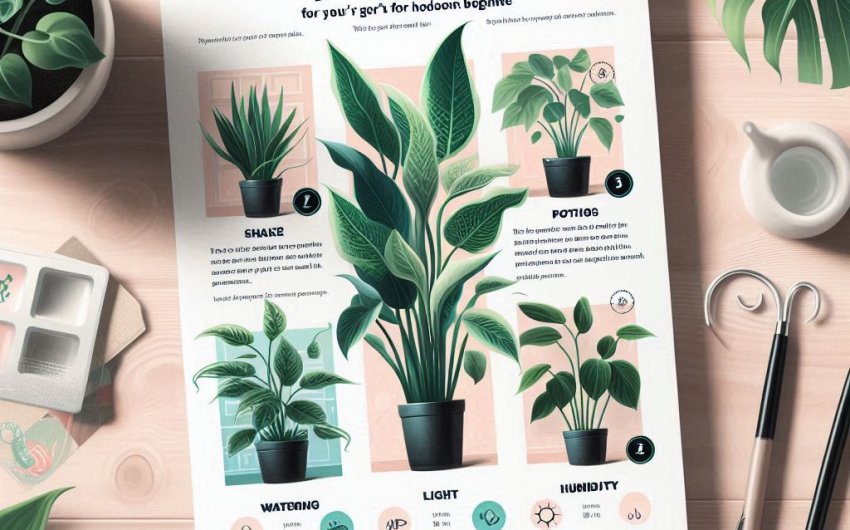
Embarking on the journey of plant parenthood can seem daunting at first, especially when faced with an overwhelming array of choices. Many aspiring green thumbs might hesitate, fearing they lack the innate talent to keep a plant thriving. However, the truth is, cultivating a vibrant indoor garden is more accessible than you might think. With the right selection of resilient and forgiving species, anyone can transform their living space into a lush, green sanctuary. This guide is designed to demystify the process, offering a straightforward path for beginners to discover the joy and tranquility that indoor plants bring.
Imagine waking up to the sight of fresh, green foliage, knowing that you've fostered that life within your home. It’s a remarkably rewarding experience that adds a touch of nature's calm to even the busiest urban dwelling. These living decor elements not only enhance aesthetic appeal but also contribute to a more pleasant indoor environment. They can help purify the air and boost your mood. Choosing the right plant is the first crucial step, and thankfully, many varieties are incredibly adaptable, tolerating a range of conditions and forgiving occasional neglect. Let's explore some of these botanical champions, perfect for those just starting their green adventure.
What are the Easiest Low-Light Indoor Plants for Beginners?
Starting your indoor plant collection doesn't require a sun-drenched conservatory. Many plants thrive in less-than-ideal light conditions, making them perfect for apartments or rooms with limited natural light. These resilient green companions are often forgiving of a less-than-perfect sunny spot, proving that even a dim corner can become a thriving green oasis.
What Makes Snake Plants So Easy?
The snake plant (Sansevieria trifasciata), also known as mother-in-law's tongue, is a true champion for beginners. Its architectural, upright leaves make a striking statement, and its care requirements are incredibly minimal. These plants are native to West Africa and are renowned for their ability to thrive on neglect. You can find beautiful varieties like the Sansevieria trifasciata 'Laurentii' with its yellow-edged leaves.
They are incredibly drought-tolerant, meaning they can go for weeks without water. In fact, overwatering is a much greater threat to a snake plant than underwatering. They prefer to dry out completely between waterings. When it comes to light, snake plants are highly adaptable. While they appreciate bright, indirect light, they can also tolerate very low light conditions, making them ideal for dim corners or offices. Their ability to purify air by removing toxins like formaldehyde and benzene also adds to their appeal.
Why is the ZZ Plant a Beginner's Best Friend?
The ZZ plant (Zamioculcas zamiifolia) is another superstar for those new to indoor gardening. With its glossy, dark green leaves and upright growth habit, it adds a touch of elegance to any space. The ZZ plant is native to dry regions of eastern Africa, which explains its remarkable resilience and ability to withstand neglect. Consider a ZZ Plant with a ceramic pot for an instant style upgrade.
Like the snake plant, the ZZ plant is exceptionally drought-tolerant. It stores water in its thick rhizomes (underground stems), allowing it to survive long periods without hydration. Watering thoroughly when the top few inches of soil are dry is generally sufficient. These plants are also incredibly versatile regarding light. They can tolerate very low light, making them perfect for north-facing windows or rooms with minimal natural illumination. However, they will grow faster and fuller in medium to bright indirect light. They are also known for their air-purifying qualities.
How Can a Pothos Plant Enhance Your Space?
The pothos (Epipremnum aureum), often called devil's ivy, is perhaps one of the most popular and versatile indoor plants for good reason. Its trailing vines and heart-shaped leaves come in various captivating colors, from solid green to variegated patterns with yellow or white. A classic choice is the Golden Pothos with its splashes of yellow.
Pothos plants are incredibly forgiving and adaptable. They can tolerate a wide range of light conditions, from low to bright indirect light. In lower light, the variegation might be less pronounced, but the plant will still thrive. They are also quite forgiving when it comes to watering; they prefer their soil to dry out between waterings. If you forget to water, the leaves might droop slightly, but they will quickly perk up after a good drink. Pothos are also remarkably easy to propagate, meaning you can create new plants from cuttings, making them an excellent choice for sharing with friends or expanding your collection.
What are Some Resilient Plants that Tolerate Occasional Neglect?
Life gets busy, and sometimes, watering schedules can slip through the cracks. For new plant parents, choosing species that can bounce back from a forgotten watering or two is essential. These hardy plants are not just survivors; they are thriving examples of resilience, making them perfect for those with a less-than-perfect memory or a demanding schedule.
Why is the Spider Plant a Great Choice for Beginners?
The spider plant (Chlorophytum comosum) is a classic houseplant for a reason: it's incredibly hardy and produces adorable "plantlets" or "spiderettes" that dangle from the main plant, creating a charming display. These plants are originally from coastal regions of South Africa, where they adapted to various conditions. Look for a Bonnie Spider Plant for a unique curly leaf variety.
Spider plants are quite adaptable to light conditions, preferring bright, indirect light but tolerating lower light levels. They are relatively forgiving when it comes to watering; keep the soil consistently moist but not waterlogged. They will tolerate drying out slightly between waterings. A key benefit of spider plants is their ability to purify the air, removing common household toxins. Plus, those little spiderettes can be easily rooted in water or soil to create new plants, offering a fun propagation project for beginners.
How Does the Peace Lily Stay So Robust?
The peace lily (Spathiphyllum) is a beautiful plant known for its elegant white "flowers" (which are actually modified leaves called spathes) and glossy green foliage. Despite its delicate appearance, the peace lily is surprisingly robust and easy to care for, making it an excellent choice for beginners. You can find a Peace Lily Plant that adds a serene touch to any room.
Peace lilies are great at telling you when they're thirsty: their leaves will noticeably droop. But don't panic! After a good watering, they will usually perk right back up, demonstrating their remarkable resilience. They prefer consistently moist soil but can tolerate drying out a bit between waterings. They thrive in medium to low indirect light, making them perfect for shadier spots in your home. Like many of their easy-care counterparts, peace lilies are also excellent air purifiers.
What Makes a Succulent So Low-Maintenance?
While not a single plant species, succulents as a group are famous for their low-maintenance nature. Their ability to store water in their fleshy leaves, stems, or roots makes them incredibly drought-tolerant and forgiving of infrequent watering. Popular choices include Echeveria, Haworthia, and various types of Sedum. A succulent variety pack can be a great way to start your collection.
The key to succulent success is to avoid overwatering. They need well-draining soil and a pot with drainage holes. Water only when the soil is completely dry, which might be every few weeks or even months, depending on the environment. Succulents generally prefer bright light, ideally direct sunlight for several hours a day. However, some types, like Haworthia, can tolerate lower light conditions. Their diverse shapes and colors make them fun to collect and arrange.
Which Flowering Indoor Plants Are Easy to Grow?
Adding a splash of color with a flowering plant can be incredibly rewarding. Many people assume flowering plants are high-maintenance, but several varieties are surprisingly simple to care for, bringing vibrant blooms indoors without demanding constant attention.
Why is the Christmas Cactus So Popular?
The Christmas cactus (Schlumbergera), along with its cousins the Thanksgiving cactus and Easter cactus, is a beloved houseplant known for its stunning, tubular flowers that bloom around the holidays. Despite its name, it's not a true desert cactus but rather an epiphytic plant, meaning it grows on other plants in its native rainforest habitat. A Christmas Cactus in a hanging basket can create a beautiful cascading display.
These plants are relatively easy to care for once you understand their needs. They prefer bright, indirect light and consistently moist (but not soggy) soil during their growing and blooming periods. During the rest period after flowering, you can reduce watering slightly. The key to encouraging blooms is to provide a period of cooler temperatures and longer nights in the fall. They are incredibly long-lived and can be passed down through generations.
How Does the African Violet Thrive Indoors?
The African violet (Saintpaulia) is a charming and popular flowering houseplant, cherished for its velvety leaves and clusters of vibrant, often purple, pink, or white flowers. Despite their delicate appearance, African violets are surprisingly resilient and easy to care for once you get the hang of their specific needs. Look for an African Violet Self-Watering Pot to make watering even easier.
The main secret to African violet success is consistent moisture (avoiding overwatering) and the right light. They prefer bright, indirect light but can burn in direct sun. Water them from the bottom or ensure you don't get water on their fuzzy leaves, as this can lead to spots. They also appreciate high humidity. With consistent care, African violets can bloom almost year-round, providing continuous color and joy. They are also incredibly easy to propagate from a single leaf cutting.
What Makes Kalanchoe a Good Choice for Color?
Kalanchoe (Kalanchoe blossfeldiana) is a delightful succulent-like plant known for its vibrant, long-lasting clusters of small, brightly colored flowers, often in shades of red, orange, pink, or yellow. Its cheerful blooms make it a popular gift plant, and thankfully, it's also remarkably easy to care for. You can find a Red Kalanchoe Plant to add a pop of color.
As a succulent, Kalanchoe is very drought-tolerant. It stores water in its thick, fleshy leaves, so it can go for extended periods without watering. The key is to water thoroughly when the soil is completely dry and then allow it to dry out again before the next watering. They thrive in bright, indirect light and can even tolerate some direct sun. Once the flowers fade, you can cut back the spent blooms, and with proper care, it may re-bloom.
What Are Some Large, Easy Indoor Plants for Beginners?
If you're looking to make a bigger statement or fill a larger space, there are several easy-care plants that grow to impressive sizes without demanding expert attention. These plants can serve as stunning focal points in any room, bringing a touch of grandeur and natural beauty indoors.
How Can a Fiddle Leaf Fig Tree Be Easy for a Beginner?
The Fiddle Leaf Fig (Ficus lyrata) has gained immense popularity for its striking large, violin-shaped leaves and tall, elegant stature. While it once had a reputation for being finicky, with the right approach, it can be a surprisingly manageable plant for a beginner who can provide its preferred conditions. A Fiddle Leaf Fig Tree can instantly elevate your home decor.
The key to a happy Fiddle Leaf Fig is bright, indirect light and consistent watering. They prefer to dry out somewhat between waterings, but not completely. Overwatering is a common mistake. They also appreciate high humidity and a stable environment, so avoid moving them around too much. Once you find a spot it likes, it's best to leave it there. While it requires a bit more attention than a snake plant, its majestic presence makes the effort worthwhile.
Why is the Monstera Deliciosa So Adaptable?
The Monstera Deliciosa, often called the Swiss Cheese Plant due to the natural holes (fenestrations) that develop in its leaves, is a truly iconic and beautiful plant. Despite its exotic appearance, it is remarkably adaptable and relatively easy for beginners to grow, growing to a considerable size over time. A Monstera Deliciosa Starter Plant will grow quickly in the right conditions.
Monstera plants prefer bright, indirect light but can tolerate lower light levels, though their growth might be slower and their fenestrations less pronounced. They like their soil to dry out a bit between waterings. Monstera also appreciates higher humidity and occasional misting. As they grow, they can become quite large and may benefit from a moss pole to support their aerial roots and encourage larger leaves. Their unique leaf shape and impressive size make them a captivating addition to any room.
What Makes a Dracaena So Versatile?
Dracaena is a large genus of plants that includes many popular and easy-care varieties, making them excellent choices for beginners looking for larger plants. Varieties like Dracaena fragrans (corn plant), Dracaena marginata (dragon tree), and Dracaena deremensis are commonly found and highly resilient. A Dracaena Marginata adds an architectural element with its slender stems and spiky leaves.
Dracaenas are incredibly tolerant of various conditions. They prefer bright, indirect light but can surprisingly well in lower light conditions, though their growth may slow. They are also relatively drought-tolerant and prefer to dry out between waterings, making them forgiving if you occasionally forget to water. They are known for their strong air-purifying capabilities, making them not just beautiful but also beneficial for your indoor environment. Their diverse forms, from tall, tree-like structures to bushy shrubs, offer a wide range of aesthetic choices.
What Are Some Easy Trailing or Vining Plants for Beginners?
Trailing and vining plants add a dynamic element to indoor spaces, softening edges and creating a lush, cascading effect. They are perfect for hanging baskets, high shelves, or allowing them to drape gracefully from furniture. Many of these beautiful plants are also incredibly easy to care for, making them ideal for new plant parents.
How Easy is a Philodendron for Trailing?
The heartleaf philodendron (Philodendron hederaceum) is a classic and beloved houseplant, and for good reason: it's incredibly easy to grow and its trailing vines with heart-shaped leaves add a touch of elegance to any setting. Varieties like the Brasil Philodendron offer attractive variegation.
These philodendrons are remarkably adaptable to different light conditions, from low to bright indirect light. They prefer to dry out somewhat between waterings, making them forgiving if you're not always consistent with your watering schedule. The leaves will begin to droop slightly when thirsty, giving you a clear signal. They are also very easy to propagate from stem cuttings, allowing you to easily expand your collection or share with friends. Their fast growth rate means you'll see a lush, trailing display in no time.
Why is the Hoya Carnosa a Good Choice for Patience?
The Hoya carnosa, commonly known as the wax plant due to its thick, waxy leaves, is a beautiful and relatively low-maintenance vining plant. While it might be a slower grower, its stunning star-shaped, fragrant flowers that appear in clusters are well worth the wait. A Hoya Carnosa 'Krimson Queen' offers charming pink and white variegated leaves.
Hoya plants are succulents in nature, storing water in their thick leaves, making them quite drought-tolerant. They prefer their soil to dry out completely between waterings. Overwatering is the most common cause of problems. They thrive in bright, indirect light and can even tolerate some direct morning sun. They are surprisingly resistant to pests and diseases, adding to their beginner-friendly appeal. Once established, they can bloom repeatedly, filling your home with their sweet fragrance.
What Makes a String of Pearls Unique and Easy?
The String of Pearls (Senecio rowleyanus) is a truly unique and eye-catching succulent known for its long, cascading strands of spherical, bead-like leaves that resemble a string of green pearls. While it looks delicate, it's a surprisingly resilient plant for beginners who understand its specific needs. A String of Pearls in a hanging planter makes a stunning visual statement.
Like other succulents, the String of Pearls is very drought-tolerant and highly susceptible to overwatering. It's crucial to use well-draining soil and a pot with drainage holes. Water thoroughly only when the soil is completely dry, which could be every few weeks. They thrive in bright light, ideally with some direct morning sun. Providing good air circulation is also beneficial. Once you nail the watering and light, this plant is incredibly rewarding and grows quite quickly.
Essential Tips for Beginner Plant Parents
Even with the easiest plants, a few fundamental principles can significantly increase your chances of success. Understanding these basics will build your confidence and help you provide a thriving environment for your new green companions.
How Important is Proper Watering for Beginners?
Watering is arguably the most crucial aspect of indoor plant care, and often where beginners make the most mistakes. The golden rule for most easy-care plants is to avoid overwatering. Most common beginner-friendly plants prefer their soil to dry out between waterings. Overwatering can lead to root rot, a fatal condition where the roots literally drown and decay.
A good way to check if your plant needs water is to stick your finger about an inch or two into the soil. If it feels dry, it's time to water. If it feels moist, wait. Another helpful tip is to use a soil moisture meter. When you do water, water thoroughly until water drains out of the bottom of the pot. Always ensure your pots have drainage holes; this is non-negotiable for plant health. Empty any excess water from the saucer to prevent the plant from sitting in stagnant water.
What are the Best Light Conditions for Easy Plants?
Understanding light requirements is fundamental to plant success. "Bright, indirect light" is a common recommendation for many indoor plants. This means the plant receives plenty of light, but not direct, scorching sunbeams that can burn leaves. An example would be a few feet away from a south- or west-facing window, or right next to an east- or north-facing window.
"Low light" tolerant plants can survive in less bright conditions, such as a room with only artificial light or a north-facing window. However, even these plants will usually grow better and faster with more light. Pay attention to how your plant responds: if leaves turn yellow or growth is stunted, it might need more light. If leaves look scorched or bleached, it might be getting too much direct sun. Consider a plant grow light if your home is consistently dim.
Why is Good Drainage Crucial for Beginner Plants?
Good drainage is paramount for nearly all indoor plants, especially for beginners. As mentioned, most plants, particularly the easy-care varieties, are highly susceptible to root rot if their roots sit in soggy soil. A pot with a drainage hole allows excess water to escape, preventing waterlogged conditions.
When potting or repotting, use a potting mix specifically formulated for indoor plants, as these are designed to provide adequate drainage while still retaining some moisture and nutrients. Avoid using garden soil, which can compact and retain too much water indoors. Materials like perlite or vermiculite added to potting mix can further enhance drainage and aeration. A bag of indoor potting mix is an essential purchase.
When Should Beginners Consider Fertilizing?
For beginners, fertilizing is often less critical than proper watering and light. Most easy-care indoor plants are not heavy feeders, and over-fertilizing can be detrimental, leading to nutrient burn. When you first bring a new plant home, it usually has enough nutrients from its fresh potting mix for several months.
If your plant seems healthy and is growing well, you probably don't need to fertilize. If you notice stunted growth, pale leaves, or a general lack of vigor, you might consider fertilizing during the active growing season (spring and summer). Use a balanced liquid fertilizer diluted to half strength, and follow the product's instructions carefully. Avoid fertilizing during the plant's dormant period (fall and winter) or if it's stressed. A general houseplant fertilizer is a good starting point.
How Can Humidity Impact Indoor Plants?
Humidity refers to the amount of moisture in the air. Many popular indoor plants, especially those native to tropical regions, thrive in higher humidity than a typical household provides. While low humidity might not immediately kill a resilient plant, it can lead to brown leaf tips, slower growth, or make the plant more susceptible to pests.
For most easy-care plants, average household humidity is usually sufficient. However, if you notice signs of low humidity (like crispy leaf edges), there are simple ways to increase it. You can mist the leaves regularly with water, place a pebble tray filled with water beneath the plant (making sure the pot doesn't sit directly in the water), or group plants together to create a localized humid microclimate. A plant mister can be a useful tool. For plants that really crave humidity, a small humidifier can be a great investment.
Why Are Pots with Drainage Holes So Important?
The importance of drainage holes cannot be overstated, especially for new plant owners. A drainage hole allows excess water to escape the pot, preventing the soil from becoming waterlogged. Without proper drainage, plant roots sit in standing water, deprived of oxygen, leading to root rot. Root rot is the most common killer of indoor plants.
When choosing a pot, always opt for one with at least one drainage hole at the bottom. If you fall in love with a decorative pot without drainage, you can still use it by "double potting." This means keeping your plant in a slightly smaller plastic nursery pot with drainage holes, and then placing that pot inside the decorative one. This allows you to easily remove the inner pot for watering and drainage. Always ensure any saucer used to catch water is emptied promptly. Consider a terracotta pot with drainage as they are excellent for promoting healthy root environments.
What About Repotting for Beginners?
Repotting is something you won't need to do immediately, but it's good to understand for the future. Plants usually need repotting when they outgrow their current container, typically indicated by roots growing out of the drainage holes or circling the inside of the pot, or if the plant's growth has significantly slowed down. For most easy-care plants, this might be every one to two years.
When repotting, choose a new pot that is only one or two inches larger in diameter than the current one. Using a pot that is too large can lead to excess soil retaining too much moisture, again increasing the risk of root rot. Gently remove the plant from its old pot, loosen any circling roots, add fresh potting mix to the new pot, place the plant, and fill around it with more soil. Water thoroughly after repotting. Make sure to use a fresh bag of potting mix suitable for indoor plants.
How Can Cleaning Plant Leaves Help?
Regularly cleaning your plant's leaves is a simple yet effective practice that many beginners overlook. Dust and grime can accumulate on leaves, blocking light absorption and reducing the plant's ability to photosynthesize (convert light into energy). Clean leaves also look more vibrant and attractive.
To clean leaves, simply wipe them gently with a soft, damp cloth. You can use plain water or a very diluted mixture of water and mild dish soap for stubborn grime. Support the leaf with one hand while wiping with the other to avoid damaging it. For plants with fuzzy leaves, like African violets, use a soft brush or a gentle blast of air from a hairdryer on a cool setting to remove dust. Regular cleaning also allows you to inspect your plant for any signs of pests early on. A microfiber plant leaf cleaner glove can make this task easier.
What is the Importance of Pest Detection for New Plant Owners?
Unfortunately, even the easiest indoor plants can occasionally attract pests. Early pest detection is crucial because it allows you to address the problem before it escalates and significantly harms your plant. Common indoor plant pests include spider mites, mealybugs, aphids, and fungus gnats.
Regularly inspecting your plants, especially the undersides of leaves and along stems, is the best way to catch pests early. Look for tiny insects, sticky residue, cottony masses, or fine webbing. If you spot pests, isolate the affected plant to prevent them from spreading to others. For minor infestations, wiping pests off with a damp cloth or a cotton swab dipped in rubbing alcohol can be effective. For more persistent issues, an insecticidal soap spray is a safe and effective option for many common pests. A Neem oil plant spray is also a popular organic treatment. Prevention is key: healthy, happy plants are more resistant to pests, and good air circulation can deter some bugs.