
Embers of Enrichment: Fireplace Ashes as Compost Boosters!
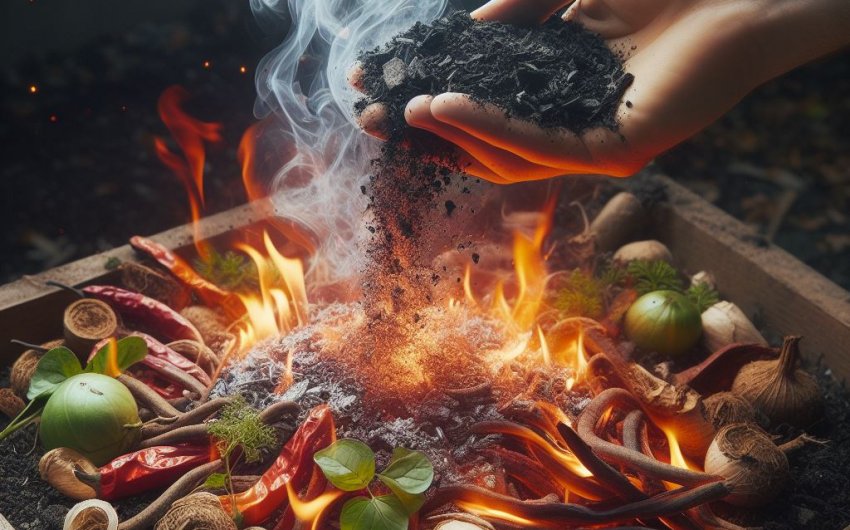
There's something deeply satisfying about a crackling fire on a cold evening. Whether it's in a cozy fireplace, a rustic wood-burning stove, or an outdoor fire pit, the warmth and ambiance are unmatched. But what do you do with the leftover ashes once the flames die down? Instead of simply tossing them in the trash, savvy gardeners see a hidden treasure: fireplace ashes can be a fantastic compost booster and a valuable soil amendment! However, it's not as simple as dumping all ashes into your compost pile. Understanding the right kind of ashes to use and how to use them safely is key to harnessing their compost potential.
Why Are Fireplace Ashes Valuable in the Garden?
Before we talk about compost, let's understand the inherent benefits of wood ash in a garden setting. They are rich in certain minerals that plants need to thrive.
What Nutrients Do Wood Ashes Contain?
When wood burns, the carbon (which makes up most of the wood) goes into the air as carbon dioxide. What's left behind are the inorganic mineral elements that the tree absorbed from the soil during its life.
- Potassium (K): This is the star nutrient in wood ash. Potassium is one of the primary macronutrients for plants, crucial for overall plant vigor, water regulation, disease resistance, and excellent fruit and flower development. Wood ash can be a very good source of potassium (often 3-10% K, depending on the wood type).
- Calcium (Ca): Wood ash is also rich in calcium (often 20-50% Ca, similar to agricultural lime). Calcium is a secondary macronutrient important for cell wall strength, root development, and preventing issues like blossom end rot in tomatoes.
- Magnesium (Mg): A good source of magnesium, another secondary macronutrient essential for chlorophyll production (the green pigment in leaves) and photosynthesis.
- Micronutrients: Wood ash contains a range of other trace micronutrients like boron, manganese, zinc, and iron, though in smaller amounts.
Do Wood Ashes Affect Soil pH?
Yes, this is a very important point!
- Alkalinity: Wood ash is highly alkaline, meaning it has a high pH (typically between 10 and 12). It acts like limestone, raising the pH of acidic soils.
- Neutralizing Acidity: If your soil is too acidic (common in areas with heavy rainfall or where pine trees grow), wood ash can help bring the pH up to a more neutral level, which is ideal for most garden vegetables and flowers.
Are They a Fertilizer or Soil Amendment?
Wood ash acts as both a slow-release fertilizer (providing potassium, calcium, and other minerals) and a soil amendment (by influencing pH and adding trace elements). They don't provide nitrogen, however, as nitrogen is released into the air during combustion.
What Kind of Ashes Can Be Composted? (The Golden Rule)
This is the most critical distinction. Not all ashes are created equal, and adding the wrong kind can do serious harm to your compost pile and garden.
ONLY Use Wood Ashes from Natural, Untreated Wood!
- Allowed: You can compost ashes from:
- Untreated firewood: Hardwoods like oak, maple, birch, hickory, and fruit woods are best.
- Natural logs and branches: From trees that have not been sprayed or treated.
- Untreated lumber scraps: Plain, natural wood that has no paint, stain, varnish, or pressure-treatment.
- Why only natural wood? When natural wood burns completely, it leaves behind minerals that were naturally part of the tree.
NEVER Use Ashes from Treated or Processed Wood!
- Forbidden: Absolutely DO NOT compost ashes from:
- Pressure-treated wood: Contains copper, chromium, and arsenic, which are toxic heavy metals that will contaminate your soil.
- Painted or Stained Wood: Paint and stains can contain lead, cadmium, and other toxic chemicals and heavy metals.
- Varnished or Glued Wood (Plywood, MDF, Particle Board): These materials contain glues, resins, and formaldehyde that release toxic chemicals when burned and will contaminate your compost.
- Charcoal Briquettes: These are usually made with coal dust, binders, and chemical additives (like lighter fluid igniters). Their ashes can contain heavy metals and other harmful residues.
- Colored Newspaper or Glossy Magazines: The inks can contain heavy metals. Plain black and white newspaper is generally okay as a "brown" material in compost, but their ashes are not used.
- Coal Ash: Contains high levels of sulfur, iron, and often heavy metals. Highly toxic to plants and soil.
- Trash or Plastics: Never burn plastic or household trash in your fireplace or fire pit for any purpose, especially not for compost!
In summary: If you're not absolutely 100% sure the wood was natural and untreated, DO NOT use its ashes in your compost or garden.
How Do Fireplace Ashes Act as a Compost Booster?
When used correctly, fireplace ashes can speed up and improve your compost decomposition.
1. Activating Microbes (pH Adjustment)
- Neutralizing Acidity: Compost piles often become slightly acidic as food scraps and other "green" materials break down. The alkalinity of wood ash helps to neutralize this acidity.
- Optimal pH for Microbes: Most beneficial compost microorganisms (bacteria and fungi) thrive in a slightly acidic to neutral pH range (6.0-7.5). By bringing the pH into this optimal range, wood ash can make the microbes more active and efficient. This speeds up the overall decomposition process.
2. Providing Essential Nutrients to Microbes (and Future Plants)
- Potassium for Health: Just like plants, compost microbes need a balanced diet. The potassium, calcium, and other micronutrients in wood ash provide essential elements for the microbial community to flourish. A healthier microbial population means faster composting.
- Enriching Finished Compost: The nutrients within the ashes are integrated into the decomposing organic matter. This means your finished compost will be richer in these valuable minerals, ready to feed your garden plants.
3. Improving Aeration (in Small Amounts)
- Prevents Compaction: While not a primary aeration agent, small, scattered amounts of ashes can help prevent extremely dense layers of "green" materials from compacting.
- Texture: They add a fine, powdery texture that can blend well with coarser materials.
4. Helping Break Down Tougher Materials
- Lignin Breakdown: The alkaline nature of wood ash can help break down tougher, more fibrous materials in your compost pile, such as twigs or woody stems, which are harder for microbes to tackle in an acidic environment.
How to Safely Add Fireplace Ashes to Your Compost Pile?
Adding fireplace ashes to your compost is not a matter of simply dumping them. Precision and moderation are key to avoiding problems.
1. Ensure Ashes are Cold
- Safety First: Always make sure the ashes are completely cold before handling them or adding them to your compost pile. Hot ashes can cause fires or severely harm the beneficial microbes in your pile. Let them cool in a metal bucket or designated ash can for at least 24-48 hours. A metal ash can with lid is perfect for safe storage.
2. Use in Moderation
- Don't Overdo It: This is the second most important rule. Too much wood ash can make your compost pile too alkaline, which would inhibit microbial activity instead of boosting it. It can also create an imbalance in nutrients.
- General Guideline: A good rule of thumb is to use no more than 5% wood ash by volume of your total compost material. For a typical home compost pile, this means scattering a light dusting (a shovel full or two) for every foot or so of new compost material you add.
- Think of it like seasoning: You want to season your food, not bury it in salt.
3. Layer and Mix Thoroughly
- Even Distribution: Do not add a thick layer of ashes all at once. Instead, sprinkle a thin layer of ashes over a layer of "green" materials (like kitchen scraps or grass clippings) and then cover with a layer of "browns" (like dry leaves).
- Integrate: As you turn your compost pile, ensure the ashes are thoroughly mixed throughout the different materials. This prevents clumping and allows the alkalinity to distribute evenly.
4. Consider Your Soil's pH (for Direct Garden Application)
While this post is about compost, it's worth noting that if you plan to use wood ash directly in your garden later, you should know your soil's current pH.
- Soil Test: Get a soil test kit or send a sample to your local extension office.
- Alkaline Soil: If your garden soil is already alkaline (pH above 7.0), adding wood ash (either directly or through your compost) could raise the pH too high, which can cause nutrient deficiencies for your plants. In such cases, avoid adding wood ash.
- Acidic Soil: If your soil is acidic (pH below 6.0), wood ash can be a beneficial amendment to raise the pH.
5. Be Mindful of What You Plant
- Acid-Loving Plants: Avoid using wood ash (or compost with high wood ash content) around acid-loving plants like rhododendrons, azaleas, blueberries, and hydrangeas (if you want blue flowers, they need acidic soil). The alkalinity of the ash will harm them.
What Are the Benefits of Fireplace Ashes in Your Finished Compost?
When properly incorporated, wood ash significantly improves the quality of your finished compost.
1. Enriched Nutrient Profile
- Potassium Boost: Your finished compost will have a higher content of essential potassium, a key nutrient for flowering, fruiting, and overall plant health.
- Calcium and Magnesium: It will also be richer in calcium and magnesium, supporting stronger plant cells and preventing deficiencies.
2. pH-Balancing Act
- Neutralizing Power: The compost itself will likely have a more neutral pH, making it suitable for a wider range of plants in your garden. This means it can help balance overly acidic garden soils when incorporated.
3. Improved Soil Structure
- Finer Texture: The fine particles of ash can contribute to a finer, more uniform texture in the finished compost, making it easier to mix into garden beds.
4. Sustainable Waste Management
- Reduced Landfill Waste: By composting your fireplace ashes, you are truly embracing a circular economy – taking waste from your home and turning it into a valuable resource for your garden. This is the ultimate form of recycling.
Fireplace ashes, when sourced from natural, untreated wood and used in moderation, are indeed moldy marvels – valuable compost boosters that can accelerate decomposition and enrich your finished compost with vital nutrients. It's an eco-friendly way to transform a waste product into a garden treasure, closing the loop on your household resources and nurturing a healthier, more vibrant garden. Just remember the golden rules of "only untreated wood" and "use in moderation," and your compost pile will thank you.