
Soil Rejuvenation: Giving Old Potting Soil a New Purpose in Compost!
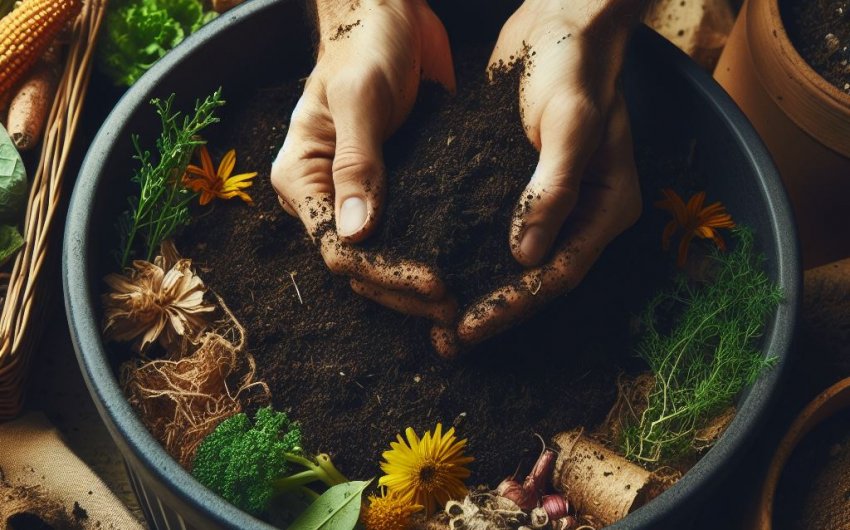
Every gardener knows the bittersweet moment of repotting a thriving plant or emptying a container garden at the end of the season. What do you do with all that old potting soil? Too often, it ends up in the trash, destined for a landfill. This is a missed opportunity! That seemingly spent potting mix isn't useless. In fact, it has incredible potential for soil rejuvenation and can be given a fantastic new purpose in compost. Instead of discarding it, you can transform it into rich, vital "black gold" for your garden beds, reducing waste and boosting your soil health. Let's explore how to safely and effectively integrate your old potting soil into your composting efforts.
Why Does Potting Soil Become "Old" or "Spent"?
Before we repurpose it, let's understand why potting soil loses its vibrancy and why it's not ideal for continuous use in pots.
1. Nutrient Depletion
- Plants are Hungry: As plants grow in a pot, they constantly draw nutrients from the potting mix. Over time, these essential elements (like nitrogen, phosphorus, potassium, and micronutrients) become depleted.
- Leaching: Each time you water, some soluble nutrients can leach (wash out) from the potting mix through the drainage holes.
- Result: The old potting soil no longer provides the balanced diet your plants need to thrive.
2. Breakdown of Organic Matter
- Decomposition: The organic components in potting mix (like peat moss, coco coir, bark fines) naturally decompose over time. This process is accelerated by watering, microbial activity, and heat.
- Compaction: As organic matter breaks down, it loses its structure and the potting mix becomes denser. This leads to compaction.
- Result: The soil loses its fluffy, airy texture.
3. Compaction and Poor Aeration
- Loss of Air Pockets: Compaction reduces the air spaces in the soil. Plant roots need oxygen to "breathe" and absorb water and nutrients.
- Drainage Issues: Compacted soil also drains poorly, leading to soggy conditions.
- Result: Roots can suffocate and become susceptible to root rot.
4. Salt Buildup
- Fertilizer Residue: If you've been fertilizing your potted plants, mineral salts from the fertilizer can accumulate in the potting mix as water evaporates.
- Tap Water: Even tap water can leave behind mineral salts, especially if your water is "hard" (high in minerals).
- Result: High salt concentrations can "burn" roots, inhibit water uptake, and create a hostile environment for plants.
5. Potential for Pests and Diseases
- Lingering Issues: Old potting soil can sometimes harbor fungal spores, bacteria, or dormant insect eggs from previous plants, especially if those plants suffered from disease or pest issues.
- Result: Reusing it directly in new pots without rejuvenation can transfer these problems to new, healthy plants.
For all these reasons, it's generally not recommended to reuse old potting soil directly in new containers without some form of rejuvenation.
Why Put Old Potting Soil in Your Compost Pile?
Instead of tossing it, adding old potting soil to your compost pile is a brilliant way to recycle and enhance your compost.
1. Adds "Brown" Material (Carbon)
- Carbon Source: Much of what makes up potting mix (peat, coco coir, bark) is rich in carbon. This makes old potting soil a valuable "brown" ingredient for your compost pile.
- Balance Greens: It helps balance out the wetter, nitrogen-rich "green" materials (like kitchen scraps and grass clippings), creating a healthier overall carbon-to-nitrogen ratio.
2. Improves Compost Texture and Aeration
- Bulking Agent: The fibrous components of the potting mix add bulk and structure to the compost pile, preventing it from becoming too dense and compacted.
- Air Pockets: This helps create crucial air pockets within the pile, which are essential for the aerobic (oxygen-requiring) microorganisms that do the work of decomposition. Better aeration means faster composting and fewer bad smells.
- Finished Compost Structure: When mixed into the final compost, the old soil particles contribute to a light, crumbly texture, which is ideal for amending garden beds.
3. Provides a Microbial Boost
- Existing Microbes: Even "spent" potting soil contains a population of beneficial microorganisms (bacteria, fungi, protozoa). When added to your compost pile, these microbes can help kickstart or accelerate the decomposition process.
- Dilution of Issues: Any lingering pathogens or dormant pest eggs are likely to be overwhelmed, outcompeted, or killed by the heat and intense microbial activity of a well-managed compost pile, especially a hot compost pile.
4. Adds Trace Minerals
- Mineral Content: While the major nutrients (NPK) may be depleted, old potting soil still contains various trace minerals that came from the original materials or were added as part of the initial mix. These will be cycled back into your new compost.
5. Reduces Waste and is Eco-Friendly
- Sustainable Gardening: Diverting old potting soil from landfills is a fantastic way to reduce waste and practice more eco-friendly gardening. It closes the loop, turning what was considered waste into a valuable resource.
- Saves Money: You won't need to buy as much new potting mix or soil amendments if you're making your own rich compost.
How to Safely Add Old Potting Soil to Your Compost Pile?
While beneficial, there are a few considerations to ensure your old potting soil integrates successfully and safely into your compost.
1. Assess the Condition of the Old Potting Soil
- Healthy Plants: If the previous plants were healthy and pest/disease-free, you can add the soil without much worry.
- Diseased Plants: If the plants suffered from significant fungal diseases (like root rot, powdery mildew, blight) or severe pest infestations (like spider mites, mealybugs, scale), it's generally best to avoid composting that particular batch of soil, especially if you have a cool compost pile. The pathogens or pest eggs might survive and spread to your garden later. If you have a consistently hot compost pile (reaching 130-160°F or 55-70°C), the heat can kill most pathogens, but it's still a risk. When in doubt, toss diseased soil in the trash.
- Heavily Salted Soil: If you see a thick white crust of salt on the soil surface, it's very high in mineral salts. While a little is fine, large quantities of highly saline soil might be better avoided or diluted with a lot of other fresh organic material.
2. Break Up Clumps
- Aerate and Mix: Old potting soil can be compacted. Break up any large clumps before adding it to your compost pile. This helps it integrate better and prevents it from creating dense, air-blocking pockets.
3. Layer It In
- Even Distribution: Don't dump a whole pot of old potting soil in one large lump. Instead, add it in thin layers, scattering it over your "green" materials.
- Alternate Layers: Layer your old potting soil (a "brown") with kitchen scraps or grass clippings ("greens") and other dry "browns" (like leaves). This ensures a good carbon-to-nitrogen ratio and facilitates even decomposition.
4. Maintain Moisture and Aeration
- Moisture Check: Old potting soil can sometimes be quite dry. Ensure the overall moisture content of your pile remains like a wrung-out sponge. If the soil seems very dry, mist it with a little water as you add it.
- Turn Regularly: Regular turning of your compost pile is crucial. This mixes the old potting soil evenly, distributes moisture, and provides essential oxygen for microbial activity, helping everything break down efficiently. A compost aerator tool can make this easier.
5. Quantity is Key (Don't Overdo It)
- Supplement, Don't Dominate: Old potting soil should be a valuable addition to your compost pile, not the primary ingredient. It should generally make up no more than 10-20% of your total compost material by volume.
- Balance with Other Browns: Ensure you're still adding plenty of other diverse "brown" materials (leaves, straw, shredded cardboard) to keep your carbon supply high and your mix varied.
What Are the Alternatives if I Can't Compost My Old Potting Soil?
If your old potting soil is from diseased plants, or if you simply don't have a compost pile, there are still better options than sending it to the landfill.
1. Amend Garden Beds Directly (with Caution)
- Healthy Soil Only: If the soil is from healthy, pest-free plants, you can mix it directly into existing garden beds.
- Rejuvenate with Amendments: However, remember it's nutrient-depleted and compacted. Before adding it, amend it with plenty of fresh organic compost, some aged manure, and potentially some fresh garden soil. This helps to dilute any lingering salt buildup and reintroduce nutrients and beneficial microbes.
- Avoid in Same Spot: Do not put old soil from diseased plants back into the same garden bed if that particular disease affects soil.
2. Use as a Base Layer in New Pots (with Fresh Soil on Top)
- For Large Pots: For very large planters, you can use old potting soil as a filler in the bottom 1/4 to 1/3 of the pot.
- Top Layer is Key: Always fill the rest of the pot with fresh, high-quality potting mix where the new plant's active roots will be growing. The goal is to maximize air exchange for the roots.
- Ensure Drainage: Make sure any bottom layer of old potting soil doesn't create a soggy, dense barrier that prevents drainage.
3. Add to Raised Beds (with Amendments)
- Similar to Garden Beds: Similar to direct garden beds, you can add old potting soil to raised garden beds.
- Amend Generously: Be sure to mix it thoroughly with fresh, rich organic material like compost to revitalize it.
4. Solarize Contaminated Soil (If Necessary)
- Sterilization: If you have old potting soil that you suspect is contaminated with pests or diseases but really don't want to throw it away, you can try solarizing it.
- How it Works: Spread the soil thinly on a sunny, paved area, moisten it, and cover it with clear plastic sheeting. Seal the edges. The sun's heat will build up under the plastic, often reaching temperatures high enough (130-140°F or 55-60°C) to kill many pathogens and weed seeds.
- Time: Leave it for 4-8 weeks during the hottest part of the summer.
- Still Amend: Even after solarization, the soil will still be nutrient-depleted, so amend it generously with fresh compost before use.
Soil rejuvenation is a key practice in sustainable gardening. By recognizing the value in your old potting soil and integrating it into your compost pile, you not only reduce waste but also create a richer, healthier, and more productive garden ecosystem. It’s a win-win for your plants, your wallet, and the planet.