
From Farm to Table: Embrace the Beauty of Farm Gardens!
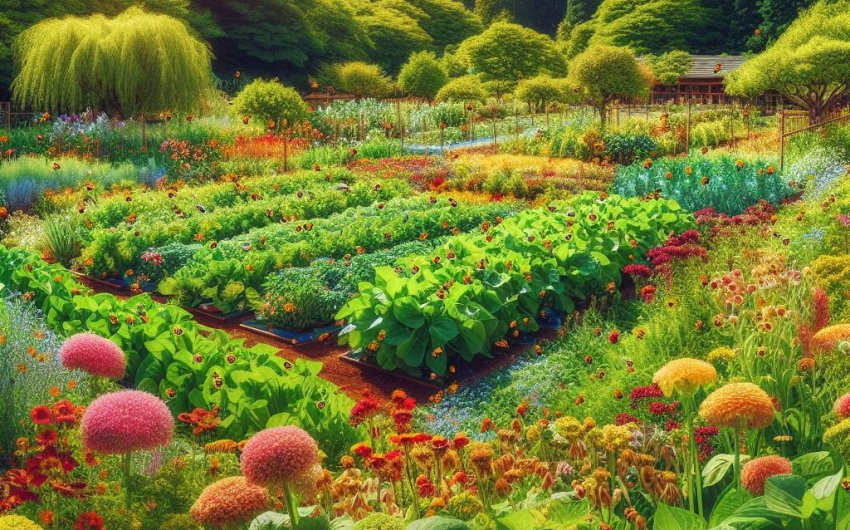
In an increasingly fast-paced world, there's a growing desire to reconnect with the source of our food, to understand where it comes from, and to taste the true freshness that only a homegrown harvest can provide. The concept of farm gardens captures this yearning perfectly. More than just a vegetable patch, a farm garden is a vibrant, productive space that blurs the lines between utility and beauty, bringing the essence of a bountiful farm right to your backyard. It's a place where food grows in harmony with flowers, herbs, and even small livestock, creating a self-sustaining ecosystem that offers both sustenance and aesthetic delight.
Embracing the beauty of a farm garden means adopting a holistic approach to growing, one that celebrates the cycle from farm to table. It’s about cultivating fresh produce, yes, but also about building healthy soil, attracting pollinators, reducing waste, and fostering a deeper connection to nature. Whether you have a sprawling rural property or a compact urban yard, the principles of farm gardening can be adapted to any scale, transforming your outdoor space into a thriving, edible landscape that nourishes both body and soul, inviting you to truly taste the fruits of your labor.
Why Create a Farm Garden?
A farm garden offers a wealth of benefits that go far beyond just providing fresh vegetables, enriching your life in multiple ways.
How Does a Farm Garden Promote Freshness and Taste?
This is arguably the most compelling reason to grow your own food.
- Peak Ripeness: Vegetables and fruits from the grocery store are often picked before they are fully ripe to withstand shipping. In a farm garden, you can harvest at the absolute peak of ripeness, when flavors are most intense and delicious.
- Superior Flavor: Nothing compares to a sun-warmed tomato picked moments before it hits your plate, or a handful of berries still sweet from the vine. The flavor difference is often astounding.
- Nutrient Density: Produce starts losing nutrients as soon as it's picked. Harvesting from your farm garden means you're consuming food at its most nutrient-dense state.
- Variety: You can grow unique or heirloom varieties of fruits and vegetables that you'd never find in a supermarket, expanding your culinary horizons. A collection of heirloom vegetable seeds can offer exciting flavors.
What are the Health and Well-being Benefits?
A farm garden nurtures not just plants, but also your own health.
- Healthy Eating: Having fresh produce readily available encourages healthier eating habits, making it easier to incorporate more fruits and vegetables into your diet.
- Physical Activity: Gardening is a fantastic form of exercise, providing light to moderate physical activity that benefits your heart, muscles, and flexibility. A garden kneeler seat can make the work more comfortable.
- Stress Reduction: Spending time outdoors, connecting with nature, and engaging in gardening activities has been scientifically proven to reduce stress, improve mood, and enhance overall mental well-being.
- Food Security: Growing your own food provides a sense of self-sufficiency and food security, reducing reliance on external food systems.
Does it Save Money and Reduce Waste?
A farm garden can contribute to both your wallet and the planet.
- Reduced Grocery Bills: While there's an initial investment, over time, a productive farm garden can significantly reduce your grocery expenses, especially for expensive organic produce.
- Less Food Waste: You only harvest what you need, when you need it, minimizing spoilage. Any excess can be preserved, shared, or composted.
- Composting: A farm garden naturally integrates a compost system, turning kitchen scraps and garden waste into valuable soil amendments, diverting waste from landfills. An outdoor compost bin is essential.
- Reduced Packaging: Fresh from your garden means no plastic bags, no clam shells – just pure produce.
How Does it Benefit the Environment and Ecosystem?
A farm garden is a living ecosystem that supports biodiversity.
- Pollinator Habitat: By planting diverse flowering vegetables, herbs, and dedicated flowers, you create a vital habitat for bees, butterflies, and other pollinators, crucial for both your harvest and the wider environment.
- Healthy Soil: Focus on organic practices to build living, healthy soil, which sequesters carbon, reduces erosion, and minimizes the need for chemical inputs.
- Reduced Chemical Use: You control what goes into your food, typically opting for natural pest and disease management over synthetic chemicals.
- Biodiversity: A diverse farm garden attracts a wider range of beneficial insects, birds, and other wildlife, creating a balanced and resilient ecosystem. A bird bath for garden can attract natural pest controllers.
What Are the Key Elements of a Farm Garden?
A successful farm garden integrates several components that work together to create a productive and beautiful whole.
What is the Role of Edible Plants (Fruits, Vegetables, Herbs)?
These are the heart of any farm garden, providing the harvest.
- Vegetables: Grow a diverse range of seasonal vegetables, from leafy greens (lettuce, spinach, kale) to root crops (carrots, potatoes, radishes) and fruiting vegetables (tomatoes, peppers, squash, beans). Consider heirloom vegetable seeds for unique flavors and biodiversity.
- Fruits: Incorporate berry bushes (raspberries, blueberries, strawberries), dwarf fruit trees (apples, pears, figs), or vining fruits (grapes, kiwi).
- Herbs: Plant a variety of culinary herbs (basil, thyme, rosemary, oregano, parsley, mint) for fresh flavor in your cooking and as companion plants. Many herbs also have medicinal properties and attract pollinators.
- Succession Planting: Plan to plant small batches of quick-growing crops every few weeks to ensure a continuous harvest throughout the season, rather than a single overwhelming one.
How Do Flowers Enhance a Farm Garden?
Flowers are not just for beauty; they play crucial roles in a farm garden.
- Pollinator Attraction: Many flowers are excellent sources of nectar and pollen for bees, butterflies, and other essential pollinators, ensuring your fruiting vegetables get pollinated for a good harvest.
- Beneficial Insect Habitat: Some flowers attract beneficial insects (like ladybugs and lacewings) that prey on garden pests, reducing the need for insecticides.
- Beauty and Aesthetics: Flowers add vibrant color, texture, and fragrance, making your farm garden a beautiful and inviting space. Consider mixing cut flowers like Zinnia seeds and Cosmos for beautiful bouquets.
- Companion Planting: Specific flowers can deter certain pests (e.g., marigolds) or improve the growth of nearby vegetables.
What About Healthy Soil and Composting?
Healthy, living soil is the bedrock of a productive farm garden.
- Soil is Life: Focus on building soil health rather than just feeding plants. Healthy soil is teeming with beneficial microorganisms, earthworms, and organic matter.
- Compost: Regularly add homemade compost to your garden beds. Compost improves soil structure, aeration, water retention, and provides a slow, steady supply of nutrients. It's the ultimate organic fertilizer and soil amendment. An electric compost tumbler can make the process easy.
- No-Till/Minimum Till: Practice no-till or minimum tillage gardening to preserve soil structure and the delicate soil food web.
- Cover Crops: In the off-season, plant cover crops (like clover or vetch) to protect the soil, prevent erosion, add organic matter, and fix nitrogen.
How Can Integrated Pest Management (IPM) Be Applied?
IPM is a holistic, eco-friendly approach to managing pests and diseases in a farm garden.
- Monitoring: Regularly inspect your plants for early signs of pests or diseases.
- Cultural Controls: Focus on prevention through good cultural practices: proper plant spacing for air circulation, correct watering, and healthy soil.
- Biological Controls: Encourage beneficial insects that prey on pests. Provide habitat and avoid harmful pesticides.
- Physical Controls: Use hand-picking, row covers, or barriers.
- Organic Sprays (Last Resort): If a problem escalates, use targeted, least-toxic organic sprays (e.g., neem oil, insecticidal soap, Bt for caterpillars) only when necessary.
How Do I Plan and Design My Farm Garden?
Thoughtful planning maximizes productivity and beauty, making the most of your space.
What is the Importance of Site Selection?
The right location sets your farm garden up for success.
- Sunlight: Most vegetables and fruits need full sun (at least 6-8 hours of direct sunlight per day) to thrive and produce well. Choose the sunniest spot in your yard.
- Water Source: Proximity to a reliable water source (hose bib) is convenient for easy watering. Consider a rain barrel for sustainable irrigation.
- Drainage: Ensure the site has well-drained soil. If not, consider raised beds or improving drainage.
- Protection: Ideally, choose a location sheltered from strong winds, which can damage plants and dry out soil.
How Should I Design My Layout?
- Size: Start small if you're new to gardening. A 4x8 foot raised bed can produce a surprising amount of food. You can always expand later.
- Bed Design: Consider raised beds for better soil control, drainage, and ergonomics. In-ground beds work well if you have good soil.
- Paths: Include clear, wide enough paths (at least 2-3 feet) between beds for easy access, wheelbarrows, and harvesting.
- Vertical Gardening: Maximize space by growing vertically with trellises (for cucumbers, pole beans, vining squash), arbors (for grapes, kiwis), or stackable planters for herbs and strawberries. A garden trellis kit can add height.
- Perimeter Plants: Use taller plants or small fruit trees on the north side of your garden to avoid shading shorter plants.
What is Companion Planting and Why Use It?
Companion planting is the practice of growing specific plants near each other to their mutual benefit.
- Pest Deterrence: Some plants naturally repel pests (e.g., marigolds deter nematodes, onions deter aphids).
- Beneficial Insect Attraction: Certain flowers and herbs attract beneficial insects that prey on garden pests.
- Improved Growth/Flavor: Some plant pairings are thought to enhance each other's growth or flavor (e.g., basil near tomatoes).
- Nutrient Cycling: Legumes (beans, peas) add nitrogen to the soil, benefiting nearby plants.
- Diversity: Encourages a diverse garden, which is generally healthier. A companion planting guide book can offer ideas.
How Do I Choose What to Plant?
- What You Eat: Start by growing vegetables and fruits your family genuinely enjoys eating. There's no point growing something nobody likes!
- Climate/Zone: Choose plants that are well-suited to your USDA hardiness zone and local climate.
- Space Available: Be realistic about how much space each plant needs. A sprawling squash vine needs more room than a bush bean.
- Time Commitment: Some plants are higher maintenance than others. Choose easy growers initially.
- Seed vs. Start: Decide if you'll start from vegetable seeds (cheaper, more variety, more effort) or buy young plants/starts (more expensive, easier, less variety).
What Are Essential Maintenance Practices for a Farm Garden?
Consistent and thoughtful maintenance ensures your farm garden remains productive and beautiful.
How Often Should I Water My Farm Garden?
- Deep and Infrequent: Water deeply and less frequently to encourage deep root growth. This makes plants more drought-tolerant.
- Monitor Soil: Don't water on a fixed schedule. Use the finger test (stick your finger 2-3 inches deep into the soil) to determine if your plants need water.
- Targeted Watering: Use drip irrigation systems or soaker hoses to deliver water directly to the roots, minimizing evaporation and water waste. This is especially efficient for raised beds. A garden watering timer can automate consistent watering.
- Morning Watering: Water in the early morning to allow foliage to dry before nightfall, reducing fungal disease risk.
What is the Role of Mulching?
Mulching is an indispensable practice in a farm garden.
- Moisture Retention: A 2-4 inch layer of organic mulch (straw, shredded leaves, compost, wood chips) significantly reduces water evaporation from the soil, meaning you water less often.
- Weed Suppression: Mulch acts as a physical barrier, blocking sunlight from reaching weed seeds and making it harder for them to sprout. This dramatically reduces weeding time.
- Soil Temperature Moderation: Mulch keeps soil cooler in summer and warmer in winter, protecting roots from extreme temperatures.
- Nutrient Addition: As organic mulches break down, they slowly release nutrients back into the soil, feeding your plants. A large bag of garden straw mulch is easy to spread.
How Do I Fertilize My Farm Garden?
Focus on feeding the soil, not just the plants.
- Compost is King: Regular additions of compost are often all the fertilization many plants need.
- Organic Fertilizers: If supplemental nutrients are required (e.g., for heavy feeders like tomatoes or corn), use organic granular fertilizers or liquid feeds. Choose formulations specific to vegetables. A liquid organic vegetable fertilizer can provide a boost.
- Avoid Over-Fertilizing: Too much nitrogen can lead to lush leafy growth but fewer fruits, and can make plants more susceptible to pests.
What About Pruning and Training?
- Pruning: For many fruiting plants (tomatoes, peppers, berries), strategic pruning improves air circulation, directs energy to fruit production, and makes harvesting easier. Remove dead or diseased branches.
- Training: Provide stakes, trellises, or cages for vining plants to support their growth, keep fruit off the ground, and maximize sunlight exposure. A good set of tomato cages is essential.
How Can a Farm Garden Connect You to Your Food and Community?
The benefits of a farm garden extend beyond the harvest, fostering deeper connections.
What is the Joy of "Farm to Table" Eating?
- Taste the Difference: The unparalleled flavor of fresh, ripe produce harvested directly from your garden is a revelation.
- Control Over Food: You know exactly how your food was grown – free from pesticides, picked at peak freshness.
- Seasonal Eating: A farm garden encourages seasonal eating, connecting you to the natural rhythms of the year and enjoying produce at its freshest and most abundant.
- Culinary Creativity: Inspired by your harvest, you'll find new ways to cook, preserve, and enjoy your food, leading to greater culinary creativity. A vegetable spiralizer might be a new kitchen tool!
How Does a Farm Garden Teach and Inspire?
- Educational Opportunity: It's a living classroom for all ages, teaching about plant life cycles, ecosystems, the importance of pollinators, and where food comes from.
- Patience and Resilience: Gardening teaches patience, problem-solving, and resilience – qualities that extend beyond the garden.
- Gratitude: The act of nurturing plants and harvesting your own food fosters a deep sense of gratitude for nature's bounty.
Can It Foster Community Connection?
- Sharing the Bounty: A productive farm garden often yields more than you can eat. Share your extra produce with neighbors, friends, food banks, or community events. This fosters goodwill and community spirit.
- Garden Exchange: Join or start a local garden exchange or plant swap, trading seeds, seedlings, or surplus produce.
- Inspire Others: Your thriving farm garden can inspire others in your neighborhood to start their own, building a more food-conscious and green community.
- Local Resources: Connect with local master gardeners, garden clubs, or extension offices for advice and shared experiences.