
Bugloss Beauty: Exquisite Charms for Your Garden
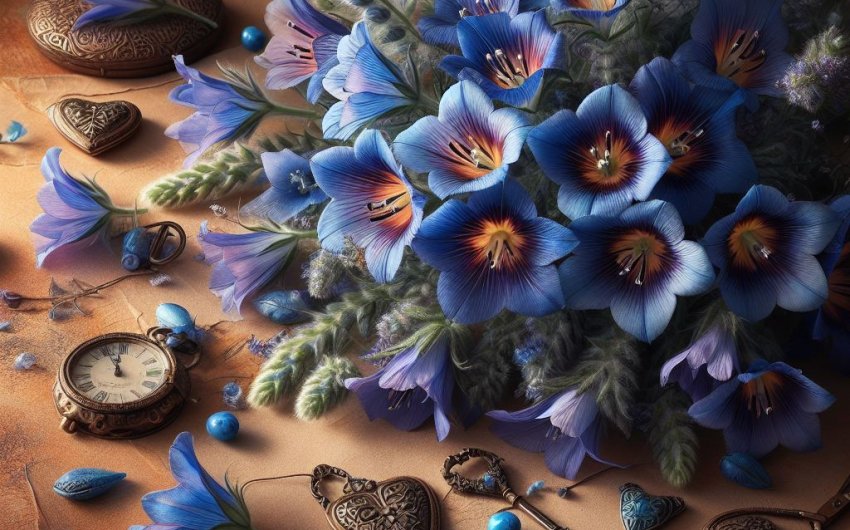
Every gardener dreams of a space that truly stands out, filled with vibrant colors and interesting textures. While many familiar flowers come to mind, sometimes it's the less common plants that hold the most unexpected charm. One such botanical gem is Bugloss, a name that might sound a bit quirky but hides an absolutely stunning array of plants perfect for adding that "wow" factor to your outdoor sanctuary. Often boasting brilliant blue hues that are rare in the plant world, along with unique foliage, Bugloss species offer a delightful surprise for any garden enthusiast looking for something a little different.
These plants aren't just pretty faces; many are also remarkably easy to grow and attract important pollinators, making them a win-win for both beauty and biodiversity. From low-growing groundcovers to taller, more dramatic specimens, there's a Bugloss variety to fit almost any garden style or need. Let's dive into the enchanting world of Bugloss and discover how these exquisite plants can bring unparalleled beauty and life to your garden beds and borders.
What Exactly Is Bugloss and Why Is It So Charming?
The term "Bugloss" refers to several plants primarily within the Boraginaceae family, often known for their rough, bristly leaves (which gave rise to the name, from Greek for "ox tongue"). But don't let that description fool you! The true charm of Bugloss lies in its spectacular flowers and often striking foliage. When people talk about Bugloss in the garden, they're often thinking of a few key genera: Brunnera, Anchusa, and sometimes even Echium.
The Allure of Blue Flowers
One of the most compelling reasons to grow Bugloss is its remarkable ability to produce truly vivid blue flowers. True blue is a surprisingly uncommon color in the plant kingdom, and Bugloss varieties deliver it with stunning intensity.
- 'Jack Frost' Brunnera: This popular variety, often called Siberian Bugloss, is celebrated for its tiny, forget-me-not-like blue flowers that float above striking silver-splashed leaves. It creates a shimmering effect in shaded areas.
- Anchusa azurea (Italian Bugloss): This species offers intensely sky-blue flowers on taller stems, creating a dramatic visual impact that draws the eye.
- Echium plantagineum (Paterson's Curse or Salvation Jane): While sometimes considered a weed in certain regions, its wild beauty with spikes of blue-purple flowers is undeniable, particularly in its native Mediterranean climate. (Note: Always check local regulations before planting any Echium species, as some can be invasive).
These blues bring a sense of calm, depth, and sophistication to the garden, complementing a wide range of other colors.
Beyond the Bloom: Striking Foliage
Many Bugloss varieties offer much more than just pretty flowers. Their leaves provide texture and color interest for months, even when not in bloom.
- Variegated Brunnera: This is where Brunnera truly shines. Cultivars like 'Jack Frost', 'Silver Heart', and 'Dawson's White' boast large, heart-shaped leaves with intricate silver, white, or cream variegation. This makes them outstanding choices for adding brightness and contrast to shady garden spots, looking good from spring until frost.
- Rough Textures: While some have smoother leaves, many Bugloss plants have a slightly rough or hairy texture, adding tactile interest to the garden.
Attracting Pollinators: A Boon for Biodiversity
Bugloss plants are not just pretty; they are also a feast for pollinators. Their open, nectar-rich flowers are irresistible to a variety of beneficial insects.
- Bees and Butterflies: The blue flowers are a magnet for bees, including honeybees and various native bees, as well as butterflies. Planting Bugloss contributes to the health of your local ecosystem by providing vital food sources for these declining populations.
- Long Blooming Period: Many Bugloss varieties offer an extended blooming period, providing continuous sustenance for pollinators throughout late spring and early summer.
Which Bugloss is Right for My Garden? Exploring Key Varieties
While the term "Bugloss" covers a few genera, the most commonly cultivated and garden-friendly ones are Brunnera, Anchusa, and sometimes Echium. Let's explore the best of these for your garden.
Brunnera (Siberian Bugloss): The Shade Star
Brunnera macrophylla, commonly known as Siberian Bugloss, is arguably the most popular and versatile of the Bugloss family for garden use. It's a fantastic plant for adding texture, color, and early spring blue blooms to shaded or partially shaded areas.
Key Characteristics of Brunnera:
- Foliage: Large, heart-shaped leaves, often with stunning silver variegation. This is their main appeal, providing season-long interest.
- Flowers: Clusters of tiny, bright blue, forget-me-not-like flowers in early spring, just as hostas and other shade perennials are emerging.
- Size: Typically grows 1-2 feet tall and wide, forming neat clumps.
- Hardiness: Very hardy, usually USDA Zones 3-8.
- Growing Conditions: Prefers partial to full shade. Needs consistently moist, well-drained soil. Tolerates more sun if soil stays moist, but foliage may scorch in hot, direct sun.
Popular Brunnera Cultivars to Consider:
- Brunnera 'Jack Frost': The undisputed king of variegated Brunnera. Its deep green leaves are heavily frosted with silver, almost appearing entirely silver, with green veins providing contrast. This creates a luminous effect in shade. It offers beautiful blue flowers in spring. You might find it at your local nursery or seek out specific cultivars online.
- Brunnera 'Silver Heart': Similar to 'Jack Frost' but often with an even more intense silver coating on the leaves, making it appear almost metallic.
- Brunnera 'Emerald Mist': Features green leaves with tiny, scattered silver flecks, giving it a misty appearance.
- Brunnera 'Dawson's White': Offers green leaves with a bold, creamy-white margin, providing excellent contrast.
- Brunnera 'King's Ransom': A newer cultivar with broad, heart-shaped leaves featuring intricate silver lacing and margins.
Anchusa (Italian Bugloss): The Bold Blue Spire
Anchusa azurea, also known as Italian Bugloss or Alkanet, is a showstopper for sunny borders, bringing an intense, true blue that is hard to match.
Key Characteristics of Anchusa:
- Foliage: Lance-shaped, somewhat rough or hairy green leaves.
- Flowers: Clusters of brilliant, gentian-blue flowers with white centers, appearing on tall, branching stems.
- Size: Can grow quite tall, often 3-5 feet in height, making it excellent for the back of a border.
- Hardiness: Typically USDA Zones 3-8, but can be short-lived perennial or biennial in some areas. It often self-seeds readily.
- Growing Conditions: Thrives in full sun and well-drained soil. Tolerant of drought once established.
Popular Anchusa Varieties:
- Anchusa azurea 'Loddon Royalist': A classic cultivar prized for its intense, deep blue flowers.
- Anchusa capensis (Cape Forget-Me-Not): A shorter, often grown as an annual or biennial, offering smaller but equally vibrant blue flowers.
Echium (Viper's Bugloss): The Dramatic Statement
While some Echium species (like E. vulgare, commonly called Viper's Bugloss) can be weedy in certain areas, others are cultivated for their dramatic spikes of flowers that attract a multitude of pollinators. It's important to research specific species and their invasiveness in your region.
Key Characteristics of Echium:
- Foliage: Often hairy or bristly, lance-shaped leaves.
- Flowers: Tall, spiky flower stalks covered in bell-shaped flowers, often blue, purple, or pink, sometimes changing color as they age.
- Size: Varies greatly by species, from modest perennials to towering biennials or shrubs.
- Hardiness: Varies by species.
- Growing Conditions: Generally prefers full sun and well-drained soil. Many are drought-tolerant.
Echium to Consider (with Caution for Invasiveness):
- Echium vulgare (Viper's Bugloss): A striking biennial with vibrant blue-purple flowers that are incredibly attractive to bees. It can self-seed aggressively.
- Echium candicans (Pride of Madeira): A stunning, large perennial or shrubby biennial, hardy in warmer zones, known for its massive spikes of blue-purple flowers. This is a truly dramatic plant, but only for mild climates.
How Do I Plant and Care for Bugloss for Best Results?
Planting and caring for Bugloss plants is generally straightforward, but understanding their specific needs will ensure they thrive and provide maximum beauty.
Site Selection: Light and Soil
The right spot is crucial for Bugloss plants to perform their best.
- Brunnera:
- Light: Partial to full shade is ideal. Morning sun is usually fine, but protect from harsh afternoon sun, especially in warmer climates, to prevent leaf scorch.
- Soil: Prefers consistently moist, well-drained, rich soil. Amend heavy clay soils with compost or organic matter to improve drainage and fertility. Sandy soils will benefit from compost to improve moisture retention.
- Anchusa and Echium:
- Light: Full sun is best for these. They need plenty of light to produce abundant blooms and maintain a sturdy habit.
- Soil: Thrive in well-drained soil. They are quite tolerant of poorer soils but appreciate some organic matter. Good drainage is paramount, as they dislike wet feet.
Planting Your Bugloss
Whether you're planting nursery starts or divisions, the process is similar.
- Prepare the Hole: Dig a hole that is twice as wide as the root ball and just as deep.
- Amend Soil (If Needed): If your soil is poor or lacks drainage, mix in a good amount of compost or other organic matter into the excavated soil.
- Place the Plant: Gently remove the plant from its container. If roots are circling, gently tease them apart. Place the plant in the hole so that the top of the root ball is level with the surrounding soil.
- Backfill: Fill the hole with the amended soil, gently firming it around the base of the plant to remove air pockets.
- Water In: Water thoroughly after planting to settle the soil around the roots.
Watering: A Key Difference
Watering needs vary significantly between Brunnera and the sun-loving Anchusa and Echium.
- Brunnera: Needs consistent moisture. Do not let the soil dry out, especially during hot, dry spells. Regular watering is key to preventing leaf edges from browning and keeping the foliage lush. Mulching with organic mulch (like shredded leaves or compost) can help retain soil moisture.
- Anchusa and Echium: Once established, these are generally drought-tolerant. Water regularly during their first growing season to help them establish strong roots. After that, they can usually handle periods of dryness, though supplemental watering during extended droughts will benefit blooming.
Fertilizing: Less is Often More
Bugloss plants are not heavy feeders.
- Brunnera: A light application of a balanced granular fertilizer or a top-dressing of compost in early spring is usually sufficient. Over-fertilizing can lead to lush foliage but fewer flowers.
- Anchusa and Echium: Generally do not require much fertilizer, especially if planted in reasonably fertile soil. Too much nitrogen can lead to floppy growth.
Pruning and Deadheading
Maintenance varies slightly by species.
- Brunnera:
- Deadheading: After the spring flowers fade, you can deadhead (remove spent blooms) to tidy up the plant, though it's not strictly necessary for re-blooming.
- Foliage Maintenance: If the foliage looks tired or scorched by late summer, you can cut it back to the ground. New, fresh leaves often emerge in the fall.
- Anchusa:
- Deadheading: Deadhead spent flower stalks to encourage more blooms and to prevent excessive self-seeding (if you don't want too many volunteer plants).
- Cutting Back: After flowering, you can cut the entire plant back to the ground. It may re-bloom.
- Echium: Deadhead spent flower spikes to prevent prolific self-seeding and to encourage more blooms on some varieties.
Winter Care
- Brunnera: In most hardy zones, Brunnera is fully perennial and requires little winter protection. The foliage may die back in cold climates, re-emerging in spring. A light layer of mulch can provide extra insulation in very cold areas.
- Anchusa and Echium: As short-lived perennials or biennials, their winter care depends on their life cycle. Many will simply die back after flowering (biennials) but may have left seeds for next year. Perennial varieties will overwinter in appropriate zones.
Where Can I Use Bugloss in My Garden Design?
The versatility of Bugloss means it can fit into many different garden settings and styles.
For Shady Areas (Brunnera)
Brunnera is an absolute star for brightening up those challenging shady spots.
- Under Trees and Shrubs: Plant drifts of Brunnera under deciduous trees or large shrubs where it will receive dappled light. Its silver foliage will stand out beautifully.
- Woodland Gardens: It's a natural fit for woodland settings, blending beautifully with ferns, hostas, hellebores, and other shade lovers.
- Borders and Edges: Use it as a front-of-the-border plant in shaded beds or along pathways where its foliage can be admired up close.
- Containers: Brunnera can also be grown in containers in shaded areas, especially if you have heavy clay soil in your garden or want to move the plant around.
For Sunny Borders (Anchusa and Echium)
The taller, sun-loving Bugloss varieties bring dramatic height and color to sunny spots.
- Back of the Border: Their height makes them perfect for the back or middle of a sunny perennial border, adding vertical interest.
- Cottage Gardens: The free-form, natural look of Anchusa and many Echium species fits perfectly into the informal charm of a cottage garden.
- Pollinator Gardens: Create a dedicated pollinator garden or incorporate these into existing beds to attract bees and butterflies. The vibrant blues are especially appealing to them.
- Dry Slopes or Mediterranean Gardens: Many Echium species thrive in dry, hot conditions, making them suitable for drought-tolerant landscapes or Mediterranean-style gardens.
Companion Planting Ideas
Pairing Bugloss with the right companions can create stunning visual effects.
- With Brunnera (Shade):
- Hostas: The bold leaves of hostas provide a fantastic contrast to Brunnera's delicate flowers and silver foliage.
- Ferns: The feathery textures of ferns complement the heart-shaped leaves of Brunnera.
- Hellebores: Enjoy early spring blooms with hellebores, followed by the continuing foliage interest of Brunnera.
- Heuchera (Coral Bells): Many Heuchera varieties offer contrasting foliage colors (purple, amber, lime green) that can create dynamic combinations with silver Brunnera.
- With Anchusa and Echium (Sun):
- Yellow Flowers: The intense blues of Anchusa and Echium pop beautifully against complementary yellow flowers like Coreopsis, Rudbeckia, or certain daylilies.
- Orange Flowers: For a more daring combination, pair them with orange blooms.
- Roses: The tall spikes can provide an interesting vertical element alongside shrub roses.
- Grasses: Ornamental grasses can add a soft, airy texture that contrasts with the more rigid flower spikes.
Incorporating Bugloss into your garden is an invitation to explore unique beauty and vital ecological support. Whether you choose the shimmering elegance of Brunnera for your shady nooks or the bold, sky-blue drama of Anchusa for your sunny borders, these exquisite plants promise to be delightful additions, offering charms that are anything but ordinary.