
Fiskars Bypass Pruning Shears - 5/8-Inch Cut Capacity Garden Clippers
Do Your Plants Need a Clean Cut?
Every gardener knows the importance of pruning. It's not just about making your plants look neat. Pruning helps plants grow stronger, healthier, and produce more flowers or fruit. But to do it right, you need the right tool. Using dull or wrong tools can hurt your plants. They can leave jagged cuts that are open to diseases. You need a tool that gives a clean, sharp cut every time. A tool that's easy to use and comfortable to hold. This is where good pruning shears come in.
What Are Fiskars Bypass Pruning Shears?
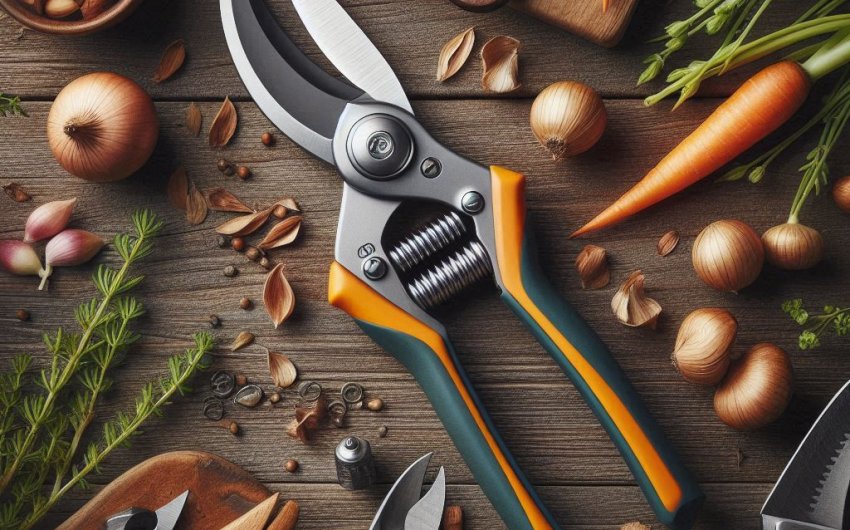
Fiskars Bypass Pruning Shears are a very popular gardening tool. They are a type of hand pruner designed for making clean cuts on live plant stems. The "bypass" part means the blades bypass each other, like a pair of scissors. One blade slices past the other. This action creates a very clean cut, much like cutting paper with scissors. This clean cut is crucial for plant health. These particular Fiskars shears have a 5/8-inch cut capacity. This means they can easily snip branches up to 5/8 of an inch thick. They are known for their sharp blades and comfortable design. The Fiskars Bypass Pruning Shears are a reliable choice for gardeners.
How Do Bypass Pruning Shears Work?
Understanding how bypass pruning shears work helps you use them effectively.
- Two Blades: Unlike anvil pruners (where one blade cuts onto a flat surface), bypass shears have two blades that pass by each other. One blade is usually very sharp and thin. The other blade is thicker and often curved slightly.
- Clean, Scissor-Like Cut: When you squeeze the handles, the sharp blade moves past the thicker blade. This action creates a clean, precise slice. Think of it as a very strong pair of scissors for your plants.
- Ideal for Live Stems: This type of cut is perfect for live stems and branches. It doesn't crush the plant tissue. Crushed tissue can invite diseases and slow healing. A clean cut heals faster, reducing stress on the plant.
- Minimizing Damage: Because the blades glide past each other, they don't pinch or tear the stem. This prevents bruising and damage to the plant's delicate inner structures. This is why bypass pruners are recommended for most pruning tasks on actively growing parts of a plant. A good garden clippers set will always include a bypass type.
What Does "5/8-Inch Cut Capacity" Mean?
The "5/8-inch cut capacity" is an important detail for any pruning shear.
- Maximum Thickness: This number tells you the thickest branch or stem these shears can cleanly cut. So, you can easily snip anything up to 5/8 of an inch in diameter.
- Right Tool for the Job: It's important not to try to cut branches thicker than this capacity. If you try, you could:
- Damage the shears (bend blades, break handles).
- Damage the plant (leave a poor, jagged cut that harms the plant).
- Injure yourself (strain your hand, or the shears could slip).
- Common Garden Tasks: A 5/8-inch capacity is great for many common gardening tasks. It's perfect for pruning roses, shaping shrubs, deadheading flowers, and trimming smaller branches on trees. For thicker branches, you would need a larger tool like loppers or a pruning saw. The Fiskars garden clippers are designed for precision.
Why Choose Fiskars for Your Pruning Needs?
Fiskars is a very well-known brand in the gardening world. Many gardeners trust their tools. There are good reasons for this popularity.
Reputation for Quality and Durability
Fiskars has been making tools for a very long time. They are known for making products that last. Their pruning shears are usually built with strong materials like hardened steel blades and durable handles. This means they can stand up to regular use in the garden without breaking easily. A tool that lasts saves you money in the long run. The Fiskars pruning shears are known for their lasting quality.
Sharp Blades for Clean Cuts
The most important part of any pruning shear is the blade. Fiskars often uses precision-ground, hardened steel blades that stay sharp. Sharp blades are essential for making clean cuts. Clean cuts are important for plant health because they heal faster and reduce the risk of diseases entering the plant. Dull blades can tear and damage stems.
Ergonomic Design for Comfort
Fiskars puts a lot of thought into how their tools feel in your hand. This is called ergonomic design. Their pruning shears often have:
- Comfortable Handles: Grips that fit well in your hand, often with soft-grip materials to prevent blisters and reduce hand fatigue, especially during long pruning sessions.
- Spring Action: Many models have a spring that gently pushes the handles open after each cut. This reduces the strain on your hand muscles.
- Safety Lock: A simple lock mechanism keeps the blades safely closed when not in use. This protects both the blades and your hands.
- Lightweight: While durable, Fiskars shears are often designed to be relatively lightweight. This also helps reduce fatigue during extended gardening tasks.
Widely Available and Affordable
Fiskars tools are easy to find. You can buy them in most garden centers, hardware stores, and online. They are also generally considered good value for money. You get a reliable, high-performing tool without a huge price tag. This makes them accessible to both new and experienced gardeners.
Good for Many Gardening Tasks
While specific to 5/8-inch cut capacity, Fiskars Bypass Pruning Shears are a versatile general-purpose pruner. They are perfect for daily pruning jobs, making them one of the most frequently used tools in a gardener's shed.
What Kinds of Plants Are Best Pruned with Bypass Shears?
Bypass pruning shears are the go-to tool for a wide variety of plants, especially those with live, green stems.
Roses
Roses are a classic example. When you prune roses, you need clean cuts to encourage new blooms and healthy growth. Bypass shears make the precise cuts needed for rose care, whether you're deadheading spent flowers or shaping the bush. Using pruning shears for roses helps prevent disease.
Flowering Shrubs
Many flowering shrubs like hydrangeas, lilacs, forsythia, and spirea benefit from pruning to encourage more flowers and maintain their shape. Bypass shears are perfect for snipping off old blooms or removing thin, crossing branches.
Perennials
Perennials (plants that come back year after year) often need to be deadheaded (removing spent flowers) or cut back after blooming. Bypass shears allow for gentle, precise cuts that won't damage the rest of the plant. Think about hostas, peonies, daylilies, and lavender.
Herbs and Vegetables
When harvesting herbs like basil, rosemary, or mint, or trimming certain vegetables like tomatoes or peppers, a clean cut is best. It encourages bushier growth in herbs and better production in vegetables. Bypass shears prevent crushing delicate stems. A Fiskars garden tool set should include this type.
Small Tree Branches
For the smaller, younger branches on fruit trees (like apple or cherry trees) or ornamental trees, bypass shears with a 5/8-inch capacity are often sufficient. They help you shape the tree and remove unwanted growth early on. Remember, for anything thicker than 5/8 inch, you'll need loppers or a pruning saw.
Woody Stems on Annuals
Even annuals (plants that live for only one season) can develop slightly woody stems. When deadheading or cutting them back, bypass shears will make the job much easier and cleaner than regular scissors.
In short, if you are cutting anything that is still alive and green, especially if you want to promote new growth or prevent disease, Fiskars Bypass Pruning Shears are the ideal tool for the job.
How to Make a Clean Cut for Plant Health?
Making a clean cut isn't just about having sharp shears. It's also about knowing where and how to cut. This helps your plants stay healthy and heal properly.
Use Sharp Blades
First and foremost, your Fiskars Bypass Pruning Shears must be sharp. Dull blades crush and tear stems instead of slicing them. This creates a ragged wound on the plant. Such wounds are more susceptible to:
- Disease: Open, torn tissue is an easy entry point for fungi, bacteria, and viruses.
- Pests: Damaged stems can attract certain pests.
- Slow Healing: The plant has to work harder to close up a messy wound, which stresses it.
Regularly sharpen your shears or replace the blades if possible.
Cut at the Right Angle
When cutting back to a node (a bump on the stem where a leaf or branch grows) or a side branch, make your cut about 1/4 inch above the node or junction.
- Angle: Cut at a slight angle (about 45 degrees). This angled cut allows water to run off the wound, preventing moisture from pooling and leading to rot or fungal growth.
- Avoid Too Close: Don't cut too close to the node, as you might damage the dormant bud that would otherwise sprout.
- Avoid Too Far: Don't leave a long stub, as this will die back and can also invite disease.
Cut Back to Healthy Wood
Always cut back to healthy, green wood. If a branch is diseased, damaged, or dead, make sure your cut is into the healthy part of the stem. Look for wood that looks firm and vibrant. Remove any discolored, mushy, or shriveled parts. A Fiskars pruning tool helps ensure healthy cuts.
Cut Outside a Bud
When shortening a stem or branch, make your cut just above an outward-facing bud. This encourages the plant to grow outwards, creating a bushier, more open shape. This helps with air circulation and sunlight penetration, which are both good for plant health.
Clean Your Blades
After pruning a diseased plant, or between pruning different plants, it's a good idea to clean your shears.
- Rubbing Alcohol: Wipe the blades with rubbing alcohol or a bleach solution (1 part bleach to 9 parts water). This kills any pathogens (disease-causing germs) that could be transferred from one plant to another.
- Why it Matters: This step is crucial for preventing the spread of plant diseases throughout your garden.
By following these simple techniques, combined with the sharpness of Fiskars Bypass Pruning Shears, you'll be giving your plants the best chance to thrive after every cut.
How Do You Care for Your Fiskars Pruning Shears?
Taking good care of your Fiskars Bypass Pruning Shears will ensure they stay sharp and last for many years. It's easy to do!
Clean After Each Use
This is the most important step. Sap, dirt, and plant debris can build up on the blades.
- Wipe Down: After each pruning session, wipe the blades clean with a damp cloth. If there's sticky sap, use a little rubbing alcohol or a specialized blade cleaner.
- Dry Thoroughly: Make sure the blades are completely dry before putting the shears away. Moisture can lead to rust.
Sharpen the Blades Regularly
Even the best blades will get dull over time.
- Frequency: How often you sharpen depends on how much you use your shears and what you're cutting. If you notice them tearing or crushing stems, it's time to sharpen.
- Method: Use a sharpening stone or a specialized pruner sharpener. Follow the angle of the original blade. Only sharpen the beveled edge (the slanted side) of the blade. The flat side should remain flat.
- Careful: Always be careful when sharpening. Wear gloves to protect your hands. Keeping your garden pruning shears sharp is key.
Oil the Blades and Pivot Point
Lubrication helps prevent rust and keeps the cutting action smooth.
- After Cleaning: After cleaning and drying your shears, apply a few drops of light machine oil (like 3-in-1 oil or mineral oil) to the blades and especially the pivot point where the two blades meet.
- Rust Prevention: The oil creates a protective barrier against moisture.
- Smooth Action: It also ensures the blades open and close smoothly, reducing strain on your hand.
Store Properly
Where you store your pruning shears also matters.
- Dry Place: Always store them in a dry place, like a tool shed or garage.
- Safety Lock: Engage the safety lock to keep the blades closed. This protects the blades from damage and prevents accidental cuts.
- Hang Up: Hanging them up on a hook can prevent them from getting buried under other tools and makes them easy to find.
Inspect for Damage
Periodically, give your shears a quick check.
- Tightness: Make sure all screws and bolts are tight. If anything feels loose, tighten it with the appropriate tool.
- Blade Condition: Check for nicks or bends in the blades that might affect cutting performance. Minor nicks might be sharpened out, but severe damage could mean replacing the shears.
By following these simple steps, your Fiskars Bypass Pruning Shears will be ready for action every time you step into your garden, providing those essential clean cuts for healthy plants. A well-maintained Fiskars Bypass Pruner is a gardener's best friend.
What is the Difference Between Bypass and Anvil Pruners?
When you go to buy pruning shears, you'll usually see two main types: bypass and anvil. While both cut, they do so in different ways, and each is best for specific tasks. Understanding the difference helps you choose the right tool for your plants.
Bypass Pruners (Like Fiskars Bypass Pruning Shears)
- How They Work: As discussed, bypass pruners have two blades that pass by each other, much like scissors. The sharp top blade slices past a thicker, lower blade.
- Best For:
- Live Wood: They are designed for making clean, precise cuts on live stems, green branches, and soft new growth.
- Plant Health: The clean cut minimizes damage to plant tissue, allowing the wound to heal quickly and reducing the risk of disease.
- Examples: Roses, flowering shrubs, perennials, herbs, small tree branches (up to their cut capacity).
- Pros: Clean cuts, good for plant health, precise.
- Cons: Not ideal for very thick or dead wood, as the blades can be forced apart or bent.
Anvil Pruners
- How They Work: Anvil pruners have a single sharp blade that closes down onto a flat, fixed "anvil" surface. The blade essentially chops through the branch against this flat base.
- Best For:
- Dead Wood: They are better suited for cutting dead, dry, or very woody branches. The crushing action isn't a problem on wood that no longer needs to heal.
- Harder Cuts: They can often handle slightly thicker or tougher dead branches than similarly sized bypass pruners because of the solid backing of the anvil.
- Pros: Good for dead wood, can handle tougher jobs, often very sturdy.
- Cons:
- Crushing Action: The main drawback is that they tend to crush the plant tissue on live stems. This creates a ragged, damaged wound that heals slowly and is prone to disease.
- Not for Live Plants: Therefore, they are generally not recommended for pruning live or green parts of your plants where clean healing is important.
Which to Choose?
- For most home gardeners: A good pair of bypass pruners, like the Fiskars Bypass Pruning Shears with a 5/8-inch capacity, is the first and most essential hand pruner to own. You'll use them constantly for all your general pruning on live plants.
- For specialized tasks: If you frequently deal with dead, brittle, or very woody material (e.g., clearing out old, dead branches from overgrown bushes), then an anvil pruner can be a useful secondary tool.
Having the right tool for the right job ensures your plants thrive and your tools last. For general garden maintenance, a reliable hand pruner like the Fiskars Bypass is indispensable.
What Other Fiskars Tools Should a Gardener Consider?
Once you've experienced the quality of Fiskars Bypass Pruning Shears, you might wonder what other Fiskars tools could improve your gardening experience. Fiskars offers a wide range of tools for various gardening tasks.
Fiskars Loppers
- Purpose: For cutting thicker branches that are too large for hand pruners (typically 1-2 inches in diameter).
- Why Fiskars: Many Fiskars loppers feature their patented PowerGear® technology, which multiplies your cutting power, making it easier to snip through thicker branches with less effort. They come in both bypass and anvil styles. Use a Fiskars lopper for heavier branches.
Fiskars Pruning Saws
- Purpose: For branches even thicker than loppers can handle (typically over 2 inches).
- Why Fiskars: Fiskars pruning saws often have aggressive tooth designs for fast and efficient cutting. They come in various styles, including folding saws (for safety and portability) and pole saws (for reaching high branches).
Fiskars Garden Shears / Snips
- Purpose: Smaller, lighter shears for delicate tasks like deadheading very fine flowers, harvesting herbs, or intricate trimming. They often have very pointed tips.
- Why Fiskars: Their micro-tip snips offer incredible precision and are very comfortable for repetitive, detailed work.
Fiskars Hand Weeding Tools
- Purpose: Tools designed for removing weeds.
- Why Fiskars: Fiskars offers various weeding tools, including dandelion weeders that get at taproots, and cultivators for loosening soil and removing shallow weeds. Many are designed for comfort and efficiency.
Fiskars Digging Tools (Shovels, Spades, Trowels)
- Purpose: For digging, planting, and moving soil.
- Why Fiskars: Fiskars digging tools are known for their durable construction, often featuring strong steel heads and ergonomic handles that reduce strain. Their trowels are particularly popular for planting small flowers and herbs. A Fiskars trowel is essential for planting.
Fiskars Rakes
- Purpose: For gathering leaves, debris, or leveling soil.
- Why Fiskars: Fiskars rakes are designed to be lightweight yet sturdy, with different head designs for various tasks (e.g., leaf rakes, garden rakes).
Fiskars Axes and Splitting Tools
- Purpose: For splitting wood or felling small trees.
- Why Fiskars: While more specialized for some gardeners, Fiskars has a strong reputation for high-quality axes and splitting mauls with excellent balance and cutting power.
When building your gardening tool collection, sticking with a trusted brand like Fiskars can ensure you have a cohesive set of reliable, durable, and comfortable tools that will make your gardening tasks easier and more enjoyable. From your basic Fiskars Bypass Pruning Shears to more specialized items, they offer quality for almost every need.