
Lavender Lullabies: Fragrant Elegance in Your Garden
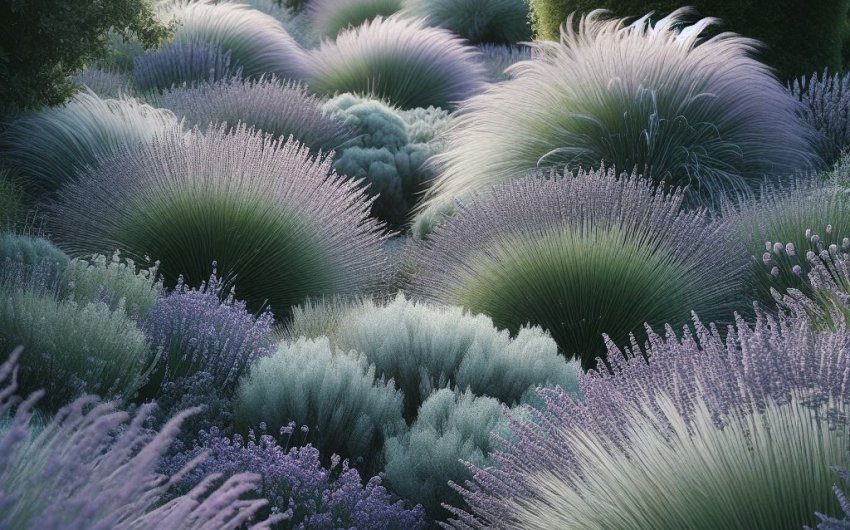
Lavender, with its unmistakable soothing fragrance and beautiful purple blooms, is indeed a plant that brings a sense of fragrant elegance and calm to any garden setting. Its presence evokes images of peaceful meadows and sun-drenched landscapes, making it a beloved choice for gardeners seeking both beauty and aromatic charm. Incorporating lavender can transform your outdoor space into a tranquil haven.
What Makes Lavender So Special for Gardens?
Lavender holds a unique place in the hearts of gardeners and aromatherapy enthusiasts alike, prized for a combination of aesthetic, aromatic, and practical qualities that few other plants can match. Its enduring appeal comes from its ability to engage multiple senses and offer a low-maintenance, high-reward gardening experience.
Here’s what makes lavender truly special:
- Enchanting Fragrance: The most celebrated feature is its intoxicating scent, renowned for its calming and relaxing properties. This aroma fills the air, creating a serene atmosphere and attracting beneficial pollinators like bees and butterflies.
- Stunning Visual Appeal: From its soft, silvery-green foliage to its iconic spikes of purple flowers, lavender adds exquisite beauty to any landscape. It complements a wide range of garden styles, from rustic cottage gardens to formal herb beds.
- Drought Tolerance: Once established, lavender is remarkably tough and drought-resistant, making it an excellent choice for xeriscaping or areas with limited water availability. It thrives in conditions where many other plants struggle.
- Low Maintenance: Lavender is surprisingly easy to care for, requiring minimal fuss once planted in the right conditions. It's not a demanding plant, making it perfect for busy gardeners.
- Versatile Uses: Beyond its garden beauty, lavender is incredibly versatile. Its dried flowers are used in sachets, potpourri, culinary dishes, essential oils, and even natural pest deterrents.
- Attracts Pollinators: Lavender is a magnet for bees, butterflies, and other beneficial insects, supporting local ecosystems and encouraging biodiversity in your garden.
- Deer and Rabbit Resistant: Most animals, including deer and rabbits, tend to avoid lavender due to its strong scent and slightly bitter taste, offering a natural protective barrier for other plants.
These combined qualities ensure lavender remains a timeless favorite, bringing both charm and practical benefits to any outdoor space.
What Are the Most Popular Types of Lavender for Home Gardens?
Choosing the most popular types of lavender for home gardens involves understanding their slight differences in hardiness, size, flower shape, and fragrance. While all lavenders share that unmistakable soothing aroma, selecting the right species for your climate and desired garden aesthetic is key to success. Each type offers its own unique charm and benefits, making the choice a delightful challenge.
Here are the most popular types of lavender, often found in home gardens:
English Lavender (Lavandula angustifolia)
This is often considered the quintessential lavender and is probably what most people imagine when they think of lavender.
- Characteristics: Known for its sweet, classic lavender fragrance, fine silvery-green foliage, and compact flower spikes. It's often the species used for essential oil production and culinary purposes.
- Hardiness: The hardiest type, generally thriving in USDA Zones 5-9.
- Appearance: Typically grows 1-3 feet tall and wide, with single-stemmed flower spikes.
- Popular Cultivars:
- 'Hidcote': Compact, deep purple flowers, very fragrant. Excellent for hedges or borders.
- 'Munstead': Slightly looser habit, vibrant lavender-blue flowers, very hardy. Great for general landscaping.
- 'Lavender Lady': Known for blooming in its first year from seed.
- 'Phenomenal': A newer, robust hybrid known for its exceptional winter hardiness and heat tolerance, as well as disease resistance.
- 'Maillette': A favorite for essential oil production due to its high oil content and strong, classic scent.
French Lavender (Lavandula dentata)
French lavender is easily recognizable by its unique, toothed (dentate) leaves.
- Characteristics: Its fragrance is slightly different from English lavender, often described as more camphoraceous or rosemary-like, but still pleasant. It’s known for its long blooming season.
- Hardiness: Less hardy than English lavender, generally suited for USDA Zones 8-10. Often grown as an annual or potted plant in colder climates.
- Appearance: Features grayish-green, finely toothed leaves and distinctive flower spikes topped with prominent bracts (leaf-like structures).
- Popular Cultivars: Often simply sold as 'French Lavender', it's more about the species itself than individual named cultivars for home gardeners.
Spanish Lavender (Lavandula stoechas)
Also known as Butterfly Lavender or topped lavender, Spanish lavender has a very distinctive look.
- Characteristics: Features striking, compact flower heads topped with prominent, colorful bracts that resemble rabbit ears or butterflies. The fragrance is typically stronger and more resinous or piney, often described as less sweet and more medicinal than English lavender.
- Hardiness: Similar to French lavender, it's less cold-hardy (USDA Zones 7-9/10), making it more suitable for warmer climates or container growing.
- Appearance: Its unique flower structure makes it an eye-catching ornamental.
- Popular Cultivars:
- 'Anouk': Deep purple flowers with prominent violet bracts, good heat tolerance.
- 'Otto Quast': Very large, showy, deep purple flowers with long, lighter purple bracts.
- 'Fathead': Known for its unusually large, plump flower heads.
Lavandin (Lavandula x intermedia)
These are hybrids, typically crosses between English Lavender (L. angustifolia) and Spike Lavender (L. latifolia).
- Characteristics: Lavandins are larger plants with a very strong, camphor-like fragrance due to their higher camphor content. They are widely used for dried flowers and essential oil production (often used in soaps and detergents) due to their abundant yields.
- Hardiness: Generally hardy in USDA Zones 5-9, often more robust than English lavender in heat and humidity.
- Appearance: Larger than English lavender, growing 2-4 feet tall and wide, with longer flower stalks.
- Popular Cultivars:
- 'Grosso': One of the most popular lavandins, known for its very long, dark purple flower spikes and strong fragrance. Excellent for drying.
- 'Provence': Another popular choice, with lovely pale purple flowers and a strong scent, often used in sachets.
- 'Riverina Thomas': A highly fragrant lavandin with striking violet-blue flowers.
When selecting lavender, consider your local climate, the intended use (culinary, ornamental, fragrant), and personal preference for scent. A lavender plant care guide can help you learn more about specific varieties.
What Are the Ideal Growing Conditions for Lavender?
Providing ideal growing conditions for lavender is paramount to ensuring these beautiful and fragrant plants thrive in your garden. While lavender is known for its resilience and drought tolerance, it does have specific preferences that, when met, lead to robust growth, abundant flowers, and the strongest possible fragrance. Mimicking its native Mediterranean habitat is the key to success.
Here are the essential conditions lavender needs to flourish:
- Sunlight: Full Sun is Essential
- Lavender absolutely loves and needs full sun, meaning at least 6-8 hours of direct sunlight per day.
- In shadier spots, lavender will become leggy, produce fewer flowers, and be more susceptible to fungal diseases due to retained moisture. The fragrance will also be diminished.
- Soil: Well-Drained and Lean
- This is perhaps the most critical factor. Lavender cannot tolerate wet feet or soggy soil. It thrives in well-draining, sandy or gravelly soil.
- Lean Soil: It prefers soil that is not overly rich in organic matter or nutrients. Too much fertility can lead to lush foliage but fewer flowers and weaker fragrance.
- pH: Lavender prefers slightly alkaline to neutral soil, with a pH range of 6.7 to 7.3. You can test your soil's pH with a soil test kit and amend it with lime or wood ash if your soil is too acidic.
- Watering: Drought-Tolerant Once Established
- Initial Watering: Water regularly during the first growing season to help the plant establish a strong root system.
- Established Plants: Once established (usually after 1-2 years), lavender is very drought-tolerant. Water sparingly, only when the soil is completely dry to the touch, and allow it to dry out thoroughly between waterings. Overwatering is the quickest way to kill lavender.
- Air Circulation:
- Good airflow around the plants is important to prevent fungal diseases, especially in humid climates.
- Ensure proper spacing between plants and prune annually to maintain an open structure.
- Climate and Hardiness:
- Choose a lavender type suited to your USDA Hardiness Zone. English lavenders are generally the hardiest, while French and Spanish lavenders prefer warmer climates.
- Protection (Winter in Colder Climates):
- In the colder limits of its hardiness range, providing a light layer of dry mulch (like pine needles or gravel, avoiding moisture-retaining materials) around the base in late fall can offer some winter protection.
By mimicking these sunny, well-drained, and somewhat lean conditions, you'll create an environment where your lavender can truly flourish, producing abundant fragrant blooms that evoke those serene lavender lullabies.
How Do I Properly Plant Lavender for Success?
Properly planting lavender is the foundation for a healthy, long-lived, and fragrant specimen in your garden. Getting the initial steps right, from selecting the plant to preparing the site, can make all the difference in whether your lavender thrives or struggles. It's about setting the plant up for success in its preferred growing conditions.
Here’s a step-by-step guide to planting lavender properly:
- Choose the Right Time:
- The best time to plant lavender is in spring, after the last danger of frost has passed, and the soil has begun to warm up. This gives the plant a full growing season to establish its roots before winter. Fall planting can also work in milder climates, giving roots time to establish before spring growth.
- Select a Healthy Plant:
- Choose a young lavender plant from a reputable nursery. Look for plants with green, healthy foliage and no signs of yellowing, wilting, or pest damage. Avoid plants that are root-bound or look stressed.
- Find the Perfect Spot:
- Select a location that receives full sun (at least 6-8 hours daily).
- Ensure the spot has excellent drainage. If your soil is heavy clay, this is where significant amendments come in.
- Prepare the Soil:
- Improve Drainage: If you have heavy clay soil, amend it generously. Dig in plenty of compost, coarse sand, pea gravel, or grit to dramatically improve drainage. Raised beds are also an excellent option for lavender in problematic soils.
- Adjust pH: If your soil test indicated an acidic pH, mix in some garden lime or wood ash to raise the pH to the preferred slightly alkaline range (6.7-7.3).
- Avoid Over-Fertilizing: Do not add rich, high-nitrogen fertilizers at planting. Lavender prefers lean soil.
- Dig the Planting Hole:
- Dig a hole that is twice as wide as the lavender plant's root ball but no deeper than the root ball itself. You want the top of the root ball to be level with or slightly above the surrounding soil, especially in areas with questionable drainage.
- Plant the Lavender:
- Gently remove the lavender plant from its nursery pot. If the roots are circling tightly, gently loosen them with your fingers.
- Place the plant in the center of the hole. Ensure the crown of the plant (where the stem meets the roots) is at or slightly above the soil line. Planting too deep can lead to rot.
- Backfill the hole with your amended soil, gently firming it around the base of the plant to remove air pockets.
- Water In:
- Water thoroughly after planting to settle the soil. This first watering is important for establishment.
- Mulch (Optional, with Caution):
- If you choose to mulch, use a light, gritty mulch like pea gravel or small stones, especially around the base. Avoid organic mulches like wood chips or bark directly against the crown, as they can retain too much moisture and cause rot.
- A bag of decorative pea gravel can protect roots and add a nice aesthetic.
- Spacing:
- Space plants according to their mature size (e.g., 2-3 feet apart for English lavender) to ensure good air circulation, which is vital for preventing fungal issues.
By following these planting steps, you provide your lavender with the best possible start, allowing it to establish a strong root system and flourish into a fragrant centerpiece of your garden.
How Often Should I Water Established Lavender?
Once your lavender plants are established, their watering needs shift dramatically from their initial planting phase. As resilient, drought-tolerant plants native to arid regions, established lavender requires very infrequent watering, relying instead on the moisture it can find deep within the soil. Overwatering is, in fact, one of the most common mistakes gardeners make with lavender, often leading to detrimental results.
For established lavender (typically after its first full growing season, or 1-2 years in the ground), you should water it sparingly and deeply, only when the soil is completely dry to the touch.
Here's a more detailed breakdown:
- During Dry Spells: In periods of prolonged drought or intense heat, you might need to water mature lavender every 2-4 weeks, depending on your soil type and climate.
- Average Conditions: In areas with moderate rainfall, established lavender might not need any supplemental watering at all.
- Checking Soil Moisture: The best way to determine if your lavender needs water is to check the soil manually. Stick your finger about 2-3 inches deep into the soil near the base of the plant. If it feels completely dry, then it's time to water. If it's still damp, wait. A soil moisture meter can also provide accurate readings.
- Deep Watering: When you do water, water thoroughly and deeply. This encourages the roots to grow further down into the soil, making the plant even more drought-resistant.
- Avoid Overhead Watering: Water at the base of the plant, avoiding wetting the foliage excessively, especially in humid conditions, as this can encourage fungal issues.
- Overwatering Risks:
- Root Rot: The biggest danger to lavender. Consistently wet soil suffocates roots and promotes fungal diseases that cause root decay.
- Leggy Growth: Too much water can lead to weak, leggy growth rather than the compact, woody structure characteristic of healthy lavender.
- Reduced Fragrance: Some believe overwatering can dilute the concentration of essential oils, thereby reducing the plant's fragrance.
In summary, the less you water established lavender, often the happier it is, as long as it's not experiencing extreme, prolonged drought. Embrace its natural preference for drier conditions, and your plants will reward you with abundant blooms and enchanting fragrance.
Do I Need to Fertilize Lavender?
For the most part, you do not need to fertilize lavender frequently, if at all. These resilient plants naturally thrive in relatively lean, low-nutrient soils, which mimics their native Mediterranean habitats. Over-fertilizing, especially with high-nitrogen fertilizers, is a common mistake that can actually harm lavender, leading to lush foliage but at the expense of its characteristic fragrant blooms.
Here's a breakdown of lavender's fertilization needs:
- Lean Soil Preference: Lavender prefers soil that is not overly rich. Its energy is best spent on developing its woody structure and producing flowers, not on excessive leafy growth.
- Compost is Usually Enough: The best "fertilizer" for lavender is often simply improving soil structure and providing a slow, gentle release of nutrients through organic matter. Incorporating compost into the soil at planting time, and perhaps a light top-dressing of compost annually in spring, is usually sufficient. This also helps maintain good drainage and provides a balanced array of micronutrients. A bag of organic garden compost can be very beneficial.
- Avoid High-Nitrogen Fertilizers: High-nitrogen fertilizers (where the first number in the NPK ratio is highest) promote leafy, green growth. While this might sound good, for lavender, it can lead to:
- Leggy, Weak Growth: Plants become soft and less woody, making them susceptible to flopping and less resilient to environmental stress.
- Fewer Flowers: Energy is diverted to foliage production instead of flower bud formation, resulting in a diminished bloom.
- Reduced Fragrance: Some studies suggest that over-fertilization can reduce the concentration of essential oils in the flowers, thereby weakening the fragrance.
- When to Consider a Light Feed (Rarely):
- If your soil is extremely poor or depleted (confirmed by a soil test).
- If the plant is showing clear signs of nutrient deficiency (e.g., pale, yellowing leaves that aren't related to overwatering or stress).
- In these rare cases, use a light, balanced, slow-release granular fertilizer with an NPK ratio like 5-10-5 or 10-10-10, or a specialized organic fertilizer for herbs or flowering plants, applied very sparingly in early spring.
The most important takeaway is that lavender is a low-feeder. Prioritize well-draining soil and ample sunlight, and your lavender will typically thrive without the need for extensive fertilization, producing those beautiful, fragrant lavender lullabies naturally.
How and When Should I Prune Lavender?
Pruning lavender is an essential maintenance task that ensures your plants remain healthy, vigorous, and produce an abundance of beautiful, fragrant flowers year after year. Without proper pruning, lavender can become leggy, woody, and less productive, losing its attractive mounding shape. The timing and technique of pruning depend slightly on the type of lavender you're growing.
Here's how and when to prune lavender effectively:
General Principles for All Lavender Types:
- Use Sharp, Clean Shears: Always use sharp pruning shears to make clean cuts, preventing damage and disease.
- Avoid Cutting into Old Wood (Mostly): Generally, avoid cutting into the thick, leafless woody stems at the very base of the plant. Lavender doesn't reliably resprout from old wood, so cutting too far down can kill the branch or even the entire plant. Always aim to leave some green leaves or new growth below your cuts.
Pruning English Lavender (Lavandula angustifolia) and Lavandin (Lavandula x intermedia):
These types are pruned similarly, often twice a year for best results.
- After the First Flush of Flowers (Main Pruning):
- When: Immediately after the first main flush of blooms in late spring or early summer, once the flowers start to fade.
- How: This is your most significant prune. Cut back about one-third to one-half of the current season's growth. This means cutting just below the spent flower spikes, shaping the plant into a tidy mound. Ensure you're leaving a few inches of leafy growth on each stem. This encourages a second, smaller flush of blooms and prevents the plant from getting too woody.
- Light Trim in Late Summer/Early Fall (Optional, but Recommended):
- When: In late summer or early fall, after any second flush of blooms, but at least 6-8 weeks before your average first hard frost.
- How: A lighter trim, focusing on removing any remaining spent flower stalks and lightly shaping the plant. This helps keep it compact and neat for winter, but don't cut too heavily at this time, as new growth might not harden off before cold weather.
Pruning Spanish Lavender (Lavandula stoechas) and French Lavender (Lavandula dentata):
These tend to bloom almost continuously in warm climates and require more frequent, lighter pruning.
- After Each Flush of Flowers (Throughout the Season):
- When: Whenever a flush of flowers starts to fade.
- How: Deadhead (remove spent flower stalks) and lightly trim back the top few inches of growth to encourage new blooms and maintain shape.
- More Significant Trim in Early Spring:
- When: In early spring, as new growth begins.
- How: Give the plant a more significant trim, cutting back about one-third of its overall size, always ensuring you leave plenty of green foliage. This helps rejuvenate the plant.
Consistent, thoughtful pruning keeps your lavender productive, prevents it from becoming straggly, and maintains its beautiful, compact form, ensuring a continuous supply of those fragrant lavender lullabies in your garden.
How Can Lavender Be Used Beyond the Garden?
The allure of lavender extends far beyond its visual appeal in the garden, making it one of the most versatile and beloved herbs cultivated today. Its aromatic, medicinal, and culinary properties have been cherished for centuries, transforming it into a staple for everything from relaxation remedies to gourmet dishes. Leveraging lavender's diverse uses allows you to bring its fragrant elegance into almost every aspect of your life.
Here's how lavender can be used beyond the garden:
- Aromatherapy and Relaxation:
- Essential Oil: Lavender essential oil is one of the most popular and widely studied essential oils, known for its calming, soothing, and stress-relieving properties. It's used in diffusers, diluted in carrier oils for massage, or added to bathwater.
- Sachets and Potpourri: Dried lavender flowers are perfect for filling sachets to place in drawers, closets, or under pillows for a gentle, natural fragrance that can aid sleep. It’s a natural insect repellent for clothes.
- Eye Pillows: Filled with dried lavender, these can be warmed or cooled for soothing tired eyes or helping with headaches.
- Culinary Uses:
- Flavoring: Culinary lavender (usually English lavender, Lavandula angustifolia, as it has a sweeter, less camphor-like flavor) adds a unique, floral, slightly savory note to dishes.
- Dishes: Used in herbs de Provence blends, lavender shortbread cookies, lavender lemonade, custards, ice cream, roasted meats (especially lamb and chicken), and even infused in sugar or honey.
- Teas: Dried lavender flowers can be brewed into a soothing herbal tea.
- Home and Body Care:
- Soaps and Lotions: Lavender's scent and gentle properties make it a popular ingredient in homemade and commercial soaps, lotions, bath bombs, and shampoos.
- Cleaning Products: Infused vinegar with lavender can be used as a natural, fragrant all-purpose cleaner.
- Insect Repellent: The strong scent of lavender is known to deter mosquitoes, flies, and moths. Sachets can keep moths out of closets, and sprays can be used as a natural bug repellent.
- Medicinal and Therapeutic:
- Skin Soother: Lavender oil (diluted) has mild antiseptic and anti-inflammatory properties, making it useful for soothing minor burns, insect bites, and skin irritations.
- Headache Relief: The aroma can help alleviate tension headaches when massaged into temples.
- Sleep Aid: Its relaxing properties are widely used to promote restful sleep.
- Crafts and Decorations:
- Dried Bouquets: Lavender's beautiful dried flowers retain their color and scent, making them perfect for dried floral arrangements, wreaths, or decorative bundles.
- Wands and Wreaths: Creating lavender wands is a traditional craft, and dried lavender wreaths are charming home decor.
- Pest Control (Garden and Home):
- Beyond garden benefits, dried lavender can be placed in cupboards or drawers to deter common household pests like ants and silverfish.
The versatility of lavender means that once you have it flourishing in your garden, its fragrant elegance can enrich almost every aspect of your daily life, creating a constant sense of calm and natural beauty.
How Can I Incorporate Lavender Into My Garden Design?
Incorporating lavender into your garden design is an excellent way to introduce fragrant elegance, visual beauty, and a host of practical benefits. Its distinctive silvery-green foliage and iconic purple flower spikes make it a versatile plant that can fit into a variety of garden styles. Strategic placement ensures you maximize its impact, creating serene and inviting outdoor spaces.
Here are creative ways to incorporate lavender into your garden design:
- Borders and Edging:
- Classic Look: Planting a neat row of lavender along the edge of a garden path, a flower bed, or a driveway creates a stunning, fragrant border. As the plants mature, they form a continuous, soft hedge.
- Defined Spaces: This also helps to define garden spaces and creates a visual transition.
- Rock Gardens and Xeriscapes:
- Drought-Tolerant Match: Lavender's preference for well-drained, lean soil and full sun makes it a natural fit for rock gardens or drought-tolerant xeriscapes.
- Contrast: Its soft foliage contrasts beautifully with rugged stones and other desert-adapted plants.
- Herb Gardens and Potagers:
- Aromatic Inclusion: As an herb, lavender is perfectly at home in a dedicated herb garden or a "potager" (ornamental vegetable garden).
- Pest Deterrent: Its pest-repelling qualities benefit nearby vegetables (avoiding planting near herbs that dislike its strong scent, like some basils).
- Cutting Gardens:
- Fragrant Bouquets: Plant lavender in a cutting garden to ensure a continuous supply of fresh or dried flowers for indoor arrangements, sachets, or culinary use.
- Container Planting:
- Versatile: For gardeners in colder climates or with heavy clay soil, growing lavender in large terracotta pots is an excellent option. This allows for precise control over soil drainage.
- Mobile Fragrance: Containers can be moved to patios, decks, or entryways to bring the fragrance closer to living spaces.
- Winter Protection: Potted lavender can be moved indoors or to a protected location for winter in colder zones.
- Sensory Gardens:
- Multi-Sensory: Lavender is a must-have for sensory gardens, engaging sight (color), smell (fragrance), and touch (soft foliage).
- Therapeutic: Its calming aroma contributes to a peaceful, therapeutic atmosphere.
- Mass Plantings:
- Dramatic Effect: For a truly breathtaking display reminiscent of the lavender fields of Provence, consider mass planting large areas with a single variety of lavender. This creates a striking visual impact and an overwhelming blanket of fragrance.
- Companion Planting:
- Beneficial Neighbors: Plant lavender near roses to deter aphids, or alongside other sun-loving, drought-tolerant perennials like coneflowers, sedum, salvia, and rosemary.
- Deer/Rabbit Barrier: Use lavender as a fragrant barrier around plants that are susceptible to deer or rabbit browsing.
By thoughtfully integrating lavender, you can enhance your garden's aesthetic, sensory appeal, and ecological balance, all while enjoying those calming lavender lullabies.
What Are Common Pests and Diseases of Lavender and How to Prevent Them?
While lavender is generally a resilient and low-maintenance plant, it's not entirely immune to issues. Understanding the common pests and diseases of lavender and, crucially, how to prevent them, will ensure your fragrant bushes remain healthy and vibrant. Most problems stem from improper growing conditions, highlighting the importance of providing its preferred habitat.
Here are the most common pests and diseases, and how to keep your lavender happy:
Common Pests:
- Aphids: Small, soft-bodied insects that suck sap from new growth.
- Prevention/Treatment:
- Good air circulation and proper spacing make plants less attractive.
- A strong spray of water can dislodge them.
- Introduce beneficial insects like ladybugs.
- For severe infestations, use insecticidal soap or neem oil spray.
- Prevention/Treatment:
- Spittlebugs: Also known as froghoppers, these insects create frothy "spit" on stems, protecting nymphs. They cause minimal damage but can be unsightly.
- Prevention/Treatment:
- Usually harmless. A strong spray of water will wash away the foam and the nymphs.
- Prevention/Treatment:
- Whiteflies: Tiny, white, winged insects that fly up when disturbed and suck sap from leaves.
- Prevention/Treatment:
- Good air circulation.
- Insecticidal soap or neem oil.
- Prevention/Treatment:
- Rosemary Beetles (Chrysolina americana): Small, iridescent green and purple beetles that feed on lavender leaves, leaving notches.
- Prevention/Treatment:
- Hand-pick and drop into soapy water.
- Good garden hygiene.
- Prevention/Treatment:
Common Diseases:
Most lavender diseases are fungal and are directly related to excessive moisture.
- Root Rot: The most common and devastating disease for lavender. Caused by fungi (like Phytophthora) in consistently wet or poorly draining soil.
- Symptoms: Wilting, yellowing leaves, stunted growth, blackened stems at the soil line, eventually leading to plant death.
- Prevention:
- Crucial: Plant in extremely well-draining soil.
- Avoid Overwatering: Water established plants sparingly, only when the soil is completely dry.
- Ensure proper soil amendments (sand, grit, compost for drainage).
- Plant in raised beds if you have heavy clay.
- Botrytis Blight (Gray Mold): A fungal disease that appears as fuzzy gray mold on flowers, buds, and leaves, especially in cool, humid, and poorly ventilated conditions.
- Symptoms: Brown spots on flowers and leaves, fuzzy gray mold, rotting stems.
- Prevention:
- Good Air Circulation: Ensure adequate spacing between plants.
- Prune for Openness: Prune annually to maintain an open structure.
- Avoid Overhead Watering: Water at the base of the plant.
- Remove infected parts immediately.
- Shab (Phoma lavandulae): A fungal disease that causes stems to yellow, wilt, and die back, often with dark spots at the base of the stem.
- Symptoms: Dieback, black lesions at the stem base, stunted growth.
- Prevention:
- As with root rot, excellent drainage is key.
- Avoid overwatering.
- Remove and destroy infected plants to prevent spread.
- Rotate planting locations if possible.
By prioritizing well-draining soil, full sun, good air circulation, and mindful watering, you address the root causes of most lavender problems, ensuring your plants remain robust and provide endless lavender lullabies.
Why is Lavender Resistant to Deer and Rabbits?
The strong, aromatic presence of lavender is a secret weapon against many common garden invaders, making it a favorite choice for gardeners plagued by browsing animals. Its natural resistance to deer and rabbits is a significant advantage, often allowing it to thrive untouched even in areas where other plants are regularly munched upon. This protective quality stems directly from the very compounds that give lavender its famous fragrance.
The primary reason lavender is resistant to deer and rabbits is its distinctive, strong scent and bitter taste, which are highly unappealing to these animals.
Here's a breakdown of why they tend to avoid it:
- Powerful Aroma (Odor Repellent): Lavender's leaves and flowers are packed with essential oils containing compounds like linalool, linalyl acetate, and camphor. These compounds create an intensely aromatic scent that is overpowering and irritating to the sensitive olfactory systems of deer and rabbits.
- These animals rely heavily on their sense of smell to forage for food and detect predators. A strong, unfamiliar odor like lavender can signal danger or simply make the plant unpalatable, masking the scent of more desirable food sources.
- Bitter Taste: Beyond the smell, if a deer or rabbit does take a exploratory nibble, the taste of lavender's foliage is often described as bitter and unpleasant due to the concentration of its aromatic compounds. This quickly deters them from taking further bites.
- Textural Dislike: While secondary, some theories suggest that the slightly fuzzy or coarse texture of lavender leaves (especially certain varieties) might also contribute to its repellence, as some animals prefer smooth, tender foliage.
- Natural Defense Mechanism: From an evolutionary standpoint, producing these strong-smelling and bitter compounds is a natural defense mechanism. Plants develop these traits to protect themselves from herbivores, ensuring their survival and reproductive success.
Important Considerations:
- Extreme Hunger: While highly resistant, no plant is 100% deer-proof. If deer or rabbits are extremely hungry due to lack of other food sources, they might sample or lightly browse even deterrent plants. However, consistent heavy damage is rare.
- New Plants: Very young, tender lavender plants might be slightly more vulnerable than established, mature ones, as their aromatic compounds may not be as concentrated.
- Varying Preferences: Individual deer or rabbit populations can sometimes have slightly different preferences, but generally, lavender remains a safe bet.
By planting lavender, you can enjoy its fragrant elegance with confidence, knowing that its natural defenses offer a strong deterrent against common garden pests, allowing your plants to flourish undisturbed.
Can Lavender Attract Beneficial Insects to My Garden?
Absolutely, lavender is a magnet for beneficial insects, playing a crucial role in creating a vibrant and healthy garden ecosystem. Its abundant, nectar-rich flowers are an irresistible draw for a wide variety of pollinators and other helpful creatures, making it an excellent choice for supporting biodiversity and enhancing natural pest control. Planting lavender is an easy way to bring your garden to life with buzzing and fluttering activity.
Here's how lavender attracts beneficial insects:
- Bees (Primary Attractor):
- Nectar and Pollen: Lavender flowers are rich in both nectar and pollen, providing essential food sources for a vast array of bee species, including honeybees, bumblebees, and various native bees.
- Pollination: Bees are primary pollinators, and their presence ensures not only lavender's reproduction but also helps pollinate other flowering plants and fruiting vegetables in your garden.
- Continuous Bloom: Many lavender varieties have an extended blooming period, providing a consistent food source for bees throughout the season.
- Butterflies:
- Nectar Source: The clusters of small, tubular lavender flowers are perfectly designed for butterflies to access nectar with their long proboscises.
- Visual Appeal: The vibrant purple color is also highly attractive to many butterfly species.
- Diversity: Planting lavender can attract a diverse range of butterflies, adding beauty and life to your garden.
- Hoverflies (Syrphid Flies):
- Pollinators and Pest Eaters: Hoverflies are fantastic beneficial insects. As adults, they are excellent pollinators, often mistaken for small bees.
- Aphid Predators: Their larvae are voracious predators of aphids and other soft-bodied pests, making them invaluable for natural pest control. Lavender attracts the adults, which then lay eggs nearby.
- Lacewings:
- Aphid and Mite Eaters: Adult lacewings feed on nectar and pollen (including lavender's), but their larvae are fierce predators of aphids, mites, and other small garden pests.
- Pest Control: Attracting adult lacewings to your lavender helps ensure their pest-eating larvae are present in your garden.
- Other Beneficials: Lavender can also attract other beneficial insects like parasitic wasps (which lay eggs in caterpillars or aphids), further contributing to natural pest management.
By inviting these beneficial insects into your garden with lavender, you're not just creating a more beautiful and fragrant space; you're fostering a healthier, more balanced ecosystem that requires fewer interventions and relies on nature's own pest control services. A thriving lavender patch truly creates a harmonious and active garden environment.
How Can I Incorporate Lavender Aromas Indoors?
Bringing the calming and elegant aromas of lavender indoors is a delightful way to extend its garden charm throughout your home. The versatility of lavender's scent allows for numerous applications, transforming living spaces into tranquil havens or adding a touch of natural freshness to everyday items. You can easily create your own lavender-infused products or simply enjoy its natural essence.
Here are various ways to incorporate lavender aromas indoors:
- Fresh or Dried Flower Arrangements:
- Vases: A simple bouquet of fresh lavender, whether from your garden or a local florist, will fill a room with its natural perfume.
- Dried Bundles: Hang dried lavender bundles upside down in various rooms. They retain their scent for months and look beautiful.
- Sachets and Potpourri:
- Drawers and Closets: Fill small muslin bags or decorative sachets with dried lavender buds. Place them in linen drawers, clothes closets, or under pillows. Not only do they impart a fresh scent, but lavender is also a natural moth deterrent. A kit for making lavender sachets can be a fun craft.
- Bowls: Display dried lavender in decorative bowls as potpourri on coffee tables or shelves.
- Essential Oil Diffusers:
- Aromatherapy: Use a lavender essential oil diffuser to disperse the calming scent throughout a room. This is particularly effective for relaxation, meditation, or promoting sleep in bedrooms.
- Pillow Sprays: Mix a few drops of lavender essential oil with distilled water in a spray bottle to create a natural linen or pillow spray.
- Homemade Cleaning Products:
- All-Purpose Spray: Infuse white vinegar with fresh or dried lavender for a week or two, then strain and use as an all-purpose, fragrant cleaner.
- Laundry: Add a few drops of lavender essential oil to wool dryer balls or a damp cloth in the dryer for naturally scented laundry.
- Candles and Soaps:
- Commercial Products: Purchase lavender-scented candles, soaps, lotions, and bath bombs to enjoy its aroma in self-care routines.
- DIY Projects: Make your own lavender-infused soaps or candles for a personalized touch.
- Culinary Delights:
- Herbal Teas: Brew dried culinary lavender buds into a soothing herbal tea.
- Infusions: Infuse sugar, honey, or olive oil with culinary lavender for use in baking, cooking, or dressings.
- Baking: Add a pinch of finely chopped culinary lavender to shortbread, scones, or cakes for a unique floral flavor.
- Eye Pillows and Heat Packs:
- Fill small fabric bags with dried lavender (and flax seeds or rice) to create microwaveable or freezable eye pillows or heat packs for relaxation and pain relief.
Whether through its raw form or extracted essences, bringing lavender's soothing and fragrant elegance indoors is a simple yet powerful way to enhance your home's ambiance and promote a sense of well-being.
Can Lavender Thrive in Hot and Humid Climates?
The question of whether lavender can thrive in hot and humid climates is a crucial one for gardeners in many parts of the world. While lavender famously loves sun and well-drained soil, its native Mediterranean habitat is generally hot and dry. High humidity, combined with heat, presents specific challenges that can make successful lavender cultivation more difficult, but not impossible, with careful selection and site preparation.
Here's a breakdown of how lavender fares in hot and humid climates:
- The Challenge: Humidity + Heat = Fungal Disease:
- Lavender's biggest enemy in humid climates is not just the heat itself, but the combination of heat and high moisture in the air and soil. This creates ideal conditions for fungal diseases like root rot, botrytis blight (gray mold), and shab.
- The dense, often fuzzy foliage of lavender can trap moisture, further exacerbating the problem.
- Best Bets: Lavandins and Some Spanish Lavenders:
- Certain types of lavender are more tolerant of humidity than others. Lavandin varieties (Lavandula x intermedia), such as 'Grosso' or 'Provence', are often bred for increased vigor and disease resistance, making them better choices for humid regions.
- Some Spanish lavender (Lavandula stoechas) cultivars can also tolerate more humidity due to their slightly different growth habits and leaf structures, though they are less cold-hardy.
- English lavenders (L. angustifolia) are generally less suitable for high humidity, as they are prone to fungal issues in such conditions.
- Strategies for Success in Hot, Humid Climates:
- Select Humidity-Tolerant Varieties: As mentioned, opt for Lavandins or specific Spanish lavender cultivars.
- Ensure Superior Drainage: This is absolutely non-negotiable.
- Plant in raised beds to elevate the root zone and improve drainage.
- Amend heavy clay soils with copious amounts of grit, coarse sand, and compost to create a very fast-draining medium.
- Consider growing in large pots with drainage holes to control the soil mix.
- Maximize Air Circulation:
- Wide Spacing: Plant lavender with generous spacing between individual plants (e.g., 3-4 feet apart for larger varieties) to allow air to flow freely around them.
- Prune for Openness: Prune annually to maintain an open, airy structure and remove dead or congested growth.
- Location: Choose a site that gets good breezes, avoiding sheltered, stagnant corners.
- Water Wisely:
- Deep and Infrequent: Even in humidity, established lavender needs minimal watering. Water deeply when the soil is completely dry, then allow it to dry out again.
- Early Morning Watering: Water in the early morning so that foliage has time to dry before evening. Avoid overhead watering.
- Full Sun Exposure: Ensuring full sun helps dry out foliage quickly after rain or dew, reducing fungal risk.
- Gritty Mulch: Use a thin layer of pea gravel or small stones as mulch around the base to reduce soil splash and prevent moisture from sitting directly on the crown, rather than organic mulches that retain moisture.
While more challenging than in dry climates, with careful selection of varieties and meticulous attention to drainage and air circulation, lavender can certainly bring its fragrant elegance to hot and humid gardens, filling the air with those soothing lavender lullabies.
Can Lavender Be Grown in Containers?
Yes, lavender can absolutely be grown successfully in containers, making it an excellent option for gardeners with limited ground space, those in colder climates, or anyone who wants to enjoy its fragrant elegance on a patio, balcony, or by an entryway. Growing lavender in pots offers flexibility and allows for precise control over its growing conditions, particularly the crucial aspect of soil drainage.
Here are the benefits and considerations for growing lavender in containers:
Benefits of Container Growing:
- Drainage Control: This is the biggest advantage. You can create the perfect well-draining, gritty soil mix that lavender craves, even if your garden soil is heavy clay.
- Portability: Containers allow you to move your lavender:
- To optimize sun exposure throughout the day.
- To provide winter protection in cold climates (move indoors or to a sheltered garage).
- To place fragrant plants strategically near seating areas, doorways, or windows.
- Soil pH Management: Easier to maintain the slightly alkaline to neutral pH that lavender prefers.
- Pest and Disease Management: Container plants can sometimes be easier to monitor and manage for pests and diseases, and isolation can prevent spread.
- Design Flexibility: Use decorative pots to enhance your garden aesthetic or create charming fragrant accents. A stylish ceramic planter can complement the plant's beauty.
Considerations for Container Growing:
- Container Size and Material:
- Size: Choose a container that is at least 12-16 inches in diameter (or larger for bigger varieties) to allow for root growth.
- Drainage Holes: Absolutely essential. Ensure the pot has ample drainage holes at the bottom.
- Material: Terracotta pots are excellent choices because they are porous and allow excess moisture to evaporate from the sides, promoting drier soil conditions. Plastic pots work too, but ensure they have good drainage.
- Potting Mix:
- Use a specialized cactus and succulent potting mix, or create your own by mixing regular potting soil with equal parts perlite, coarse sand, or grit. The goal is maximum drainage.
- Do not use heavy garden soil, which will compact and retain too much moisture.
- Watering:
- Container plants generally dry out faster than in-ground plants. However, for lavender, you still need to water sparingly. Check the soil frequently with your finger or a soil moisture meter. Only water when the top 2-3 inches of soil are completely dry.
- Ensure all excess water drains out, and don't let the pot sit in standing water.
- Fertilization:
- Container plants may eventually deplete soil nutrients more quickly than in-ground plants. A very light, balanced, slow-release granular fertilizer or a dilute liquid feed in early spring can be beneficial, but still, err on the side of less.
- Pruning:
- Prune container lavender just as you would in-ground plants to maintain shape and encourage blooming.
- Winter Protection (Cold Climates):
- In zones colder than lavender's hardiness range, bring potted plants indoors to an unheated garage, shed, or cool, brightly lit room. Reduce watering significantly during winter dormancy.
With the right container and potting mix, lavender can flourish beautifully in pots, allowing you to enjoy its fragrant elegance no matter your garden space or climate.
How Do I Harvest Lavender for Best Fragrance?
To capture the true essence of lavender's fragrant elegance, knowing how and when to harvest it for its best aroma is a vital skill. Timing is crucial, as the concentration of essential oils, which are responsible for its soothing scent, varies throughout the plant's blooming cycle. Harvesting at the peak moment ensures you get the most aromatic yield for drying, cooking, or crafting.
Here's how to harvest lavender for its best fragrance:
- Timing is Everything: Just Before Full Bloom
- The optimal time to harvest lavender for fragrance is when the flower buds have just opened, showing their color, but before they are fully open and attracting many pollinators.
- At this stage, the essential oil concentration is typically at its highest, and the flowers retain their color best when dried.
- Observation: Look for flowers where about one-third to one-half of the individual florets on a spike have opened.
- Best Time of Day:
- Harvest in the late morning on a dry, sunny day, after the dew has evaporated but before the sun's intense heat starts to evaporate the essential oils.
- Avoid harvesting after rain, as wet flowers are prone to mold when dried.
- Method of Harvesting:
- Use Sharp Shears: Use clean, sharp bypass pruners or shears to make clean cuts.
- Cut Long Stems: Cut the flower stalks with long stems. Aim to cut about one-third to one-half of the stem length, ensuring you leave at least two sets of leaves on the remaining plant. This encourages the plant to produce new growth and potentially a second flush of blooms.
- Harvest in Bunches: Gather handfuls of stems into small bunches before cutting.
- Pruning Bonus: Harvesting at this stage often doubles as your first light pruning for the season, helping to shape the plant and encourage new growth.
- Prepare for Drying:
- Remove Lower Leaves: After cutting, strip off any leaves from the bottom few inches of the stems.
- Bind in Small Bunches: Gather the stems into small bunches (about 1/2 inch to 1 inch thick). Use rubber bands, twine, or string to secure them tightly, as stems will shrink as they dry.
- Hang Upside Down: Hang the bunches upside down in a cool, dry, dark place with good air circulation. Basements, closets, or even a pantry can work. Avoid direct sunlight, which will bleach the color and diminish the scent.
- Drying Time:
- Lavender typically takes 1-3 weeks to dry completely, depending on humidity and bunch size. The stems should snap easily when dry, and the buds should crumble when touched.
- Storage:
- Once fully dry, you can strip the buds from the stems (for culinary use, sachets, or crafts) or keep the bundles intact. Store dried lavender in airtight containers (glass jars are ideal) in a cool, dark place to preserve its fragrance for a long time.
By following these harvesting techniques, you'll maximize the aromatic potency of your lavender, ensuring those fragrant lullabies from your garden can be enjoyed long after the blooming season has passed.
How Does Lavender Promote Relaxation and Well-being?
The reputation of lavender as a natural aid for relaxation and well-being is well-deserved, supported by centuries of traditional use and a growing body of scientific research. Its unique chemical compounds interact with our bodies and minds in ways that promote calm, reduce stress, and improve sleep quality. Incorporating lavender into daily routines can be a simple yet powerful step towards a more serene and balanced life.
Here's how lavender promotes relaxation and well-being:
- Aromatic Compounds and the Olfactory System:
- Linalool and Linalyl Acetate: The primary compounds responsible for lavender's signature scent are linalool and linalyl acetate. When inhaled, these molecules interact with the olfactory (smell) receptors in the nose.
- Direct Brain Pathway: The olfactory system has a direct connection to the limbic system in the brain, which is responsible for emotions, memory, and regulating the nervous system. This direct pathway means that inhaled lavender scent can quickly influence mood and physiological responses.
- Impact on the Nervous System:
- Parasympathetic Activation: Lavender's aroma is believed to stimulate the parasympathetic nervous system, which is responsible for the "rest and digest" response. This counteracts the "fight or flight" response of the sympathetic nervous system, leading to a state of calm.
- Reduced Anxiety and Stress: Studies have shown that inhaling lavender can reduce anxiety levels, lower heart rate, and decrease blood pressure, all indicators of reduced stress. It can alleviate feelings of nervousness and agitation.
- Improved Sleep Quality:
- Sedative Properties: The calming effects of lavender extend to promoting better sleep. Its aroma can help individuals fall asleep more easily, experience deeper sleep, and wake up feeling more refreshed. It's often used as a natural remedy for insomnia.
- Pre-Sleep Routine: Incorporating lavender into a bedtime routine (e.g., a few drops of essential oil on a pillow, a lavender bath, or a diffusing oil) can signal to the body that it's time to wind down.
- Muscle Relaxation:
- Topical Application: When diluted lavender essential oil is applied topically (e.g., in a massage oil), it can help relax tense muscles and soothe minor aches and pains, further contributing to a feeling of physical relaxation.
- Mood Enhancement:
- Beyond just relaxation, lavender's pleasant aroma can also uplift spirits and improve overall mood, combating feelings of sadness or lethargy.
Whether enjoyed directly from your garden or through its extracted essential oil, the fragrant elegance of lavender provides a powerful, natural pathway to a more relaxed state, contributing significantly to overall peace and well-being.
In conclusion, the journey through the world of lavender reveals a plant of remarkable versatility and enduring charm. From its role in creating a fragrant elegance in your garden to its numerous applications indoors, lavender consistently offers soothing benefits. By understanding its ideal growing conditions, proper care, and the specific characteristics of different varieties, you can ensure your garden is not just visually stunning but also a continuous source of calming lavender lullabies, contributing to both the beauty of your outdoor space and your personal well-being.