
Fresh Flavor Anytime: Tips for Growing Basil Indoors
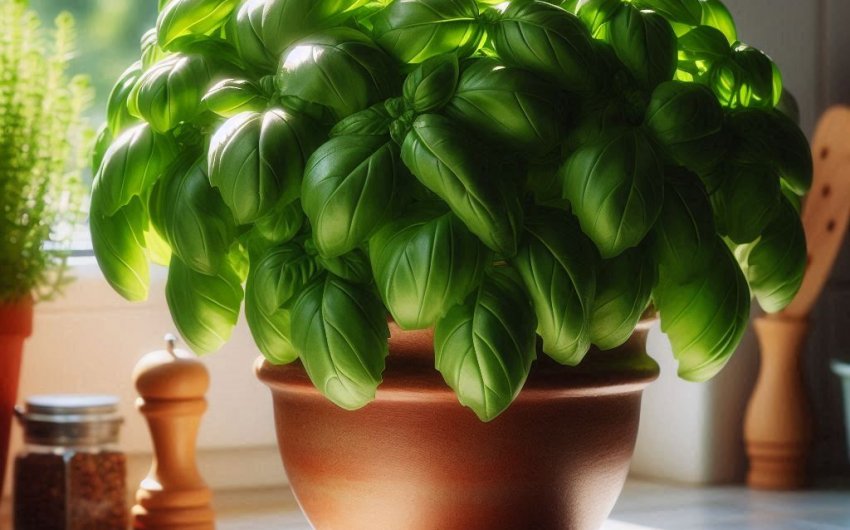
Growing basil indoors allows you to enjoy its fresh, aromatic flavor year-round, adding a gourmet touch to your dishes regardless of the season. Success hinges on providing ample light, consistent moisture, warm temperatures, and regular harvesting.
Why Grow Basil Indoors?
Growing basil indoors offers unparalleled convenience and freshness that store-bought basil simply can't match. It transforms your kitchen into a fragrant, living pantry, ensuring gourmet flavor is always at your fingertips.
What are the Benefits of Indoor Basil?
- Year-Round Availability: Basil is a warm-weather annual outdoors. Growing basil indoors bypasses seasonal limitations, providing fresh leaves even in the dead of winter. This means no more relying on expensive, often wilted, supermarket basil.
- Superior Flavor and Aroma: Basil picked fresh from the plant just moments before use has an incredibly vibrant, intense, and complex flavor that rapidly diminishes once harvested. The delightful aroma of fresh basil can also subtly perfume your kitchen.
- Ultimate Convenience: Imagine being able to snip exactly what you need for your pesto, Caprese salad, or pasta sauce without stepping outside. Your ingredients are literally within arm's reach.
- Cost Savings: While there's a small initial setup cost, a healthy basil plant can produce abundant leaves for months, quickly paying for itself compared to repeatedly buying small bunches.
- Control Over Growing Conditions: When growing basil indoors, you control the environment. You can ensure it's grown organically, free from unwanted pesticides or chemicals.
- Aesthetic Appeal: Basil plants are attractive with their bright green leaves, adding a touch of natural beauty and vibrant life to your kitchen windowsill, counter, or dedicated grow shelf.
- Therapeutic Hobby: The act of nurturing plants, observing their growth, and harvesting your own food is a proven stress reliever. Tending to a basil plant can be a calming and rewarding activity.
What Challenges Might I Encounter When Growing Basil Indoors?
While generally easy, there are a few common hurdles to be aware of:
- Light Requirements: This is often the biggest challenge. Basil is a sun-lover and needs significant bright, direct light. Natural window light might not always be enough, especially in winter.
- Watering Balance: Basil likes consistent moisture but hates soggy feet. Overwatering is a common killer.
- Temperature Sensitivity: Basil hates cold. Sudden drafts or consistently cool temperatures can cause it to decline rapidly.
- Bolting: Basil will try to flower (bolt) if conditions aren't ideal or if it's not harvested regularly, leading to bitter leaves.
- Pest Management: Indoor environments can still attract pests like aphids or spider mites, which require vigilance.
By understanding these points, you'll be well-prepared to successfully embark on growing basil indoors.
What Type of Basil is Best for Indoor Growing?
When growing basil indoors, selecting the right variety can significantly impact your success and enjoyment. While most types of basil can be grown inside, some are naturally better suited due to their growth habit and size.
Top Basil Varieties for Indoor Cultivation:
Genovese Basil (Sweet Basil):
Advertisement- Why it's popular: This is the classic Italian basil, with large, vibrant green leaves and the quintessential sweet, pungent flavor. It's what most people think of when they picture basil.
- Indoor Suitability: Grows well indoors, but needs ample light and regular pinching to maintain a bushy shape. Can get quite tall.
- Uses: Perfect for pesto, Caprese salad, and Italian dishes.
- Consider a Botanical Interests Genovese Basil Seeds.
Dwarf Basil Varieties (e.g., 'Bush' Basil, 'Spicy Globe' Basil):
- Why they're excellent for indoors: These compact varieties naturally grow in a bushy, mounding habit and stay much smaller than Genovese basil. Their smaller leaves are also convenient for use without much chopping.
- Indoor Suitability: Ideal for windowsills and smaller spaces due to their compact size and naturally bushy form.
- Uses: Great for garnish, individual servings, or when you need small quantities of basil frequently.
Lemon Basil:
- Why it's a good choice: Offers a delightful citrusy aroma and flavor, adding a unique twist to dishes. It's often a smaller plant than Genovese.
- Indoor Suitability: Grows well indoors with similar light and water needs to other basils.
- Uses: Excellent in fish dishes, chicken, salads, and infused waters.
Cinnamon Basil/Thai Basil:
- Why they're unique: These varieties have distinct, often spicier or more anise-like flavors. Thai basil typically has purplish stems and flowers.
- Indoor Suitability: Can be grown indoors but may require slightly more heat. Provide good light to enhance their unique flavors.
- Uses: Stir-fries, curries, Southeast Asian cuisine.
Considerations When Choosing:
- Flavor Preference: Think about the types of dishes you cook most often. Do you want classic pesto basil, a citrusy twist, or something spicier?
- Space Available: If you have a very small windowsill, a dwarf variety might be a better fit than a sprawling Genovese.
- Growth Habit: Dwarf and bush varieties tend to be naturally more compact and bushy, requiring slightly less aggressive pinching than Genovese, making them a bit easier for beginners.
No matter which variety you choose, the core needs for growing basil indoors remain largely the same: abundant light, consistent moisture, and warmth.
What are the Best Conditions for Growing Basil Indoors?
Successful growing basil indoors hinges on providing the right environmental conditions, mimicking its preferred outdoor sunny and warm climate. Attention to light, temperature, humidity, and airflow are crucial.
Ideal Conditions for Indoor Basil:
Light (Absolutely Crucial!):
- Requirement: Basil is a sun-loving plant and needs at least 6-8 hours of direct, bright sunlight per day to thrive indoors. Without sufficient light, it will become leggy, weak, and produce pale, less flavorful leaves.
- Natural Light: A south-facing window (in the Northern Hemisphere) is generally the best spot, as it receives the most prolonged direct sun. West-facing windows can also work. Avoid north-facing windows entirely.
- Grow Lights (Highly Recommended): For truly robust and productive basil, especially during winter months or if natural light is insufficient, full-spectrum LED grow lights are a game-changer.
- Placement: Position the grow light about 6-12 inches (15-30 cm) above the top of your basil plant.
- Duration: Provide 12-16 hours of light per day. Use a timer for consistency.
- A good option is a Barrina T5 Grow Light.
Temperature:
- Requirement: Basil is a warmth-loving herb. It thrives in consistent temperatures between 65-80°F (18-27°C).
- Avoid Cold: Basil is highly sensitive to cold. Keep it away from drafty windows, exterior doors, or air conditioning vents, especially in winter. Temperatures below 50°F (10°C) can cause leaves to blacken and the plant to decline rapidly.
- Consistency: Avoid sudden temperature drops.
Humidity:
- Requirement: Basil prefers moderate to high humidity, typically around 40-60%. Most homes, especially in winter with heating, can be drier than basil prefers.
- Solutions:
- Pebble Tray: Place the potted basil on a pebble tray filled with water (ensure the pot sits above the water). As the water evaporates, it increases humidity around the plant.
- Humidifier: In very dry environments, a small room humidifier can benefit your basil and other houseplants.
- Avoid Misting: While some recommend misting, it's generally not effective for increasing humidity long-term and can encourage fungal diseases on basil's delicate leaves.
Air Circulation:
- Requirement: Good air circulation around the plant is important to prevent fungal diseases like powdery mildew, especially if humidity is high or temperatures fluctuate.
- Solutions: Don't overcrowd plants. If growing in an enclosed area with grow lights, a small oscillating fan for a few hours a day can be beneficial.
By meticulously controlling these environmental factors, you will create the optimal conditions for growing basil indoors that is not just alive, but truly thriving.
What is the Best Soil and Pot Type for Indoor Basil?
Choosing the right soil and pot is foundational for successful growing basil indoors. These elements directly impact drainage, aeration, moisture retention, and nutrient availability, all critical for basil's sensitive root system.
Best Potting Mix for Indoor Basil:
- Never Use Garden Soil: This is crucial. Outdoor garden soil is too dense, compacts easily in pots (leading to root suffocation), and can introduce pests, diseases, and weed seeds indoors. It also doesn't provide the aeration and drainage necessary in a confined container.
- High-Quality, Well-Draining Potting Mix: Opt for a premium, well-draining potting mix specifically formulated for containers or labeled "potting soil for indoor plants." Basil likes consistent moisture, so the mix should hold some water but also drain freely to prevent sogginess. A good mix will feel light, airy, and fluffy.
- Enhance Drainage (Optional): While basil likes moisture, it hates soggy roots. If your chosen potting mix feels a bit too heavy, you can amend it by mixing in about 1 part perlite to 4-5 parts potting mix. Perlite is a lightweight, porous volcanic rock that significantly improves drainage and aeration.
- Nutrient Content: Most good commercial potting mixes contain a small amount of slow-release fertilizer, providing initial nutrients. However, remember to provide supplemental fertilization as needed once the basil is actively growing.
A reliable choice for a general-purpose potting mix that supports healthy root development and helps deter common indoor pests like fungus gnats is Miracle-Gro Indoor Potting Mix.
Selecting the Ideal Pot Type and Size for Indoor Basil:
- Drainage Holes Are Non-Negotiable: This is the absolute most critical feature for any pot used for growing basil indoors. Every single pot MUST have drainage holes at the bottom. Without them, excess water accumulates, depriving basil roots of essential oxygen and leading to root rot – the leading cause of basil plant death. If you love a beautiful decorative pot without holes, use it as a cachepot (an outer, decorative pot) and place your basil in a plain nursery pot (with drainage holes) inside it.
- Consider Pot Material:
- Plastic Pots: These are often a good choice for basil. They are lightweight, inexpensive, and retain moisture longer than terracotta. This can be beneficial for basil, which prefers consistently moist soil.
- Glazed Ceramic Pots: Aesthetically appealing and come in a wide range of designs. Like plastic, they are non-porous and retain moisture. Always double-check that they have adequate drainage holes.
- Terracotta/Unglazed Clay Pots: While excellent for herbs that prefer drier conditions (like rosemary), terracotta dries out faster. If using terracotta for basil, you will need to monitor moisture levels more frequently and water more often.
- Choose the Right Pot Size:
- Start Appropriately: Don't put a tiny basil seedling into a giant pot. A pot that is too large holds an excessive amount of soil and moisture, which can stay wet for too long and suffocate the roots, significantly increasing the risk of root rot.
- For basil seedlings or very young plants, begin with pots that are approximately 4-6 inches (10-15 cm) in diameter.
- As your basil plant grows, repot it into a container that is only 1-2 inches (2.5-5 cm) larger in diameter than its current root ball.
- Most mature basil plants will thrive in pots that are around 6-8 inches (15-20 cm) in diameter. If you want a truly large, bushy plant, you might eventually move to a 10-inch (25 cm) pot.
- If you plan on planting multiple basil plants in one container, ensure the container is large enough to accommodate their mature sizes without overcrowding (e.g., three basil plants in a 12-inch pot).
By diligently selecting the appropriate well-draining soil mix and pots with excellent drainage, you will establish a robust and healthy environment, critically contributing to the success of growing basil indoors.
How Do I Water and Fertilize Basil Indoors?
Mastering watering and understanding fertilization are vital for keeping your basil indoors thriving. Basil has specific preferences that, if met, lead to abundant, flavorful harvests.
Watering Basil Indoors:
Basil loves consistent moisture but despises soggy roots. Overwatering is the most common cause of basil plant death.
- The Golden Rule: Check the Soil First: This is the most crucial step. Stick your finger about 1 inch (2.5 cm) deep into the soil.
- If it feels moist, wait.
- If the top inch feels dry, it's time to water.
- You can also learn to judge by lifting the pot; a dry pot will feel significantly lighter than a freshly watered one.
- Water Thoroughly: When you water, apply water slowly and evenly over the entire soil surface. Continue watering until you see water draining generously from the bottom of the pot. This ensures that the entire root ball is thoroughly moistened.
- Drain Excess Water (CRITICAL!): Never allow your potted basil to sit in standing water in its saucer or decorative pot for extended periods. Within 15-30 minutes of watering, empty any accumulated water. Stagnant water deprives roots of essential oxygen and leads to root rot.
- Water Temperature: Always use room-temperature water. Cold water can shock basil's sensitive roots.
- Bottom Watering (Recommended): For delicate basil or to help prevent fungus gnats, try bottom watering. Place the potted basil in a saucer filled with 1-2 inches of water. Let the plant absorb water from the bottom up until the topsoil feels moist. Remove the pot from the tray to drain any excess.
- Frequency: Basil generally needs watering every 2-4 days, depending on the size of the plant/pot, the warmth of your home, and the amount of light it receives. In very sunny, warm conditions, it might need daily watering.
Fertilizing Basil Indoors:
Basil is a relatively heavy feeder, especially since you're constantly harvesting its leaves.
- Initial Potting Mix Nutrients: Most good quality commercial potting mixes contain initial nutrients sufficient for the first 4-6 weeks of growth. You generally don't need to fertilize newly potted basil immediately after planting or repotting.
- Active Growing Season Only: The best time to fertilize your basil is during its active growing season, which is primarily spring and summer. This is when it's actively putting out new growth and can most efficiently utilize the nutrients you provide.
- Dormancy/Winter: Reduce or completely stop fertilizing during the fall and winter months. During this period, basil's growth naturally slows due to shorter days and lower light intensity. It will not need as many nutrients, and excess fertilizer can accumulate in the pot and harm its roots.
- Choose a Balanced Liquid Fertilizer: For basil's lush foliage, a balanced liquid fertilizer with an equal or slightly higher nitrogen (N) content is ideal. Nitrogen promotes strong leaf growth. Look for N-P-K (Nitrogen-Phosphorus-Potassium) ratios such as 5-5-5, 10-10-10, or 7-3-5.
- Organic Options (Recommended for Edibles): Many gardeners prefer organic fertilizers for edibles.
- Liquid Seaweed or Fish Emulsion: Excellent choices that provide micronutrients. (Fish emulsion can have a mild odor, so apply in a well-ventilated area).
- Worm Castings: Can be mixed into the topsoil or used to make "worm tea."
- Dilute Properly (Absolutely Critical!): This is one of the most important rules for fertilization. Always dilute liquid fertilizers to half or even quarter strength of the recommended dosage found on the product label. Over-fertilization is a very common problem for indoor plants and can lead to "fertilizer burn," which severely damages roots and causes leaf tips to turn brown and crispy. When in doubt, err on the side of under-fertilizing.
- Apply to Moist Soil: Never apply fertilizer to a dry plant. Always water your basil thoroughly first, ensuring the soil is evenly moist. Then, apply the diluted fertilizer. Applying fertilizer to dry soil can shock the roots and cause severe chemical burns.
- Frequency: During the active growing season, fertilize your basil indoors approximately every 2-3 weeks. If you are harvesting very frequently, you might lean towards every 2 weeks.
A good organic choice for feeding your potted basil is Espoma Organic Indoor! Liquid Plant Food. By diligently following these watering and fertilizing guidelines, you will significantly boost the health and productivity of your basil indoors, ensuring a continuous supply of fresh, flavorful leaves.
How Do I Harvest and Prune Basil for Continuous Growth?
Proper harvesting and pruning techniques are crucial for maintaining a healthy, bushy, and highly productive basil indoors. These practices directly encourage new growth, prevent premature flowering (bolting), and ensure you're consistently getting the most flavorful leaves.
Why Harvest and Prune Basil Regularly?
- Promotes Bushy, Dense Growth: Basil has an apical dominance, meaning it tends to grow tall from a single central stem. When you pinch off the top growth, the plant is signaled to send energy to the dormant "nodes" (the points where leaves or branches emerge from the stem) located below the cut. This stimulates the growth of two new stems from those nodes, resulting in a denser, bushier plant instead of a tall, leggy, or sparse one.
- Delays Bolting and Extends Lifespan: Basil is an annual herb that eventually wants to flower and produce seeds. This process, called "bolting," typically leads to the leaves becoming bitter, smaller, and less aromatic, signaling the end of the plant's productive life for culinary use. Regular harvesting and pinching off flower buds dramatically delay bolting, extending your harvest season.
- Maintains Plant Health: Removing older, yellowing, damaged, or diseased leaves allows the plant to direct its energy more efficiently to healthy new growth. It also improves air circulation around the plant, which reduces the risk of fungal issues (like powdery mildew) and pest infestations.
- Increases Overall Yield: Paradoxically, consistent and correct harvesting actually stimulates the plant to produce more leaves over time, providing you with a continuous and abundant supply of fresh basil.
Specific Harvesting Techniques for Basil Indoors:
- Start Early: Begin harvesting when your basil plant is about 6-8 inches (15-20 cm) tall and has at least two or three sets of true leaves on its main stem.
- Locate a Node: Look for the main stem. Follow it down to where a pair of leaves branches off. Just above this pair of leaves, you'll see tiny new growth buds emerging (these are the dormant nodes).
- Make the Cut: Using clean, sharp scissors or your fingernails (for pinching), cut the main stem just above a set of healthy leaves/nodes.
- The Goal: You want to leave at least one or two sets of leaves on the lower part of the stem so the plant has enough foliage to continue photosynthesizing and growing.
- How Much to Take: You can typically take about one-third to one-half of the plant's total height at any single harvest. Don't strip the plant bare.
- Always Remove Flower Buds: As your basil grows, you'll notice small, central stalks with tiny green flower buds forming. Pinch these off immediately, or cut them away as described above. If you let basil flower, its energy shifts to seed production, and the leaves' flavor will diminish significantly.
- Frequency: During its active growing season (especially with good light and warmth), harvest your basil frequently, often once a week or every 10 days. This consistent pruning is key to keeping it bushy and preventing bolting.
General Pruning Best Practices for Basil:
- Use Clean, Sharp Tools: Always use clean, sharp scissors or dedicated pruning shears. This ensures clean cuts that heal quickly and minimizes damage to the plant, which reduces the risk of disease entry.
- The "One-Third Rule": As a general guideline, strive not to remove more than one-third of the plant's total foliage at any single harvest or pruning session. Taking too much can severely stress the plant and inhibit its recovery and subsequent growth.
- Inspect While Pruning: Use harvesting time as an excellent opportunity to closely inspect your basil for any early signs of pests, diseases, or yellowing/damaged leaves that need to be removed.
Consistent, thoughtful harvesting and pruning are essential skills for cultivating a flourishing and highly productive basil indoors, ensuring a continuous supply of fresh, aromatic leaves for all your culinary endeavors.
How Do I Protect My Indoor Basil from Pests?
Even a meticulously cared-for basil indoors can occasionally encounter pest challenges. However, the excellent news is that indoor pests are often manageable with early detection and the application of natural, safe-for-edible methods. The overarching goal is prevention and swift, non-toxic intervention.
Common Pests for Basil Indoors to Watch For:
- Aphids:
- Appearance: Small, soft-bodied insects (often green, black, yellow, or pink) that typically cluster on new growth, stem tips, and the undersides of leaves.
- Damage: They suck plant sap, leading to distorted, curling, or yellowing leaves. They also excrete sticky "honeydew," which can attract ants and lead to sooty mold growth.
- Spider Mites:
- Appearance: Tiny, almost microscopic arachnids. Look for very fine, delicate webbing on leaves (especially undersides) and tiny speckled dots (stippling) on leaves, which are feeding damage. They thrive in hot, dry conditions.
- Damage: Suck sap, causing discoloration, stunted growth, and eventually leaf drop.
- Fungus Gnats:
- Appearance: Small, dark, mosquito-like flies that hover around the soil surface. Their larvae are tiny, clear-bodied worms living in the soil.
- Damage: The adult flies are mostly an annoyance. Their larvae feed on fungi and organic matter in overly moist soil; in severe cases, they can sometimes nibble on delicate roots of young plants.
- Whiteflies:
- Appearance: Tiny, white, winged insects that flutter up in a cloud when the plant is disturbed. Often found on the undersides of leaves.
- Damage: Suck plant sap, causing yellowing and wilting, and also excrete honeydew.
Natural and Safe Pest Control Methods for Basil Indoors:
- Quarantine New Plants (Prevention is Paramount!): This is the single most important preventative step. Always thoroughly inspect and isolate any new basil plants (or any other new houseplant) for at least 1-2 weeks before introducing them to your established basil indoors collection. This crucial step prevents pests from hitchhiking into your healthy plants.
- Manual Removal:
- Aphids, Mealybugs, and Whiteflies: Dip a cotton swab in 70% isopropyl alcohol and gently dab directly onto the visible pests. The alcohol dissolves their waxy coating, effectively killing them.
- Strong Water Spray: For aphids and spider mites, take the affected basil plant to the sink or shower and gently spray the foliage (especially undersides) with a strong, but not damaging, stream of room-temperature water. This physically dislodges and washes them away.
- Hand Picking: For any larger pests you might spot, simply pick them off.
- Insecticidal Soap Spray:
- Preparation: Mix 1-2 teaspoons of a mild liquid dish soap (ensure it's not a strong degreaser, antibacterial, or highly fragranced soap) with 1 quart (1 liter) of water.
- Application: Spray your basil plant thoroughly, ensuring to coat all leaf surfaces (top and bottom) and stems. Always perform a spot test on a small, inconspicuous leaf first to ensure no adverse reaction.
- Frequency: Repeat the application every 5-7 days until the pests are gone. Insecticidal soap works by suffocating soft-bodied insects and has very low residual effect, making it safe for edibles after thorough washing.
- A commercial option like Safer Brand Insecticidal Soap & Mite Killer is also highly effective.
- Neem Oil Spray:
- Preparation: Mix horticultural-grade neem oil concentrate with water according to the package directions.
- Application: Spray thoroughly, covering all parts of the plant.
- Frequency: Repeat every 7-10 days as needed. Neem oil acts as an anti-feedant, repellent, and disrupts insect growth cycles.
- Caution: Always apply neem oil when the basil plant is not in direct sunlight to avoid potential leaf burn. Ensure leaves are dry before placing the plant back into strong light. It is generally considered safe for edibles after a waiting period and thorough washing.
- For Fungus Gnats (Primarily a Watering Issue):
- Address Overwatering (Most Effective Solution): The most crucial step is to allow the top 1-2 inches (2.5-5 cm) of soil to dry out completely between waterings. This effectively breaks their breeding cycle, as the gnat larvae need consistently moist soil conditions to survive.
- Sticky Traps: Yellow sticky traps placed near the soil surface will effectively catch adult fungus gnats, helping to reduce their population.
- Bacillus thuringiensis israelensis (BTI): Use mosquito dunks or bits containing BTI. You can soak them in your watering can. BTI is a natural bacterium that specifically targets and kills gnat larvae without harming plants or other organisms.
- Increase Humidity (for Spider Mites): Spider mites thrive in dry, dusty conditions. Placing your basil on a pebble tray (a shallow tray filled with pebbles and water, ensuring the pot sits above the water level) can increase local humidity around the plant. Avoid direct misting of leaves, which can promote fungal growth on basil.
Overall Prevention is Always Best:
- Regular Inspection: Make it a habit to closely examine your basil every time you water it. Look thoroughly under leaves, in leaf axils (where leaves meet stems), and along stems. Early detection makes any infestation much easier to control.
- Good Air Circulation: Ensure your basil isn't too crowded. Good airflow discourages many pests and helps prevent fungal issues.
- Remove Dead/Yellowing Foliage: Promptly remove any yellowing, dead, or fallen leaves from the plant and the soil surface. These can harbor pests and create moist, favorable breeding grounds.
- Healthy Plants: A healthy, well-nourished basil plant is naturally more resilient and better equipped to resist pest infestations.
By being vigilant and consistently employing these safe, natural pest control strategies, you can successfully protect your basil indoors and ensure your plant remains vibrant, productive, and free from chemical intervention.