
Green Living: How to Create an Eco-Friendly Garden
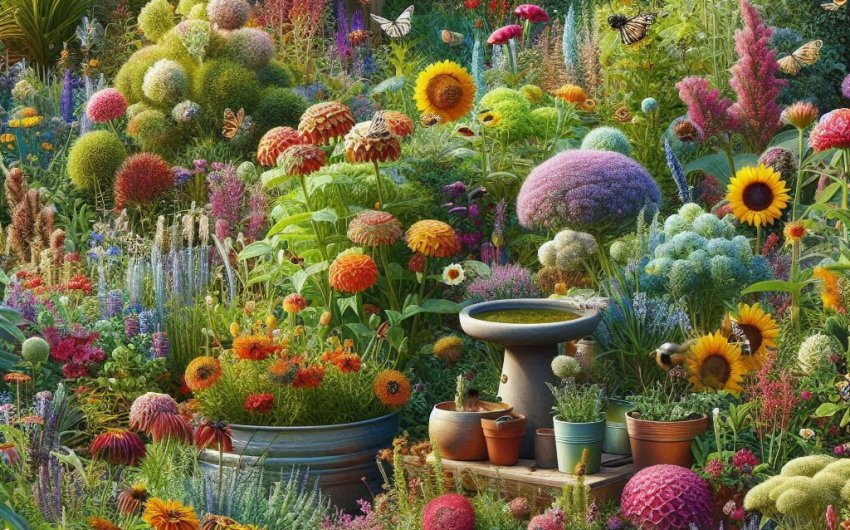
Dreaming of a garden that not only flourishes but also nurtures the environment? Learning how to create an eco-friendly garden is a rewarding journey that benefits local wildlife, conserves resources, and reduces your ecological footprint. Embrace sustainable practices to cultivate a vibrant outdoor space that is kind to both nature and your wallet.
Why Should You Cultivate an Eco-Friendly Garden?
Choosing to cultivate an eco-friendly garden is more than just a gardening choice; it's a commitment to environmental stewardship. The benefits extend far beyond your property line, impacting local ecosystems and contributing to a healthier planet.
Supporting Biodiversity
Traditional gardens often prioritize a monoculture (growing just one type of plant) or non-native species, which can limit the food and habitat available for local wildlife. An eco-friendly garden, however, actively fosters biodiversity. By planting a diverse array of native plants, you provide essential food sources (nectar, pollen, seeds, berries) and shelter for pollinators (bees, butterflies), beneficial insects, birds, and small mammals. This helps support the delicate balance of the local ecosystem. Consider adding a native wildflower seed mix to your garden.
Conserving Water Resources
One of the cornerstones of an eco-friendly garden is water conservation. Through practices like rainwater harvesting, drought-tolerant plant selection, and efficient irrigation, you drastically reduce your reliance on municipal water supplies. This not only lowers your water bill but also helps conserve a vital natural resource, especially important in regions prone to drought. A rain barrel kit can kickstart your water conservation efforts.
Reducing Chemical Pollution
The extensive use of synthetic pesticides, herbicides, and chemical fertilizers in conventional gardening can have devastating effects. These substances can leach into groundwater, contaminate local waterways, harm beneficial insects, and even pose risks to human and pet health. An eco-friendly garden eliminates or significantly reduces the need for these harmful chemicals, creating a safer, healthier environment for everyone. Opt for organic pest control sprays as a last resort.
Enhancing Soil Health
At the heart of an ecological garden lies healthy soil. By embracing practices like composting, using organic fertilizers, and minimizing digging (no-till gardening), you nurture the living ecosystem beneath your feet. Healthy soil is rich in beneficial microorganisms, retains water better, requires fewer external inputs, and ultimately grows stronger, more resilient plants that are naturally more resistant to pests and diseases. Regular application of high-quality organic compost is fundamental.
Mitigating Climate Change
Gardens can play a small but significant role in climate change mitigation. Healthy soil sequesters carbon (pulls carbon dioxide from the atmosphere and stores it). By reducing emissions from lawnmowers (opting for manual or electric) and avoiding energy-intensive chemical production, your garden contributes to a lower carbon footprint. Planting trees and shrubs also helps by absorbing CO2.
Creating a Resilient Ecosystem
An eco-friendly garden isn't just a collection of plants; it's a functioning mini-ecosystem. When your garden is in balance, it becomes more resilient to pest outbreaks, diseases, and environmental stressors. This means less work for you, healthier plants, and a thriving natural space that brings joy and peace.
Embracing these principles for how to create an eco-friendly garden transforms your outdoor space into a sanctuary for both nature and nurture, promoting a greener lifestyle for generations to come.
How Can You Conserve Water in Your Eco-Friendly Garden?
Water is a precious resource, and efficient use is paramount in an eco-friendly garden. Implementing smart watering strategies not only helps the environment but also leads to healthier plants and lower utility bills.
Choose Drought-Tolerant Plants
- Native Plants: The simplest way to save water is to plant species that are naturally adapted to your local climate's rainfall patterns. Native plants require less supplemental watering once established, as they have evolved to thrive in your region's specific conditions. Research native plants for your region.
- Xeriscaping: This landscaping approach focuses on water conservation through the use of drought-tolerant plants and efficient irrigation. Look for plants with silvery or fuzzy leaves, or succulents, as these often indicate drought resistance.
Improve Soil Health with Organic Matter
- Compost: Incorporating ample amounts of organic matter, especially compost, into your garden soil significantly improves its water-holding capacity. Compost acts like a sponge, absorbing and retaining moisture, making it available to plant roots over a longer period. This reduces the need for frequent watering. Regular additions of organic garden compost are key.
- Healthy Soil Structure: Good soil structure created by organic matter also allows water to infiltrate more effectively, preventing runoff and ensuring it reaches the root zone.
Utilize Mulch
- Water Retention: Applying a 2-4 inch layer of organic mulch (such as wood chips, shredded leaves, straw, or pine needles) around your plants is incredibly effective for water conservation. Mulch acts as a blanket, reducing water evaporation from the soil surface by up to 50%.
- Weed Suppression: Mulch also suppresses weeds, which compete with your plants for water.
- Temperature Regulation: It helps moderate soil temperature, keeping roots cooler in summer and warmer in winter. A large bag of organic garden mulch is an easy way to start.
Employ Efficient Irrigation Methods
- Drip Irrigation and Soaker Hoses: These systems deliver water directly to the plant's root zone, minimizing waste from evaporation and runoff often associated with overhead sprinklers. They apply water slowly and deeply, promoting healthier root growth. A drip irrigation kit for gardens is a great investment.
- Watering Can/Hand Watering: For smaller gardens or specific plants, hand watering with a watering can allows you to apply water precisely where it's needed.
- Avoid Overhead Sprinklers: These lose a lot of water to evaporation and can encourage fungal diseases on foliage.
Water at the Right Time
- Early Morning: The best time to water is in the early morning. This allows the water to penetrate the soil before the heat of the day causes significant evaporation, and gives plant foliage time to dry, reducing disease risk.
- Avoid Midday: Watering in the middle of the day leads to high evaporation and is less efficient.
- Avoid Evening: Watering in the evening can leave foliage wet overnight, creating conditions favorable for fungal growth.
Harvest Rainwater
- Rain Barrels: Install rain barrels connected to your downspouts to collect rainwater from your roof. This water is free, soft (lacking minerals found in tap water), and ideal for plants. Use a rain barrel diverter kit to easily collect water.
- Swales/Rain Gardens: For larger landscapes, consider creating swales (shallow depressions) or rain gardens that capture and hold rainwater, allowing it to slowly infiltrate the soil rather than running off.
By integrating these water-wise practices, you’ll significantly reduce your garden's water consumption, demonstrating a true commitment to how to create an eco-friendly garden.
How Can You Improve Soil Health Naturally?
Healthy soil is the foundation of an eco-friendly garden. It's a living ecosystem teeming with beneficial microorganisms that support plant growth, enhance water retention, and suppress diseases. Nurturing your soil naturally is paramount for long-term garden success.
Embrace Composting
- The Gold Standard: Composting is one of the best ways to improve soil health. It recycles kitchen scraps (fruit and vegetable peels, coffee grounds, eggshells) and yard waste (leaves, grass clippings) into rich, nutrient-filled organic matter. This compost then amends your soil, improving its structure, fertility, and water-holding capacity. A tumbling compost bin makes the process easy.
- How it Works: Compost adds beneficial microbes to the soil, which break down nutrients and make them available to plants. It also helps to aerate heavy clay soils and add body to sandy soils.
Use Organic Fertilizers
- Feed the Soil, Not Just the Plant: Unlike synthetic fertilizers that provide quick bursts of nutrients but can harm soil life, organic fertilizers work by nourishing the soil food web. Materials like bone meal, blood meal, worm castings, kelp meal, and aged manures release nutrients slowly as microorganisms break them down.
- Sustainable Sourcing: Choose organic fertilizers that are sustainably sourced. A bag of organic granular garden fertilizer can provide balanced nutrition.
Practice No-Till Gardening (or Minimum Till)
- Protect Soil Structure: Traditional tilling (digging and turning soil) can disrupt the delicate soil structure and destroy the beneficial fungal networks (mycorrhizae) that help plants absorb nutrients.
- No-Till Benefits: In a no-till garden, you build up the soil over time by adding layers of organic matter (compost, mulch) to the surface. This allows worms and other soil organisms to do the aeration, creating a healthy, undisturbed environment for roots. This method reduces erosion and preserves moisture.
Grow Cover Crops
- Protect Bare Soil: Leaving soil bare, especially during the off-season, can lead to erosion, nutrient leaching, and compaction. Cover crops (like clover, vetch, oats, or rye) are plants grown specifically to cover the soil and improve its health.
- Benefits: They protect against erosion, suppress weeds, add organic matter when tilled under (green manure), and some (legumes like clover) even fix nitrogen in the soil, making it available for subsequent crops. A garden cover crop seed mix can be planted in fall.
Maintain Proper Soil pH
- Nutrient Availability: Soil pH affects how easily plants can absorb nutrients. Most garden vegetables and flowers prefer a slightly acidic to neutral pH (6.0-7.0).
- Testing: Use a soil pH test kit to determine your garden's current pH.
- Adjustments: If necessary, adjust pH naturally: add garden lime to raise pH, or elemental sulfur or organic matter (like peat moss or pine needles) to lower pH.
By focusing on these strategies, you'll dramatically improve the health and vitality of your soil, laying the groundwork for a truly flourishing and sustainable approach to how to create an eco-friendly garden.
How Can You Encourage Biodiversity in Your Garden?
A truly eco-friendly garden isn't just about what you grow, but also what you attract. Encouraging biodiversity means welcoming a wide array of beneficial insects, birds, and other wildlife, turning your garden into a vibrant ecosystem that largely manages itself.
Plant Native Species
- Ecosystem Foundation: The single most impactful step you can take to foster biodiversity is to plant native plants. These species have co-evolved with local wildlife, providing essential food sources (nectar, pollen, seeds) and habitat (shelter, nesting sites) that non-native plants often cannot.
- Pollinator Support: Native flowers are specifically adapted to attract and support local pollinators like native bees and butterflies, which are crucial for plant reproduction. Research your local native plant nursery or look for specific native plant seeds.
- Reduced Maintenance: Once established, native plants typically require less water, fertilizer, and pest control, as they are naturally suited to your climate.
Provide Water Sources
- For All Creatures: A reliable source of fresh water is a magnet for wildlife. A simple bird bath (kept clean and filled), a small pond, or even a shallow dish with pebbles for insects to land on can make a big difference.
- Moving Water: Moving water (like a small fountain) can be even more attractive to birds as it prevents mosquitoes and is easier for them to detect. A solar bird bath fountain adds appeal.
Offer Shelter and Habitat
- Brush Piles: A small, tidy pile of branches and twigs in an out-of-the-way corner can provide shelter for small mammals, beneficial insects (like ground beetles), and even overwintering butterflies.
- Log Piles/Stumps: Rotting logs or old stumps create habitat for fungi, insects, and provide hiding spots.
- Insect Hotels: Create or purchase an insect hotel to provide nesting sites for solitary bees (which are excellent pollinators) and shelter for beneficial insects like lacewings. A wooden insect hotel can be both functional and decorative.
- Bird Houses and Feeders: If you enjoy birdwatching, strategically placed birdhouses (for specific species) and feeders can attract a variety of birds, which also help with insect control. A squirrel-proof bird feeder is a good investment.
Create Diverse Planting Layers
- Verticality: Mimic natural ecosystems by creating different layers of vegetation:
- Canopy Layer: Trees for shade and nesting.
- Understory Layer: Shrubs for shelter and berries.
- Perennial Layer: Flowers and grasses for nectar and seeds.
- Groundcover Layer: For soil protection and habitat.
- This layering provides diverse microclimates and resources for a wider range of species.
Reduce Lawn Area
- Ecological Deserts: Traditional lawns are essentially monocultures that offer very little ecological value.
- Alternatives: Consider replacing sections of your lawn with native plant beds, wildflower meadows, groundcovers, or permeable hardscaping. This immediately increases habitat and reduces resource consumption (water, fertilizer, fuel for mowing).
Avoid Pesticides and Herbicides
- This is fundamental. Even organic pesticides should be used as a last resort, as they can harm beneficial insects and the food sources of birds. Embrace integrated pest management (IPM) techniques.
By consciously welcoming and supporting wildlife, your garden becomes a vibrant, self-sustaining ecosystem, making these approaches essential how to create an eco-friendly garden strategies.
How Can You Implement Natural Pest Control Methods?
In an eco-friendly garden, chemical pesticides are out. Instead, you'll rely on a suite of natural ways to control garden pests that protect your plants while safeguarding beneficial insects, soil health, and the environment. This integrated approach prioritizes prevention and natural balances.
Promote Healthy Soil and Plants
- Strong Defenses: Healthy plants grown in rich, living soil are naturally more resistant to pest and disease attacks. They have stronger immune systems, so to speak.
- Proper Care: Ensure your plants receive adequate sunlight, water, and nutrients. Stressed plants are magnets for pests. Regularly applying organic soil amendments helps.
Attract and Protect Beneficial Insects
- Nature's Pest Control: This is your primary strategy. Plant flowers that attract predatory and parasitic insects like ladybugs, lacewings, hoverflies, and parasitic wasps. These beneficials feast on aphids, mites, caterpillars, and other common pests.
- Good Attractors: Dill, Cilantro (when flowering), Fennel, Yarrow, Sweet Alyssum, Cosmos, and Marigolds are excellent choices.
- Avoid Pesticides: Crucially, if you spray broad-spectrum pesticides, you'll kill these beneficials, removing your natural allies. You can also purchase live ladybugs for release.
Practice Companion Planting
- Strategic Grouping: Some plants have natural pest-repelling qualities or can act as "trap crops" that draw pests away from your main crops.
- Examples:
- Marigolds deter nematodes and other insects.
- Garlic and onions repel aphids and slugs.
- Nasturtiums can be planted as a trap crop for aphids, drawing them away from vegetables.
- Rosemary deters cabbage moths.
- A companion planting guide book can offer more pairings.
Use Physical Barriers
- Exclusion: Sometimes, simply blocking pests is the best solution.
- Floating Row Covers: Lightweight fabric covers can be placed over young plants to protect them from flying insects (like cabbage moths, squash vine borers, carrot rust flies) while still allowing light and water through. Ensure the edges are sealed with garden fabric pegs.
- Netting: For fruit trees and berry bushes, netting can protect ripening fruit from birds and larger insects.
- Copper Tape: For slugs and snails, copper tape around raised beds or pots can deter them.
Hand-Picking and Water Sprays
- First Line of Defense: For larger pests like tomato hornworms or slugs, hand-picking them off your plants and dropping them into a bucket of soapy water is highly effective.
- Water Blast: For soft-bodied pests like aphids, a strong spray of water from your garden hose can dislodge them. Repeat regularly. A high-pressure garden hose nozzle is useful.
Organic Pest Control Sprays (Last Resort)
- If an infestation gets out of hand, consider using organic, short-lived sprays.
- Neem Oil: Acts as an antifeedant, repellent, and growth disruptor for many pests. Apply in the evening to minimize harm to beneficials.
- Insecticidal Soap: Smothers soft-bodied insects like aphids and spider mites. It has low residual effect.
- Bacillus thuringiensis (Bt): A bacterium that specifically targets and kills caterpillars (like tomato hornworms or cabbage loopers) when ingested, but is harmless to other wildlife.
- Always read labels carefully and apply according to instructions. A natural pest control spray for organic gardening can be your final defense.
By combining these strategies, you'll establish a robust, naturally balanced system for how to create an eco-friendly garden that can withstand pest pressures without harsh chemicals.
How Can You Make Your Garden Tools and Supplies Eco-Friendly?
Beyond the plants and soil, the tools and supplies you use in your garden also contribute to its overall ecological footprint. Making conscious choices here is another vital step in learning how to create an eco-friendly garden.
Choose Durable and Sustainable Materials
- Tools: Invest in high-quality, durable garden tools made from materials like stainless steel, forged steel, or responsibly sourced wood. These tools will last longer, reducing the need for frequent replacements and decreasing waste. Look for stainless steel garden hand tools.
- Avoid Plastic: While often cheaper, plastic tools and pots are less durable and contribute to plastic waste. Opt for terracotta, ceramic, wood, or recycled plastic pots if possible.
- Reclaimed Materials: When building raised beds, trellises, or garden structures, consider using reclaimed wood, salvaged bricks, or upcycled materials. This reduces demand for new resources and keeps waste out of landfills.
Maintain and Repair Tools
- Longevity: Properly maintaining your tools extends their lifespan. Clean tools after each use, sharpen blades (pruners, shovels) regularly, and oil wooden handles. A tool sharpening kit can keep your tools in top shape.
- Repair vs. Replace: Learn to repair broken tools rather than immediately replacing them. Many parts (like handles) can be swapped out.
Power Tool Choices
- Manual Tools: For many tasks, manual tools (hand pruners, rakes, shovels, reel mowers) are the most eco-friendly option, as they consume no fuel or electricity and provide a good workout! A manual reel lawn mower is great for small lawns.
- Electric/Battery-Powered: If you need power tools (e.g., string trimmers, leaf blowers), choose corded electric or battery-powered options over gasoline-powered ones. They produce zero emissions during operation, are quieter, and require less maintenance. Look for cordless electric garden tools with interchangeable batteries.
Smart Material Sourcing
- Local Sourcing: Whenever possible, buy soil amendments, mulch, and plants from local nurseries or suppliers. This reduces transportation emissions and supports local businesses.
- Organic Certifications: Look for organic certifications on seeds, soil, and fertilizers to ensure they meet environmental standards.
- Peat-Free Potting Mix: Many traditional potting mixes contain peat moss, which is harvested from peat bogs – a non-renewable resource and important carbon sink. Opt for peat-free potting mixes made from coco coir, compost, or wood fibers. A peat-free seed starting mix is a great alternative.
Recycle and Reuse
- Pots and Trays: Reuse plastic pots and seed-starting trays from year to year. Clean them thoroughly between uses to prevent disease.
- Rain Barrels/Compost Bins: Consider DIY projects using repurposed barrels or pallets to create rain collection systems or compost bins.
- Reduce Waste: Aim to generate as little waste as possible from your gardening activities. Compost whatever you can.
By being mindful of your gardening tools and supplies, you further strengthen your commitment to how to create an eco-friendly garden, transforming every aspect of your gardening practice into a sustainable one.