
Salad Bowl Success: How to Grow Lettuce in Containers
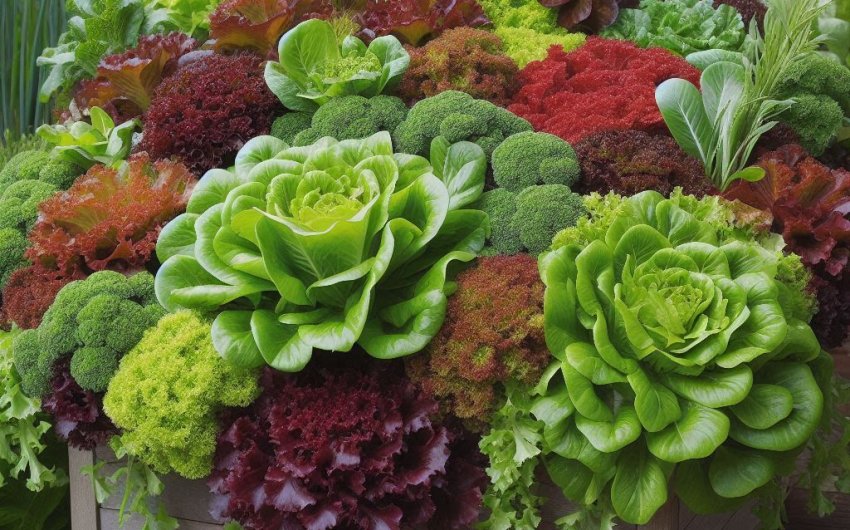
Craving fresh, crisp lettuce but short on garden space? Learning how to grow lettuce in containers is the perfect solution for urban gardeners, small patios, or anyone wanting a continuous supply of homegrown greens. This guide will provide all the essential tips to ensure your container-grown lettuce thrives, offering delicious harvests right at your fingertips.
Why Grow Lettuce in Containers?
Growing lettuce in pots and other containers offers numerous advantages, making it an incredibly popular and practical choice for gardeners of all levels. It's a fantastic way to enjoy homegrown greens with minimal fuss.
Space Efficiency
One of the biggest benefits is its suitability for small spaces. Whether you have a tiny balcony, a sunny windowsill, a patio, or just a small deck, you can easily grow a variety of lettuce types. This makes fresh produce accessible even if you don't have a traditional garden plot. Consider a vertical garden planter to maximize space.
Portability
Containers offer the ultimate flexibility. You can easily move your lettuce pots to optimize sunlight exposure throughout the day, or move them into shade during hot spells to prevent bolting. When cold weather or heavy rain threatens, you can simply bring your containers indoors or under cover, extending your harvest season. This portability is a key advantage for anyone learning how to grow lettuce in containers.
Pest and Disease Control
Lettuce grown in containers is often less susceptible to ground-dwelling pests like slugs and snails. You can also monitor for airborne pests more easily and implement organic pest control methods if needed. Additionally, being in a container helps prevent soil-borne diseases that might be present in garden beds.
Soil Control
With containers, you have complete control over the soil quality. You can fill your pots with a rich, well-draining potting mix that's perfectly suited for lettuce, ensuring optimal nutrient availability and drainage, regardless of your native garden soil conditions. A premium organic potting mix will set your plants up for success.
Extended Growing Season
Because you can control the environment (moving plants indoors or under cover), container gardening allows you to start earlier in spring and continue harvesting later into fall, or even year-round in some climates or indoors with grow lights. This means more fresh salads throughout the year.
Accessibility and Aesthetics
Raised containers make gardening more accessible for individuals with back or knee issues, reducing the need for bending and kneeling. Plus, attractive pots filled with vibrant lettuce varieties can add a beautiful, edible decorative element to your outdoor or indoor living spaces. A set of colorful garden planters can brighten any area.
Easy Succession Planting
With multiple containers, it's easy to practice succession planting – sowing new seeds every few weeks. As one container's lettuce finishes its cycle, another is ready for harvest, ensuring a continuous supply of fresh greens.
Given these numerous advantages, it's clear why learning how to grow lettuce in containers is a smart and rewarding choice for any home gardener.
What Types of Lettuce Are Best for Containers?
When deciding how to grow lettuce in containers, selecting the right varieties can significantly impact your success and enjoyment. Some types are naturally better suited to container life due to their growth habits and tolerance to common container growing challenges.
Loose-Leaf (or Cut-and-Come-Again) Varieties
These are arguably the best choice for container gardening because you can harvest individual leaves as needed, and the plant will continue to produce more. This method, often called "cut-and-come-again," provides continuous harvests over several weeks.
- Black Seeded Simpson: A very popular and reliable loose-leaf variety, known for its rapid growth and light green, crinkled leaves. It's quite heat tolerant for a lettuce.
- Red Salad Bowl: Features beautiful deep reddish-bronze, deeply lobed leaves. It's decorative and flavorful, adding color to salads.
- Buttercrunch: A type of butterhead lettuce that forms loose, tender heads, but individual leaves can also be harvested. It's known for its buttery texture and mild flavor.
- Green Ice: A heat-tolerant loose-leaf variety with crisp, ruffled green leaves.
- Salad Bowl Mixes: Many seed companies offer mesclun or salad bowl mixes which contain a variety of loose-leaf types, providing diverse textures and colors in one container.
Butterhead (or Boston/Bibb) Varieties
These lettuces form loose, soft heads with a distinctive "buttery" texture. They are more forgiving in containers than crisphead types. While they can be harvested whole, you can also use the cut-and-come-again method on them for extended harvest.
- Tom Thumb: A wonderfully compact butterhead variety that forms small, dense heads, perfect for individual servings and small containers. A great choice for maximizing space.
- Bibb (Butterhead): Classic butterhead known for its tender, sweet leaves.
Romaine (Cos) Varieties
Romaine lettuces form upright, elongated heads with crisp leaves and a slightly stronger flavor. While they can be grown in containers, they generally need a slightly deeper pot than loose-leaf types.
- Parris Island Cos: A widely grown, classic romaine variety that tolerates various conditions.
- Little Gem: A mini-romaine that forms compact, sweet heads, making it very suitable for containers.
Avoid Crisphead (Iceberg) Varieties
Crisphead lettuces, like common iceberg, are generally not recommended for containers. They require a long, cool growing season, precise conditions to form tight heads, and a significant amount of space. They are also prone to bolting in fluctuating temperatures.
When choosing, consider your space, how much lettuce you want to harvest at once, and your personal taste preferences. Opting for loose-leaf or butterhead varieties will generally give you the most success and continuous harvests when learning how to grow lettuce in containers. Look for organic lettuce seeds for a healthy start.
What Kind of Containers Are Best for Lettuce?
The right container is essential for success when learning how to grow lettuce in containers. The key factors are size, drainage, and material.
Size Matters: Depth and Width
- Minimum Depth: Lettuce roots are relatively shallow, so a minimum depth of 6 inches (15 cm) is usually sufficient. However, for healthier plants and to retain moisture better, aim for containers that are at least 8-12 inches (20-30 cm) deep.
- Width/Surface Area: This is more important than extreme depth. The wider the container, the more lettuce plants you can grow.
- For a single loose-leaf plant, a 6-inch diameter pot might work.
- For multiple plants or a cut-and-come-again patch, a 10-12 inch wide pot (for 2-3 plants) or a rectangular planter box (for rows of lettuce) is ideal. A standard 2-foot long window box can hold several loose-leaf plants.
- For butterhead or small romaine types, give each plant at least 6-8 inches of space.
Drainage Holes: Non-Negotiable
- Absolute Must: Every single container you use for lettuce must have drainage holes at the bottom. Lettuce hates soggy feet, and standing water will quickly lead to root rot and plant death.
- Saucers: Use a saucer underneath your pots to catch excess water, but make sure to empty it after watering to prevent waterlogging.
- DIY Holes: If a beautiful pot lacks drainage, you can drill holes yourself (with the right drill bit for the material) or use it as a cachepot (a decorative outer pot) with a smaller, draining inner pot.
Material: Each Has Pros and Cons
- Plastic Pots:
- Pros: Lightweight, affordable, retain moisture well (reducing watering frequency), come in many colors and sizes.
- Cons: Can sometimes look less attractive, some plastics may degrade over time in sunlight. Can overheat soil in direct sun in hot climates.
- A set of plastic garden planters with drainage is a practical choice.
- Terracotta/Clay Pots:
- Pros: Classic look, breathable material helps prevent overwatering by wicking away excess moisture, good for root health.
- Cons: Heavier, dry out faster (requiring more frequent watering), can be more fragile, may show mineral stains.
- A traditional terracotta pot with saucer is a timeless option.
- Fabric Grow Bags:
- Pros: Excellent drainage and aeration (prevents root circling, known as "air pruning"), lightweight, easy to store when empty, made from recycled materials.
- Cons: Dry out very quickly (requiring daily watering in hot weather), can look less formal.
- Fabric grow bags for vegetables are highly effective.
- Wooden Planter Boxes:
- Pros: Natural look, good insulation, can be custom-built to any size.
- Cons: Can be heavy, wood may rot over time (choose rot-resistant wood or line with plastic), may be more expensive.
- A cedar raised planter box is a beautiful, durable choice.
- Window Boxes/Rail Planters:
- Pros: Space-saving, ideal for balconies or windowsills, can grow several plants in a row.
- Cons: Limited depth, may dry out quickly.
- Look for self-watering window boxes for less maintenance.
By selecting the appropriate containers with sufficient drainage, you're laying a strong foundation for success in how to grow lettuce in containers.
How Do You Plant Lettuce in Containers?
Whether you're starting from seed or transplanting seedlings, proper planting techniques are crucial for healthy, thriving lettuce in containers. These tips for growing lettuce in containers ensure your plants get the best possible start.
Step 1: Choose Your Potting Mix
- Never Use Garden Soil: Garden soil is too heavy and will compact in a container, leading to poor drainage and suffocation of roots. It may also contain pests and diseases.
- Use Quality Potting Mix: Opt for a lightweight, well-draining potting mix specifically designed for containers. Look for mixes that contain ingredients like coco coir or peat moss (for moisture retention), and perlite or vermiculite (for aeration and drainage). A seed-starting mix is even lighter and finer for seeds. A bag of organic potting soil is always a good option.
Step 2: Prepare the Container
- Drainage: Ensure your chosen container has ample drainage holes. If not, drill some.
- Fill with Mix: Fill your container with potting mix, leaving about 1 inch (2.5 cm) of space from the rim. This prevents soil from washing out when you water.
- Moisten Soil: Lightly moisten the potting mix before planting. It should be damp but not soggy.
Step 3: Planting Methods
A. Starting from Seed
- Sow Seeds: Lettuce seeds are tiny. You can sow them directly in your chosen container.
- Broadcast Sowing: For loose-leaf varieties, you can simply sprinkle the seeds evenly over the surface of the soil. This creates a dense patch for "cut-and-come-again" harvesting.
- Row Sowing: For head lettuce types or if you prefer neat rows, create shallow furrows about 1/4 inch deep and sprinkle seeds along them.
- Cover Lightly: Gently cover the seeds with a very thin layer (about 1/8 inch or 3mm) of potting mix or vermiculite. Some lettuce varieties even benefit from light to germinate, so a super thin layer is key.
- Water Gently: Mist the surface with a spray bottle to avoid disturbing the tiny seeds. Keep the soil consistently moist until germination. A fine mist spray bottle is perfect.
- Germination: Lettuce seeds typically germinate in 7-10 days.
- Thinning: Once seedlings have developed their first set of "true leaves" (the second set of leaves that look like miniature lettuce leaves), thin them out.
- For loose-leaf: Thin to 2-4 inches apart, leaving the strongest seedlings. You can eat the thinnings!
- For head lettuce: Thin to 6-8 inches apart, depending on the mature size of the variety.
B. Transplanting Seedlings (from Nursery or Seed Trays)
- Prepare Seedlings: If transplanting, gently remove the lettuce seedling from its original container. Avoid pulling by the stem; instead, gently push up from the bottom or tip the pot. If roots are circling, gently tease them apart.
- Make a Hole: Dig a small hole in your prepared container large enough to accommodate the seedling's root ball.
- Planting Depth: Plant the seedling at the same depth it was in its original pot. Do not bury the crown (the point where the leaves emerge from the roots) as this can lead to rot.
- Firm Soil: Gently firm the soil around the base of the seedling to remove air pockets.
- Water In: Water the newly transplanted seedlings thoroughly to help settle the soil around the roots.
Step 4: Initial Placement
- Place your newly planted containers in a spot that meets the light requirements discussed in the next section.
By following these planting tips for growing lettuce in containers, you'll establish a strong foundation for a thriving lettuce harvest.
What Conditions Does Container Lettuce Need to Thrive?
Just like any plant, lettuce has specific environmental preferences. When learning how to grow lettuce in containers, mastering these conditions will ensure crisp, flavorful leaves and continuous harvests.
Light
Lettuce generally prefers full sun to partial shade.
- Ideal: At least 4-6 hours of direct sunlight per day is ideal for strong growth and good flavor.
- Hot Climates: In very hot climates (temperatures consistently above 75-80°F or 24-27°C), providing afternoon shade is crucial. Too much intense heat and sun can cause lettuce to "bolt" (send up a flower stalk) and become bitter. The portability of containers makes this easy – just move them!
- Indoors: If growing indoors, a bright, south-facing window might suffice in cooler months, but often a grow light is necessary to prevent leggy growth and ensure sufficient light. A full-spectrum LED grow light for 10-14 hours a day works best.
Temperature
Lettuce is a cool-season crop. It thrives in moderate temperatures.
- Ideal Range: 60-70°F (15-21°C) is perfect.
- Frost Tolerance: Most lettuce can tolerate light frost (down to 25-30°F or -4 to -1°C), especially if hardened off.
- Heat Stress: Temperatures consistently above 75°F (24°C) will cause lettuce to slow growth, bolt, and develop bitter leaves. This is where the portability of containers shines, allowing you to move plants to shadier, cooler spots.
Watering
Consistent moisture is vital for crisp, tender lettuce.
- Keep Consistently Moist: Lettuce has shallow roots and needs consistent moisture. Do not let the soil dry out completely, as this will stress the plant and lead to bitter leaves and bolting.
- Frequency: Check the soil daily. Water when the top inch of soil feels slightly dry to the touch. In hot, sunny weather or with smaller pots, you might need to water daily, sometimes twice a day.
- How to Water: Water thoroughly until you see water draining from the bottom of the pot. Avoid wetting the leaves too much, as this can encourage fungal diseases. Water at the base of the plant. A small watering can with a narrow spout is helpful.
Nutrients (Fertilization)
Lettuce is a relatively light feeder, but in containers, nutrients can leach out quickly.
- Initial Potting Mix: A good quality potting mix usually contains enough nutrients for the first few weeks of growth.
- Supplementation: After about 3-4 weeks, you can begin feeding your lettuce with a balanced, diluted liquid fertilizer (e.g., 5-5-5 or 10-10-10, diluted to half or quarter strength).
- Frequency: Fertilize every 2-3 weeks, especially if you are continuously harvesting using the cut-and-come-again method. Over-fertilizing can lead to lush but tasteless growth. An organic liquid vegetable fertilizer is a good choice.
Air Circulation
Good airflow helps prevent fungal diseases.
- Spacing: Ensure plants are adequately spaced within the container to allow air to circulate around them. Thin seedlings as necessary.
- Open Area: Place containers where there is good airflow, not in stagnant, enclosed spaces.
By diligently managing these conditions, you'll be well on your way to mastering how to grow lettuce in containers, enjoying bountiful harvests of fresh, delicious greens.
How Do You Harvest Lettuce from Containers?
The way you harvest your lettuce dramatically impacts how long your plant will produce. One of the best tips for growing lettuce in containers is to adopt the "cut-and-come-again" method, which maximizes your yield over time.
The "Cut-and-Come-Again" Method
This method is ideal for loose-leaf varieties and allows you to enjoy multiple harvests from the same plant.
- When to Start: Begin harvesting when the outer leaves are large enough to eat, usually when the plant is about 4-6 inches tall.
- How to Cut: Use clean, sharp scissors or pruning snips. Carefully snip off the outer leaves at the base of the plant, about an inch or two above the soil line. Avoid cutting into the central growing point (the "heart" of the plant), as this is where new leaves emerge.
- Frequency: You can harvest a few outer leaves every few days or a larger batch once a week. The plant will continue to produce new leaves from the center.
- Rotate Harvesting: To encourage even growth and continuous production, harvest from different parts of the container or different plants each time.
- Stop if Bolting: If the plant starts to send up a tall, central stalk (bolting), the leaves will become bitter. At this point, harvest the entire plant, as its productive leafy life is over.
Harvesting Whole Heads (for Head Lettuce Varieties)
For butterhead or romaine varieties that form more defined heads, you can either use the cut-and-come-again method on their outer leaves or harvest the entire head.
- When to Harvest: Harvest when the head is well-formed and firm to the touch, but before it starts to bolt.
- How to Cut: Cut the entire head at the base of the plant, just above the soil line, using a sharp knife.
- Replanting: After harvesting an entire head, you'll need to replant for your next crop.
Tips for Maximizing Your Harvest
- Morning Harvest: Harvest lettuce in the morning after the dew has dried but before the sun gets too hot. Leaves will be most crisp and flavorful at this time.
- Don't Over-Harvest: When using the cut-and-come-again method, always leave at least 2-3 inches of growth and enough inner leaves on the plant so it can continue to photosynthesize and regrow.
- Succession Planting: For a continuous supply, sow new batches of lettuce seeds in different containers every 2-3 weeks. As one container starts to slow down or bolt, another will be ready for harvest. This is a game-changer for how to grow lettuce in containers.
- Keep it Cool: As lettuce matures, ensure it stays relatively cool to prevent premature bolting and bitterness. Move containers to shadier spots or provide afternoon shade during hot spells.
By mastering these harvesting techniques, you'll ensure a steady and delicious supply of fresh, homegrown lettuce, truly optimizing your efforts in learning how to grow lettuce in containers.
How Do You Troubleshoot Common Problems with Container Lettuce?
Even with the best tips for growing lettuce in containers, you might encounter a few common issues. Knowing how to identify and address these problems promptly will help ensure your lettuce remains healthy and productive.
Lettuce is Bolting (Sending up a Flower Stalk)
- Problem: The plant starts to grow tall and spindly, a central stalk emerges, and small flower buds form. Leaves become bitter.
- Cause: Too much heat, too much intense sunlight, or approaching the end of its life cycle (especially common in spring as temperatures rise). Inconsistent watering can also contribute.
- Solution: Once lettuce bolts, its flavor is usually compromised. Harvest any remaining edible leaves immediately. For future crops, move containers to shadier spots during hot weather, ensure consistent watering, and consider planting more heat-tolerant varieties or staggering plantings so they mature before peak heat. If growing indoors, ensure temperatures aren't too high.
Leaves Are Bitter
- Problem: Lettuce leaves have an unpleasant, strong, or bitter taste.
- Cause: Primarily heat stress and bolting. Can also be caused by insufficient watering or nutrient deficiencies.
- Solution: Ensure consistent moisture. Provide afternoon shade or move containers to a cooler location. Harvest leaves before the plant bolts. For next plantings, choose heat-tolerant varieties or plant during cooler seasons.
Yellowing Leaves
- Problem: Leaves turn yellow, sometimes starting from the bottom.
- Cause:
- Overwatering/Poor Drainage: Roots are suffocating from too much water, preventing nutrient uptake. This is common in containers without good drainage.
- Underwatering: Plant is severely stressed from lack of moisture.
- Nutrient Deficiency: Especially nitrogen, if older leaves are yellowing first.
- Solution:
- Watering: Check soil moisture before watering. Ensure good drainage holes. Let the top inch dry out.
- Nutrients: If watering is correct, a diluted liquid fertilizer might be needed.
- Ensure appropriate container size.
Wilting Leaves
- Problem: Leaves look droopy and limp.
- Cause:
- Underwatering: Most common reason.
- Overwatering/Root Rot: Roots are damaged from too much water, mimicking underwatering.
- Extreme Heat: Plant is stressed by high temperatures.
- Solution:
- Underwatering: Water thoroughly until water drains. Lettuce usually perks up quickly.
- Overwatering: If soil is soggy, stop watering immediately and let it dry out. Improve drainage.
- Heat: Move to a shadier, cooler spot.
Holes in Leaves or Chewed Leaves (Pests)
- Problem: Visible damage to leaves, often with pests present.
- Cause: Slugs, snails, aphids, cabbage worms, flea beetles, earwigs.
- Solution:
- Slugs/Snails: Hand-pick them (check at night), use copper tape around pots, or beer traps.
- Aphids/Spider Mites: Blast with a strong spray of water (if possible), wipe leaves with a damp cloth, or spray with insecticidal soap or diluted neem oil.
- Caterpillars/Flea Beetles: Hand-pick. For severe infestations, use Bt (Bacillus thuringiensis) for caterpillars.
- Regular inspection is key for early detection. A bottle of organic insecticidal soap is a good garden essential.
Fungus Gnats (Small Black Flies)
- Problem: Small, mosquito-like flies hovering around the soil surface.
- Cause: Overly wet soil. The larvae feed on decaying organic matter and sometimes plant roots in moist soil.
- Solution: Let the soil surface dry out completely between waterings. Use yellow sticky traps to catch adults. Yellow sticky traps for indoor plants are very effective.
By understanding these potential pitfalls and applying the appropriate solutions, you'll ensure your journey of how to grow lettuce in containers is largely problem-free, leading to many successful harvests.