
Green Thumbs Up: How to Build a Raised Garden Bed
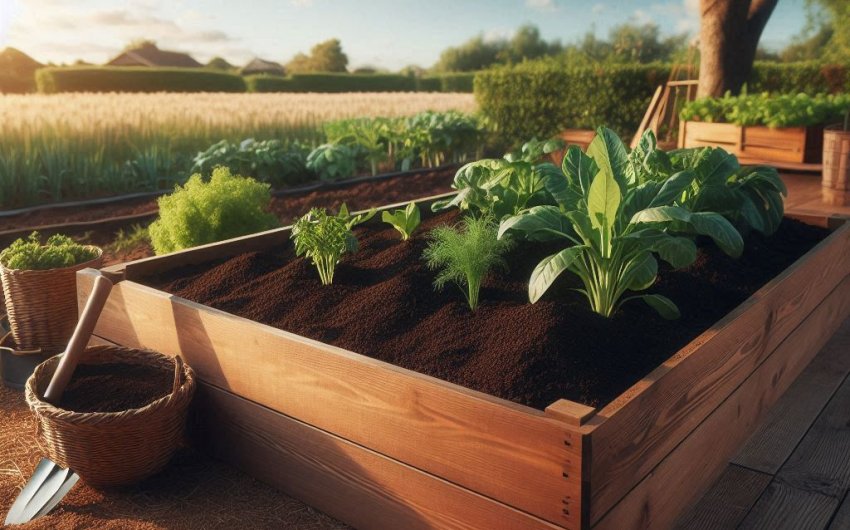
Dreaming of a thriving garden with less back strain and better yields? Learning how to build a raised garden bed is a fantastic step towards achieving your gardening goals. These elevated planting areas offer numerous advantages, making gardening more accessible, efficient, and enjoyable for everyone, from beginners to seasoned growers.
Why Should You Consider a Raised Garden Bed?
Raised garden beds have surged in popularity, and for good reason! They offer a host of benefits that can significantly improve your gardening experience, making them a worthwhile project for anyone looking to optimize their growing space.
Better Soil Control
One of the biggest advantages of a raised bed is having complete control over your soil. If your native soil is rocky, compacted, or has poor drainage, a raised bed allows you to fill it with a custom-blended, nutrient-rich potting mix that's perfect for growing vegetables, herbs, or flowers. This means healthier roots and more vigorous plant growth. A premium raised bed soil blend can make a huge difference.
Improved Drainage
Because raised beds are elevated, they naturally provide superior drainage compared to in-ground gardens. This prevents waterlogging, which can suffocate plant roots and lead to disease. Excess water can drain freely from the bottom, creating an ideal environment for most plants, especially those susceptible to root rot.
Extended Growing Season
The soil in a raised bed warms up faster in the spring because it's above ground and exposed to more sunlight and air circulation. This allows you to plant earlier, getting a jump start on the growing season. In the fall, the soil retains heat longer, potentially extending your harvest well into cooler weather. You can further extend the season with a raised bed cold frame.
Reduced Weeding and Pests
Raised beds, especially those filled with fresh, weed-free soil, naturally have fewer weeds than traditional gardens. The defined edges also make it easier to keep weeds from encroaching. Furthermore, the elevated nature and contained soil can deter some ground-dwelling pests like slugs and snails, as well as rodents. A layer of weed barrier fabric at the bottom can further reduce weeds.
Easier on Your Body
Gardening in a raised bed means less bending, kneeling, and stooping. This can be a huge relief for anyone with back, knee, or mobility issues, making gardening a more comfortable and accessible hobby. Taller beds are even easier to work with.
Better Organization and Aesthetics
Raised beds create defined garden spaces that look neat, tidy, and intentional. They can be designed in various shapes and sizes to complement your yard's aesthetics, adding visual appeal to your landscape. The contained nature of the beds also makes garden planning and crop rotation simpler.
No Soil Compaction
In a raised bed, you walk around the bed, not on the soil within it. This prevents soil compaction, allowing roots to spread freely, absorb nutrients efficiently, and access vital oxygen. Loose, aerated soil is crucial for healthy plant growth.
Considering all these benefits, learning how to build a raised garden bed becomes an investment in a more productive, enjoyable, and sustainable gardening future.
What Materials Can You Use for a Raised Garden Bed?
When learning how to build a raised garden bed, choosing the right material is a crucial first step. Each material has its pros and cons in terms of cost, durability, aesthetics, and ease of construction.
Wood
Wood is the most popular choice due to its natural look, ease of working with, and relatively affordable cost.
- Cedar: Highly recommended for raised beds. It's naturally resistant to rot and insects, meaning it will last for many years without chemical treatment. While more expensive upfront, its longevity often makes it cost-effective in the long run. Look for untreated cedar lumber.
- Redwood: Similar to cedar in its rot resistance and durability, but often even more expensive and less readily available.
- Pine/Fir (Untreated): More affordable, but will rot much faster (3-5 years) unless treated. If using pine, ensure it is untreated lumber, as treated wood can leach chemicals into your soil.
- Oak/Locust: Very durable hardwoods, but extremely heavy, difficult to work with, and expensive.
- Avoid Treated Lumber (CCA, ACQ, MCA): Older pressure-treated lumber (CCA) contained arsenic and should never be used for vegetable gardens. Newer treatments (ACQ, MCA, micronized copper azole) are considered safer by some, but opinions vary. For edible gardens, it's safest to stick with untreated, naturally rot-resistant wood.
Stone/Concrete Block/Brick
These materials offer exceptional durability and a classic, permanent look.
- Pros: Extremely long-lasting, sturdy, provide good insulation, and can be very aesthetically pleasing. They don't rot or warp.
- Cons: More expensive and labor-intensive to build. Can raise soil temperature more than wood, which might be a consideration in very hot climates. You'll need to source retaining wall blocks or bricks.
Galvanized Metal
Galvanized steel raised beds are becoming increasingly popular for their modern look and longevity.
- Pros: Durable, won't rot or warp, lightweight (for shipping), often come in kits that are easy to assemble. The metal can warm the soil quickly in spring.
- Cons: Can be more expensive than wood. May get very hot in direct sun, potentially overheating soil, though newer designs mitigate this. Look for galvanized steel raised garden beds.
Recycled Plastic/Composite Lumber
Made from recycled materials, these options are designed for durability and low maintenance.
- Pros: Extremely long-lasting, rot-proof, insect-proof, often made from recycled materials, and require no sealing or staining.
- Cons: Can be more expensive than wood. Some people prefer the natural look of wood. Ensure the plastic is UV-stabilized to prevent brittleness. You can find composite deck boards which can be used.
Corrugated Metal
Often repurposed from roofing panels, these give a rustic or industrial look.
- Pros: Very durable, relatively inexpensive if sourced from reclaimed materials, good longevity.
- Cons: Can have sharp edges (needs careful handling). Like galvanized, can heat up in direct sun. May need a frame or supports for stability.
When deciding how to build a raised garden bed, consider your budget, desired aesthetic, the tools you have available, and your comfort level with different construction methods.
What Are the Ideal Dimensions for a Raised Garden Bed?
Choosing the right dimensions is key to maximizing the benefits of your raised garden bed. The goal is to make it easy to reach all parts of the bed without stepping on the soil, while also providing enough depth for plant roots.
Width: The Reach Rule
- Maximum 4 Feet (1.2 meters): This is the golden rule for width. A 4-foot wide bed allows you to comfortably reach the center from either side (2 feet from each edge).
- Why it Matters: You want to avoid stepping into the bed, as this compacts the carefully prepared soil, defeating one of the main purposes of a raised bed. If the bed is against a fence or wall, then the width should be no more than 2 feet so you can reach the back from one side.
Length: As Long as You Want (or Can Fit)
- No Maximum Length: The length of your raised bed is much more flexible. It can be as long as your space allows, or as long as you can manage with your chosen materials.
- Practical Considerations: For very long beds, you might want to consider adding cross braces in the middle for structural stability, especially for wooden beds over 8-10 feet, to prevent bowing from the soil pressure.
Height: Deeper is Often Better (within Reason)
The ideal height depends on your plants and your physical comfort.
- Minimum 6 Inches (15 cm): This is the absolute minimum for a basic raised bed. It offers some drainage and warming benefits, but isn't enough for deep-rooted plants.
- 8-12 Inches (20-30 cm): A common and very practical height. This depth is suitable for most vegetables (like lettuce, spinach, radishes, carrots, onions, peppers, bush beans) and allows for good root development and drainage.
- 18-24 Inches (45-60 cm): Ideal for deep-rooted plants (like tomatoes, potatoes, corn, and larger root vegetables) and for gardeners who want to minimize bending. These taller beds hold more soil, so factor in the cost of filling them.
- 24-36 Inches (60-90 cm): Great for accessibility for those with mobility issues, making gardening possible from a seated position or with minimal bending. These are essentially garden tables or waist-high beds. They require a significant amount of soil.
Important Considerations for Height
- Soil Volume and Cost: Taller beds require significantly more soil, which can add to the overall cost. Plan your budget accordingly. You can use fillers at the bottom (like logs, branches, leaves) to reduce the amount of expensive topsoil needed, as long as they won't decompose too quickly and create sinkholes.
- Material Strength: Taller beds exert more outward pressure on the walls. Choose strong materials and reinforce corners well to prevent bowing. For wood, thicker boards (e.g., 2x8 or 2x10) or internal bracing might be needed for beds 12 inches or taller. A raised bed corner bracket kit can enhance stability.
By carefully considering these dimensions, you'll ensure your raised garden bed is both functional and comfortable, making the process of how to build a raised garden bed a success.
What Tools Do You Need to Build a Raised Garden Bed?
Having the right tools makes the process of how to build a raised garden bed much smoother and safer. The specific tools you need will depend on the material you choose, but here's a general list for a standard wooden raised bed.
Measuring and Marking Tools
- Tape Measure: Essential for accurately measuring your lumber. A 25-foot tape measure is versatile.
- Pencil or Marker: For marking cut lines on wood.
- Speed Square or Combination Square: To ensure your cuts are perfectly square (90-degree angles), which is crucial for sturdy construction. A reliable speed square is a must-have.
Cutting Tools (for Wood)
- Circular Saw: The fastest and most efficient way to cut lumber. Ensure you have a sharp blade. Always use safety glasses and follow safety precautions. A cordless circular saw offers great portability.
- Miter Saw (Optional but Recommended): Provides extremely accurate and clean crosscuts, making assembly easier. If you plan to build multiple beds or other projects, it's a worthwhile investment.
- Hand Saw: A basic hand saw can work for smaller projects or if you don't have power tools, but it will take more effort and time.
Drilling and Fastening Tools
- Cordless Drill/Driver: Indispensable for drilling pilot holes and driving screws. Look for one with good torque. A powerful cordless drill is a core tool.
- Drill Bits: You'll need bits for pre-drilling pilot holes (slightly smaller than your screws) to prevent wood splitting, especially near board ends.
- Driver Bits: Phillips head or Torx (star drive) bits to match your screws. Torx screws generally provide a better grip and reduce stripping.
- Wood Screws (Outdoor Rated): Use exterior-grade screws that are resistant to rust and corrosion. Look for screws specifically labeled for deck or outdoor use, often coated with green or brown finishes. Galvanized or ceramic-coated screws are good choices. For 2x lumber, 2.5-inch or 3-inch screws are usually appropriate.
Safety Gear
- Safety Glasses/Goggles: Absolutely essential when cutting or drilling to protect your eyes from sawdust and flying debris.
- Work Gloves: To protect your hands from splinters and rough wood.
- Ear Protection: Recommended when using power saws for extended periods.
Leveling and Digging Tools (for Site Prep)
- Garden Trowel or Shovel: For leveling the ground and digging if necessary.
- Level (Long or Torpedo): To ensure your raised bed sits perfectly level, which is important for even watering and aesthetics. A 4-foot level is ideal for checking long boards.
Optional (but Helpful) Tools
- Clamps: To hold boards in place while drilling and screwing, making assembly easier and more accurate.
- Mallet: For gently tapping boards into place if needed.
- Wheelbarrow: For transporting soil and other materials.
Gathering these tools beforehand will streamline your raised bed construction, turning the project of how to build a raised garden bed into an efficient and enjoyable endeavor.
How Do You Choose the Right Location for Your Raised Bed?
Selecting the optimal spot for your raised garden bed is as important as the construction itself. The right location will ensure your plants receive everything they need to thrive, making your efforts in learning how to build a raised garden bed truly pay off.
Sunlight Requirements
This is the most critical factor for a productive vegetable garden.
- Full Sun: Most vegetables, herbs, and fruiting plants (like tomatoes, peppers, beans, squash, corn, strawberries) require at least 6-8 hours of direct sunlight per day to produce well. "Direct sunlight" means unobstructed sunlight, not filtered light through trees or reflected light from buildings.
- Observation: Spend a full day observing your yard. Note where the sun hits at different times of the day. Map out shaded areas caused by trees, fences, sheds, or your house.
- Orientation: If possible, orient a rectangular bed with its longest side facing south. This allows for maximum sun exposure across the bed.
Water Access
- Convenience: Your raised bed will need regular watering, especially during dry spells. Locate it close enough to a water source (like a spigot or rain barrel) to make watering convenient. Dragging hoses across your entire yard can become a chore. Consider a expandable garden hose for easier reach.
Level Ground
- Foundation: While raised beds can compensate for slightly uneven ground, starting on as level a surface as possible will make construction much easier and result in a more stable bed.
- Preparation: If the ground is sloped, you'll need to do some leveling. You can dig out the high side or build up the low side using gravel or compacted soil. A long level or a string line level is essential for checking levelness.
Drainage of the Site
- Beneath the Bed: Even though raised beds improve drainage within the bed, the ground underneath should also drain reasonably well. Avoid placing a raised bed in a low spot where water tends to collect and sit, as this could lead to continuously soggy conditions below the bed.
- Improve if Needed: If your chosen spot has very poor drainage, consider adding a layer of gravel beneath the bed before filling it with soil.
Accessibility and Aesthetics
- Pathways: Plan for adequate space around your raised bed for comfortable pathways. You'll need to walk around the bed for planting, weeding, and harvesting. Pathways should be at least 18-24 inches wide.
- Visual Appeal: Consider how the raised bed will look in your landscape. Will it be a focal point or blend into the background?
- Proximity to Kitchen: Many gardeners like to place vegetable and herb beds close to the kitchen for easy access during cooking.
Proximity to Trees
- Root Competition: Be mindful of large trees. Their roots can extend far beyond their canopy, aggressively competing with your garden plants for water and nutrients, even under a raised bed. If a raised bed is placed too close, tree roots can eventually grow up into the bed.
- Shade: Large trees can also cast significant shade, reducing the crucial sunlight your plants need.
By carefully evaluating these factors, you'll choose the best possible location, setting the stage for a thriving garden and a successful journey in how to build a raised garden bed.
Step-by-Step Guide: How to Build a Simple Wooden Raised Bed
Building a basic rectangular wooden raised bed is a straightforward project that even a beginner can tackle. Follow these steps to learn how to build a raised garden bed using lumber.
Step 1: Plan Your Dimensions and Gather Materials
- Decide Size: A common size is 4 feet wide by 8 feet long by 12 inches high. This is easy to reach and uses standard lumber lengths efficiently.
- Calculate Lumber:
- For a 4'x8'x12" bed using 2x6 boards (actual size approx. 1.5" x 5.5"), you'll need two layers to get 11" height.
- For each layer: two 8-foot boards and two 4-foot boards.
- For 12" height (two layers): You'll need four 8-foot 2x6 boards and four 4-foot 2x6 boards.
- Purchase untreated cedar or other desired wood.
- Fasteners: You'll need exterior-grade wood screws (e.g., 3-inch ceramic-coated deck screws). Plan for at least 4 screws per corner per layer.
- Tools: Gather your tape measure, pencil, speed square, circular saw (or miter saw), cordless drill with drill bits and driver bits, safety glasses, and gloves.
Step 2: Prepare Your Lumber
- Cut Boards (if necessary): If you purchased longer boards (e.g., 12-foot 2x6s), use your tape measure, speed square, and saw to cut them to the correct lengths (e.g., four 8-foot pieces and four 4-foot pieces).
- Pre-Drill (Optional but Recommended): For the ends of your boards where screws will go, consider pre-drilling pilot holes slightly smaller than your screws. This prevents wood from splitting, especially cedar.
Step 3: Assemble the First Layer
- Lay Out: On a flat, level surface (this makes assembly easier), lay out two 8-foot boards and two 4-foot boards to form a rectangle. The 4-foot boards should fit between the 8-foot boards.
- Align Corners: Ensure the corners are square using your speed square.
- Fasten Corners: At each corner, align the end of a 4-foot board flush with the face of an 8-foot board. Drive at least two 3-inch exterior-grade screws through the 8-foot board into the end of the 4-foot board. Repeat for all four corners.
- Check Squareness: Once the first layer is fastened, double-check that the frame is square by measuring the diagonals. They should be equal. Gently push or pull corners until they match.
Step 4: Add the Second Layer
- Stack: Carefully lift the assembled first layer and place it onto your chosen garden site.
- Place Second Layer: Position the second set of 8-foot and 4-foot boards directly on top of the first layer.
- Stagger Joints (Important!): To make the bed stronger and prevent bowing, stagger the corner joints. This means if the 8-foot board was on the outside for the first layer's corner, the 4-foot board should be on the outside for the second layer's corresponding corner. This overlaps the wood and provides more rigidity.
- Fasten Layers Together: Drive screws down through the top board into the bottom board at intervals along the length, and especially at the corners. For a 4x8 bed, putting a screw every 1-2 feet along the length and at least 2 screws per board per corner should suffice.
Step 5: Level the Bed on Site
- Position: Move the assembled bed to its final location.
- Check Level: Use your long level to check each side of the bed.
- Adjust: If one side is higher, dig out a bit of soil underneath. If a side is lower, add compacted soil or gravel underneath until the entire bed is level. This ensures even water distribution once filled.
Step 6: Prepare the Inside of the Bed (Optional but Recommended)
- Liner (Optional): You can line the inside of the wooden walls with heavy-duty plastic sheeting (like pond liner or construction-grade plastic) to extend the life of the wood, especially if using less rot-resistant timber. Staple it to the inside, stopping below the top edge for aesthetics and drainage. A raised bed liner roll can protect the wood.
- Bottom Barrier (Optional): If you want to prevent weeds from growing up into your bed or deter burrowing pests, lay down a layer of cardboard (remove all tape and labels) or weed barrier fabric at the bottom of the bed directly on the leveled ground. This will naturally decompose over time but gives your garden a good head start. A roll of heavy-duty landscape fabric works well.
Step 7: Fill Your Raised Bed
- Layering (Hugelkultur Method): To save on expensive topsoil and improve drainage, consider the Hugelkultur method (German for "hill culture"). Fill the bottom 1/3 to 1/2 of your bed with coarse organic matter like logs, branches, leaves, grass clippings, and wood chips. This slowly decomposes, providing nutrients and improving drainage and water retention.
- Filling: Top the organic matter with a mixture of high-quality potting mix or raised bed soil blend and compost. Aim for a mix that is light, airy, and rich in nutrients. A common mix is 50% good quality topsoil, 30% compost, and 20% vermiculite or perlite for aeration.
- Settle: Water the bed thoroughly after filling to help the soil settle. You may need to add a bit more soil as it settles.
Now your new raised garden bed is ready for planting! Following these steps will teach you how to build a raised garden bed effectively, setting you up for years of enjoyable gardening.