
Fruit Flies: Keeping Your Produce Safe
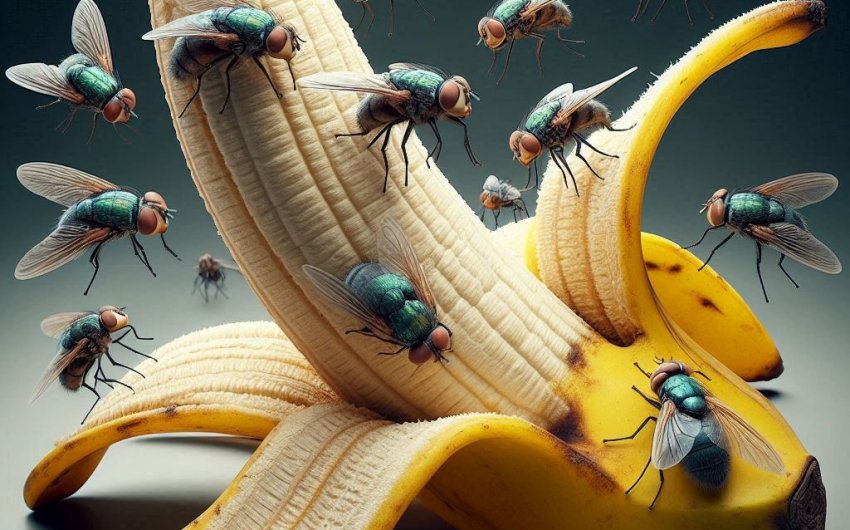
Fruit flies (Drosophila melanogaster) are tiny, persistent insects that can be a significant nuisance in households, particularly in kitchens. These small flies are attracted to ripe and decaying fruits, vegetables, and other organic matter, where they lay their eggs. A female fruit fly can lay up to 500 eggs in her short lifetime, making infestations difficult to control once they start. Not only are they annoying, but they can also contaminate food, spreading bacteria and potentially causing health risks.
Understanding the habits and lifecycle of fruit flies can help you prevent infestations and keep your produce safe. In this article, we’ll explore the causes of fruit fly infestations, their lifecycle, and effective strategies for getting rid of them.
What Are Fruit Flies?
Fruit flies are small insects that belong to the family Drosophilidae. They are commonly found around rotting fruits, vegetables, and other decomposing organic materials. These flies are attracted to fermenting items, which is why they are often spotted hovering around kitchen countertops, garbage bins, and drains.
Identifying Fruit Flies
Fruit flies are small, measuring about 1/8 inch in length. They have red eyes, though some species may have dark eyes, and their bodies can range from tan to brownish-yellow. The wings are translucent, and the flies are quick to dart away when approached.
- Common species: The most common type of fruit fly is Drosophila melanogaster, but there are other species such as dark-eyed fruit flies.
- Color: Their body is generally light brown or tan, with red eyes being a distinguishing feature. Use a magnifying glass to closely inspect small insects and confirm identification.
Knowing what fruit flies look like can help you differentiate them from other small flies, such as drain flies or fungus gnats, which may also appear in the home.
Why Do Fruit Flies Infest Homes?
Fruit flies are attracted to fermenting organic materials, such as overripe or rotting fruits and vegetables. They lay their eggs in these substances, and their larvae feed on the decomposing matter. This means any kitchen with exposed produce or a poorly managed garbage bin can quickly become a breeding ground for these pests.
Common Sources of Fruit Flies
Fruit flies are drawn to areas where they can find food and moisture, making the following places in your home prime targets:
- Kitchen countertops: Leftover or overripe fruit and open containers can attract fruit flies.
- Garbage bins: Organic waste and food scraps that are left uncovered can attract these pests.
- Sink drains: Food particles and organic residues in drains provide food for fruit flies.
- Compost bins: Composting materials such as peels, skins, and food waste can serve as a breeding site for fruit flies.
To keep fruit flies from invading your home, it is essential to identify these sources and take steps to eliminate them. Use food storage containers with lids to protect your produce from fruit fly infestations.
The Lifecycle of Fruit Flies
Understanding the lifecycle of fruit flies is crucial for controlling and preventing infestations. These insects have a short lifecycle, allowing them to reproduce quickly under the right conditions.
The Four Stages of the Fruit Fly Lifecycle
Egg Stage: Female fruit flies lay their eggs on or near overripe or decaying fruit and other organic material. The eggs hatch within 24-30 hours, making rapid growth possible.
Larval Stage: The larvae emerge from the eggs and begin feeding on the decomposing material. This stage lasts about 5-6 days, during which the larvae grow and prepare for pupation.
Pupal Stage: The larvae transform into pupae and remain in this stage for 4-5 days. The pupae attach to surfaces and undergo metamorphosis, eventually emerging as adult flies.
Adult Stage: Once emerged, adult fruit flies are capable of reproduction within 2-3 days. With a lifespan of about 40-50 days, they can produce several generations in a short period.
Since fruit flies reproduce so quickly, taking swift action at the first sign of an infestation is critical to preventing a larger problem. Set up fruit fly traps to catch adult flies and reduce the population.
Preventing Fruit Fly Infestations
Prevention is the best approach when it comes to dealing with fruit flies. By making your home less attractive to these pests, you can avoid dealing with a full-blown infestation.
1. Properly Store Fruits and Vegetables
Since fruit flies are attracted to the smell of ripening and fermenting fruits, proper storage is essential to keeping them away.
- Refrigerate ripe produce: Store fruits and vegetables, especially bananas, apples, and tomatoes, in the refrigerator to prevent fruit flies from accessing them.
- Use airtight containers: Store cut fruits or open produce in airtight containers to keep fruit flies from laying eggs. Purchase airtight containers for food storage.
2. Keep Kitchen Surfaces Clean
Maintaining a clean kitchen is vital for keeping fruit flies at bay.
- Wipe down countertops daily: Clean any spills, especially those from fruits and juices, which may attract fruit flies.
- Wash dishes promptly: Leaving dirty dishes in the sink can attract fruit flies if they contain food residues.
Regular cleaning can significantly reduce the likelihood of a fruit fly infestation. Use kitchen cleaning supplies that help remove food residues effectively.
3. Take Out the Trash Regularly
Garbage bins can be a significant source of fruit fly problems if they contain organic waste.
- Use trash cans with lids: Keep trash cans covered to prevent fruit flies from accessing food scraps.
- Empty the trash frequently: Do not allow garbage to sit for long periods, especially if it contains fruit peels or food waste.
For added protection, use trash bags with odor control to help mask the smell that attracts fruit flies.
4. Manage Compost Properly
While composting is an eco-friendly way to dispose of organic waste, it can also attract fruit flies if not managed correctly.
- Cover compost bins tightly: Use a compost bin with a secure lid to keep fruit flies out. Choose compost bins with secure lids to avoid attracting pests.
- Layer compost materials: Cover fresh compost additions with a layer of soil or dry leaves to reduce odors that attract flies.
Properly maintaining your compost bin can prevent fruit fly infestations from starting.
Getting Rid of Fruit Flies
If fruit flies have already made their way into your home, taking immediate steps to eliminate them is essential. There are several methods to control and reduce fruit fly populations effectively.
1. Use Fruit Fly Traps
Fruit fly traps are an effective way to catch adult fruit flies and reduce their numbers.
- Homemade traps: You can make a simple trap by filling a bowl with apple cider vinegar and adding a few drops of dish soap. The vinegar attracts the flies, and the soap reduces the surface tension, causing them to drown.
- Store-bought traps: There are also commercial traps designed specifically for fruit flies. Purchase ready-made fruit fly traps for easy and effective pest control.
Using traps can help capture existing fruit flies and prevent the population from growing.
2. Clean Sink Drains
Fruit flies can breed in sink drains, where food particles and organic matter accumulate.
- Flush the drain with hot water: Pour boiling water down the drain to kill any larvae and wash away food residues.
- Use a drain cleaner: Clean the drain with a mixture of baking soda and vinegar to remove organic build-up. Use drain cleaners to ensure a thorough cleaning.
Regular drain maintenance can prevent fruit flies from breeding in your kitchen.
3. Eliminate Breeding Sites
Fruit flies need a suitable place to lay their eggs, so getting rid of these breeding sites is essential.
- Dispose of overripe fruits: Check for any fruits that are starting to spoil and dispose of them immediately.
- Clean up spills promptly: Whether it’s juice, wine, or beer, any spilled liquid can attract fruit flies.
By eliminating breeding sites, you can stop fruit flies from reproducing and spreading.
4. Try Natural Repellents
Certain essential oils can help repel fruit flies naturally.
- Use eucalyptus or lavender oil: Mix a few drops of essential oil with water in a spray bottle and spritz around areas where fruit flies are present. Find essential oils that are known to repel insects.
- Place basil or mint near fruit bowls: These herbs can help deter fruit flies from approaching your produce.
Natural repellents are a safe and eco-friendly way to control fruit flies.
5. Use Pesticides Sparingly
While pesticides can be effective in eliminating fruit flies, they should be used as a last resort and applied carefully.
- Choose organic insecticides: Look for insecticides made from natural ingredients that are safe for use in kitchens. Use organic insecticides to minimize the impact on the environment.
- Apply directly to breeding sites: Focus on treating the areas where fruit flies are most active, such as garbage bins and drains.
Minimizing the use of chemical pesticides can help maintain a safe and healthy home environment.
Long-Term Strategies for Fruit Fly Control
To prevent future fruit fly infestations, it is important to implement long-term strategies that keep these pests from finding a foothold in your home.
1. Regularly Inspect Your Produce
When bringing fruits and vegetables into your home, inspect them for signs of overripeness or damage.
- Check for bruises or soft spots: These can indicate that the fruit is starting to decay and may attract fruit flies.
- Store produce correctly: Refrigerate or keep fruits in a cool, dry place to prevent rapid spoilage. Use fruit storage baskets that promote air circulation.
Regularly checking your produce can help you detect any issues early and keep fruit flies away.
2. Maintain Clean Garbage and Recycling Areas
Properly managing garbage and recycling areas can prevent fruit fly problems from arising.
- Clean garbage bins weekly: Wash your bins with soap and water to remove any residues that could attract flies.
- Rinse recycling containers: Make sure to rinse containers, especially those that held sugary liquids like juice or soda.
Keeping these areas clean can greatly reduce the risk of fruit fly infestations.
3. Use Fruit Fly Deterrents
Certain products can deter fruit flies from entering your home or settling near your produce.
- Citronella candles: Lighting citronella candles in the kitchen can help keep fruit flies at bay. Find citronella candles for natural pest control.
- Cover fruit bowls: Use mesh covers or food tents to protect fruit and prevent flies from landing on it.
Implementing these deterrents can help make your home less attractive to fruit flies.
4. Keep Drain Covers in Place
Covering sink drains can help prevent fruit flies from accessing food particles and laying eggs.
- Use mesh drain covers: Install mesh covers over your sink drains to catch food debris. Buy drain covers that prevent food from entering the drain.
- Clean drain covers regularly: Wash the covers to remove trapped debris.
Preventing fruit flies from accessing drains can reduce the likelihood of infestations.
5. Regularly Clean Your Pantry
Pantry pests, including fruit flies, can become an issue if food items are not stored correctly.
- Keep pantry items sealed: Store dry goods, like grains and cereals, in airtight containers to prevent pests from accessing them.
- Check for signs of pests: Look for any evidence of pest activity in your pantry, such as damaged packaging or webbing.
Cleaning and organizing your pantry regularly can help prevent fruit flies and other pests from infesting your home. Use pantry organization containers to keep items stored properly.
Understanding the factors that attract fruit flies and implementing preventative measures can help keep your home free of these pests. By combining cleaning routines, proper storage, and natural control methods, you can protect your produce and maintain a healthy, fruit fly-free kitchen.