
Why Is My Rubber Plant Losing Its Lower Leaves?
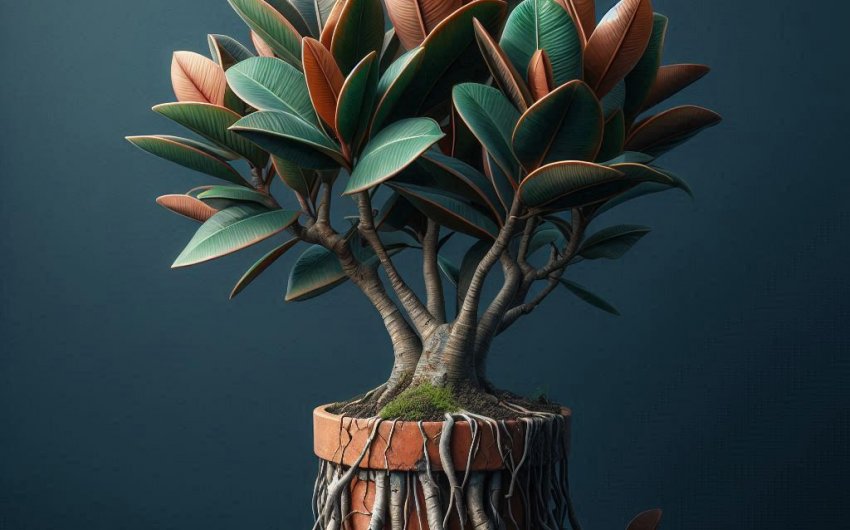
The rubber plant (Ficus elastica) is a popular houseplant known for its large, glossy leaves and relatively low maintenance needs. However, even the hardiest of plants can experience issues, and one common problem that rubber plant owners encounter is the loss of lower leaves. While it’s normal for rubber plants to shed older leaves as they grow, excessive leaf drop can be a sign that something is amiss.
In this article, we will explore the possible reasons why a rubber plant might be losing its lower leaves, including environmental factors, watering habits, and pests. Understanding these causes can help you address the issue and restore your rubber plant to its healthy, vibrant state.
1. Natural Leaf Shedding
Before diving into potential problems, it’s important to understand that some leaf loss is normal for a rubber plant. As new growth emerges at the top, older leaves at the bottom naturally fall off. This shedding process is a normal part of the plant's lifecycle and helps it focus its energy on new growth.
- Normal leaf loss: If your rubber plant is only losing one or two leaves occasionally, this is likely a natural process and should not be a cause for concern.
- Signs of healthy leaf shedding: When older leaves turn yellow and then brown before falling off, it is usually a sign of normal aging.
While natural leaf shedding is a common occurrence, if your rubber plant is losing multiple lower leaves at once, it could indicate a problem that needs attention.
2. Inconsistent Watering
One of the most common reasons for a rubber plant losing its lower leaves is improper watering. Both overwatering and underwatering can stress the plant and cause it to drop leaves.
Overwatering
Overwatering can lead to root rot, a condition in which the roots become waterlogged and start to decay. When this happens, the plant is unable to absorb nutrients and water properly, causing stress and leaf loss.
- Check the soil moisture: If the soil feels consistently wet or soggy, overwatering may be the culprit.
- Examine the roots: Remove the plant from its pot and inspect the roots. If they appear brown or mushy, root rot is likely the problem. Use a moisture meter to help monitor soil moisture levels.
Underwatering
Conversely, underwatering can also cause leaf drop. When a rubber plant is not receiving enough water, it will start shedding leaves to conserve moisture.
- Dry soil: If the soil feels dry several inches down, your plant may be suffering from underwatering.
- Wilting leaves: In addition to losing lower leaves, underwatered rubber plants often show signs of wilting or drooping.
3. Low Humidity Levels
Rubber plants thrive in humid environments, and low humidity levels can cause the leaves to dry out and fall off. This is especially common in winter when indoor heating systems can make the air dry.
- Increase humidity: Use a humidifier or place a humidity tray near your rubber plant to improve the moisture in the air. Consider a room humidifier to boost the humidity level around your plants.
- Group plants together: Placing several plants close to each other can create a microenvironment with higher humidity.
Monitoring and maintaining appropriate humidity levels can help prevent leaf drop due to dry air.
4. Temperature Fluctuations
Rubber plants prefer stable temperatures and can suffer if exposed to sudden temperature changes or extreme conditions.
- Avoid cold drafts and heat sources: Placing your rubber plant near a window, air conditioner, or heater can expose it to fluctuating temperatures, causing stress and leaf loss.
- Maintain a consistent room temperature: Keep the temperature between 60-75°F (15-24°C) to ensure the plant stays healthy. Use a digital thermometer to monitor indoor temperatures around your plant.
Keeping your rubber plant in a stable environment will minimize stress and reduce the likelihood of losing lower leaves.
5. Inadequate Lighting
While rubber plants can tolerate low light, they thrive best in bright, indirect light. If your rubber plant is not getting enough light, it may start shedding its lower leaves as a response to stress.
- Insufficient light: If your rubber plant is located in a dark corner or far from a window, consider moving it to a brighter spot.
- Direct sunlight issues: Too much direct sunlight can also cause leaf scorch, leading to yellowing and dropping leaves. Position a grow light near your plant to supplement natural light without exposing it to harsh sunlight.
Adjusting the lighting conditions can significantly improve the health of your rubber plant and help prevent further leaf loss.
6. Nutrient Deficiency
Rubber plants need a balanced supply of nutrients to maintain healthy growth. A lack of essential nutrients can lead to yellowing and falling leaves, especially the older, lower leaves.
Common Nutrient Deficiencies
- Nitrogen deficiency: This is one of the most common nutrient issues in houseplants. Nitrogen deficiency can cause older leaves to turn yellow and drop.
Magnesium deficiency: This can also lead to yellowing leaves, often with the veins remaining green.
Fertilize your rubber plant regularly: Use a balanced, water-soluble houseplant fertilizer during the growing season. Find a suitable fertilizer that provides all the essential nutrients for your plant.
By providing your rubber plant with the right nutrients, you can prevent leaf drop and support healthy, lush growth.
7. Pests
Pests such as spider mites, scale insects, and mealybugs can damage your rubber plant, leading to leaf drop. These pests feed on the plant's sap, causing stress and weakening the plant.
Identifying Common Pests
- Spider mites: These tiny pests create fine webs on the undersides of leaves.
- Scale insects: They appear as small, brown bumps on the stems and leaves.
Mealybugs: These pests look like small cotton balls clinging to the plant.
Inspect your plant regularly: Check for signs of pests on the leaves and stems, especially if you notice other symptoms such as yellowing leaves or sticky residue. Use insecticidal soap or neem oil to treat pest infestations.
Keeping pests under control will help prevent further damage to your rubber plant and stop the leaf loss.
8. Pot-Bound Roots
As the rubber plant grows, its roots may become pot-bound, meaning they outgrow their container and become crowded. When this happens, the plant can become stressed, leading to leaf drop.
Signs of Pot-Bound Roots
- Roots growing out of the drainage holes: This indicates that the plant has outgrown its pot.
Slow growth or stunted growth: Pot-bound plants may struggle to take up water and nutrients, leading to leaf loss.
Repot your rubber plant: Choose a pot that is 1-2 inches larger in diameter than the current pot. Use high-quality potting soil to give your plant a fresh start.
Regularly repotting your rubber plant will help it stay healthy and reduce the likelihood of losing lower leaves.
9. Overfertilization
While a lack of nutrients can cause problems, overfertilizing your rubber plant can also lead to leaf loss. Excess fertilizer can cause a buildup of salts in the soil, leading to root damage and leaf drop.
Signs of Overfertilization
- Crusty white residue on the soil surface: This is a sign of salt buildup.
Leaf tips turning brown: High salt concentrations can cause the leaf tips to burn and turn brown.
Flush the soil with water: This helps to remove excess salts and restore the soil's balance. Use distilled water to avoid adding more salts.
- Fertilize sparingly: Only fertilize your rubber plant during the growing season, and dilute the fertilizer to half strength.
By following these guidelines, you can prevent overfertilization and keep your rubber plant healthy and strong.
10. Root Rot
Root rot is a serious condition that occurs when a rubber plant's roots remain waterlogged for too long, causing them to decay. This issue is usually the result of overwatering or poor drainage.
Symptoms of Root Rot
- Mushy or discolored roots: Healthy roots are firm and white, while rotten roots appear brown or black.
Foul smell from the soil: Root rot can cause an unpleasant odor due to decaying organic matter.
Remove affected roots: If you suspect root rot, trim away the damaged roots and repot the plant in fresh soil. Choose pots with drainage holes to prevent future waterlogging.
Addressing root rot promptly can save your rubber plant and prevent further leaf loss.
11. Shock from Transplanting
When a rubber plant is repotted or moved to a new location, it can experience transplant shock, which may cause it to lose some of its lower leaves.
How to Minimize Transplant Shock
- Water the plant thoroughly after transplanting to help it settle into the new soil.
Avoid direct sunlight immediately after repotting, as the plant may be sensitive to light changes.
Provide extra care and attention: Gradually acclimate the plant to its new environment. Use root stimulators to help reduce transplant shock.
With proper care, your rubber plant can recover from transplant shock and resume healthy growth.
12. Disease
Fungal infections and bacterial diseases can affect rubber plants, leading to leaf drop. Diseases may develop as a result of high humidity, poor air circulation, or contaminated soil.
Common Diseases in Rubber Plants
- Fungal leaf spot: This condition causes dark spots on the leaves, which may eventually lead to leaf drop.
Bacterial blight: A bacterial infection can cause the leaves to turn yellow or brown and fall off.
Improve air circulation: Place a fan near the plant to help prevent fungal infections. Use a small desk fan to keep air moving around your rubber plant.
- Treat diseases with fungicides or bactericides: Apply fungicides to combat fungal infections and prevent further damage.
Maintaining a clean growing environment will help keep your rubber plant healthy and disease-free.
13. Poor Drainage
Poor drainage can cause excess water to accumulate in the soil, leading to problems such as root rot and leaf drop. Rubber plants need well-draining soil to thrive.
- Ensure your pot has drainage holes: This allows excess water to escape, preventing waterlogging.
- Add materials like perlite or sand to the soil mix to improve drainage. Use perlite to create a well-draining soil mixture.
Improving the drainage of your rubber plant’s soil can help prevent issues related to overwatering and leaf loss.
14. Incorrect Pot Size
The size of the pot can impact the health of your rubber plant. A pot that is too large can retain excess moisture, while a pot that is too small can restrict root growth.
- Choose a pot that is the right size: The pot should be about 1-2 inches larger than the root ball. Use the right-sized pot to ensure proper growth.
- Repot when necessary: Repot your rubber plant every 2-3 years or when the roots outgrow the current pot.
Providing the right pot size can help prevent stress and leaf drop in your rubber plant.
15. Chemical Sensitivity
Rubber plants can be sensitive to chemicals present in tap water, cleaning products, or pesticides.
- Use filtered or distilled water: Chemicals like chlorine and fluoride in tap water can cause leaf damage. Use filtered water to avoid chemical buildup.
- Avoid using harsh chemicals near your rubber plant: Stick to natural cleaning solutions and mild pest control methods.
Minimizing exposure to harmful chemicals can help keep your rubber plant healthy and prevent leaf drop.
Understanding the various factors that contribute to leaf loss in rubber plants is essential for diagnosing and addressing the issue. By following these recommendations and providing your rubber plant with the appropriate care, you can help it recover and thrive.