
Identifying Red Aphids: What Every Gardener Should Know
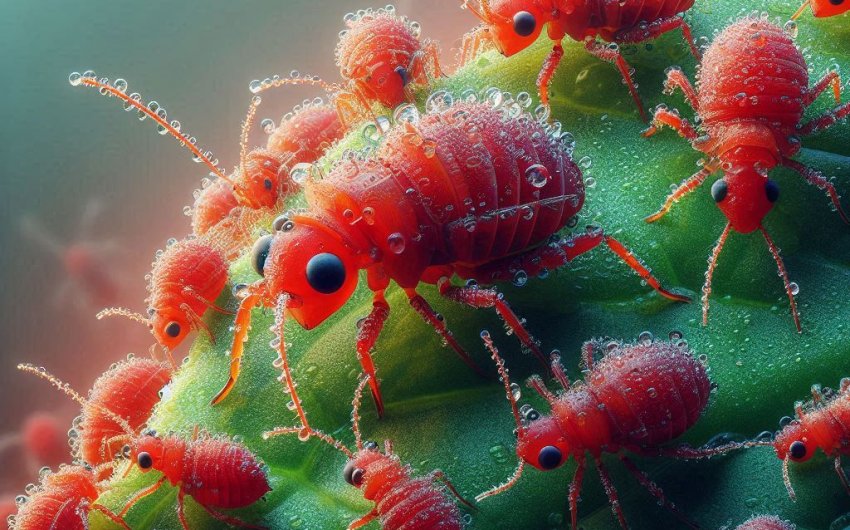
Red aphids are one of the many species of aphids, a group of small, sap-sucking insects that can wreak havoc on a variety of garden plants. Though tiny, these pests have a significant impact, as they multiply quickly and can cause serious damage to plants by weakening them, spreading diseases, and encouraging the growth of harmful molds. Among the many colors that aphids come in—such as green, black, yellow, and brown—red aphids can stand out visually, making them easier to identify in your garden.
In this guide, we will explore everything you need to know about red aphids: their lifecycle, the damage they cause, how to identify them, and the most effective ways to manage and prevent infestations in your garden.
What Are Red Aphids?
Red aphids are small, soft-bodied insects that feed on the sap of plants. They typically range from 1 to 4 millimeters in size, with their distinguishing feature being their bright red or reddish-pink coloration. Like other types of aphids, red aphids are known for their ability to reproduce quickly, forming large colonies on the leaves, stems, and flower buds of plants.
These pests belong to the Aphididae family, which includes over 4,000 species worldwide. Red aphids are commonly found on ornamental plants like roses, milkweed, and lettuce, as well as fruit trees such as apples and pears. They are particularly attracted to tender new growth, where they can easily pierce the plant's tissues to suck out the sap.
Get reliable pest identification tools to help identify red aphids in your garden.
The Lifecycle of Red Aphids
Understanding the lifecycle of red aphids is crucial for effectively managing them in your garden. Like most aphid species, red aphids undergo a rapid reproductive cycle, which can make infestations difficult to control if not addressed early.
1. Egg Stage
Most aphids, including red aphids, overwinter as eggs on perennial plants or in the soil. These eggs hatch in the spring when the weather begins to warm up, producing wingless females known as fundatrices. This stage allows the aphids to survive cold winters, emerging when food sources become available in the spring.
Consider using plant covers to protect your plants from overwintering aphid eggs.
2. Nymph Stage
Once the eggs hatch, the nymphs begin feeding immediately. Red aphid nymphs resemble smaller versions of the adults, and they feed on plant sap by piercing the tissues of leaves, stems, and flower buds. Nymphs go through several molts before reaching adulthood, and during this period, they are particularly vulnerable to natural predators.
The nymph stage is a critical time to intervene if you want to prevent a full-blown infestation.
Use organic insecticides to target aphid nymphs and stop the infestation early.
3. Adult Stage
Red aphids are unusual in that many of the adult females reproduce asexually through a process called parthenogenesis, meaning they can give birth to live offspring without mating. These offspring are often born pregnant, which contributes to the rapid population growth of aphid colonies.
Some adults develop wings and are able to fly to new plants, spreading infestations further. This ability to reproduce quickly and disperse across your garden makes red aphids particularly difficult to control once they have established themselves.
Find effective pest control sprays to manage adult red aphids before they spread.
Signs of Red Aphid Infestation
Spotting the early signs of a red aphid infestation can help you take swift action to control the problem. Because red aphids are small, they often go unnoticed until their population has grown large enough to cause visible damage to plants. Here are some common indicators that red aphids may be infesting your garden:
1. Clusters of Red Insects on Leaves and Stems
The most obvious sign of a red aphid infestation is the presence of clusters of small red insects on your plants. Red aphids tend to congregate in large numbers, often on the undersides of leaves, new shoots, or near the tips of stems. They may also gather around flower buds, especially on tender or newly sprouted growth.
Use magnifying glasses to closely inspect leaves and stems for red aphids.
2. Sticky Residue (Honeydew)
As red aphids feed on plant sap, they excrete a sticky substance called honeydew, which can accumulate on leaves and surrounding surfaces. This sticky residue can attract ants, which feed on the honeydew and may even protect aphids from natural predators in return for their sugary excretion.
In addition to attracting ants, honeydew can also lead to the development of sooty mold, a black fungus that grows on the sticky residue and can interfere with the plant’s ability to photosynthesize.
Get honeydew cleaners to remove sticky residue and prevent sooty mold from forming.
3. Curled or Distorted Leaves
One of the primary ways red aphids damage plants is by piercing plant tissues to feed on the sap. This feeding disrupts the plant’s normal growth, often causing leaves to curl, wrinkle, or become distorted. You may also notice stunted growth in areas of the plant where aphids are feeding heavily.
Find plant health monitors to track plant growth and detect early signs of aphid damage.
4. Yellowing and Wilting
As red aphids suck the sap from plants, they deprive the plants of essential nutrients. Over time, this can lead to yellowing or wilting of the affected leaves, particularly in areas where the aphids are feeding in large numbers. If left unchecked, severe infestations can cause the plant to lose its leaves or even die.
Use plant fertilizers to support nutrient-deficient plants suffering from aphid damage.
5. Presence of Sooty Mold
Sooty mold is a black fungus that grows on the honeydew secreted by red aphids. This fungus doesn’t infect the plant itself but can block sunlight from reaching the leaves, making it more difficult for the plant to perform photosynthesis. If you notice black, sooty patches on your plants, especially near areas where honeydew is present, it's a strong indication of an aphid infestation.
Check out fungicide sprays to manage sooty mold growth on affected plants.
Plants Commonly Affected by Red Aphids
While red aphids can target a wide range of plants, they tend to prefer certain types, particularly those with tender, new growth. Understanding which plants are most vulnerable to red aphids can help you monitor them more closely and prevent infestations.
1. Roses
Roses are a favorite target for red aphids, particularly in the spring when new growth is abundant. Aphids gather around the young shoots, buds, and leaves, causing damage that can stunt the growth of the plant and reduce the number of blooms.
Get rose care products to protect your roses from aphid damage.
2. Milkweed
Red aphids, particularly the oleander aphid (Aphis nerii), are commonly found on milkweed. This can be problematic for gardeners trying to grow milkweed to support monarch butterfly populations, as aphids can weaken the plants and reduce the amount of food available for monarch caterpillars.
Shop for milkweed seeds to attract monarch butterflies to your garden.
3. Lettuce and Other Leafy Vegetables
Lettuce and other leafy vegetables are also susceptible to red aphids. These pests can congregate on the undersides of leaves, damaging the plant and making the leaves unsuitable for consumption. In addition to direct feeding damage, aphids can transmit plant viruses that further reduce the quality of the crop.
Explore vegetable pest control products to keep your edible plants aphid-free.
4. Apple and Pear Trees
Red aphids often infest apple and pear trees, particularly the tender young leaves and shoots. Infestations on these trees can lead to reduced fruit production and stunted growth. Over time, aphid infestations can weaken the tree, making it more susceptible to other pests and diseases.
Check out fruit tree care products to support the health of your apple and pear trees.
Natural Predators of Red Aphids
One of the most effective ways to control red aphids is to encourage their natural predators. Many beneficial insects feed on aphids and can help keep their populations in check without the need for chemical pesticides. Here are some of the most common natural predators of red aphids:
1. Ladybugs
Ladybugs are perhaps the best-known predator of aphids. Both adult ladybugs and their larvae feed on red aphids, making them an excellent natural control option. Introducing ladybugs into your garden can significantly reduce aphid populations.
Purchase live ladybugs to naturally control aphids in your garden.
2. Green Lacewings
Green lacewings are another valuable predator of red aphids. Their larvae, often called "aphid lions," can consume large numbers of aphids in a short amount of time. Adult lacewings also contribute to aphid control, making them a beneficial addition to any garden.
Shop for lacewing eggs to introduce these beneficial insects to your garden.
3. Parasitic Wasps
Tiny parasitic wasps are another natural enemy of red aphids. These wasps lay their eggs inside aphid bodies, and as the wasp larvae develop, they consume the aphids from the inside out. This can be a highly effective biological control method, as parasitized aphids stop feeding and reproducing.
Get beneficial insect kits to introduce parasitic wasps and other aphid predators into your garden.
Managing Red Aphid Infestations
While natural predators are an essential part of red aphid control, there are additional strategies that gardeners can use to manage infestations. These methods range from organic solutions to physical barriers, all aimed at keeping aphid populations in check.
1. Pruning Infested Leaves
If you notice that a specific part of a plant is heavily infested with red aphids, one of the simplest solutions is to prune the affected leaves or shoots. This will remove a significant portion of the aphid population, and disposing of the infested plant material can help prevent the spread of the pests.
Use sharp pruning shears to safely remove infested plant material from your garden.
2. Neem Oil
Neem oil is a natural, plant-based pesticide that works well for controlling red aphids. It disrupts the feeding and reproductive cycles of the insects, reducing their numbers over time. When applying neem oil, be sure to cover both the tops and undersides of the leaves for maximum effectiveness.
Purchase neem oil sprays to manage red aphid infestations organically.
3. Insecticidal Soap
Insecticidal soap is another effective and environmentally friendly option for controlling red aphids. The soap works by breaking down the outer membranes of the aphids, causing them to dehydrate and die. This method is safe for most plants and does not harm beneficial insects if applied correctly.
Get insecticidal soap to treat red aphids without using harsh chemicals.
4. Diatomaceous Earth
Diatomaceous earth is a natural powder made from the fossilized remains of diatoms, a type of algae. It is highly effective at killing red aphids by dehydrating them. Sprinkle the powder around the base of infested plants or directly on aphid colonies to control their population.
Buy diatomaceous earth for non-toxic pest control in your garden.
5. Water Sprays
Sometimes, a strong stream of water is all it takes to dislodge red aphids from your plants. Using a garden hose with a nozzle attachment, spray the infested areas of the plant to knock the aphids off. While this method won't kill the aphids, it can significantly reduce their numbers and disrupt their feeding.
Find high-pressure garden hoses to help wash away aphids from your plants.
6. Companion Planting
Certain plants can help deter red aphids naturally. By planting garlic, onions, chives, and marigolds near vulnerable plants, you can create a natural barrier that repels aphids. This technique, known as companion planting, is an excellent way to prevent infestations without relying on pesticides.
Try planting companion seeds to naturally repel red aphids and other pests.
7. Yellow Sticky Traps
Yellow sticky traps are an effective way to catch and reduce the number of red aphids in your garden. Aphids are attracted to the color yellow, and when they land on the sticky surface, they become trapped. This method can help monitor and control aphid populations before they become overwhelming.
Use yellow sticky traps to capture red aphids and monitor their activity.
Preventing Red Aphid Infestations
While controlling red aphids is essential, preventing infestations in the first place is always the best strategy. By following a few simple gardening practices, you can reduce the likelihood of red aphids invading your garden.
1. Monitor Your Plants Regularly
One of the most effective ways to prevent red aphid infestations is to inspect your plants regularly. By catching aphids early, you can take action before they multiply and cause significant damage.
Get reliable plant monitoring tools to track the health of your garden.
2. Attract Beneficial Insects
Encouraging natural predators like ladybugs, lacewings, and hoverflies to your garden can help keep red aphid populations under control. Planting flowers such as dill, fennel, and yarrow can attract these beneficial insects, creating a balanced ecosystem that naturally limits aphid infestations.
Find beneficial insect habitats to attract aphid predators to your garden.
3. Avoid Over-Fertilizing
Aphids are attracted to plants with lush, tender growth, which is often the result of excessive fertilization. Avoid over-fertilizing your plants, particularly with nitrogen-heavy fertilizers, as this can encourage rapid growth that makes your plants more attractive to red aphids.
Shop for balanced fertilizers to promote healthy plant growth without attracting pests.