
White Grubs: The Underground Threat to Your Garden
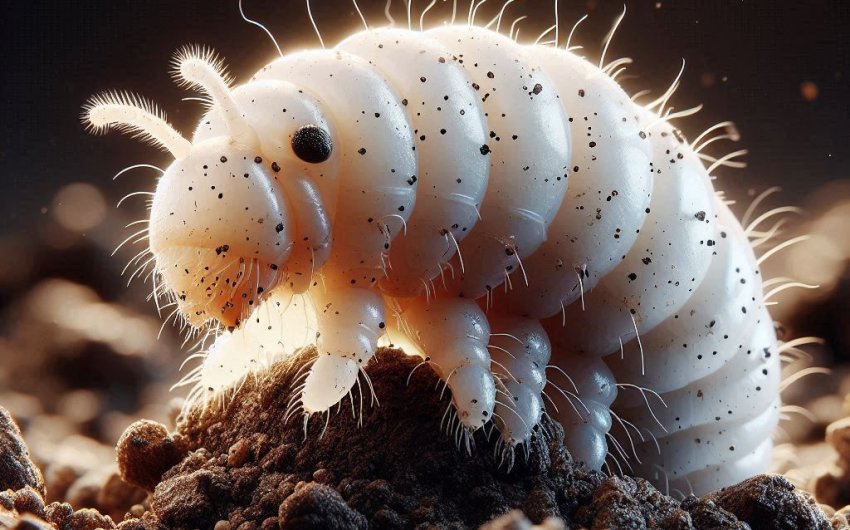
Your garden may look healthy and thriving on the surface, but beneath the soil, an invisible enemy could be slowly destroying it. White grubs, the larvae of several beetle species, are one of the most destructive pests in lawns and gardens. These underground invaders feast on the roots of grass and other plants, causing extensive damage that can lead to browning, wilting, and even plant death.
In this guide, we’ll explore everything you need to know about white grubs—what they are, how they affect your garden, and most importantly, how you can protect your plants from these underground pests.
What Are White Grubs?
White grubs are the larval stage of various species of beetles, including Japanese beetles, June beetles, European chafer beetles, and masked chafer beetles. These pests spend most of their lives underground, feeding on the roots of grass, vegetables, and other plants. They are easily recognizable by their cream-colored bodies, brown heads, and C-shaped posture.
Although they are commonly referred to as white grubs, these larvae can vary slightly in size and appearance depending on the species. However, their destructive behavior is consistent across the board. The feeding habits of white grubs weaken the plants, leaving them more vulnerable to other pests, diseases, and environmental stresses.
Get pest identification tools to help accurately identify white grubs in your garden.
The Life Cycle of White Grubs
Understanding the life cycle of white grubs is key to managing them effectively. Like many pests, white grubs undergo a complete metamorphosis, which includes four stages: egg, larva, pupa, and adult. The timing of these stages varies by species, but in general, the life cycle follows a predictable pattern.
1. Egg Stage
Adult beetles lay their eggs in the soil during the late spring and early summer. The female beetles prefer laying their eggs in moist, well-maintained lawns and gardens, where the conditions are ideal for their larvae to thrive. After a few weeks, the eggs hatch into white grub larvae, which immediately begin feeding on plant roots.
2. Larva Stage
The larval stage is the most destructive phase of the white grub's life cycle. During this stage, the grubs burrow deeper into the soil and feed on the roots of grass and other plants. As they grow, they consume more and more plant material, weakening the plants and causing them to wilt or die. The larval stage typically lasts several months, during which time the grubs molt multiple times as they increase in size.
By late summer and early fall, the grubs are fully grown and are preparing to overwinter in the soil.
Use organic larvicides to target white grub larvae and protect your plants from root damage.
3. Pupa Stage
After spending the fall and winter feeding and growing, the fully grown larvae enter the pupa stage. During this stage, the larvae undergo metamorphosis, transforming into adult beetles. The pupal stage typically takes place in the late spring, with the adult beetles emerging in the early summer to begin the cycle anew.
4. Adult Stage
Once they emerge from the soil, adult beetles begin feeding on the leaves of trees, shrubs, and ornamental plants. Japanese beetles, in particular, are notorious for the damage they cause to roses, grapes, and other plants. After feeding for several weeks, the adult beetles mate and lay their eggs in the soil, starting the cycle again.
Get effective beetle traps to capture adult beetles and reduce future white grub infestations.
Signs of White Grub Damage
One of the biggest challenges in dealing with white grubs is that the damage they cause often goes unnoticed until it’s too late. Because they feed underground, it can be difficult to detect their presence until the plants above them start showing signs of distress. Here are some common symptoms of white grub infestations:
1. Wilting and Yellowing Grass
One of the first signs of a white grub infestation is wilting and yellowing grass. As the larvae feed on the roots, the grass is no longer able to take up water and nutrients, leading to dry, brittle blades. This damage often appears in irregular patches, which can quickly spread if the infestation is severe.
2. Brown Patches in Lawns
As the white grubs continue to feed, large sections of grass may turn brown and die. These brown patches are a hallmark of white grub damage and can often be lifted up like a loose carpet, as the roots that normally anchor the grass to the soil have been severed.
Use lawn recovery products to help your grass recover from white grub damage.
3. Increased Animal Activity
Another sign that you may have a white grub problem is an increase in animal activity in your yard. Birds, skunks, raccoons, and moles are all natural predators of white grubs, and they may dig up sections of your lawn in search of these tasty treats. If you notice patches of your lawn being disturbed by wildlife, it could be a sign that white grubs are present in the soil.
Find animal repellent sprays to deter wildlife from damaging your lawn while searching for grubs.
4. Stunted Plant Growth
In gardens, white grub larvae can damage the roots of vegetables and ornamental plants, leading to stunted growth. Affected plants may produce fewer fruits or flowers, and they may appear weak or unhealthy. If your plants are failing to thrive despite proper care, it’s worth checking the soil for the presence of white grubs.
Use root health testers to assess the condition of your plant roots and detect grub damage.
Preventing White Grub Infestations
The best way to protect your lawn and garden from white grubs is to prevent infestations from occurring in the first place. By following a few key gardening practices, you can make your yard less attractive to these pests and reduce the likelihood of an infestation.
1. Maintain a Healthy Lawn
A well-maintained lawn is less susceptible to white grub damage. Proper watering, fertilizing, and mowing will help keep your grass healthy and resilient. Deep, infrequent watering encourages deeper root growth, which makes your lawn more resistant to grub feeding. Avoid over-watering, as this can create ideal conditions for white grub egg-laying.
Get high-quality lawn care products to keep your grass healthy and strong.
2. Aerate Your Soil
Soil aeration helps improve water and nutrient penetration while also disrupting the white grub lifecycle. Aerating your soil in the early spring or fall can reduce the number of larvae in your lawn by exposing them to predators and harsh environmental conditions.
Use lawn aerators to improve soil health and deter white grubs.
3. Apply Beneficial Nematodes
One of the most effective organic methods for controlling white grubs is the use of beneficial nematodes. These microscopic worms are natural predators of white grub larvae and can be applied to the soil to reduce grub populations. Once introduced, the nematodes infect and kill the grubs, preventing them from reaching maturity.
Beneficial nematodes are safe for use around humans, pets, and other beneficial insects, making them an eco-friendly option for controlling white grubs.
Shop for beneficial nematodes to naturally control white grubs in your garden.
4. Monitor for Adult Beetles
Since white grubs are the larvae of various beetle species, monitoring for adult beetles can help you predict when and where a grub infestation is likely to occur. In the early summer, keep an eye out for beetles feeding on the leaves of plants, particularly Japanese beetles and June beetles. If you notice a high number of beetles in your yard, it may be worth taking preventive measures to control the larvae that will soon be laid in the soil.
Get beetle identification guides to track adult beetle activity in your garden.
5. Use Grub-Resistant Grass Varieties
Some types of grass are more resistant to white grub damage than others. If you’re planting a new lawn or overseeding an existing one, consider using grub-resistant grass varieties such as tall fescue or ryegrass. These grass types have tougher root systems that are less appealing to white grubs, making them a good choice for lawns that are prone to infestations.
Check out grub-resistant grass seeds to protect your lawn from pests.
Controlling White Grubs in Your Garden
If you discover that your garden or lawn has already been infested with white grubs, it’s important to act quickly to minimize the damage. Fortunately, there are several effective control methods available, ranging from chemical treatments to natural solutions.
1. Insecticides
Insecticides can be an effective way to control white grub infestations, particularly if the problem is severe. There are several types of insecticides available, including those that target grubs specifically during their larval stage. Look for products that contain chlorantraniliprole, imidacloprid, or carbaryl, which are commonly used to treat grub infestations.
It’s important to apply insecticides at the right time—usually in the late summer or early fall when the grubs are actively feeding. Be sure to follow the label instructions carefully and apply the product evenly across the affected area.
Find grub control insecticides to treat severe infestations in your lawn and garden.
2. Milky Spore
Milky spore is a naturally occurring bacterium that targets Japanese beetle larvae, one of the most common types of white grubs. When the larvae ingest the bacterium, it multiplies inside their bodies, killing them and spreading the spores to other grubs in the soil. Milky spore can provide long-term control of white grubs, as the spores remain active in the soil for many years.
This treatment is best applied in areas where Japanese beetles are prevalent, and it may take a few seasons for the full effects to be realized.
Purchase milky spore treatments for long-term white grub control in your garden.
3. Biological Control
In addition to beneficial nematodes, other biological control methods can help manage white grub populations. Parasitic wasps and predatory beetles are natural enemies of white grubs and can help reduce their numbers in your garden. Encouraging biodiversity in your yard by planting a variety of flowers and herbs can attract these beneficial insects, helping to keep pest populations under control.
Find beneficial insect kits to introduce natural predators to your garden.
4. Water Management
Since white grubs thrive in moist soil, managing the amount of water your lawn and garden receive can help reduce the risk of infestation. Avoid overwatering your lawn, especially during the egg-laying period in late spring and early summer. By keeping the soil slightly drier, you can create a less favorable environment for white grub development.
Use soil moisture meters to monitor and adjust watering levels in your garden.
5. Handpicking
In smaller gardens, it may be possible to control white grubs manually by digging them up and removing them from the soil. If you notice signs of grub damage, such as stunted plants or wilting, gently dig around the base of the affected plants to check for grubs. Removing the grubs by hand can help reduce the population and prevent further damage.
Get sturdy garden trowels to easily dig up and remove white grubs from your garden.
Repairing Grub-Damaged Lawns and Gardens
Once you’ve taken steps to eliminate white grubs, you’ll need to focus on repairing the damage they’ve caused. Depending on the severity of the infestation, this may involve reseeding your lawn, replanting damaged plants, or simply giving your garden some extra care and attention.
1. Reseeding Bare Patches
If your lawn has developed bare patches as a result of white grub damage, reseeding is an effective way to restore its appearance. Choose a high-quality grass seed that is well-suited to your climate and soil type. Be sure to prepare the soil by raking away dead grass and loosening the topsoil before applying the seed.
Shop for grass seed mixes to repair bare patches caused by white grubs.
2. Fertilizing Damaged Plants
Plants that have been damaged by white grubs can benefit from additional fertilization to help them recover. Applying a balanced fertilizer will provide your plants with the nutrients they need to regrow and regain their strength. Focus on fertilizers that promote root development, as this will help plants recover from root damage caused by grubs.
Find effective plant fertilizers to support your garden's recovery from grub damage.
3. Mulching
Applying mulch around your plants can help retain moisture, suppress weeds, and improve soil health. After dealing with a white grub infestation, mulching can help stabilize the soil and provide an extra layer of protection for recovering plants.
Get high-quality garden mulch to improve soil health and protect your plants.