
Cucumber Beetles: Identifying and Managing This Pest
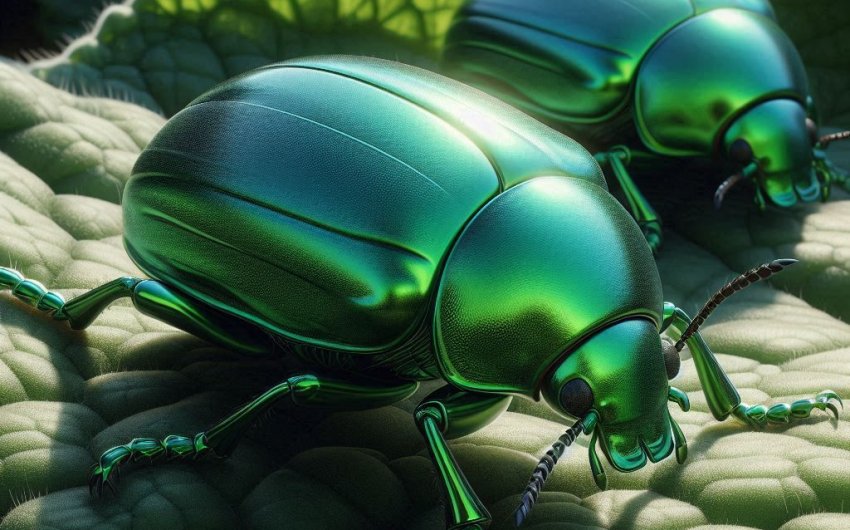
Gardening can be one of the most rewarding hobbies, especially when you get to harvest fresh cucumbers, squash, melons, and other crops from your own backyard. But as any seasoned gardener knows, it comes with its challenges, particularly when it comes to dealing with pests. One of the most notorious pests that target cucumber plants and other members of the Cucurbitaceae family is the cucumber beetle.
The cucumber beetle can wreak havoc on your plants, spreading disease, destroying leaves, and stunting the growth of young seedlings. This guide will help you identify cucumber beetles, understand the damage they cause, and provide tips on how to manage and prevent infestations.
What Are Cucumber Beetles?
Cucumber beetles are small, colorful insects that belong to the Chrysomelidae family. These pests are most commonly found in North America and are a significant threat to cucurbit plants, including cucumbers, melons, squash, and pumpkins. There are two primary types of cucumber beetles: the spotted cucumber beetle (Diabrotica undecimpunctata) and the striped cucumber beetle (Acalymma vittatum).
- Striped cucumber beetles are easily identified by their yellow bodies with three black stripes running down their backs.
- Spotted cucumber beetles are similar in size but have a yellow-green body with 12 black spots on their backs.
Both types of beetles are around ¼ inch long and feed on plant foliage, stems, and fruits. However, what makes them especially dangerous is their ability to transmit diseases like bacterial wilt and cucumber mosaic virus to cucurbit plants.
Get pest identification tools to accurately identify cucumber beetles in your garden.
The Life Cycle of Cucumber Beetles
The life cycle of cucumber beetles is key to understanding how to control them. They go through four stages: egg, larva, pupa, and adult. Knowing what happens at each stage allows gardeners to intervene at the right time.
1. Egg Stage
In the early spring, adult cucumber beetles emerge from their overwintering sites and begin feeding on the leaves and stems of young plants. After mating, females lay their eggs in the soil at the base of cucumber plants or other cucurbits. Each female can lay up to 800 eggs during her lifetime, which typically hatch within 7 to 10 days.
The tiny, orange-yellow eggs are difficult to spot, as they are deposited in clusters and hidden within the soil.
Use soil monitoring kits to detect pest eggs in your garden.
2. Larva Stage
Once the eggs hatch, cucumber beetle larvae begin feeding on the roots of plants. These small, white larvae with brown heads are about ½ inch long when fully grown. The larval stage can last anywhere from 2 to 6 weeks, depending on temperature and food availability. During this time, the larvae burrow into the soil and feed on the roots and stems of the plants, weakening them and making them more susceptible to diseases.
Find organic larvicide treatments to control cucumber beetle larvae in your soil.
3. Pupa Stage
After the larval stage, cucumber beetles pupate in the soil. The pupal stage lasts about one to two weeks, during which the larvae undergo metamorphosis and emerge as adult beetles. Once the adults emerge, they immediately begin feeding on the above-ground parts of plants, completing the cycle.
4. Adult Stage
Adult cucumber beetles are the most destructive stage of the insect's lifecycle. They feed on plant leaves, stems, and flowers, and their presence can significantly reduce plant vigor. Additionally, adult beetles are responsible for spreading diseases like bacterial wilt, which can decimate crops in a short period of time.
In warmer climates, there may be multiple generations of cucumber beetles throughout the growing season, leading to continuous infestations.
Purchase pest lifecycle charts to track cucumber beetle development in your garden.
Identifying Cucumber Beetle Damage
One of the key steps in managing cucumber beetles is being able to identify the damage they cause early. This allows you to take swift action before the infestation gets out of control. Cucumber beetles can cause a variety of problems for cucurbit plants, and their feeding behavior leads to both direct and indirect damage.
1. Foliage Damage
One of the first signs of a cucumber beetle infestation is the damage to plant leaves. Adult beetles feed on the leaves of cucumber plants, leaving behind irregular holes and jagged edges. If the infestation is severe, the leaves may take on a lace-like appearance due to extensive feeding. This not only weakens the plant but also reduces its ability to photosynthesize, leading to stunted growth.
2. Damage to Roots and Stems
In the larval stage, cucumber beetles feed on the roots and stems of young plants. This type of damage can cause the plants to wilt and become more susceptible to diseases. Root damage also limits the plant’s ability to take up water and nutrients, which can result in poor growth and lower yields.
Use root health monitors to track the condition of your plant roots.
3. Disease Transmission
One of the most concerning aspects of a cucumber beetle infestation is their ability to transmit diseases. The most common disease spread by cucumber beetles is bacterial wilt, which is caused by the bacterium Erwinia tracheiphila. As the beetles feed, they spread the bacterium, causing the plant’s vascular system to clog, leading to wilting and death. Bacterial wilt can decimate entire crops in a matter of days.
In addition to bacterial wilt, cucumber beetles can also spread cucumber mosaic virus and squash mosaic virus, both of which can severely impact plant health and fruit production.
Find effective disease control sprays to protect your plants from bacterial wilt and mosaic viruses.
4. Fruit Damage
Cucumber beetles are also known to feed on the fruit of cucurbit plants. Adult beetles will chew small holes in the fruit, which can lead to scarring and cosmetic damage. This not only affects the appearance of the fruit but also makes it more vulnerable to rot and decay.
Infested fruit may become unmarketable or unsuitable for consumption, reducing your overall harvest yield.
Use fruit protectors to shield your crops from cucumber beetles.
Managing Cucumber Beetle Infestations
Managing cucumber beetles requires a combination of cultural, biological, and chemical control methods. The goal is to reduce the beetle population while minimizing damage to your crops. Here are several effective strategies for managing cucumber beetles in your garden.
1. Crop Rotation
One of the simplest and most effective ways to manage cucumber beetles is through crop rotation. Since the beetles overwinter in the soil and emerge in the spring, rotating your crops each year can disrupt their lifecycle and reduce the likelihood of infestation. Avoid planting cucurbits in the same location for consecutive years.
By moving your cucumber plants and other susceptible crops to a different part of the garden each season, you can help prevent cucumber beetle populations from building up in the soil.
Use crop rotation planners to create a schedule for rotating your plants.
2. Floating Row Covers
Floating row covers provide an effective physical barrier that prevents adult cucumber beetles from accessing your plants. These lightweight, breathable covers allow sunlight, air, and water to reach the plants while keeping pests out. To be effective, the row covers should be applied as soon as the seeds or seedlings are planted and remain in place until flowering begins.
Once the plants begin to flower, it is important to remove the covers to allow for pollination by bees and other insects.
Get high-quality floating row covers to protect your crops from cucumber beetles.
3. Beneficial Insects
Introducing beneficial insects into your garden can help naturally reduce cucumber beetle populations. Ladybugs, green lacewings, and parasitic nematodes are all natural predators of cucumber beetle larvae. These beneficial insects will feed on the larvae, helping to reduce the number of adult beetles that emerge later in the season.
Additionally, some predatory beetles and spiders can help keep the population of adult cucumber beetles in check.
Shop for beneficial insect kits to introduce natural predators into your garden.
4. Trap Crops
Using trap crops is another effective way to manage cucumber beetles. Trap crops are plants that are more attractive to the pests than your main crop. By planting a trap crop near your cucumbers, you can lure the beetles away from your valuable plants.
Some effective trap crops for cucumber beetles include blue hubbard squash and radishes. Once the beetles are concentrated on the trap crop, you can easily target them with control measures such as handpicking or insecticidal sprays.
Try planting trap crop seeds to lure cucumber beetles away from your cucumbers.
5. Handpicking
For small gardens or minor infestations, handpicking adult cucumber beetles from your plants can be an effective control method. Inspect your plants regularly, particularly in the morning when the beetles are less active, and remove any beetles you find. Drop them into a bucket of soapy water to kill them.
While time-consuming, handpicking can help keep beetle populations in check and prevent them from spreading diseases.
Use gardening gloves to safely handpick cucumber beetles from your plants.
6. Neem Oil and Insecticidal Soap
Neem oil and insecticidal soap are organic options for controlling cucumber beetles. These products work by disrupting the feeding and reproductive cycles of the beetles, reducing their numbers over time. Neem oil also has some fungicidal properties, which can help protect plants from secondary infections caused by beetle damage.
When applying neem oil or insecticidal soap, be sure to cover both the tops and undersides of the leaves where cucumber beetles are most likely to be found.
Find effective neem oil sprays to treat cucumber beetle infestations organically.
7. Chemical Control
In cases of severe infestation, chemical insecticides may be necessary to manage cucumber beetles. Pyrethrin-based insecticides and products containing carbaryl or permethrin are commonly used to control adult beetles. These insecticides are effective at killing cucumber beetles, but they should be used with caution, as they can also harm beneficial insects and pollinators.
Always follow the label instructions carefully and apply insecticides in the early morning or late evening to minimize the impact on pollinators.
Shop for chemical insecticides for controlling cucumber beetle outbreaks.
Preventing Future Infestations
Preventing cucumber beetle infestations requires a proactive approach. By implementing the following strategies, you can reduce the likelihood of future infestations:
- Clean up plant debris at the end of the season to remove potential overwintering sites for cucumber beetles.
- Rotate crops to prevent beetles from targeting the same area year after year.
- Monitor your plants regularly for signs of beetle activity, and take action at the first sign of damage.
- Encourage natural predators by creating a healthy, biodiverse garden with plants that attract beneficial insects.
Get essential garden maintenance tools to keep your garden pest-free and thriving.