
Onion Maggot: A Gardener's Guide to Prevention
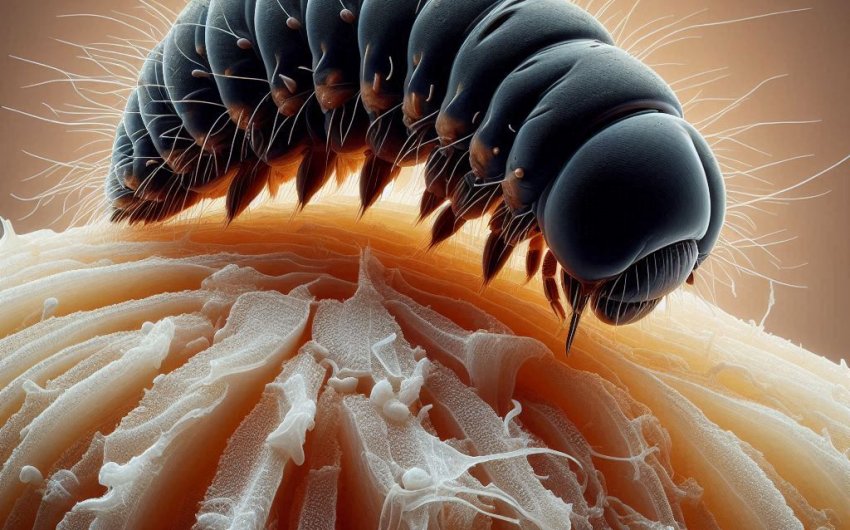
Gardening can be a rewarding experience, but it is not without its challenges, especially when it comes to dealing with pests. One of the most destructive pests for onion growers is the onion maggot. These small, yet highly damaging larvae target onion crops and other members of the Allium family, such as garlic, shallots, and leeks. A single infestation can devastate an entire onion patch, leading to reduced yields and ruined bulbs.
Understanding the lifecycle, behavior, and prevention strategies for onion maggots is essential for protecting your crop. This guide will walk you through the details of the onion maggot, its impact on onion crops, and how you can prevent this pesky pest from taking over your garden.
What Are Onion Maggots?
Onion maggots (Delia antiqua) are the larvae of small, gray flies that resemble common houseflies. The adult onion maggot fly lays its eggs at the base of onion plants, and when the eggs hatch, the larvae burrow into the soil and begin feeding on the roots and bulbs. This feeding activity can lead to significant damage, weakening the plant, stunting its growth, and ultimately killing it.
Onion maggots are particularly dangerous because they attack the plant below the soil surface, making them difficult to detect until the damage is already done. The larvae are white, legless, and about 1/3 of an inch long when fully grown. Once they have finished feeding, they pupate in the soil and emerge as adult flies to start the cycle again.
Shop for effective pest control products to manage onion maggots in your garden.
The Life Cycle of Onion Maggots
The onion maggot has a three-stage lifecycle: egg, larva, and pupa. Understanding this lifecycle is crucial for effective prevention and control.
1. Egg Stage
Adult onion maggot flies emerge in the spring, around the same time that onion plants begin to sprout. The flies are attracted to freshly planted onions, especially in moist and cool conditions. Female flies lay clusters of small, white eggs at the base of the plants, typically in the soil near the stem. These eggs hatch in a matter of days, and the larvae immediately begin to burrow into the soil in search of food.
Each female onion maggot fly can lay several hundred eggs over her lifetime, leading to the potential for massive infestations if not controlled early.
Protect your plants with insect netting to prevent flies from laying eggs near your crops.
2. Larva Stage
Once the eggs hatch, the larvae enter the most destructive stage of their lifecycle. Onion maggot larvae are voracious feeders, burrowing into the roots and bulbs of onion plants. They can hollow out the bulb, making the plant more susceptible to rot and disease. Infested plants often show signs of wilting, yellowing, or even death.
The larval stage lasts about two to three weeks, after which the larvae pupate in the soil. During this time, they continue to feed on the plant, causing extensive damage that may not be visible until it's too late.
Use organic insecticides to target onion maggot larvae before they cause serious damage.
3. Pupa and Adult Stage
After feeding, the onion maggots enter the pupa stage, where they remain in the soil for several weeks before emerging as adult flies. These adult flies are similar in appearance to small houseflies, with gray bodies and clear wings. They are most active during cool, damp weather and can continue to lay eggs throughout the growing season, leading to multiple generations of onion maggots.
In some areas, there may be two to three generations of onion maggots each year, particularly in cool, moist climates.
Consider using fly traps to capture adult onion maggot flies and reduce future infestations.
Damage Caused by Onion Maggots
The damage caused by onion maggots is often severe and can lead to significant crop loss if not addressed promptly. The larvae feed on the roots and bulbs of the plant, undermining its ability to absorb nutrients and water. This can result in stunted growth, yellowing leaves, wilting, and eventually death.
1. Root and Bulb Damage
The most obvious damage from onion maggots occurs in the roots and bulbs. As the larvae burrow into the bulbs, they create tunnels that weaken the plant and leave it vulnerable to secondary infections, such as bacterial and fungal diseases. Infected bulbs often develop soft, rotten spots and emit a foul odor.
Even if the plant survives, the damage can reduce the size and quality of the onions, making them unsuitable for harvest or storage.
Find root protectors to shield your plants from underground pests like onion maggots.
2. Seedling Loss
Onion seedlings are particularly vulnerable to onion maggot infestations. The larvae can destroy the entire seedling by feeding on its roots, leading to poor germination rates and the loss of young plants. Gardeners may notice gaps in their planting rows or seedlings that fail to thrive.
If left unchecked, onion maggots can wipe out an entire crop of seedlings, forcing the gardener to replant and delaying the growing season.
Use seedling covers to protect young onion plants from maggot attacks.
3. Secondary Infections
The damage caused by onion maggots can open the door to a variety of secondary infections. The tunnels created by the larvae allow harmful bacteria and fungi to enter the bulb, leading to rot and decay. This can further reduce the quality of the onions and make them unfit for consumption.
In addition, infected bulbs are more likely to spoil during storage, leading to further crop loss even after harvest.
Try fungal sprays to prevent secondary infections after onion maggot damage.
How to Identify Onion Maggot Infestations
Early detection of onion maggot infestations is critical for minimizing damage. Since the larvae feed underground, it can be difficult to spot the problem until the plants start to show visible symptoms. However, there are several signs to watch for that can indicate the presence of onion maggots:
1. Wilting and Yellowing Leaves
One of the first signs of an onion maggot infestation is the wilting and yellowing of leaves. As the larvae feed on the roots and bulbs, the plant loses its ability to take up water, leading to dehydration and nutrient deficiencies. If the problem is severe, the plant may die altogether.
Use plant health monitors to detect early signs of stress in your onion plants.
2. Soft or Rotten Bulbs
If you suspect an onion maggot infestation, carefully dig up a few plants and inspect the bulbs. Infested bulbs will often feel soft or mushy to the touch and may have small tunnels running through them. You may also notice a foul odor, which indicates that the bulb is starting to rot.
Shop for onion storage containers to keep your harvested onions safe from spoilage.
3. Presence of Small Flies
Adult onion maggot flies are often seen hovering around onion plants during the growing season. If you notice small, gray flies in your garden, particularly near the base of your onions, it’s a sign that an infestation may be imminent. Pay close attention to these areas and consider taking preventive action to stop the larvae before they hatch.
Use fly repellents to deter onion maggot flies from laying eggs on your crops.
Preventing Onion Maggot Infestations
Preventing an onion maggot infestation is far easier than dealing with one after it has taken hold. By following a few simple gardening practices, you can reduce the risk of these pests invading your onion patch and damaging your crops.
1. Crop Rotation
One of the most effective methods for preventing onion maggot infestations is practicing crop rotation. Onion maggots overwinter in the soil as pupae, emerging in the spring to infest newly planted crops. By rotating your onion crops and other Allium family plants to different parts of the garden each year, you can disrupt the lifecycle of the onion maggots and reduce the risk of infestation.
Avoid planting onions, garlic, shallots, or leeks in the same spot for at least two to three years.
Get crop rotation planners to manage your planting schedules and avoid pest buildup.
2. Use Floating Row Covers
Floating row covers are lightweight, breathable fabrics that can be placed over your crops to prevent adult onion maggot flies from laying eggs. These covers allow sunlight, water, and air to reach the plants while keeping pests out. Be sure to secure the edges of the row covers to the soil to prevent flies from getting underneath.
Using row covers is particularly effective during the spring and early summer, when onion maggot flies are most active.
Find durable floating row covers to protect your onion plants from pests.
3. Apply Diatomaceous Earth
Diatomaceous earth is a natural, non-toxic powder that can be sprinkled around the base of onion plants to deter onion maggot larvae. The sharp edges of the diatomaceous earth particles are abrasive to soft-bodied insects like onion maggots, causing them to dehydrate and die. This is a safe and environmentally friendly way to protect your onions from underground pests.
Purchase diatomaceous earth for organic pest control in your garden.
4. Plant Resistant Varieties
Some onion varieties are more resistant to onion maggots than others. When selecting onion seeds or sets for your garden, consider choosing varieties that have been bred for resistance to pests and diseases. Onions with stronger, thicker bulbs may be less attractive to onion maggot flies, reducing the likelihood of an infestation.
Explore onion seed varieties to find pest-resistant options for your garden.
5. Maintain Clean Garden Practices
Maintaining a clean and well-organized garden is another important step in preventing onion maggot infestations. Remove any plant debris, including old onion bulbs, roots, and leaves, which can attract adult flies and provide a breeding ground for future generations of onion maggots. Regularly till the soil to expose any pupae, making it harder for them to survive the winter and emerge in the spring.
Find garden cleaning tools to keep your garden free of debris and pests.
6. Companion Planting
Companion planting can also help deter onion maggot flies. Certain plants, such as carrots, chamomile, and mint, can repel flies and other pests due to their strong scents. Planting these around your onion beds can create a natural barrier that keeps onion maggot flies away from your crops.
Shop for companion plants to naturally repel onion maggot flies from your garden.
Treating Onion Maggot Infestations
If you discover that your onions have been infested with onion maggots, it’s important to act quickly to minimize the damage. While prevention is the best approach, there are a few treatment options available if onion maggots have already taken hold.
1. Remove and Destroy Infested Plants
The first step in dealing with an onion maggot infestation is to remove any affected plants. Dig up the infected onions and dispose of them away from the garden to prevent the larvae from spreading to other plants. Do not compost infested plants, as this can lead to further infestations.
Use sharp garden spades to safely remove infested plants from your garden.
2. Apply Beneficial Nematodes
Beneficial nematodes are microscopic organisms that can help control onion maggot larvae in the soil. These nematodes enter the bodies of the larvae and release bacteria that kill them from the inside. This is a highly effective biological control method that targets onion maggots without harming beneficial insects or plants.
Shop for beneficial nematodes to naturally control onion maggots in your soil.
3. Use Insecticidal Soap
For a less invasive approach, applying insecticidal soap can help control onion maggot larvae. This organic solution works by suffocating soft-bodied insects and is safe for use on onion plants. It is most effective when applied directly to the soil where the larvae are feeding.
Find insecticidal soap to treat onion maggots without using harsh chemicals.
4. Solarize the Soil
Soil solarization is a process in which clear plastic is placed over the soil for several weeks to trap heat and kill soil-borne pests like onion maggots. This method is particularly useful in warmer climates and can help eliminate both larvae and pupae in the soil.
Purchase solarization plastic sheets to sterilize your garden soil and control pests.