
Lace Bugs: The Invisible Threat to Your Foliage
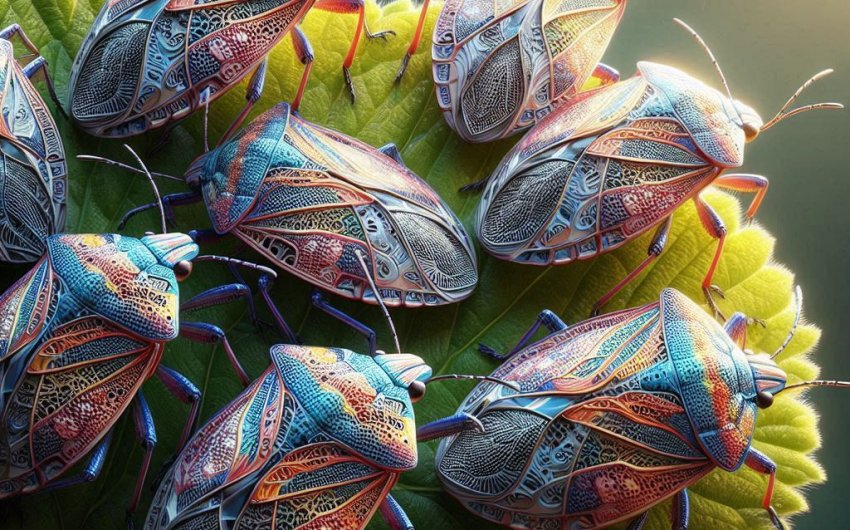
In the world of garden pests, lace bugs often fly under the radar, making them an invisible but serious threat to your plants. These tiny insects, despite their delicate and intricate appearance, can cause significant damage to a wide variety of trees, shrubs, and ornamental plants. While their feeding habits may go unnoticed at first, over time, their presence can lead to the yellowing and deterioration of leaves, reducing the overall health and beauty of your garden.
In this blog, we will explore everything you need to know about lace bugs—from their life cycle and feeding habits to identifying their damage and implementing effective control measures.
What Are Lace Bugs?
Lace bugs belong to the Tingidae family, a group of small, sap-sucking insects known for their ornate, lacy wings and thoraxes. These pests are typically 2 to 3 millimeters in length, and their wings are transparent with a delicate, lace-like pattern. Despite their seemingly harmless appearance, lace bugs can wreak havoc on the foliage of plants by feeding on their sap, which weakens the plant over time.
They are often found on the undersides of leaves, making them difficult to detect at first glance. There are several species of lace bugs, each with its own host plant preferences. Some of the most common species include the azalea lace bug, sycamore lace bug, and oak lace bug, each named after the type of plant they primarily infest.
Get plant inspection tools to help detect lace bugs on your foliage.
The Life Cycle of Lace Bugs
Understanding the life cycle of lace bugs is essential for effective control. Like many insects, lace bugs go through several stages of development, and each stage offers different opportunities for intervention.
1. Egg Stage
Lace bugs begin their life as eggs, which the females lay on the undersides of leaves, often in small groups. The eggs are typically inserted into the leaf tissue, making them difficult to spot. These eggs are covered with a protective layer that shields them from predators and environmental conditions. Depending on the species and climate, the eggs can take several weeks to hatch.
2. Nymph Stage
After hatching, lace bug nymphs emerge and immediately begin feeding on the plant sap. Nymphs are wingless, darker in color than adults, and covered in spines. As they feed, they cause stippling and discoloration on the leaves. The nymphs molt multiple times as they grow, becoming larger with each molt. The nymph stage lasts for several weeks, during which the young insects are highly active and continue to cause damage to the host plant.
Use organic insecticides to target lace bug nymphs before they mature into adults.
3. Adult Stage
Once they have fully matured, lace bugs develop their characteristic lace-like wings and continue feeding on plant sap. Adults are more mobile than nymphs and can move from plant to plant, spreading infestations. Female lace bugs lay eggs during the summer months, and multiple generations can occur each year, especially in warmer climates. In some areas, there may be up to three generations per growing season, which can quickly lead to a serious infestation if left untreated.
Find effective pest control products to manage adult lace bug populations.
Damage Caused by Lace Bugs
While lace bugs do not typically kill plants outright, the damage they cause can significantly reduce the aesthetic and health of your garden. Their feeding behavior involves piercing the leaf tissue and sucking out the sap, which leads to the following symptoms:
1. Stippling and Yellowing of Leaves
The most common sign of lace bug damage is stippling, which appears as tiny white, yellow, or silver specks on the upper surfaces of the leaves. This is caused by the insects sucking the chlorophyll out of the leaf tissue, leaving behind small discolored spots. Over time, the entire leaf may take on a bleached or yellowed appearance, which diminishes the plant's ability to photosynthesize effectively.
Explore plant health monitors to detect early signs of lace bug damage.
2. Premature Leaf Drop
In severe infestations, lace bug feeding can cause leaves to drop prematurely. This is especially common in ornamental plants like azaleas and rhododendrons, which are often targets of lace bugs. Premature leaf drop weakens the plant, making it more susceptible to other stresses like drought, disease, and other pest infestations.
Use fertilizers to support plant recovery after lace bug damage.
3. Sooty Mold and Excrement
As they feed, lace bugs excrete dark, sticky waste, which can accumulate on the undersides of leaves. This waste can promote the growth of sooty mold, a black fungal growth that further hampers the plant's ability to photosynthesize. While sooty mold does not directly harm the plant, it can create unsightly black patches on the foliage and is often a sign of a larger lace bug infestation.
Get sooty mold cleaners to remove unsightly black patches from leaves.
Plants Commonly Affected by Lace Bugs
Lace bugs are highly selective when it comes to their host plants. While they can infest a wide variety of plants, certain trees and shrubs are particularly vulnerable to lace bug infestations. Some of the most commonly affected plants include:
1. Azaleas
Azaleas are one of the most common targets of the azalea lace bug (Stephanitis pyrioides). These pests can cause significant damage to azalea foliage, leading to stippling, yellowing, and premature leaf drop. Azalea lace bugs are especially problematic in warm, sunny environments where they can reproduce multiple times per year.
Find azalea care products to protect your plants from lace bugs.
2. Sycamore Trees
The sycamore lace bug (Corythucha ciliata) is a major pest of sycamore trees. These insects primarily feed on the leaves of the tree, causing stippling and yellowing. Over time, severe infestations can lead to defoliation, weakening the tree and making it more vulnerable to other pests and diseases.
Use tree protection wraps to shield sycamore trees from lace bug infestations.
3. Oak Trees
Oak lace bugs (Corythucha arcuata) are another species that target oak trees, particularly white oak and black oak varieties. These pests feed on the undersides of the leaves, causing the same stippling and yellowing damage seen in other lace bug infestations. Oak trees that are heavily infested may suffer from reduced growth and premature leaf drop.
Check out oak tree care products to keep your trees healthy and strong.
4. Rhododendrons
Like azaleas, rhododendrons are also frequent targets of lace bugs. These evergreen shrubs are prized for their large, showy flowers, but their leaves can be severely affected by lace bug feeding. This damage not only reduces the plant's aesthetic value but also compromises its health over time.
Find rhododendron fertilizers to help your shrubs recover from lace bug damage.
How to Identify Lace Bugs
Given their small size and tendency to hide on the undersides of leaves, lace bugs can be challenging to detect until their damage becomes apparent. However, with careful observation, there are several ways to identify a lace bug infestation early:
1. Inspect the Undersides of Leaves
The best way to spot lace bugs is by carefully examining the undersides of leaves, where they tend to congregate. Look for the small, lacy wings of the adults or the spiny nymphs. You may also notice small black dots of excrement, which is a clear sign of lace bug activity.
Use a handheld magnifier to closely inspect leaves for signs of lace bugs.
2. Look for Stippling on Leaf Surfaces
As mentioned earlier, stippling is one of the most telltale signs of lace bug damage. This appears as small white or yellow spots on the upper surface of the leaves and is caused by the insects sucking out the chlorophyll. If you see stippling, it’s worth checking the underside of the leaves for lace bugs.
3. Premature Leaf Drop and Yellowing
If you notice that your plants are dropping leaves prematurely or the foliage is turning yellow, it could be a sign of a severe lace bug infestation. While other factors like drought or nutrient deficiencies can also cause these symptoms, the presence of stippling and black excrement on the leaves is a strong indicator of lace bug activity.
Get plant diagnostic kits to confirm if lace bugs are the cause of yellowing leaves.
Controlling Lace Bugs in Your Garden
Controlling lace bugs requires a combination of preventive measures and targeted treatments. Because these pests reproduce rapidly, it’s important to act quickly if you spot an infestation. Here are several effective methods for controlling lace bugs in your garden:
1. Introduce Beneficial Insects
One of the most natural ways to control lace bugs is by introducing beneficial insects into your garden. Ladybugs, lacewing larvae, and parasitic wasps are all natural predators of lace bugs and can help keep their populations in check. These beneficial insects feed on lace bug nymphs and eggs, preventing them from reaching adulthood and reproducing.
Shop for beneficial insect kits to introduce natural lace bug predators into your garden.
2. Use Horticultural Oils and Soaps
Horticultural oils and insecticidal soaps are effective at suffocating lace bug nymphs and adults. These products work by coating the insects and preventing them from breathing. They are safe for most plants and can be used as part of an integrated pest management strategy. Be sure to apply these treatments to the undersides of the leaves, where lace bugs are most likely to be found.
Find horticultural oils for eco-friendly lace bug control.
3. Prune Infested Foliage
If only a few leaves or branches are affected, pruning away the damaged foliage can help prevent the lace bugs from spreading to other parts of the plant. Be sure to dispose of the pruned material properly, as lace bugs can continue to live on the cut leaves and spread to other plants.
Use sharp pruning shears to remove infested foliage safely.
4. Apply Systemic Insecticides
For severe infestations, systemic insecticides can provide long-lasting protection against lace bugs. These insecticides are absorbed by the plant and are distributed throughout its tissues, effectively killing lace bugs as they feed. Systemic insecticides are particularly useful for treating large trees and shrubs, where spraying the entire plant may not be practical.
Get effective systemic insecticides for controlling lace bugs in trees and large plants.
5. Water and Fertilize Plants Properly
Healthy plants are better equipped to withstand and recover from lace bug damage. Make sure to water and fertilize your plants regularly, especially during dry periods, to keep them strong and resilient. Avoid over-fertilizing, as excessive nitrogen can encourage soft, lush growth that is more attractive to lace bugs.
Check out plant fertilizers to support plant health and resilience.