
Sweet Potato Weevil: Protecting Your Harvest
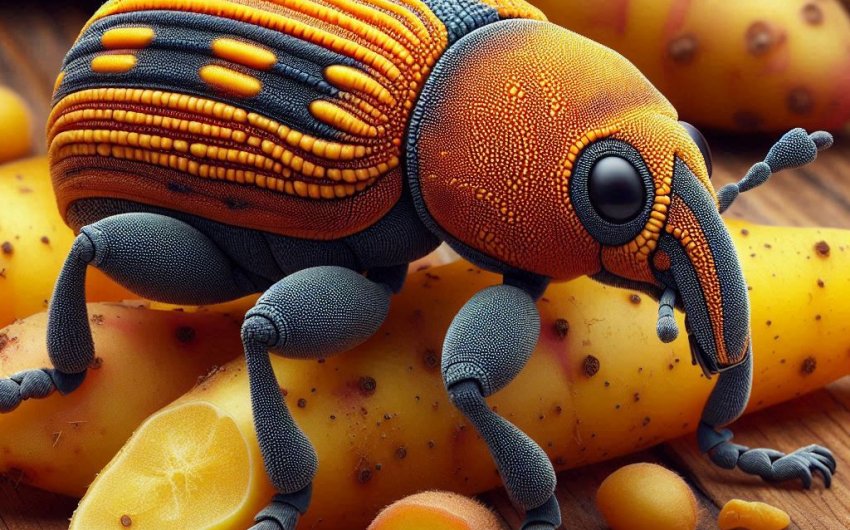
The sweet potato weevil (Cylas formicarius) is one of the most destructive pests affecting sweet potato crops worldwide. This small but tenacious insect can cause significant damage to both the vines and tubers of sweet potato plants, leading to reduced yields and lower crop quality. For farmers and gardeners who rely on sweet potatoes, understanding how to identify, manage, and prevent sweet potato weevil infestations is crucial to protecting their harvest.
In this article, we'll dive into the lifecycle, behavior, and impact of the sweet potato weevil, as well as provide practical methods for controlling and preventing infestations. By implementing effective strategies, you can safeguard your sweet potato crops and enjoy a bountiful harvest.
What is the Sweet Potato Weevil?
The sweet potato weevil is a small, slender insect that measures about 6-8 mm in length. It has a distinctive appearance, with a metallic blue-black head and thorax, and reddish-orange wing covers. The weevil's long, curved snout is used to bore into the vines and tubers of sweet potatoes, where it lays its eggs.
Native to Central America, the sweet potato weevil has spread to many parts of the world, including the southern United States, Africa, and Asia. It thrives in warm climates and can cause extensive damage to sweet potato crops both in the field and in storage. The adult weevils and their larvae feed on the vines, leaves, and tubers, creating entry points for fungal and bacterial infections, further compromising the crop.
Lifecycle of the Sweet Potato Weevil
Understanding the lifecycle of the sweet potato weevil is key to managing and controlling this pest. The weevil undergoes a complete metamorphosis, with four distinct stages: egg, larva, pupa, and adult.
Egg Stage: Female weevils lay eggs in small cavities that they create in the vines or tubers of sweet potato plants. Each female can lay up to 250 eggs during her lifetime, and the eggs hatch within 5-7 days.
AdvertisementLarval Stage: After hatching, the larvae bore into the tubers or vines, where they feed and grow. The larval stage lasts for about 2-3 weeks and is the most damaging phase, as the larvae tunnel through the plant tissues.
Pupal Stage: The larvae eventually form pupae within the tunnels they have created. The pupal stage lasts for about a week, during which the weevil undergoes transformation into an adult.
Adult Stage: Adult weevils emerge from the pupae and begin feeding on the sweet potato vines and tubers. They are also responsible for laying eggs, starting the cycle anew. Adult weevils can live for several months, with the entire lifecycle from egg to adult taking about 30-40 days.
Knowing the timing of each stage can help you implement effective control measures. Use insect monitoring tools to detect weevil activity and intervene at the right time.
Identifying Sweet Potato Weevil Damage
Recognizing the signs of sweet potato weevil damage is crucial for taking prompt action to protect your crop. Weevil infestations can result in a range of symptoms that affect both the vines and the tubers.
Damage to Vines and Leaves
The adult weevils feed on the vines and leaves of the sweet potato plant, causing visible damage. This feeding can weaken the plant and reduce its ability to produce healthy tubers.
- Look for feeding scars on the vines, which appear as small holes or lesions where the weevils have chewed the plant tissue.
- Check for yellowing leaves, which can be a sign of stress due to weevil feeding.
Damage to Tubers
The most significant damage caused by the sweet potato weevil occurs in the tubers, where the larvae tunnel and feed. This not only reduces the quality of the tubers but also creates an entry point for diseases.
- Inspect the tubers for small holes or tunnels, which are a sign that larvae have bored into the sweet potatoes.
- Smell the tubers for an unpleasant odor, which can indicate the presence of secondary infections caused by fungi or bacteria entering through weevil damage.
If you detect any of these symptoms, consider implementing control measures to protect your crop from further damage. Use pest management products designed specifically for weevil control.
Host Plants Vulnerable to Sweet Potato Weevils
The sweet potato weevil primarily targets sweet potato plants, but it can also affect other members of the morning glory family, Convolvulaceae. While sweet potatoes are the preferred host, the weevil can feed on the foliage and stems of other related plants.
Sweet Potato Varieties
All varieties of sweet potatoes are susceptible to sweet potato weevil infestations, though some may show more resistance than others. Early detection and intervention are critical for preventing damage across different sweet potato cultivars. Choose resistant sweet potato varieties when available to reduce the risk of infestation.
Ornamental Morning Glory
Ornamental morning glory plants may also be affected by sweet potato weevils. While these plants are not typically grown for food, they can serve as a reservoir for weevils, allowing the pest to spread to nearby sweet potato crops.
Wild Morning Glory Species
Wild members of the morning glory family that grow near sweet potato fields can harbor sweet potato weevils. Managing these wild hosts can help reduce the risk of infestations in cultivated sweet potatoes.
Managing and Controlling Sweet Potato Weevils
Controlling sweet potato weevils requires a combination of cultural practices, biological control, and chemical treatments. An integrated pest management (IPM) approach is the most effective strategy for reducing weevil populations and preventing crop damage.
1. Cultural Practices
Implementing cultural control measures can help make the growing environment less conducive to sweet potato weevils.
- Use clean planting material: Always start with weevil-free planting material, including vines and tubers, to prevent introducing the pest into your field. Source certified sweet potato seeds to reduce the risk of infestation.
- Practice crop rotation: Rotate sweet potatoes with non-host crops, such as corn or beans, to disrupt the weevil's lifecycle.
- Remove and destroy infested plants: Uproot and burn or compost infested plants to prevent weevils from spreading to healthy crops.
- Manage wild hosts: Remove wild morning glory species growing near your sweet potato fields to reduce potential reservoirs for weevils.
2. Biological Control
Biological control involves using natural predators, parasites, and pathogens to reduce pest populations. While there are limited natural enemies of the sweet potato weevil, some biological agents can help.
- Encourage beneficial insects: Predators like spiders, ants, and predatory beetles may feed on weevil larvae and eggs, helping to reduce populations. Attract beneficial insects by planting nectar-rich flowers nearby.
- Use entomopathogenic nematodes: These microscopic worms can be applied to the soil to target weevil larvae. Introduce nematodes as a biological control method.
- Apply fungal biopesticides: Fungi like Beauveria bassiana can infect and kill weevils. Use fungal-based pest control products for a natural approach.
3. Chemical Control
Chemical treatments may be necessary to control severe infestations of sweet potato weevils. However, care must be taken to avoid harming beneficial organisms.
- Apply insecticides carefully: Use insecticides with active ingredients such as carbaryl, spinosad, or permethrin to target adult weevils. Select insecticides that are approved for use on sweet potatoes.
- Use pheromone traps: Pheromone traps can help monitor and reduce adult weevil populations. Set up pheromone traps in the field to capture weevils and track their activity.
- Treat the soil with systemic insecticides: Systemic treatments can be applied to the soil to kill larvae as they feed on the roots and tubers. Choose systemic insecticides for effective control.
4. Organic and Natural Remedies
For gardeners who prefer non-chemical methods, several organic and natural approaches can help manage sweet potato weevils.
- Neem oil: Neem oil has insecticidal properties and can help deter weevils from feeding on plants. Apply neem oil as a foliar spray.
- Diatomaceous earth: This natural powder works by dehydrating insects upon contact. Use diatomaceous earth around the base of plants as a barrier against weevils.
- Hand-picking: In small gardens, manually removing adult weevils from the plants can help reduce populations.
5. Using Physical Barriers
Physical barriers can protect young plants from sweet potato weevils, especially during the early stages of growth.
- Floating row covers: Covering sweet potato plants with floating row covers can prevent weevils from reaching the vines and tubers. Use row covers to shield crops from pests.
- Mulching: Applying mulch around the base of plants can help reduce weevil populations by making it difficult for larvae to reach the soil.
Preventing Sweet Potato Weevil Infestations
Prevention is always better than dealing with a full-blown sweet potato weevil infestation. Here are some preventive measures to help protect your crop:
1. Inspect Planting Material
Always inspect sweet potato vines and tubers before planting them to ensure they are free of weevils.
- Purchase certified planting material: Only use sweet potato vines and tubers from reputable sources that guarantee their products are pest-free.
- Quarantine new plants: If you're unsure about the source, quarantine new plants for a few weeks to monitor for signs of weevils. Use pest quarantine supplies to keep new plants separate.
2. Monitor Fields Regularly
Regular monitoring is essential for detecting early signs of sweet potato weevil infestations.
- Inspect fields weekly, paying special attention to the base of plants and any signs of feeding damage.
- Use pheromone traps to monitor adult weevil activity throughout the growing season.
3. Store Tubers Properly
Proper storage of harvested sweet potatoes can prevent weevils from infesting stored tubers.
- Cure sweet potatoes before storage by keeping them in a warm, humid environment for a few days to heal any wounds on the tubers.
- Store tubers in a cool, dry place, and avoid storing them near other host plants that could harbor weevils.
4. Manage Field Borders
Managing the area around your sweet potato fields can help reduce the risk of sweet potato weevil infestations.
- Remove nearby wild hosts, such as morning glory, that could serve as a reservoir for weevils.
- Mow field borders regularly to reduce potential hiding spots for adult weevils.
5. Use Resistant Varieties
Planting resistant varieties of sweet potatoes can help reduce the likelihood of weevil damage.
- Look for cultivars that are bred for resistance to sweet potato weevils.
- Incorporate resistant varieties into crop rotation plans to minimize pest pressure.
Post-Harvest Control of Sweet Potato Weevils
Controlling sweet potato weevils doesn't end with the harvest. Post-harvest management is crucial for protecting stored sweet potatoes.
1. Curing Tubers
Curing sweet potatoes after harvest helps to heal wounds and reduce the risk of weevil infestations.
- Keep tubers at 85-90% humidity and 29-32°C for 4-7 days.
- Store cured tubers in a well-ventilated area to maintain quality.
2. Cold Storage
Storing sweet potatoes in cool temperatures can inhibit weevil activity.
- Maintain storage temperatures around 55°F (13°C).
- Avoid exposing tubers to freezing temperatures, as this can damage them.
3. Periodic Inspection
Regularly inspect stored sweet potatoes for signs of weevil damage.
- Check for holes or an unpleasant odor.
- Remove any infested tubers immediately to prevent spreading.
By implementing a combination of cultural, biological, and chemical control measures, as well as taking preventive steps, you can protect your sweet potato crops from sweet potato weevils and ensure a healthy, productive harvest.