
Asian Beetles: Friends or Foes in the Garden?
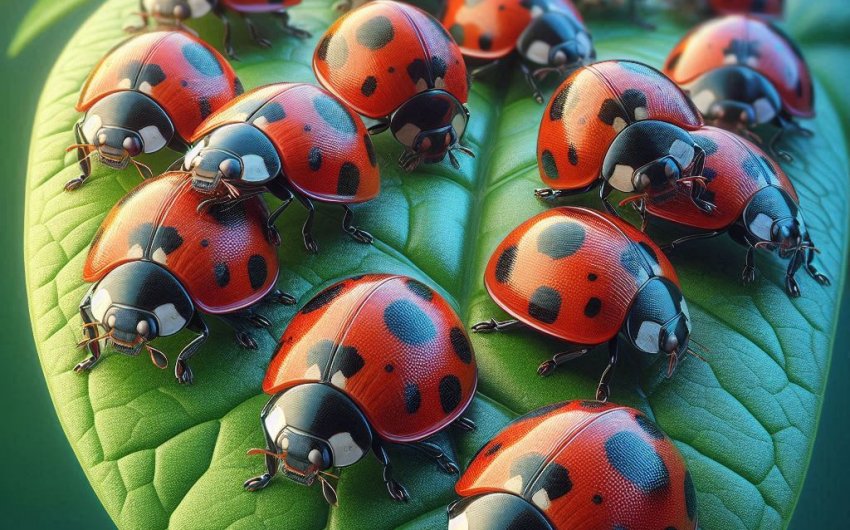
The Asian beetle, more commonly known as the Asian lady beetle (Harmonia axyridis), is a fascinating insect that often sparks debate among gardeners and homeowners. Originally introduced to North America as a biological control agent for aphids and other pests, the Asian beetle has since become a controversial figure in the garden. While these beetles can be highly beneficial by reducing harmful pest populations, they also have a darker side, including infestations in homes and competition with native ladybugs.
This article explores the dual nature of the Asian beetle, examining whether it is truly a friend or foe in the garden. We will discuss its lifecycle, behavior, benefits, and potential problems, along with practical methods for managing Asian beetle populations.
What Are Asian Beetles?
The Asian lady beetle is a type of ladybug that originates from East Asia but was introduced to the United States in the 20th century as a natural pest control measure. These beetles are slightly larger than native ladybugs, measuring around 5-8 mm in length. Their coloration can vary from bright orange to red, and they may have a varying number of black spots on their wing covers, or no spots at all. One distinguishing feature of the Asian beetle is the characteristic "M" or "W"-shaped marking located behind its head.
Asian beetles are commonly found in gardens, parks, agricultural fields, and forests, where they feed on aphids, scale insects, and other soft-bodied pests. Their voracious appetite for pests makes them valuable allies for many gardeners, but their invasive nature and habit of overwintering inside homes have raised concerns.
Lifecycle of the Asian Beetle
Understanding the lifecycle of the Asian beetle is crucial for managing their populations and maximizing their benefits while minimizing problems. The Asian beetle undergoes a complete metamorphosis with four stages: egg, larva, pupa, and adult.
Egg Stage: Females lay clusters of yellowish eggs on the undersides of leaves, usually near aphid colonies. Each cluster can contain several dozen eggs, and a female can lay hundreds of eggs during her lifetime.
AdvertisementLarval Stage: The larvae are alligator-like in appearance, with elongated bodies covered in small spines. The larvae actively feed on aphids and other soft-bodied insects, consuming hundreds before reaching the pupal stage.
Pupal Stage: The larvae attach themselves to a leaf or stem and undergo pupation, transforming into adult beetles within a week.
Adult Stage: Adult Asian beetles are active from spring through fall, feeding on pests and laying eggs. As temperatures drop, they seek shelter to overwinter, often entering homes or other structures.
Knowing when and where Asian beetles are likely to be active can help you implement targeted control measures. Use insect monitoring tools to detect beetle activity throughout the growing season.
The Benefits of Asian Beetles in the Garden
Asian beetles can be highly beneficial to gardeners and farmers because of their pest control capabilities. Here are some of the key advantages these beetles bring to the garden:
Natural Pest Control
One of the primary reasons for the introduction of Asian lady beetles was their ability to naturally control pest populations. They are voracious predators of aphids, mealybugs, whiteflies, and other harmful insects that can damage plants.
- Aphid Control: The Asian beetle is particularly effective at controlling aphids, which are notorious for sucking sap from plants and spreading diseases. Use insect-attracting plants to encourage beetles to target aphid-infested areas.
- Reduction of Plant Damage: By keeping pest populations under control, these beetles help reduce the damage to flowers, vegetables, and fruit crops, allowing for healthier plants and better yields.
Contribution to Organic Gardening
For gardeners who prefer to avoid chemical insecticides, the Asian beetle provides an eco-friendly option for integrated pest management. Since these beetles feed on various garden pests, they can help reduce the need for chemical treatments, which can harm beneficial insects like bees and butterflies.
- Safe for Pollinators: Unlike some chemical treatments, Asian beetles do not harm pollinators, making them suitable for gardens that support bees and other beneficial insects.
- Promote Biodiversity: Using natural predators like the Asian beetle to control pests encourages a balanced garden ecosystem.
The Downsides of Asian Beetles
Despite their benefits, Asian lady beetles can also be problematic. Their invasive nature and some troublesome behaviors make them less desirable in certain situations. Here are some of the main issues associated with Asian beetles:
Overwintering Inside Homes
One of the most significant complaints about Asian beetles is their tendency to seek shelter indoors during the colder months. As temperatures drop in the fall, these beetles congregate on warm, sunny walls and eventually find their way into homes, where they can be a nuisance.
- Staining Surfaces: When disturbed or crushed, Asian beetles release a yellowish fluid with a foul odor that can stain walls, curtains, and furniture.
- Allergic Reactions: Some people may experience allergic reactions, such as skin irritation or respiratory issues, when exposed to large numbers of Asian beetles.
To prevent these beetles from entering your home, seal cracks and openings around windows, doors, and foundations. Use weather stripping and caulk to close potential entry points.
Competition with Native Ladybugs
The Asian lady beetle has been known to compete with native ladybug species, such as the nine-spotted ladybug and the convergent lady beetle. The Asian beetle's aggressive behavior and rapid reproduction rates can displace native species, reducing biodiversity.
- Impact on Native Populations: As Asian beetles outcompete native ladybugs, the diversity of beneficial insects in the garden may decline, affecting the natural balance of the ecosystem.
- Potential Harm to Native Species: In some cases, Asian beetles may prey on the larvae of native ladybugs, further reducing their numbers.
Feeding on Ripe Fruit
Although Asian beetles primarily feed on aphids and other insects, they can also be opportunistic feeders, especially when other food sources are scarce. They have been known to feed on damaged or overripe fruits, such as grapes, apples, and pears, causing minor damage.
- Vineyards and Orchards: In agricultural settings, Asian beetles may pose a problem by feeding on fruits, particularly during harvest time.
- Secondary Pests: Once the fruit is damaged, it can attract other pests, leading to a potential increase in pest problems.
If you notice beetles on your fruit trees, consider using netting or other physical barriers to keep them away. Install garden netting around vulnerable plants during harvest time.
Managing Asian Beetles in the Garden
While Asian beetles can be beneficial, their potential to become a nuisance requires careful management. Here are some strategies for keeping Asian beetle populations in check without losing their pest control benefits:
1. Cultural Practices
Implementing cultural practices can reduce the likelihood of Asian beetle infestations in the home and garden.
- Maintain Plant Health: Healthy plants are more resilient to pest damage, including damage caused by secondary pests attracted by Asian beetles. Use balanced fertilizers to keep your plants strong.
- Prune Damaged Fruit: Regularly remove any damaged or overripe fruit from trees and plants to reduce the chances of attracting beetles.
2. Biological Control
Promoting natural predators and beneficial insects can help maintain a balanced population of Asian beetles.
- Encourage Birds and Predatory Insects: Birds, spiders, and other predators can help keep Asian beetle populations under control. Set up bird feeders in your garden to attract natural predators.
- Avoid Broad-Spectrum Insecticides: Using broad-spectrum insecticides can harm beneficial insects, including natural predators of Asian beetles.
3. Chemical Control
Chemical control should be considered as a last resort, particularly when dealing with large infestations inside the home.
- Insecticide Sprays: Use insecticides specifically designed for beetles if necessary. Choose insecticides that are suitable for indoor use if beetles are entering the home.
- Apply Diatomaceous Earth: Diatomaceous earth is a natural powder that can be sprinkled around entry points to deter beetles. Apply diatomaceous earth around windows and doors.
4. Organic and Natural Remedies
For gardeners who prefer non-chemical methods, there are several natural ways to manage Asian beetles.
- Essential Oils: Some essential oils, such as citronella, clove, and lemon, can help repel Asian beetles. Use essential oil sprays around doors and windows to deter beetles from entering.
- Vacuuming: If Asian beetles enter your home, vacuuming them up can be an effective way to remove them. Use a vacuum with a disposable bag to avoid dealing with the odor.
5. Using Physical Barriers
Physical barriers can prevent Asian beetles from entering homes or infesting sensitive plants.
- Window Screens: Installing fine mesh screens on windows and doors can help keep beetles out. Install window screens to prevent insects from entering.
- Row Covers: Use row covers on vulnerable plants during times when beetle activity is high. Choose row covers that provide adequate protection while allowing light and water to reach the plants.
Preventing Asian Beetle Infestations
Preventive measures can help reduce the likelihood of Asian beetle infestations in your garden or home.
1. Inspect Plants and Structures
Regularly inspecting plants and structures for signs of Asian beetles can help you take early action to prevent infestations.
- Inspect Fruit and Vegetable Plants: Look for beetles on fruit trees, vineyards, and vegetable gardens. Removing beetles early can prevent them from laying eggs.
- Check Entry Points on Buildings: Seal any cracks or gaps around windows, doors, and utility pipes. Use caulking to close entry points.
2. Maintain a Clean Garden
A clean and well-maintained garden is less likely to attract pests of all kinds, including Asian beetles.
- Remove Plant Debris and Weeds: Clear away dead leaves, weeds, and other debris that may provide shelter for beetles.
- Prune Overgrown Plants: Keeping plants well-trimmed can reduce hiding spots for pests. Use quality pruning shears for effective pruning.
3. Plant Resistant Varieties
Certain plant varieties are less attractive to Asian beetles, helping reduce the risk of infestation.
- Choose Resistant Fruit Varieties: Planting fruit varieties less susceptible to beetle damage can help prevent problems.
- Use Companion Planting: Companion planting with herbs like basil, garlic, and mint can help deter beetles naturally.
4. Monitor Beetle Populations
Keeping a close eye on beetle populations can help you implement control measures before infestations become serious.
- Use Yellow Sticky Traps: Yellow sticky traps can be placed near beetle-infested areas to monitor and reduce populations. Set up sticky traps to monitor beetle activity.
- Inspect Plants Weekly: Regularly check plants for signs of feeding damage or beetle presence, particularly during the warmer months.
5. Utilize Seasonal Controls
Adjusting your management practices according to the season can help keep Asian beetles under control.
- Seal Homes in Fall: As temperatures drop, take preventive measures to seal entry points around your home to prevent beetles from entering.
- Release Beneficial Insects in Spring: Introducing beneficial insects in the garden during spring can help keep pest populations, including aphids, in check.
Asian beetles can be both allies and adversaries in the garden. By employing a combination of cultural, biological, mechanical, and organic control methods, you can maximize their pest control benefits while minimizing their potential drawbacks.