
Blister Beetles: Beautiful but Dangerous
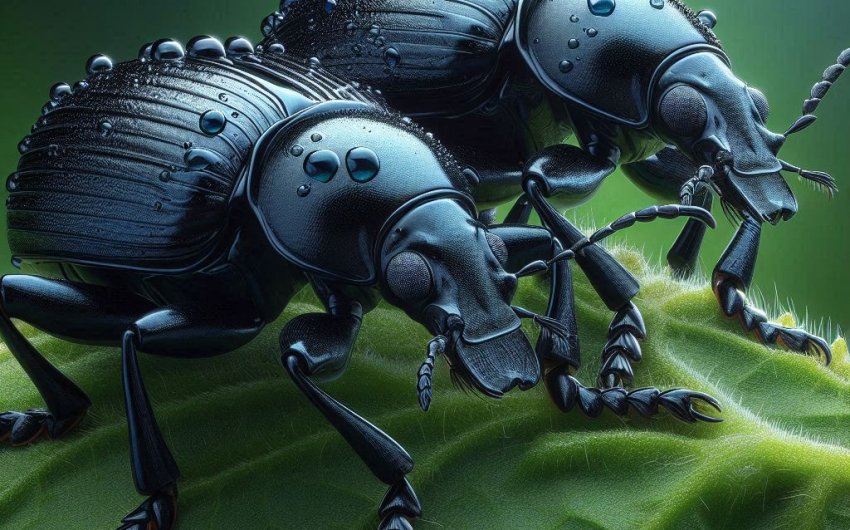
The blister beetle is an intriguing insect that catches the eye with its bright colors and elongated body, but don't let its beauty fool you. These beetles produce a toxic substance called cantharidin, which can cause skin irritation and blisters upon contact. Found in various parts of the world, blister beetles are not only a threat to humans but also to livestock, especially horses, which can suffer from severe health issues if they ingest hay contaminated with these beetles.
In this article, we will explore the biology, behavior, and risks associated with blister beetles, as well as discuss effective management strategies for keeping these dangerous pests at bay. Understanding how to identify and control blister beetles is essential for gardeners, farmers, and anyone working with hay or forage.
What Are Blister Beetles?
Blister beetles belong to the family Meloidae and are known for their slender, soft bodies and distinct head, which is narrower than the thorax. The colors and patterns of blister beetles can vary significantly, ranging from solid black or gray to vibrant yellow, red, or metallic blue. These colors serve as a warning to potential predators about the beetle's toxic nature.
The beetles are typically found in fields, gardens, and meadows, where they feed on flower nectar, leaves, and sometimes even other insects. Despite their attractive appearance, blister beetles pose risks to humans and animals due to their toxic chemical, cantharidin, which they release as a defense mechanism.
Cantharidin: The Toxic Compound
The chemical cantharidin is a potent blistering agent produced by blister beetles. When the beetle feels threatened, it releases cantharidin to ward off predators. Contact with cantharidin can cause skin irritation, blisters, and in some cases, severe reactions if ingested or absorbed in large quantities.
- Avoid handling blister beetles with bare hands to prevent exposure to cantharidin.
- Use gloves and protective clothing if working in areas where blister beetles are known to be present. Find protective gardening gloves for safer handling.
Lifecycle of Blister Beetles
The lifecycle of blister beetles involves a complete metamorphosis, with four distinct stages: egg, larva, pupa, and adult. Understanding these stages can help in identifying the best times for control and prevention.
Egg Stage: Female blister beetles lay their eggs in the soil, often near the nests of grasshoppers, since their larvae will feed on grasshopper eggs. Each female can lay hundreds of eggs, which hatch in a few weeks.
Larval Stage: The larvae go through several growth stages, called instars, during which they actively search for food. In the early stages, blister beetle larvae are known as triungulins and are highly mobile. They eventually locate grasshopper eggs or other food sources, where they settle down to feed.
Pupal Stage: After feeding and molting several times, the larvae enter the pupal stage, where they undergo metamorphosis. This stage takes place in the soil and can last from several weeks to months, depending on environmental conditions.
Adult Stage: Adult blister beetles emerge from the soil and begin feeding on plants and flowers. They are most commonly seen during the warmer months. Use insect monitoring tools to detect blister beetles during their active period.
Identifying Blister Beetles
Blister beetles are easy to recognize due to their unique appearance and behavior. Here are some key features to help identify these insects:
Physical Characteristics
- Shape and Size: Blister beetles have elongated bodies with a pronounced neck area, giving them a characteristic "bottle-shaped" appearance. They typically measure between 1 and 2.5 cm in length.
- Color: Their colors can vary widely, with some species displaying solid black, gray, or brown hues, while others have bright patterns in yellow, orange, red, or even metallic shades.
- Antennae: Blister beetles have long, segmented antennae that can be used to help distinguish them from other beetles.
Common Species
There are several species of blister beetles, each with slightly different characteristics. Here are some of the most common types:
- Black Blister Beetle (Epicauta pennsylvanica): As the name suggests, this species is uniformly black and often found feeding on alfalfa and soybeans.
- Striped Blister Beetle (Epicauta vittata): This beetle has distinctive yellow and black stripes running lengthwise down its body.
- Ashgray Blister Beetle (Epicauta fabricii): This species is light gray in color and often found on tomato and potato plants.
Recognizing these species can help you determine the appropriate control measures to implement in your garden or fields. Look for field guides to aid in identifying different blister beetle species.
Risks and Dangers of Blister Beetles
While blister beetles may appear harmless at first glance, they pose significant risks to humans, livestock, and crops. Here are some of the main dangers associated with blister beetles:
Skin Irritation and Blistering
The toxic compound cantharidin is the primary reason why blister beetles are dangerous. When handled, crushed, or disturbed, the beetles release cantharidin, which can cause painful skin irritation and blisters.
- Do not crush blister beetles with bare hands, as this can cause the toxin to come into direct contact with your skin.
- Rinse affected areas immediately with soap and water if you come into contact with cantharidin.
Threat to Livestock
Blister beetles pose a serious threat to livestock, especially horses. If blister beetles are present in hay that is fed to livestock, the cantharidin toxin can cause severe health issues, including colic, diarrhea, and even death.
- Inspect hay bales carefully for the presence of blister beetles before feeding them to animals.
- Choose hay suppliers who implement measures to minimize blister beetle contamination. Look for hay testing kits to check for toxins.
Damage to Crops and Gardens
Blister beetles can also damage a variety of crops, flowers, and vegetables. They feed on the leaves, flowers, and even the fruit of many plants, leading to reduced yields and poor plant health.
- Commonly affected plants include alfalfa, tomatoes, potatoes, soybeans, carrots, and eggplants.
- Inspect plants regularly during the growing season, particularly when blister beetles are most active in the summer.
Managing and Controlling Blister Beetles
Given the risks associated with blister beetles, it is essential to implement effective management strategies to minimize their impact. The following approaches can help control and prevent blister beetle infestations:
1. Cultural Practices
Implementing cultural practices can reduce the likelihood of blister beetle infestations by making your garden or field less attractive to these pests.
- Mow fields and pastures regularly: Keeping grass and weeds trimmed reduces the availability of food sources and nesting sites for blister beetles.
- Remove weeds and other host plants: Blister beetles may be attracted to certain weeds, such as pigweed or lamb's quarters. Removing these weeds can help lower the risk of infestations.
- Use crop rotation: Rotating crops such as alfalfa and soybeans can disrupt the lifecycle of blister beetles, as they may not find suitable food sources in rotated fields.
2. Biological Control
Biological control involves using natural predators or parasites to help manage blister beetle populations. While there are few natural enemies of adult blister beetles, some beneficial insects can target their larvae.
- Encourage natural predators: Birds, spiders, and other predatory insects may help reduce blister beetle numbers. Attract beneficial insects by planting nectar-rich flowers that provide a food source for these predators.
- Use parasitic wasps: Some species of parasitic wasps can target blister beetle larvae, though they are not commonly used for large-scale control.
3. Chemical Control
Chemical treatments can be effective in controlling blister beetle populations, especially in large agricultural settings. However, care must be taken to avoid harming non-target species.
- Apply insecticides carefully: Use insecticides with active ingredients like carbaryl, permethrin, or pyrethrin to control blister beetles. Choose insecticides that are suitable for the specific crops being treated.
- Timing is important: Apply chemical treatments during the early stages of blister beetle activity to target them before they cause significant damage.
- Avoid spraying during pollination: Many blister beetle species feed on flowering plants, so it is important to avoid spraying insecticides when plants are in bloom to protect beneficial pollinators like bees.
4. Organic and Natural Remedies
For those who prefer non-chemical methods, there are several organic and natural ways to manage blister beetles.
- Neem oil: Neem oil is a natural insecticide that disrupts the life cycle of many pests, including blister beetles. Use neem oil as a foliar spray to deter beetles from feeding on plants.
- Diatomaceous earth: This natural powder works by dehydrating insects upon contact. Apply diatomaceous earth around the base of plants to create a protective barrier.
- Hand-picking: In small gardens, manually removing blister beetles can help reduce their numbers. Wear gloves to avoid skin irritation and place the beetles in a container of soapy water to dispose of them safely.
5. Using Physical Barriers
Physical barriers can be used to protect vulnerable plants from blister beetles.
- Row covers: Placing row covers over garden plants can help keep beetles from landing on the foliage. Use row covers during peak beetle activity for the best results.
- Sticky traps: Setting up sticky traps around infested areas can catch adult beetles and reduce their populations. Choose sticky traps specifically designed for insect pests.
Preventing Blister Beetle Infestations
Preventive measures can help reduce the chances of blister beetle infestations in your garden or fields. Here are some strategies for keeping these pests at bay:
1. Inspect Hay and Forage
Since blister beetles can contaminate hay, it is crucial to inspect hay bales before feeding them to livestock.
- Check for dead beetles in the hay, as even dead beetles can release cantharidin.
- Purchase hay from reputable sources that take steps to minimize beetle contamination. Consider using hay testing kits to detect cantharidin.
2. Plant Diversely
Planting a variety of flowers and crops can help reduce the attractiveness of your garden or field to blister beetles.
- Include insect-repellent plants such as basil, mint, and lavender, which can help deter beetles.
- Interplant with less preferred crops, such as corn, which blister beetles may be less likely to target.
3. Monitor Regularly
Regular monitoring is essential for early detection and effective management of blister beetles.
- Inspect plants weekly, especially during the warm summer months when beetles are most active.
- Use pheromone traps to detect the presence of adult beetles in your garden. Set up pheromone traps to monitor beetle activity.
4. Maintain Healthy Plants
Healthy plants are more resilient to pest damage. Implementing proper gardening practices can help keep your plants strong and less susceptible to blister beetles.
- Water and fertilize plants appropriately, avoiding over-fertilization that can attract pests.
- Apply mulch around the base of plants to retain moisture and reduce weed growth. Choose organic mulch for an eco-friendly approach.
5. Rotate Crops
Rotating crops from year to year can help disrupt the lifecycle of blister beetles.
- Avoid planting the same crop in the same location for consecutive seasons, especially if blister beetles have been a problem in the past.
- Use cover crops like clover or rye to improve soil health and reduce pest pressure.
By taking proactive steps to monitor and manage blister beetles, you can protect your garden, livestock, and crops from the dangers posed by these beautiful but toxic insects.