
Meadow Spittlebugs: Understanding Their Frothy Presence
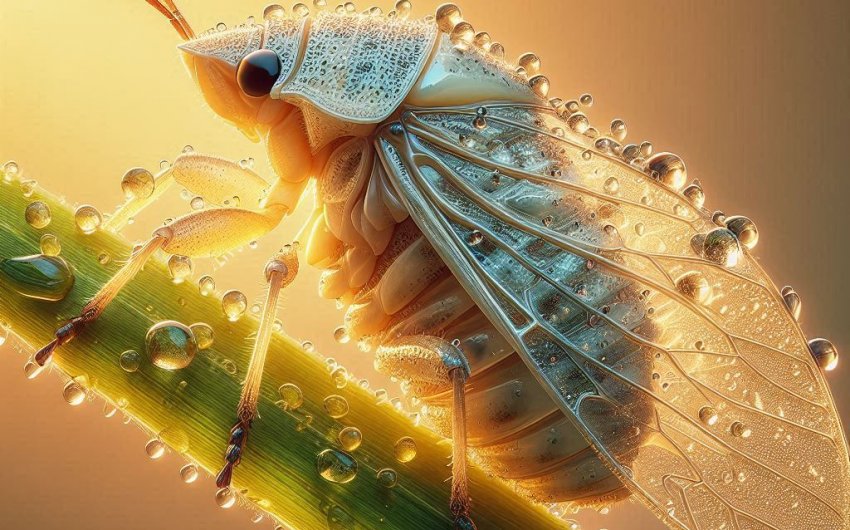
The meadow spittlebug (Philaenus spumarius), also known as the common froghopper, is a small, sap-sucking insect often found in gardens, meadows, and agricultural fields. This bug gets its name from the distinctive frothy masses or "spittle" that its nymphs produce, which can be seen clinging to the stems and leaves of plants. While the spittle may seem harmless, meadow spittlebugs can impact plant health by feeding on sap and causing stress to the host plant.
In this article, we'll delve into the lifecycle, behavior, and effects of meadow spittlebugs, as well as provide practical methods for controlling their populations and preventing damage to your plants. Understanding these frothy invaders is key to managing their presence in your garden or field.
What Are Meadow Spittlebugs?
The meadow spittlebug is a small insect belonging to the family Cercopidae, commonly referred to as froghoppers. Adult spittlebugs measure about 6-8 mm in length and are typically brownish or grayish in color, with mottled wings that allow them to blend in with their surroundings. Their name "froghopper" comes from their ability to leap great distances, similar to a frog.
Spittlebug nymphs produce a mass of frothy liquid, known as spittle, to protect themselves from predators and to maintain a humid environment while feeding on plant sap. This spittle can be found on a wide range of host plants, including grasses, herbs, ornamentals, and even some crops like alfalfa, clover, and strawberries.
Lifecycle of Meadow Spittlebugs
Understanding the lifecycle of the meadow spittlebug is crucial for managing their presence and mitigating their effects on plants. The spittlebug undergoes a simple metamorphosis with three main stages: egg, nymph, and adult.
Egg Stage: Spittlebugs lay their eggs in late summer or early fall, usually on plant stems or in the crevices of leaves. The eggs overwinter and hatch in spring when temperatures begin to rise.
AdvertisementNymph Stage: Upon hatching, the nymphs immediately begin feeding on plant sap. They excrete a frothy liquid while feeding, which envelops them in a protective spittle mass. The nymphs go through several molts before reaching adulthood, with the entire nymphal stage lasting 4-6 weeks.
Adult Stage: Adults emerge in late spring or early summer and are active until the end of the season. They continue to feed on plant sap but do not produce spittle. Adult spittlebugs are capable of flying and jumping, making them more mobile than nymphs.
Knowing the timing of each stage can help you implement targeted control measures at the most effective times. Use insect monitoring tools to keep track of spittlebug activity throughout the growing season.
Identifying Meadow Spittlebug Damage
While the meadow spittlebug is not typically considered a serious pest, large populations can still cause noticeable damage to plants. Spittlebug feeding involves piercing the plant's tissues and sucking out the sap, which can weaken the plant over time.
Signs of Spittlebug Activity
The most obvious indication of spittlebug presence is the frothy masses produced by the nymphs. These spittle masses can be found on the stems, leaves, and sometimes even flowers of host plants. The froth is often white or pale yellow and serves as a protective barrier for the nymphs.
- Inspect plants regularly for frothy deposits, especially during spring and early summer when nymphs are most active.
- Look for spittle on lower plant stems, as nymphs tend to gather near the base of the plant.
Damage to Plants
The impact of spittlebug feeding on plants is usually minor, but heavy infestations can cause more significant problems. The symptoms of spittlebug damage may include:
- Stunted growth: Excessive sap loss can reduce the vigor of young plants, leading to stunted growth.
- Distorted leaves: Feeding on new growth can cause leaves to curl or become distorted.
- Reduced yield: In crops such as alfalfa, strawberries, and clover, heavy spittlebug infestations can reduce overall yield and quality.
If your plants exhibit these symptoms, consider taking action to control the spittlebug population. Find appropriate pest management products to protect your plants from further damage.
Host Plants Vulnerable to Meadow Spittlebugs
The meadow spittlebug is a highly polyphagous pest, meaning it feeds on a wide range of host plants. While it can be found on many types of vegetation, some plants are more susceptible to spittlebug damage.
Grasses and Forage Crops
Grasses and forage crops such as alfalfa and clover are commonly affected by spittlebugs. These crops provide an ideal environment for the bugs to lay eggs and for nymphs to feed on the sap. Spittlebugs can reduce the growth and quality of forage, making it less nutritious for livestock.
- Monitor grass fields and pastures for spittle masses, especially during the nymphal stage.
- Treat infestations in forage crops promptly to prevent yield loss. Use suitable insect control solutions for grasses and forage.
Ornamental Plants
Ornamental plants, including flowers and shrubs, can also be impacted by spittlebugs. Although the damage is often cosmetic, heavy infestations can weaken young or stressed plants. Commonly affected ornamentals include lavender, chrysanthemums, and roses.
- Inspect ornamental plants regularly, especially during the spring growing season.
- Remove spittle masses by hand or with a water spray to reduce the bug population. Use garden sprayers for effective pest management.
Agricultural Crops
In some cases, spittlebugs can become a problem in agricultural crops such as strawberries and vegetables. Feeding on these crops can lead to reduced quality and lower market value.
- Check strawberry plants for signs of spittle, particularly around the base of the plant where nymphs often hide.
- Monitor vegetable crops for any spittle deposits or signs of feeding damage.
Managing and Controlling Meadow Spittlebugs
Managing meadow spittlebugs effectively requires an integrated approach that combines cultural practices, biological control, and chemical treatments. By understanding the bugs' lifecycle and habits, you can implement timely and targeted measures to keep their populations under control.
1. Cultural Practices
Cultural control involves altering the growing environment to make it less favorable for spittlebugs. Implementing these practices can help reduce the likelihood of infestations.
- Mow grass regularly: Keeping grass and forage crops trimmed can disrupt the lifecycle of spittlebugs by removing potential egg-laying sites. Use high-quality lawn mowers for proper lawn care.
- Water plants deeply and infrequently: Avoid overwatering, as spittlebugs prefer moist environments. Proper watering practices can make the habitat less conducive to spittlebug activity.
- Remove weeds and unwanted vegetation: Spittlebugs often lay eggs on weeds and other unwanted plants, which can act as a reservoir for infestations. Regularly clear weeds from your garden or field.
2. Biological Control
Biological control involves using natural predators or parasites to help manage pest populations. Encouraging the presence of beneficial insects can aid in reducing spittlebug numbers.
- Encourage beneficial insects: Predators such as ladybugs, lacewings, and hoverflies feed on spittlebug nymphs and adults. Planting nectar-rich flowers can help attract these beneficial insects to your garden.
- Use parasitic wasps: Certain species of parasitic wasps can target spittlebug nymphs and reduce their numbers. Introduce parasitic wasps as part of a biological control strategy.
3. Chemical Control
Chemical treatments may be necessary for severe spittlebug infestations, especially in agricultural settings. While chemical control can be effective, it should be used with caution to minimize harm to beneficial insects.
- Insecticidal soaps and horticultural oils: These products work by suffocating the nymphs and are less harmful to non-target organisms. Apply insecticidal soap directly to spittle masses for targeted control.
- Systemic insecticides: Systemic insecticides can be applied to the soil or foliage to control sap-sucking insects like spittlebugs. Choose systemic insecticides that are appropriate for your crops or garden plants.
- Timing of application: Apply insecticides during the nymphal stage, when spittlebugs are most vulnerable. Avoid spraying when adult beneficial insects are active.
4. Organic and Natural Remedies
For gardeners who prefer non-chemical methods, there are several organic solutions for managing spittlebugs.
- Neem oil: Neem oil is a natural insecticide that disrupts the life cycle of many insects, including spittlebugs. Use neem oil as a foliar spray to reduce spittlebug populations.
- Garlic and hot pepper sprays: Homemade sprays made from garlic, hot peppers, or other natural ingredients can deter spittlebugs from feeding. While not as effective as chemical treatments, these sprays can help control minor infestations.
- Hand-picking or washing off: For small gardens, manually removing spittle masses or spraying them off with water can reduce the population. Use garden hoses with adjustable nozzles for effective removal.
5. Mechanical Control
Mechanical control methods can help physically reduce spittlebug populations without the use of chemicals.
- Sticky traps: Placing sticky traps around affected plants can catch adult spittlebugs and reduce their numbers. Set up sticky traps near infested plants.
- Row covers: Using row covers on sensitive plants can prevent adult spittlebugs from laying eggs on the foliage. Install row covers to protect vulnerable crops from pest invasion.
Preventing Meadow Spittlebug Infestations
Implementing preventive measures can help reduce the likelihood of spittlebug infestations in your garden or field.
1. Inspect New Plants
Newly acquired plants can introduce spittlebugs into your garden if they are already infested. Inspect plants carefully before planting them in your yard or garden.
- Check for spittle masses on the stems and leaves of new plants before bringing them home.
- Quarantine new plants for a few weeks to ensure they are pest-free. Use quarantine supplies to keep new plants separate from the rest of your garden.
2. Regular Monitoring
Regular monitoring is essential for early detection and management of spittlebug populations.
- Inspect your plants weekly during the growing season, paying close attention to new growth.
- Use yellow sticky cards as a monitoring tool to detect adult spittlebugs in the area. Place sticky cards in strategic locations throughout your garden.
3. Maintain Plant Health
Healthy plants are better equipped to withstand the effects of sap-sucking pests like spittlebugs.
- Fertilize appropriately, as over-fertilization can make plants more attractive to spittlebugs. Use balanced fertilizers to promote healthy growth.
- Water properly to keep plants strong but avoid overwatering, which creates favorable conditions for spittlebugs.
4. Plant Diversely
Planting a diverse mix of plants and flowers can reduce the attractiveness of your garden to spittlebugs.
- Incorporate resistant plant varieties that are less appealing to sap-sucking insects.
- Attract beneficial insects by planting a variety of flowering plants that provide nectar and pollen.
5. Use Mulch Wisely
While mulch can be beneficial for plant health, it can also create a favorable environment for spittlebugs if applied too thickly.
- Apply mulch sparingly, keeping it away from plant stems to prevent providing egg-laying sites for spittlebugs.
- Use natural mulching materials, such as straw or wood chips, which may deter insects from nesting. Choose organic mulch for eco-friendly gardening.
Keeping a close watch on your plants, practicing good garden hygiene, and employing a combination of cultural, biological, and mechanical control methods can help you manage meadow spittlebugs effectively. By understanding their lifecycle and behavior, you can implement strategies that reduce their impact and maintain a healthy, vibrant garden.