
Bronze Orange Bug: The Citrus Tree Menace
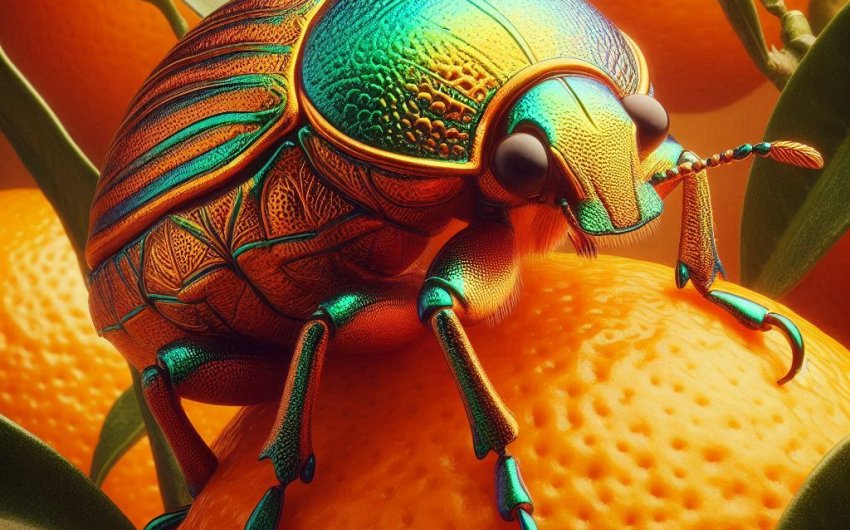
The bronze orange bug (Musgraveia sulciventris) is a notorious pest that poses a significant threat to citrus trees, including orange, lemon, lime, and grapefruit trees. Native to Australia, this large sap-sucking bug can cause extensive damage to citrus crops, reducing fruit quality and yield. For gardeners and citrus growers, understanding how to identify, manage, and prevent infestations of the bronze orange bug is crucial for maintaining healthy and productive trees.
In this article, we will explore the lifecycle and behavior of the bronze orange bug, the damage it can cause, and effective strategies for controlling and managing infestations.
What is the Bronze Orange Bug?
The bronze orange bug is a type of stink bug that is easily recognizable due to its size and distinct coloration. Adult bugs are typically 25-30 mm long and have a shield-shaped body. They start off green as juveniles, then turn bright orange as they mature, and eventually become a bronze-brown color as adults. These pests feed by inserting their mouthparts into young shoots, flower buds, and developing fruit, sucking out the sap and causing significant damage.
The bug's activity is most pronounced from late winter through early autumn, with populations peaking in the warmer months. The bronze orange bug can be found on all parts of the citrus tree, including the trunk, branches, leaves, buds, and fruit, and they often appear in clusters.
Lifecycle of the Bronze Orange Bug
The bronze orange bug goes through three main developmental stages: nymph, juvenile, and adult. Each stage has unique characteristics and behaviors that contribute to its impact on citrus trees.
Nymph Stage: Young nymphs are green in color and can be found feeding on new growth. They are smaller in size but still cause considerable damage by sucking sap from the young shoots.
AdvertisementJuvenile Stage: As nymphs mature, they transition to a bright orange color. This stage is when they are most active, feeding on various parts of the citrus tree, including flower buds and young fruit. The juveniles are more mobile and can quickly spread throughout the tree.
Adult Stage: Adult bronze orange bugs are bronze-brown in color and are usually seen from late summer onwards. While they continue to feed on the tree, their activity tends to decrease slightly as the weather cools.
Understanding the lifecycle of the bronze orange bug is crucial for developing effective pest management strategies. Use insect monitoring tools to detect bugs at different stages for timely intervention.
Identifying Bronze Orange Bug Damage
Bronze orange bugs cause a variety of symptoms on citrus trees due to their sap-sucking behavior. These symptoms can significantly impact the health of the tree and the quality of the fruit it produces.
Damage to Leaves and Shoots
The primary signs of bronze orange bug damage appear on the leaves and young shoots. When these pests feed, they inject a toxic substance into the plant, causing the leaves to wilt, yellow, or even drop prematurely. This damage reduces the tree's ability to photosynthesize effectively, weakening the overall plant.
- Look for wilted or yellow leaves, especially on young growth, as an early indication of bronze orange bug activity.
- Check the new shoots for any signs of damage, such as dieback or a sticky residue left behind by the bugs.
Damage to Flower Buds
The bronze orange bug also targets flower buds, which can lead to significant reductions in fruit production. By feeding on the buds, they prevent them from developing into fruit, which directly affects the yield.
- Inspect flower buds for any signs of feeding damage or drop-off, particularly during the tree's blooming period.
- Monitor for bud drop, which can occur as a result of the bugs' toxic saliva.
Damage to Fruit
Bronze orange bugs are not just limited to feeding on leaves and buds; they also attack young, developing fruit. Their feeding causes blemishes and scars on the fruit's surface, making it less appealing for commercial sale and sometimes even affecting the fruit's flavor.
- Check young fruit for signs of scarring, discoloration, or a lumpy appearance.
- Look for sap oozing from small puncture wounds on the fruit's skin, which can indicate feeding activity.
Host Plants Vulnerable to Bronze Orange Bugs
The bronze orange bug primarily targets citrus trees, but it can also feed on other related plants. Here are some of the most commonly affected hosts:
Orange Trees
Orange trees are a favorite target for bronze orange bugs, particularly during the flowering and fruiting stages. The bugs feed on new shoots, flower buds, and young oranges, causing significant reductions in fruit quality and yield. Consider using pest control solutions designed specifically for citrus to protect your orange trees.
Lemon Trees
Lemon trees are also highly susceptible to bronze orange bug infestations. The damage can be particularly severe because lemon trees tend to produce more tender new growth, which is an ideal feeding site for the bugs. Infestations can result in distorted fruit and reduced fruit set.
Lime Trees
Lime trees may also suffer from bronze orange bug damage, especially during the spring and summer months. The bugs can attack the blossoms and young limes, leading to blemished or deformed fruit. Look for pest control options that cater specifically to lime trees for better protection.
Grapefruit and Other Citrus Varieties
While grapefruit trees and other citrus varieties like mandarins and tangelos are less commonly targeted than oranges and lemons, they can still be affected by the bronze orange bug. Damage to these trees may manifest as yellowing leaves, poor fruit quality, and reduced yield.
Managing and Controlling Bronze Orange Bugs
Controlling the bronze orange bug requires an integrated pest management (IPM) approach that includes cultural practices, biological control, and chemical treatments. Addressing infestations early is key to preventing severe damage to citrus trees.
1. Cultural Practices
Cultural control involves modifying your gardening practices to reduce the likelihood of infestations. Proper maintenance of your citrus trees can help make them less attractive to bronze orange bugs.
- Prune regularly: Pruning helps remove damaged or infested parts of the tree, reducing the overall bug population. It also improves air circulation, which can discourage pest establishment. Use high-quality pruning shears for effective results.
- Monitor trees frequently: Regular inspections help catch infestations early before they spread. Check for signs of nymphs and adults, particularly during spring and summer.
- Remove dropped fruit and leaves: Keeping the area around your citrus trees clean can help reduce hiding places for pests and discourage further infestations.
2. Biological Control
Biological control involves using natural predators and parasites to reduce pest populations. This eco-friendly approach can be a sustainable way to manage bronze orange bugs.
- Encourage beneficial insects: Predators like ladybugs, lacewings, and assassin bugs can help control bronze orange bug populations by feeding on nymphs and juveniles. Attract these beneficial insects by planting companion plants such as dill and fennel.
- Introduce parasitic wasps: Certain species of parasitic wasps can target bronze orange bug eggs, preventing them from hatching. Explore options for beneficial insect releases in your garden.
3. Chemical Control
Chemical treatments can be effective in controlling bronze orange bug populations, especially in the case of severe infestations. However, it is important to use these treatments carefully to minimize harm to beneficial insects.
- Insecticidal sprays: Use insecticidal soaps or horticultural oils to control nymphs and juveniles. These products work by smothering the bugs and are generally less harmful to beneficial insects. Find insecticidal soap for safe and effective pest control.
- Systemic insecticides: Systemic treatments can be applied to the soil and absorbed by the tree, providing protection from sap-sucking pests like the bronze orange bug. Choose a suitable systemic insecticide for your citrus trees.
- Timing of application: Apply chemical treatments when nymphs are most active, usually in late winter or early spring. This helps reduce the population before the bugs reach adulthood.
4. Organic and Natural Remedies
For gardeners who prefer non-chemical methods, there are several natural ways to deter or manage bronze orange bugs.
- Neem oil: Neem oil is a natural insecticide that works by disrupting the hormonal balance of insects, preventing them from feeding and reproducing. Apply neem oil regularly to keep the bugs at bay.
- Garlic and chili sprays: Homemade sprays made from garlic, chili, or other strong-smelling substances can repel bugs. While not as effective as chemical treatments, these sprays can help reduce minor infestations.
- Hand-picking: In small gardens, manually removing bronze orange bugs can help control their numbers. Wear protective gloves to avoid the strong odor released by the bugs when disturbed.
5. Using Physical Barriers
Physical barriers can be used to protect young citrus trees from bronze orange bugs, especially during the growing season.
- Fine mesh nets: Covering citrus trees with fine mesh nets can prevent bugs from accessing the foliage and fruit. Use plant covers to protect trees from pest invasions.
- Sticky bands: Place sticky bands around the trunk of citrus trees to trap nymphs and adults as they climb. This can help reduce the number of bugs that reach the canopy.
Preventing Bronze Orange Bug Infestations
Prevention is always better than dealing with a full-blown infestation. Implementing proactive measures can help protect your citrus trees from bronze orange bugs.
1. Quarantine New Plants
When adding new citrus trees or other plants to your garden, inspect them carefully for signs of bronze orange bugs. Infested plants can easily introduce the pest to your garden, leading to a rapid spread.
- Quarantine new plants for a few weeks to observe any signs of pests before planting them in your garden.
- Check potted citrus trees for nymphs or eggs hidden in the soil or foliage. Use pest quarantine supplies to keep new plants separate.
2. Regular Monitoring
Early detection is essential for controlling bronze orange bugs before they cause serious damage.
- Inspect citrus trees weekly, especially during spring and summer when the bugs are most active.
- Use yellow sticky traps near the trees to monitor for flying adults. These traps can help you identify when infestations begin. Place sticky traps in strategic locations around your garden.
3. Plant Companion Plants
Certain plants can repel bronze orange bugs or attract beneficial insects that help control pest populations.
- Grow companion plants like basil, marigold, and lavender, which are known to repel bugs due to their strong scents.
- Attract predatory insects by planting nectar-rich flowers, which can help maintain a natural balance in your garden.
4. Use Fertilizers Wisely
Over-fertilizing can lead to excessive new growth, which attracts sap-sucking insects like bronze orange bugs.
- Apply balanced fertilizers to encourage healthy growth without making the trees overly lush. Use citrus-specific fertilizers that provide the right nutrients without over-stimulating new growth.
- Limit nitrogen-heavy fertilizers, as they can promote tender new shoots that are more appealing to pests.
5. Maintain Tree Health
Healthy citrus trees are better equipped to withstand pest infestations.
- Water your trees adequately, especially during dry periods, to keep them healthy and less susceptible to pests.
- Apply mulch around the base of the tree to retain moisture and reduce stress. Choose organic mulch that benefits the soil and supports tree health.
Maintaining the health of your citrus trees and taking proactive steps to monitor and manage pest populations are essential strategies for keeping bronze orange bugs at bay. By employing an integrated approach that includes cultural, biological, chemical, and organic control methods, you can protect your garden from these aggressive sap-sucking pests and enjoy a healthy, fruitful citrus harvest.