
How to Grow a Pollinator Garden with Bee-Friendly Plants?
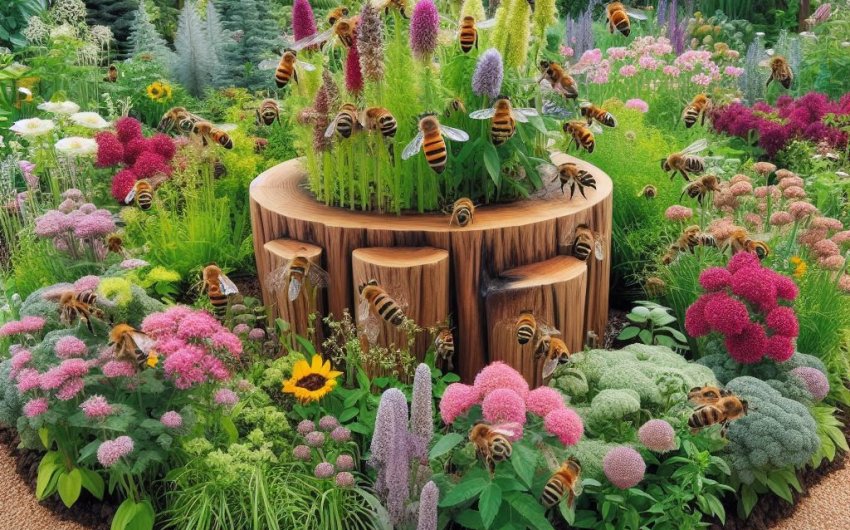
You can effectively grow a pollinator garden with bee-friendly plants by selecting a diverse range of flowering plants that provide continuous nectar and pollen throughout the growing season. Creating such a garden directly supports vital pollinator populations and enhances the beauty and productivity of your outdoor space.
Why is a Pollinator Garden So Important?
Pollinators, especially bees, are fundamental to healthy ecosystems and human food security. Their populations are declining globally, making backyard pollinator gardens a crucial part of conservation efforts.
What are the Benefits of Growing a Pollinator Garden?
- Supports Biodiversity: A pollinator garden provides essential habitat and food sources for a variety of bees (honeybees, bumblebees, native bees), butterflies, hummingbirds, and other beneficial insects.
- Ensures Food Production: Approximately one-third of the food we eat relies on animal pollination. Supporting pollinators directly translates to better yields in vegetable gardens, fruit trees, and many agricultural crops.
- Enhances Ecosystem Health: Pollinators play a vital role in the reproduction of wild plants, contributing to the health and resilience of natural landscapes.
- Reduces Reliance on Pesticides: A healthy pollinator garden, by attracting beneficial insects, can reduce the need for chemical pest control.
- Educational Opportunity: It's a fantastic way to teach children and adults about ecological connections and the importance of conservation.
- Adds Beauty and Life to Your Garden: Pollinator-friendly plants are often incredibly beautiful, bringing vibrant colors, diverse textures, and the joyful buzzing of bees to your backyard.
- Low Maintenance (Once Established): Many native pollinator plants are quite hardy and require less water and care once established compared to highly cultivated ornamental varieties.
- Contributes to a Network of Habitats: Even small gardens can form part of a larger network of pollinator-friendly spaces, providing vital stepping stones for foraging insects.
What Do Pollinators Need from a Garden?
To effectively grow a pollinator garden with bee-friendly plants, you need to understand the fundamental requirements that support these vital creatures throughout their life cycle. It's more than just pretty flowers.
Essential Elements for a Thriving Pollinator Habitat
- Food (Nectar and Pollen):
- Nectar: Provides carbohydrates for energy. Different pollinators have different tongue lengths, so offer a variety of flower shapes.
- Pollen: Provides protein, fats, vitamins, and minerals, especially crucial for larval development. Bees actively collect pollen.
- Continuous Bloom: Ensure there are flowering plants available from early spring through late fall. This provides a consistent food supply throughout the active season.
- Diversity: Plant a wide variety of flower shapes, sizes, and colors to attract a diverse range of pollinators.
- Native Plants: Often the best choice as they are co-evolved with local pollinators and provide the most suitable food and habitat.
- Water Source:
- Pollinators need water for hydration, especially during hot weather.
- Provide a shallow water source, like a bird bath with pebbles or marbles for landing spots, or a shallow dish with stones. A slow drip or seep can also be effective.
- Shelter/Nesting Sites:
- Bare Soil: Many native ground-nesting bees (around 70% of native bees) need patches of undisturbed, well-drained, bare soil to dig their nests.
- Hollow Stems/Wood Blocks: Cavity-nesting bees (like mason bees and leafcutter bees) use hollow plant stems (e.g., from sunflowers, elderberry, sumac) or holes in wood blocks. Leave some hollow stems standing over winter.
- Brush Piles/Log Piles: Provide shelter for overwintering insects and other wildlife.
- Leaf Litter: Important for overwintering butterflies and other insects. Avoid excessive raking.
- Bee Houses/Hotels: Can attract certain cavity-nesting bees. Ensure they are well-maintained and cleaned annually to prevent disease. You can find various bee houses for your garden.
- No Pesticides:
- This is non-negotiable. Pesticides, especially insecticides, are lethal to pollinators. Avoid using any synthetic pesticides, herbicides, or fungicides in your pollinator garden.
- If pest control is necessary, opt for organic, targeted solutions (e.g., hand-picking pests, introducing beneficial insects) and apply them when pollinators are not active (e.g., early morning or evening).
- Be aware that some "organic" pesticides can still harm bees. Always research thoroughly.
- Sunlight:
- Most flowering plants that attract pollinators thrive in full sun (at least 6 hours of direct sunlight per day).
- Drifting:
- Be mindful of spray drift from neighbors. Talk to your neighbors about pesticide use if possible.
What are the Best Bee-Friendly Plants for a Pollinator Garden?
Choosing the right bee-friendly plants is the cornerstone of creating an effective pollinator garden. Focus on a diverse selection that offers continuous blooms and ample resources.
Top Plant Choices for Attracting Bees
When selecting plants, prioritize native species (they're best adapted to your local climate and pollinators) and aim for a mix of bloom times. Look for single-petal flowers over double-petal ones, as the pollen and nectar are more accessible.
Early Spring Bloomers (Essential after winter dormancy):
- Crocus (Crocus spp.): One of the first food sources.
- Pussy Willow (Salix discolor): Important pollen source for early bees.
- Lungwort (Pulmonaria spp.): Attractive early perennial.
- Hyacinth (Hyacinthus orientalis): Fragrant and attracts early bees.
- Maple Trees (Acer spp.): Trees are vital early food sources.
Mid-Spring to Early Summer Bloomers:
- Lavender (Lavandula angustifolia): Classic bee magnet, highly aromatic.
- Coneflower (Echinacea purpurea): Attracts various bees and butterflies.
- Salvia (Salvia spp.): Many varieties, long blooming, tubular flowers perfect for bees.
- Catmint (Nepeta racemosa): Drought-tolerant, long-blooming, beloved by bees.
- Penstemon (Penstemon spp.): Beautiful tubular flowers.
- Poppy (Papaver spp.): Rich in pollen.
- Bleeding Heart (Dicentra spectabilis): Unique flowers, appreciated by bumblebees.
Mid-Summer Bloomers (Peak season):
- Sunflower (Helianthus annuus): Large, pollen-rich flowers.
- Bee Balm (Monarda didyma): Also known as Bergamot, highly attractive to bees and hummingbirds.
- Aster (Aster spp.): A diverse group, offering many shades and sizes.
- Goldenrod (Solidago spp.): Often mistaken for ragweed, but a crucial late-season food source.
- Liatris (Liatris spicata): Tall, showy spikes attract a variety of pollinators.
- Joe Pye Weed (Eutrochium purpureum): Large, stately plant for larger gardens, attracts many pollinators.
- Sedum (Hylotelephium spectabile, formerly Sedum spectabile): Succulent, late-season bloomer.
- Zinnia (Zinnia elegans): Easy to grow from seed, continuous blooms. Look for single-flower varieties. You can find zinnia seeds.
Late Summer to Fall Bloomers (Crucial for migrating pollinators and overwintering bees):
- Asters (various species): Provide vital late-season nectar.
- Goldenrod (various species): A powerhouse of late-season pollen and nectar.
- Anise Hyssop (Agastache foeniculum): Aromatic, long blooming, attracts many bee species.
- Sedum (Autumn Joy, etc.): Excellent late-season food.
- Cosmos (Cosmos bipinnatus): Easy annual, continuous bloom until frost.
Herbs (Many are excellent for bees when allowed to flower):
- Borage: Extremely popular with bees.
- Thyme: Tiny flowers are a bee favorite.
- Oregano: Small, abundant flowers.
- Rosemary: Early spring bloomer.
- Basil: When allowed to flower.
- Cilantro/Dill/Fennel: When allowed to bolt and flower.
When purchasing plants, always ask if they have been treated with systemic neonicotinoid pesticides, which are harmful to bees. Opt for nurseries that clearly state they offer neonic-free plants. You can also find a variety of pollinator-friendly plant seeds to grow your own.
How Do You Plan Your Pollinator Garden Layout?
Strategic layout is essential to maximize the appeal and effectiveness of your pollinator garden with bee-friendly plants. Good design makes it easier for pollinators to find food and makes your garden more beautiful.
Key Principles for Effective Layout
- Mass Planting (Big Blocks of Color):
- Instead of scattering individual plants, plant in large clumps or drifts of the same species.
- Why it helps bees: This creates a strong visual cue, signaling a reliable food source from a distance. Bees are more efficient when they can forage on many of the same flowers in one area, rather than having to search extensively.
- Continuous Bloom Sequence:
- Plan your garden so that there is always something in bloom from early spring (when bees first emerge) through late fall (when they prepare for winter).
- Create a bloom chart for your chosen plants, noting their flowering times, and fill in any gaps. This ensures a consistent food supply.
- Layering for Height and Structure:
- Place taller plants at the back of beds and shorter plants in the front.
- Include a variety of heights and growth habits (groundcovers, upright perennials, shrubs, small trees) to create a diverse habitat and visual interest.
- This also accommodates pollinators that forage at different heights.
- Consider Flower Shapes:
- Different pollinators prefer different flower shapes (e.g., long-tongued bees prefer tubular flowers, short-tongued bees prefer open flowers).
- Include a mix of flower shapes to cater to a wider range of bee species and other pollinators.
- Provide Shelter Within the Garden:
- Integrate elements like log piles, rock piles, or undisturbed bare soil within or near your garden beds.
- Leave some hollow plant stems standing over winter for cavity-nesting bees.
- These features provide vital nesting and overwintering sites.
- Water Source Integration:
- Place a shallow water source (like a bird bath with pebbles or a bee bath) near your planting areas.
- Paths and Access:
- Design paths that allow you to access all areas for weeding, watering, and enjoying the garden, without disturbing nesting sites or plants too much.
- Sunlight Mapping:
- Ensure each plant is placed in an area that receives its ideal amount of sunlight (most pollinator plants prefer full sun).
- Observe your garden throughout the day and year to understand sun patterns.
- Grouping by Needs:
- Group plants with similar water and soil needs together to simplify watering and maintenance.
How Do You Prepare Your Garden Beds for Pollinator Plants?
Proper bed preparation is crucial for establishing healthy, vibrant bee-friendly plants that will attract and sustain pollinators. Good soil health is the foundation of any successful garden.
Step-by-Step Bed Preparation
- Choose Your Location:
- Select a site that receives at least 6 hours of direct sunlight per day, as most pollinator plants thrive in full sun.
- Consider proximity to a water source for easy watering.
- Clear the Area:
- Remove any existing weeds, grass, or debris. For tough weeds, consider sheet mulching, solarization, or hand-weeding. Avoid using herbicides.
- Test Your Soil:
- A soil test kit will give you vital information on your soil's pH and nutrient levels. Most pollinator-friendly plants prefer a neutral to slightly acidic pH (6.0-7.0).
- This test will guide your soil amendments.
- Improve Soil Structure and Fertility (Key Step!):
- Add Organic Matter: This is the most important amendment. Incorporate 2-4 inches of high-quality organic material like compost, aged manure, or well-rotted leaf mold into the top 6-12 inches of soil.
- Organic matter improves drainage in heavy clay soils and water retention in sandy soils.
- It also slowly releases nutrients and feeds beneficial soil microbes.
- Adjust pH (If Needed): Based on your soil test:
- To raise pH (make it more alkaline): Add garden lime.
- To lower pH (make it more acidic): Add elemental sulfur or peat moss.
- Follow product instructions carefully.
- Avoid Over-Fertilizing: Many native pollinator plants are adapted to leaner soils. Excessive fertilization, especially with high-nitrogen fertilizers, can promote lush leafy growth at the expense of flowers, and can also make plants more susceptible to pests. A good dose of compost is usually sufficient.
- Add Organic Matter: This is the most important amendment. Incorporate 2-4 inches of high-quality organic material like compost, aged manure, or well-rotted leaf mold into the top 6-12 inches of soil.
- Ensure Good Drainage:
- Most pollinator plants, especially natives, do not like "wet feet." If your soil is heavy clay, consider building a raised garden bed or incorporating significant amounts of sand and gravel in addition to organic matter.
- Loosen the Soil:
- Gently loosen the prepared soil with a broadfork or garden fork to a depth of at least 12 inches. This improves aeration and allows roots to establish easily. Avoid over-tilling, which can disrupt soil structure.
How Do You Plant and Care for Your Pollinator Garden?
With your garden beds prepared, planting and ongoing care are the next steps to ensure your bee-friendly plants thrive and continuously support local pollinators.
Planting Your Bee-Friendly Plants
- Planting Time:
- The best time to plant perennials, shrubs, and trees is typically in spring or fall, when temperatures are moderate.
- Annuals can be planted after the danger of frost has passed in spring.
- Spacing:
- Follow the spacing recommendations on plant tags. Give plants enough room to reach their mature size, ensuring good air circulation and preventing overcrowding. Remember to plant in clumps for better pollinator attraction.
- Planting Technique:
- From Pots: Dig a hole twice as wide as the root ball and just as deep. Gently remove the plant from its pot. Loosen any circling roots at the bottom. Place the plant in the hole so the top of the root ball is level with the surrounding soil. Backfill with soil, gently firming around the base.
- From Seeds: Follow seed packet instructions for depth and spacing. Many pollinator plant seeds benefit from cold stratification (a period of cold) before planting. You can find pollinator garden seed mixes for easy planting.
- Initial Watering:
- Water thoroughly immediately after planting to settle the soil around the roots.
Ongoing Care for a Thriving Pollinator Garden
- Watering:
- Establishment Period: Water regularly during the first growing season until plants are well-established. This might mean daily or every other day during hot, dry spells.
- Mature Plants: Once established, many native pollinator plants are quite drought-tolerant and will only need supplemental watering during extended dry periods. Water deeply and infrequently to encourage deep root growth.
- Weeding:
- Keep the garden bed free of weeds, especially when plants are young. Weeds compete for water, nutrients, and sunlight.
- Weed by hand or use a hoe; avoid chemical herbicides.
- Mulching:
- Apply a 2-3 inch layer of organic mulch (shredded leaves, wood chips, straw) around your plants, keeping it a few inches away from plant stems.
- Mulch suppresses weeds, conserves soil moisture, and moderates soil temperature. It also breaks down to improve soil fertility. You can find various garden mulches online.
- Pest Management (Pesticide-Free!):
- Avoid all synthetic pesticides. This is the most crucial rule for a pollinator garden.
- Tolerance: Learn to tolerate a small amount of insect damage. A healthy ecosystem includes both pests and predators.
- Organic Solutions: For severe infestations, try hand-picking pests, a strong spray of water from a hose, or introducing beneficial insects (like ladybugs or lacewings).
- Healthy Plants: Strong, healthy plants are naturally more resistant to pests and diseases.
- Deadheading (Optional):
- Removing spent flowers (deadheading) can encourage some plants to produce more blooms. However, consider leaving some spent flowers and seed heads, as they provide food for birds and nesting material/shelter for insects in fall and winter.
- Winter Prep for Perennials:
- In fall, resist the urge to "clean up" too much. Leave hollow plant stems standing until late spring for cavity-nesting bees to overwinter in.
- Leave leaf litter around the base of plants; it provides insulation and shelter for overwintering insects.
- Apply a fresh layer of mulch for winter protection in colder climates.
How Can You Provide Water and Shelter for Pollinators?
A truly comprehensive pollinator garden with bee-friendly plants goes beyond just nectar and pollen. Providing essential water and diverse shelter options completes the habitat, supporting pollinators throughout their entire life cycle.
Water Sources for Thirsty Pollinators
Pollinators need access to fresh water, especially during hot, dry periods.
- Shallow Bird Baths:
- Add pebbles, marbles, or small rocks to a shallow bird bath. This provides landing spots for bees and butterflies, preventing them from drowning.
- Clean and refill regularly to prevent mosquito breeding. You can find suitable bird baths.
- Bee Baths:
- Similar to a bird bath, but specifically designed to be very shallow with numerous landing spots. A shallow dish with stones or coarse sand works well.
- Damp Patches:
- Maintain a small area of consistently damp soil or sand, especially during hot weather. Butterflies often "puddle" in these areas to extract minerals.
- Slow Drips or Seeps:
- A leaky hose or a small, self-contained water feature with a slow drip can provide a continuous source of accessible water.
Essential Shelter and Nesting Sites for Bees
Different types of bees have different nesting preferences. Providing a variety of options will attract a wider range of species.
- Bare Soil Patches (For Ground-Nesting Bees):
- Approximately 70% of native bee species are ground-nesting.
- Designate a few small, sunny, undisturbed patches of well-drained, unmulched, bare soil in your garden. Avoid compacting these areas.
- Hollow Stems (For Cavity-Nesting Bees):
- Many solitary bees (like mason bees and leafcutter bees) nest in hollow or pithy stems.
- In late fall, instead of cutting down all your perennial stalks, leave some standing over winter (e.g., from sunflowers, coneflowers, bee balm, elderberry, sumac). Cut them back in late spring to a height of 6-12 inches.
- Wood Blocks (For Cavity-Nesting Bees):
- Drill holes of various diameters (from 1/8 inch to 1/2 inch) into untreated blocks of wood.
- Mount these blocks in a sunny, sheltered location.
- Replace or clean annually to prevent disease buildup. You can find bee blocks.
- Brush Piles/Log Piles:
- A simple pile of branches, twigs, or old logs in a secluded part of your garden provides shelter, nesting sites, and overwintering spots for various insects and wildlife.
- Leaf Litter:
- Avoid excessive raking and removal of leaf litter, especially in garden beds. Many butterflies and other insects overwinter in fallen leaves.
- Bee Hotels/Houses:
- While popular, choose well-designed ones that can be opened and cleaned annually to prevent the spread of diseases and parasites. Avoid ones with plastic tubes or non-removable parts. Look for bamboo or cardboard tubes that can be replaced or wood blocks with removable inserts.
By thoughtfully integrating water sources and diverse shelter options, your pollinator garden with bee-friendly plants becomes a holistic habitat, supporting the entire life cycle of these invaluable creatures, from foraging to nesting and overwintering.