
Garden Villa Dreams: Designing Your Personal Eden
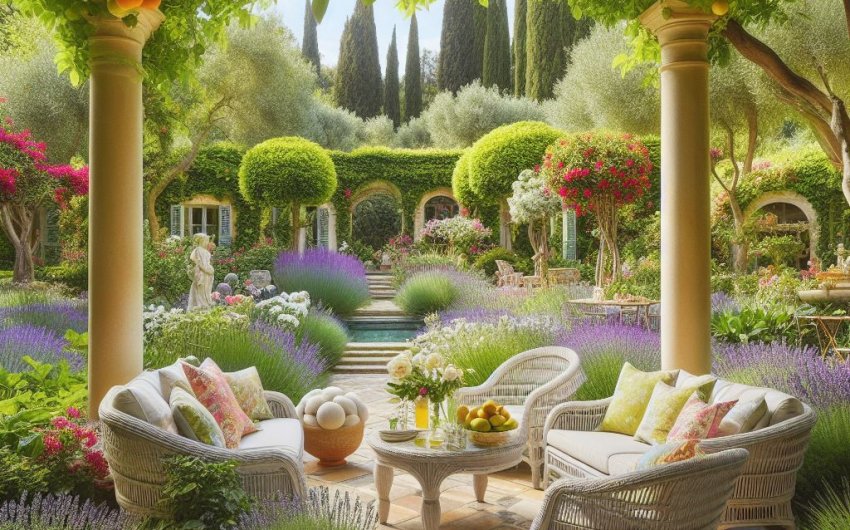
Stepping into a garden villa evokes a sense of escape, a feeling of being transported to a personal paradise where beauty and tranquility intertwine. It’s more than just a backyard; it’s a thoughtfully designed extension of your living space, crafted to soothe the senses and provide a sanctuary from the outside world. The dream of a personal Eden often conjures images of lush greenery, vibrant blooms, the soft murmur of water, and inviting pathways that lead to hidden nooks. This aspiration isn't reserved for grand estates; with strategic planning and creative vision, you can transform even a modest outdoor area into a captivating retreat that reflects your unique desires and style.
Designing your own garden villa means blending aesthetics with functionality, considering everything from the flow of movement to the interplay of light and shadow throughout the day. It's about creating distinct "rooms" or zones, each with its own purpose and charm, connected by harmonious elements. Whether you envision a vibrant culinary garden, a serene meditation spot, or an enchanting space for entertaining, the journey to design your personal Eden begins with understanding your needs and the potential of your plot. Let's delve into the art and science of crafting an outdoor haven that is both beautiful and deeply personal, a true escape just steps from your door.
What is a Garden Villa and Why Create One?
What Defines a Garden Villa?
A garden villa isn't necessarily about grand scale; it's about intentional design and a cohesive outdoor living experience. It's an outdoor space that feels like a natural extension of your home, designed with purpose and aesthetics in mind.
- Outdoor Rooms: Unlike a simple yard, a garden villa often features distinct "rooms" or zones, each with a specific function (dining, lounging, meditating, growing food). These areas are separated and defined, much like rooms in a house.
- Architectural Elements: It incorporates structures and hardscaping, such as pergolas, arbors, pathways, patios, and walls, to provide structure and define spaces. A wooden pergola kit can create an instant focal point.
- Lush Plantings: While structures are important, the living element—plants—is central. Lush, diverse plantings create atmosphere, provide privacy, and add beauty and fragrance.
- Sensory Experience: A true garden villa engages all the senses: the visual appeal of flowers, the sound of water or wind chimes, the fragrance of herbs and blooms, the feel of varied textures, and even the taste of homegrown produce.
- Cohesive Design: All elements work together harmoniously, often following a specific design style (e.g., Mediterranean, Zen, English Cottage).
Why Should I Design My Personal Eden?
Creating your own garden villa offers profound personal benefits.
- Enhanced Living Space: It effectively expands your usable living area, providing extra "rooms" for relaxation, entertainment, and personal hobbies.
- Stress Relief and Well-being: Spending time in nature, especially in a beautiful and peaceful setting you've created, is a powerful stress reducer. The tranquility of a personal Eden can significantly improve mental and emotional well-being.
- Connection to Nature: In an increasingly digital world, a garden villa offers a tangible connection to the natural environment, fostering appreciation for plants, wildlife, and the changing seasons.
- Hobby and Creative Outlet: The design and maintenance of a garden provide a fulfilling hobby and a wonderful outlet for creativity and self-expression.
- Increased Home Value: A well-designed, attractive outdoor living space significantly boosts your property's curb appeal and market value.
- Entertainment Hub: An inviting outdoor area is perfect for entertaining guests, from casual barbecues to elegant garden parties. Consider adding an outdoor dining set.
- Sustainable Living: Incorporating edible plants, composting, and water-wise practices can make your garden villa a more sustainable part of your home.
What Are the Key Elements of Garden Villa Design?
Building your personal Eden involves a thoughtful integration of various components.
How Do I Plan the Layout and Zones?
A well-designed garden villa starts with a smart layout, defining areas for different uses.
- Assess Your Space: Start by mapping out your existing garden. Note areas of sun and shade, existing trees or structures, slopes, and utility lines. Understand your microclimates.
- Define Your Needs and Desires: What do you want to do in your garden?
- Relaxation/Meditation? You might need a quiet, secluded spot.
- Dining/Entertaining? Consider a patio or deck with ample seating.
- Gardening (vegetables, flowers)? Plan for dedicated planting beds.
- Play area for kids/pets?
- Water feature?
- Create "Rooms" or Zones: Divide your garden into functional zones. Use pathways, changes in elevation, different paving materials, or hedges to delineate these areas.
- Entry Zone: The path from your gate to your door. Make it welcoming.
- Social Zone: Patios, decks, or gathering spaces for entertaining.
- Relaxation Zone: A quiet corner with comfortable seating, perhaps a hammock with stand or a cozy bench.
- Activity Zone: Space for a lawn, play equipment, or a fire pit.
- Working Zone: Composting area, potting bench, shed.
- Consider Flow: Plan how people will move between these zones. Create clear, inviting pathways. Think about sight lines from your house and within the garden.
What Hardscaping Elements Should I Include?
Hardscaping provides the backbone and structure of your garden villa.
- Patios and Decks: These form the foundation of your outdoor living spaces. Choose materials that complement your home's architecture and your desired style (e.g., paver stones, wood decking, natural flagstone).
- Pathways: Guide visitors through your garden and connect different zones. Materials can vary from gravel and stepping stones to paved walkways. A well-placed garden stepping stone set adds charm.
- Retaining Walls: Essential for sloped gardens to create level terraces for planting or seating areas. They can also add architectural interest.
- Fencing and Walls: Define boundaries, provide privacy, and act as a backdrop for plantings. Consider privacy fence panels or a low stone wall.
- Pergolas and Arbors: Add vertical interest, define seating areas, and provide support for climbing plants. A metal garden arbor can be a beautiful entrance to a new zone.
How Do I Choose and Arrange Plants for My Eden?
Plants are the heart and soul of your garden villa, bringing life, color, and texture.
- Layering: Think in layers:
- Tallest: Trees and large shrubs for structure, shade, and privacy (e.g., Japanese Maple tree).
- Mid-height: Medium shrubs, taller perennials, and ornamental grasses.
- Lower: Groundcovers, annuals, smaller perennials, and edging plants.
- Color Palette: Choose a harmonious color scheme. You can go for vibrant and contrasting colors, or a serene palette of whites, greens, and blues.
- Texture and Form: Mix different leaf shapes, textures (feathery, broad, spiky), and plant forms (upright, mounding, weeping) for visual interest.
- Seasonal Interest: Select plants that offer beauty throughout the year: spring blooms, summer flowers, autumn foliage, and winter structure or berries.
- Fragrance: Incorporate fragrant plants near seating areas or pathways (e.g., gardenia bushes, jasmine, lavender, roses).
- Pollinator-Friendly: Choose plants that attract bees, butterflies, and hummingbirds to bring life and movement to your garden.
- Low Maintenance: For a truly relaxing Eden, choose plants that thrive in your climate and soil conditions, reducing the need for constant care. Consider native plants.
What Features Will Enhance the Sensory Experience?
Engaging all five senses creates a truly immersive and personal Eden.
- Sound:
- Water Features: A bubbling fountain, a small waterfall, or a simple garden bird bath with fountain can add soothing sounds.
- Wind Chimes: Choose chimes with a gentle, melodic tone.
- Rustling Leaves: Plant trees or tall grasses whose leaves rustle pleasantly in the breeze.
- Smell:
- Fragrant Plants: Lilacs, roses, jasmine, lavender, sweet alyssum, gardenias, and fragrant herbs like mint and rosemary.
- Scented Pathways: Thyme or chamomile planted between stepping stones release fragrance when walked upon.
- Touch:
- Varied Textures: Use soft grasses, smooth stones, rough bark, and velvety leaves.
- Comfortable Seating: Choose furniture with soft cushions or natural materials like wood.
- Sight:
- Color and Form: As mentioned above, careful plant selection.
- Lighting: Outdoor lighting extends the enjoyment of your garden into the evening. Use solar pathway lights for pathways, string lights for entertaining areas, and spotlights to highlight trees or features.
- Art and Sculpture: Add focal points with carefully chosen garden art, statues, or unique containers.
- Taste:
- Edible Plants: Incorporate herbs, vegetables, fruit trees, and berry bushes. A raised garden bed kit is perfect for culinary herbs and vegetables.
What Design Styles Can I Explore for My Garden Villa?
The beauty of designing your personal Eden is that you can adapt various styles to fit your vision.
What is a Mediterranean Garden Villa?
Inspired by the coastal regions of the Mediterranean, this style emphasizes warmth, texture, and resilience.
- Key Features:
- Terracotta and Stone: Use terracotta pots, stone pathways, and gravel patios.
- Warm Color Palette: Earth tones, blues, whites, and vibrant Mediterranean flower colors.
- Fragrant Herbs: Lavender, rosemary, thyme, oregano.
- Drought-Tolerant Plants: Olive trees (or dwarf olive varieties), lavender, cypresses, succulents, bougainvillea.
- Water Features: Small fountains or bubbling urns.
- Architectural Elements: Arches, stucco walls, pergolas covered with grapevines or climbing roses.
- Feeling: Relaxed, sun-drenched, aromatic, inviting.
What is a Zen Garden Villa?
A Zen garden (or Japanese garden-inspired) focuses on tranquility, contemplation, and natural elements.
- Key Features:
- Simplicity and Minimalism: Less is more. Focus on clean lines and open spaces.
- Natural Materials: Rocks, sand/gravel, moss, water, carefully chosen plants.
- Asymmetry: Designs are intentionally asymmetrical to reflect nature's imperfect beauty.
- Symbolism: Rocks can represent mountains, raked gravel represents water, moss represents islands.
- Water Features: Still ponds, small bamboo water spouts (bamboo fountain kit).
- Carefully Chosen Plants: Japanese maples, pines, bamboo, ferns, moss, azaleas. Pruning is key to shaping plants.
- Feeling: Peaceful, meditative, harmonious, minimalist.
What is an English Cottage Garden Villa?
Charming, informal, and overflowing with romantic blooms, the English cottage garden is all about abundance and natural beauty.
- Key Features:
- Packed Plantings: Dense plantings with a mix of perennials, annuals, herbs, and climbing roses.
- Soft Edges: Pathways are often winding, and beds spill over their borders.
- Vertical Elements: Arbors covered in climbing roses or clematis, tall hollyhocks, delphiniums.
- Traditional Flowers: Roses, lavender, foxgloves, delphiniums, phlox, daisies, poppies, and of course, cosmos.
- Charming Hardscaping: Gravel paths, picket fences, weathered wood benches. A rustic garden bench fits perfectly.
- Self-Seeding: Many plants are allowed to self-seed, contributing to the natural, informal look.
- Feeling: Romantic, nostalgic, abundant, whimsical, comforting.
What is a Modern/Contemporary Garden Villa?
Characterized by clean lines, geometric shapes, and a focus on structure and curated plant choices.
- Key Features:
- Strong Geometric Shapes: Rectangular raised beds, linear pathways, square patios.
- Limited Plant Palette: Fewer plant varieties, but used in repetition for strong visual impact. Often features architectural plants.
- Hardscaping Dominance: More emphasis on concrete, metal, wood, and stone.
- Clean and Uncluttered: Minimal ornamentation.
- Water Features: Reflecting pools, sleek water walls.
- Lighting: Integrated lighting that highlights architectural features and creates dramatic effects. Consider LED garden spotlights.
- Feeling: Sleek, sophisticated, minimalist, structured, calm.
What is a Tropical Garden Villa?
Emphasizes lush foliage, vibrant colors, and a sense of exotic escape.
- Key Features:
- Bold Foliage: Large-leaved plants dominate, such as elephant ears, hostas, ferns, and banana plants.
- Vibrant Blooms: Hibiscus, canna lilies, bougainvillea, orchids.
- High Humidity Plants: Often requires misting or a humidifier in drier climates.
- Water Features: Ponds with water lilies, small waterfalls, or misters.
- Bamboo and Palms: Provide vertical elements and a distinctive tropical feel.
- Colorful Accessories: Bright cushions, vibrant pottery.
- Feeling: Lush, exotic, vibrant, immersive, resort-like.
How Do I Bring My Garden Villa Dream to Life?
Turning your vision into reality is a multi-step process, often done in phases.
Step 1: Start with a Plan
- Detailed Sketch: After brainstorming, create a more detailed sketch of your garden villa design. Include measurements, existing features, proposed structures, and approximate planting areas.
- Phased Approach: It's rare to build an entire garden villa at once. Break the project into manageable phases. Start with hardscaping (patios, paths), then major plantings, and finally smaller details and accessories.
- Budgeting: Get quotes for materials and any professional help you might need (e.g., electrician for lighting, heavy digging equipment). A garden planning journal can help keep track of your ideas and budget.
Step 2: Prepare the Site
- Clear the Area: Remove any unwanted plants, debris, or old structures.
- Grading and Drainage: Address any drainage issues. Ensure proper grading away from your house. This might involve bringing in soil or excavating.
- Install Utilities: Lay irrigation lines and electrical wiring for lighting, pumps, or outdoor outlets before major construction. An automatic drip irrigation system can save a lot of time.
Step 3: Construct Hardscaping
- Build the Foundation: Install patios, decks, pathways, and retaining walls. These are the most permanent elements and should be done first.
- Pergolas/Arbors: Erect any overhead structures.
Step 4: Improve Soil and Plant
- Soil Amendment: Improve your soil health by incorporating plenty of organic matter like compost. Healthy soil is the foundation for healthy plants.
- Planting: Start with larger trees and shrubs, then move to perennials and finally annuals. Follow proper planting techniques for each plant.
- Install Water Features: Set up your pond or fountain.
Step 5: Add Finishing Touches
- Lighting: Install your chosen garden lighting.
- Furniture and Accessories: Place your outdoor furniture, cushions, pots, and garden art. Choose comfortable outdoor lounge chairs to fully enjoy your space.
- Mulch: Apply a layer of organic mulch to retain moisture, suppress weeds, and give a finished look.
Step 6: Maintain and Evolve
- Regular Care: Your garden villa will need ongoing care: watering, weeding, pruning, and occasional fertilizing.
- Embrace Change: Gardens are living things; they evolve. Be open to making adjustments, adding new plants, or trying different arrangements as your garden grows and your preferences change. Your personal Eden is a continuous journey of discovery and enjoyment.
Designing your personal Eden is a creative and deeply rewarding process. It's about crafting an outdoor space that not only enhances your property but also nourishes your soul, providing a serene retreat where you can relax, entertain, and connect with the beauty of nature right outside your door.