
How to Grow Microgreens at Home in Small Spaces?
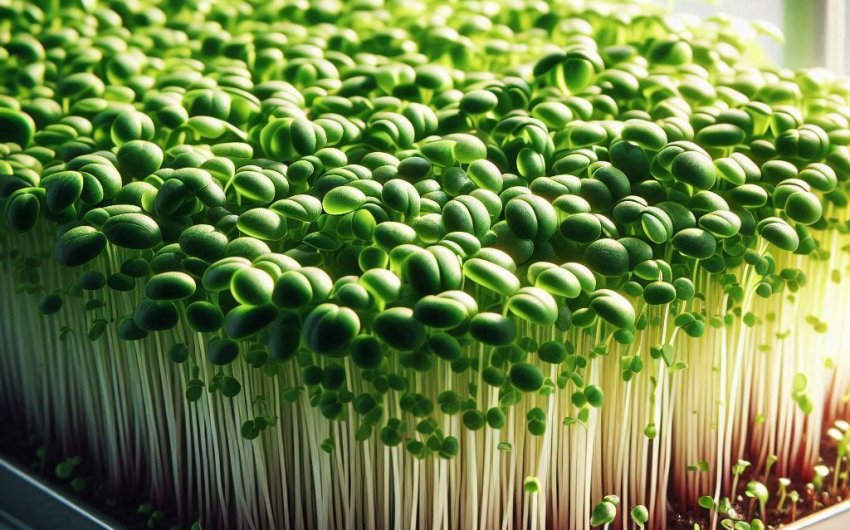
Growing microgreens at home is a fantastic way to add fresh, nutrient-rich greens to your diet without needing much space. Microgreens are young plants harvested early, just after the first true leaves appear, and they’re packed with flavor and nutrients. These miniature greens are easy to grow, making them perfect for apartments, balconies, or even small countertops.
In this guide, we’ll go over everything you need to know to start growing microgreens in small spaces, from choosing the right seeds to creating the best growing environment. With just a few supplies and some sunlight, you can enjoy fresh microgreens year-round.
1. Why Grow Microgreens?
Microgreens offer a burst of nutrients and a variety of flavors that can enhance many dishes, from salads to sandwiches. They’re more nutrient-dense than mature greens, making them a perfect choice for those looking to add more vitamins and minerals to their meals.
One of the best parts about growing microgreens is that they don’t require a garden or a lot of space. You can grow them indoors on a sunny windowsill, in a corner of your kitchen, or even on a small shelf. Plus, they grow quickly – most microgreens are ready to harvest in just 1-2 weeks.
2. Choosing the Right Microgreen Seeds
To grow microgreens, you’ll need seeds specifically labeled for microgreens. Although many vegetables can be grown as microgreens, some of the most popular choices include radish, sunflower, broccoli, and arugula. These varieties are easy to grow and provide a range of flavors, from spicy to mild.
Recommended Microgreen Varieties
- Radish Seeds: Radish microgreens grow quickly and have a peppery taste that adds a kick to dishes.
- Sunflower Seeds: These are known for their nutty flavor and crunchy texture.
- Broccoli Seeds: Packed with nutrients, broccoli microgreens have a mild, slightly sweet taste.
- Arugula Seeds: Known for its distinctive, peppery flavor, arugula is perfect for salads and garnishes.
Starting with a seed variety you enjoy eating will make the growing process more rewarding. For beginners, it’s helpful to experiment with a few different types of seeds to see which ones grow best in your space and suit your taste.
3. Setting Up Your Microgreen Growing Station
One of the best things about growing microgreens is that they don’t require complex equipment. With a few simple supplies, you can create a mini indoor garden that’s easy to manage and doesn’t take up much space.
Essential Supplies
Here’s what you’ll need to get started:
- Shallow Growing Trays: Microgreens have shallow roots, so you only need a tray that’s about 1-2 inches deep.
- Potting Soil: Use a light, organic potting mix that allows for good drainage. Avoid heavy garden soil, as it can compact and limit root growth.
- Spray Bottle: A spray bottle helps keep the soil moist without over-watering.
- Grow Lights (optional): If you don’t have enough natural light, a grow light can supplement sunlight and ensure your microgreens grow strong.
By choosing shallow containers, you’ll use less soil and have an easier time managing your growing area. Many people find that shallow trays are also easier to handle, especially if space is limited.
4. Planting the Seeds
Once you have your supplies, it’s time to plant the seeds. Planting microgreens is simple, but the key is to spread the seeds evenly to give each seedling space to grow.
Planting Steps
- Prepare the Tray: Fill your tray with about an inch of potting soil. Spread the soil evenly, pressing it gently to create a flat surface.
- Spread the Seeds: Sprinkle the seeds evenly across the soil surface. You want to cover the soil, but avoid piling seeds on top of each other. Aim for an even distribution to allow each seedling enough space to grow.
- Press Down Lightly: Use your hand to press the seeds gently into the soil. This helps ensure good contact between the seeds and the soil, encouraging even germination.
- Moisten the Soil: Use a spray bottle to mist the soil, making sure it’s thoroughly moist but not soaking wet.
After planting, cover the tray with a light plastic cover or another tray to keep humidity in, which helps with germination. Once you see the seeds sprouting (usually in a few days), you can remove the cover.
5. Lighting Requirements
Microgreens need plenty of light to grow well. If you have a bright, sunny window, that might be enough to grow healthy microgreens. But if natural light is limited, a grow light will help provide the necessary illumination.
Natural Light vs. Grow Lights
- Natural Light: Place the tray on a windowsill that gets at least 4-6 hours of direct sunlight per day. South-facing windows usually provide the best light.
- Grow Lights: If sunlight is sparse, place the tray under a grow light for 12-16 hours each day. Position the grow light about 6-12 inches above the plants.
Grow lights are a great investment if you’re planning to grow microgreens regularly or if your indoor space lacks good sunlight. You can find affordable LED Grow Lights that use minimal electricity and provide the full light spectrum that plants need.
6. Watering and Care
Microgreens need consistent moisture to thrive, but overwatering can lead to mold and mildew. A good rule of thumb is to keep the soil moist but not soggy.
Watering Tips
- Use a Spray Bottle: Mist the soil with a spray bottle once or twice daily, depending on how quickly it dries out. Avoid pouring water directly onto the soil, as this can displace the seeds and lead to uneven growth.
- Check Daily: Check the soil every day to ensure it’s not drying out, especially if your microgreens are near a heat source or in a very sunny spot.
- Bottom Watering (optional): Some people prefer to bottom-water their microgreens by placing the tray in a shallow dish of water. The soil absorbs the water from below, reducing the chance of mold on the surface.
If you notice any signs of mold or mildew, try moving the tray to a spot with better airflow, or reduce the watering frequency.
7. Harvesting Your Microgreens
Most microgreens are ready to harvest when they’re about 1-3 inches tall, usually 7-14 days after planting. Harvesting is quick and easy and doesn’t require any special tools.
How to Harvest
- Use Scissors: Gently hold the microgreens by their leaves and cut them just above the soil line with a pair of Kitchen Scissors. Be careful not to pull on the plants, as this can disturb the soil and remaining roots.
- Harvest All at Once or As Needed: You can either harvest the entire tray at once or cut a few microgreens as you need them. Freshly cut microgreens will keep in the fridge for about a week.
Harvesting just above the soil allows some varieties to regrow, providing you with multiple harvests from one planting.
8. Storing and Using Microgreens
Freshly harvested microgreens are best enjoyed right away, but they can also be stored for up to a week in the fridge. Place them in a plastic container or Reusable Produce Bag and add a paper towel to absorb excess moisture, keeping them crisp.
Ways to Use Microgreens
Microgreens are versatile and can be used in a variety of dishes. Here are some popular ways to enjoy them:
- Salads: Add microgreens to salads for a fresh, crunchy texture and extra nutrients.
- Sandwiches and Wraps: Use microgreens in place of lettuce to give sandwiches a flavor boost.
- Smoothies: Add a handful of microgreens to smoothies for a nutritional boost without overpowering flavors.
- Garnishes: Use microgreens as a colorful garnish on soups, pizzas, and main dishes.
Microgreens are delicious and add a touch of elegance to any meal, making them a fantastic addition to any home cook’s ingredients.
9. Common Problems and Solutions
While growing microgreens is generally straightforward, there are some common issues you may encounter. Here are a few tips to help you keep your microgreens healthy.
Mold and Mildew
If you see mold on the soil surface, it’s usually a sign of excess moisture or poor airflow. Here’s how to manage it:
- Improve Air Circulation: Move your tray to an area with better airflow or place a small Desk Fan near your microgreens.
- Reduce Watering: Be careful not to overwater. Only mist the soil when it starts to feel dry.
Uneven Growth
If some areas of your tray are growing better than others, it could be due to uneven seed distribution or inconsistent light.
- Spread Seeds Evenly: Take extra care to distribute seeds evenly during planting.
- Rotate the Tray: If using natural sunlight, rotate the tray every few days to ensure all parts get equal light.
By addressing these small issues, you can enjoy a continuous supply of healthy, vibrant microgreens in your home.
Growing microgreens at home is a fun and rewarding way to bring fresh, nutritious greens into your diet. With a few simple steps and minimal space, you’ll have a steady harvest of flavorful microgreens to enjoy in your favorite meals.