
Grow More: How to Propagate Succulents Easily
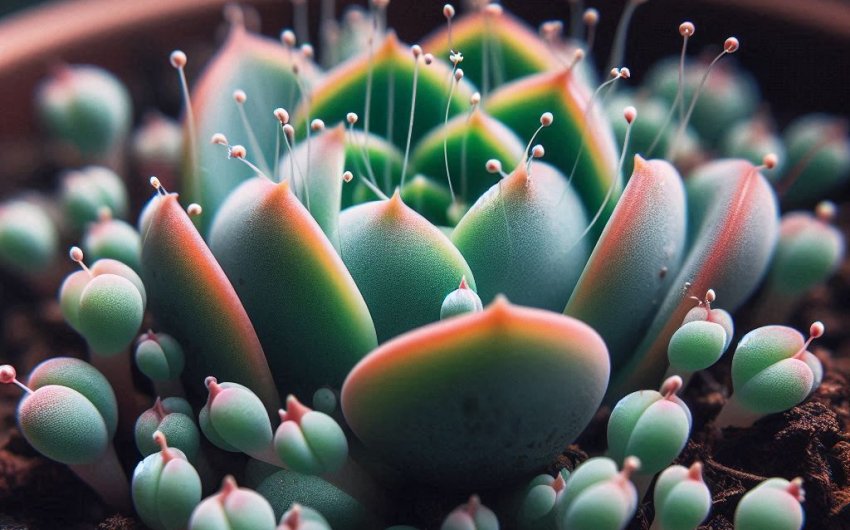
Want to expand your succulent collection without spending a fortune? Learning how to propagate succulents is a fun and rewarding way to create new plants from your existing ones. Whether you're aiming to fill your home with more greenery or share them with friends, multiplying these resilient plants is surprisingly simple and highly satisfying.
Why Should I Propagate Succulents?
Propagating succulents offers numerous benefits beyond just getting more plants for free. It's an essential skill for any succulent enthusiast, allowing you to salvage leggy plants, multiply rare varieties, and even create unique arrangements.
Saving Leggy Plants
Succulents can sometimes stretch out, or become "leggy," when they don't get enough sunlight, losing their compact, desirable shape. Propagating allows you to essentially "restart" the plant by taking cuttings from the top and rerooting them, creating a bushier, healthier new plant. This process also allows the base of the original plant to sprout new growth, rejuvenating it.
Expanding Your Collection
Once you learn how to propagate succulents, you'll have an endless supply of new plants. This means you can easily fill more pots, create stunning succulent arrangements, or simply have a wider variety of these beautiful plants around your home. It's a cost-effective way to grow your collection.
Sharing with Friends and Family
Succulents make fantastic gifts! Propagating your own allows you to share the joy of these low-maintenance plants with others. Imagine giving a friend a beautiful succulent grown directly from your own thriving plant – it's a personal and thoughtful present. Small succulent gift boxes can make presentation easy.
Experiencing the Plant Cycle
There's a unique satisfaction in watching a tiny leaf transform into a fully grown plant. Propagating succulents connects you more deeply with the plant's life cycle, providing a rewarding hands-on gardening experience that enhances your appreciation for nature's resilience.
What Are the Best Ways to Propagate Succulents?
Succulents are incredibly versatile when it comes to propagation. There are several popular methods, each with its own advantages, allowing you to choose the approach that best suits your plant and your preferences.
Leaf Cuttings
Propagating from leaf cuttings is perhaps the most common and magical method. It's perfect for most rosette-forming succulents like Echeveria, Sedum, and Graptopetalum. This method involves carefully removing a healthy leaf and allowing it to root and sprout new plantlets. It’s a bit of a waiting game, but the results are incredibly rewarding.
Stem Cuttings
Stem cuttings are ideal for succulents that grow on a stem, such as Crassula (Jade plants), Kalanchoe, and many types of Sedum. This method is generally faster than leaf propagation and is excellent for rejuvenating leggy plants. You simply cut a section of the stem, allow it to callous, and then plant it.
Offsets or Pups
Many succulents naturally produce small "babies" or "pups" around the base of the mother plant. These are called offsets. Propagating from offsets is the easiest and fastest method, as the new plant already has a root system or is ready to develop one quickly. Aloes, Haworthias, and many types of Agave are known for producing offsets.
Seeds
While possible, propagating succulents from seeds is the slowest and most challenging method, generally reserved for experienced growers or those looking to cultivate unique hybrids. It requires specific conditions and a lot of patience. For beginners learning how to propagate succulents, leaf and stem cuttings or offsets are highly recommended.
How Do I Propagate Succulents from Leaves?
Propagating succulents from leaves is a delightful process, turning a single leaf into an entirely new plant. It requires patience, but the steps are simple to follow.
Step 1: Choosing and Removing Healthy Leaves
The success of your leaf propagation starts with selecting the right leaves. Choose healthy, plump leaves from your mature succulent. Gently twist the leaf off the stem, ensuring the entire leaf, including the base, comes off cleanly. If the base breaks or is left behind, the leaf is unlikely to sprout roots or a new plant. Leaves from the lower, older parts of the plant often work best. Using precision succulent tweezers can help with delicate removal.
Step 2: Allowing Leaves to Callous
This is a crucial step to prevent rot. After removing the leaves, lay them in a dry, shaded spot with good air circulation. A simple tray or a piece of cardboard works well. Allow them to sit for 2-5 days, or even up to a week, until the cut end forms a dry, hardened scab, known as a callus. This callus acts as a protective barrier against moisture and disease when the leaf is introduced to soil.
Step 3: Placing Leaves on Soil
Once your leaves have calloused, it's time to introduce them to their growing medium. Fill a shallow tray or pot with a well-draining succulent or cactus mix. Do not bury the leaves. Instead, simply lay them flat on top of the soil. You can gently press the calloused end into the soil a tiny bit, but ensure most of the leaf is exposed. You can fit many leaves in one tray. Consider a succulent propagation tray for this step.
Step 4: Providing Light and Water
Place your tray of leaves in a location that receives bright, indirect light. Direct sunlight can scorch the delicate new growth. Begin misting the soil around the leaves every few days, or when the soil looks dry. The goal is to keep the soil lightly moist, not soggy. Overwatering can lead to rot. You'll soon notice tiny pink roots emerging from the calloused end, followed by miniature leaves forming a "pup." A fine mist spray bottle is perfect for watering.
Step 5: Transplanting New Succulents
Once the new plantlet has grown to about an inch or two tall and the original leaf has shriveled and dried up (don't remove it until it detaches naturally), it's time to transplant. Carefully separate the new plantlet from the old leaf. Plant the new succulent in its own small pot filled with succulent potting mix, burying the roots and the base of the new plant. Water sparingly after transplanting, allowing the soil to dry out completely between waterings, just like a mature succulent. Small terra cotta pots for succulents are ideal.
How Do I Propagate Succulents from Stems?
Propagating succulents from stem cuttings is a quicker way to get a new, larger plant. It's perfect for plants that have become leggy or those you want to prune and multiply.
Step 1: Taking a Stem Cutting
Choose a healthy stem section from your succulent. Using a clean, sharp knife or pair of succulent pruning shears, make a clean cut. Aim for a cutting that's at least 2-4 inches long, ensuring it has several leaves on it. For leggy plants, you can cut the top rosette off, leaving a few inches of stem. Remove the bottom few leaves from the cutting to expose about an inch or two of bare stem.
Step 2: Allowing the Cutting to Callous
Just like with leaf cuttings, this step is vital to prevent rot. Place your stem cutting in a dry, well-ventilated area away from direct sunlight. Allow the cut end to callous over for about 3-7 days, or until the wound is completely dry and firm. This protective layer is crucial before planting.
Step 3: Planting the Stem Cutting
Once calloused, plant the stem cutting directly into a pot filled with well-draining succulent or cactus potting mix. Bury the bare stem part of the cutting in the soil. You can use a rooting hormone powder on the calloused end to encourage faster root development, though it's not strictly necessary. Ensure the pot has drainage holes.
Step 4: Watering and Caring for Your Cutting
Do not water immediately after planting. Wait a few days to a week to give the cutting more time to settle. After that, water sparingly, only when the soil is completely dry. Overwatering is the most common cause of failure in stem cutting propagation. Place the pot in a location with bright, indirect light. You can gently tug on the cutting after a few weeks to check for root development; if it offers resistance, it has rooted.
How Do I Propagate Succulents from Offsets?
Propagating from offsets, also known as "pups" or "chicks," is by far the easiest and fastest method of succulent propagation because the new plant often comes with its own tiny root system already established.
Step 1: Identifying and Separating Offsets
Look for small, miniature succulents growing at the base of your mature succulent or on specialized runners. These are the offsets. They will often have their own small roots forming. Gently twist or cut the offset away from the mother plant. If using a knife, ensure it is clean and sharp to make a clean cut. For plants like Hens and Chicks (Sempervivum), the pups are often connected by a stolon (a horizontal stem) and can be easily snipped off. A miniature gardening tool set can be useful for precision.
Step 2: Allowing Offsets to Callous (If Necessary)
If the offset came off with a clean break and no roots, or if you had to cut it, it's a good idea to let it callous for a day or two, just like with stem cuttings. However, if the offset already has roots and came off with minimal damage, you can often plant it immediately. This step is less critical for offsets than for stem or leaf cuttings.
Step 3: Planting the Offset
Plant the separated offset directly into a small pot filled with well-draining succulent or cactus potting mix. Bury the base of the offset, ensuring any existing roots are covered by soil. If the offset doesn't have roots yet, simply bury the base and treat it like a small stem cutting. Small plastic nursery pots are good for starting.
Step 4: Watering and Care
If the offset had roots, you can give it a light watering immediately after planting. If it had no roots or if you're unsure, wait a few days before the first watering. After that, water sparingly, only when the soil is completely dry, just like you would a mature succulent. Place the newly potted offset in bright, indirect light. Offsets typically root and establish themselves very quickly.
What Are the Essential Tools and Materials for Succulent Propagation?
While you can start with very basic items, having the right tools and materials can significantly increase your success rate when learning how to propagate succulents.
Sharp, Clean Cutting Tools
Whether you're taking leaf or stem cuttings, a sharp, clean pair of scissors, pruning shears, or a knife is essential. Clean cuts heal faster and are less prone to infection. Always sterilize your tools with rubbing alcohol before and after each use to prevent the spread of diseases. A succulent toolkit often includes these items.
Well-Draining Potting Mix
This is arguably the most crucial component for succulent success, especially during propagation. Standard potting soil holds too much moisture, leading to rot. Look for a specialized succulent and cactus potting mix that contains perlite, pumice, or coarse sand to ensure excellent drainage. Alternatively, you can mix your own using regular potting soil with an equal part of a gritty amendment. A large bag of succulent soil is a good investment.
Shallow Trays or Small Pots
For leaf propagation, shallow trays (like nursery flats) are ideal because they allow you to lay many leaves without burying them. For stem cuttings or offsets, small pots (2-4 inches in diameter) are perfect for starting individual plants. Ensure all containers have drainage holes to prevent waterlogging. Consider a set of small propagation pots.
Spray Bottle for Misting
A fine mist spray bottle is indispensable for watering newly rooted leaf propagations and newly planted cuttings. It provides just enough moisture without saturating the soil, which is vital for preventing rot. It also helps to keep humidity around the emerging roots and plantlets. A plant mister is a useful tool.
Optional: Rooting Hormone Powder
While not strictly necessary, using a rooting hormone powder can accelerate root development, especially for stem cuttings. You simply dip the calloused end of the cutting into the powder before planting. This can give your propagations a head start. A container of organic rooting hormone can last a long time.
Good Light Source
Bright, indirect light is crucial for successful propagation. A south-facing window with a sheer curtain, or an east or west-facing window, usually works well. If natural light is insufficient, consider using a grow light. A LED grow light for succulents can ensure consistent light.
What Are Common Mistakes to Avoid When Propagating Succulents?
Even with the right methods, mistakes can happen. Knowing what to avoid will significantly improve your success rate when learning how to propagate succulents.
Overwatering
This is the number one killer of succulents, whether mature or newly propagated. Succulents store water in their leaves and stems, and too much moisture, especially when roots are not fully developed, leads to rot. Always err on the side of underwatering rather than overwatering. The soil should be completely dry before you water again.
Insufficient Callousing
Skipping or rushing the callousing step is a common mistake. Planting a wet or freshly cut leaf or stem directly into soil is an open invitation for bacteria and fungi to cause rot. Always ensure the cut end is completely dry and scabbed over before planting. Patience here saves many propagations.
Burying the Leaves Too Deeply
When propagating from leaves, do not bury the entire leaf in the soil. Only the very tip of the calloused end needs to be in contact with the soil, or simply lay the leaf flat on top. Burying it too deep can smother the emerging roots and plantlets.
Not Enough Light (or Too Much Direct Light)
While newly forming succulent plantlets need bright light to grow strong, they are also very delicate. Too little light can lead to etiolation (stretching out and becoming leggy) and weak growth, while too much direct, harsh sunlight can scorch the tender new leaves. Bright, indirect light is the sweet spot.
Disturbing Propagations Too Often
It's tempting to check on your propagations daily, but constantly moving or checking for roots can disrupt the delicate process. Roots are fragile, and disturbance can set back development. Once placed, try to leave your propagations undisturbed as much as possible, only checking when necessary for watering.
Using Incorrect Soil
Standard potting soil holds too much moisture for succulents and their propagations. It's crucial to use a well-draining succulent or cactus mix. Poor drainage will almost certainly lead to rot, even if you water sparingly.
Propagating Unhealthy Plants
While propagation can save a leggy plant, trying to propagate from a sick or heavily stressed succulent is unlikely to succeed. Always choose healthy, vibrant leaves or stems from a thriving parent plant for the best chances of success.
How Long Does Succulent Propagation Take?
The timeline for how to propagate succulents varies significantly depending on the method, the specific succulent species, and environmental conditions. Patience is definitely a virtue in this endeavor.
Leaf Propagation Timeline
- Callousing: 2-7 days
- Rooting and Pup Formation: 2 weeks to 2 months (some can take longer)
- Original Leaf Shrivels and New Plantlet Grows: 2-6 months
- Ready for Transplanting: When the new plantlet is 1-2 inches tall and the original leaf is completely shriveled, often 3-6 months from the start.
Stem Cutting Timeline
- Callousing: 3-7 days
- Rooting: 2 weeks to 1 month (some varieties root very quickly)
- New Growth Appears: Often shortly after roots form, within 1-2 months.
- Ready for Transplanting/Watering Regularly: Once roots are established and new growth is evident, usually 1-2 months.
Offset Propagation Timeline
- Separation: Immediate
- Rooting: Can be immediate if roots are present, or 1-3 weeks if no roots were present.
- New Growth: Often begins quickly as the plant is already established.
- Ready for Transplanting: Immediately or once new roots are visible if the offset didn't have them. This is the fastest method.
Environmental factors like temperature, humidity, and light can all affect these timelines. Warmer temperatures and consistent light usually speed up the process, while cold or very low light conditions can slow it down considerably. Don't get discouraged if your plants take a bit longer than expected; simply continue to provide consistent care. A heat mat for plant propagation can accelerate rooting, especially in cooler climates.
What Are Some Fun Ways to Use Your Propagated Succulents?
Once you've mastered how to propagate succulents and have a growing collection of baby plants, the fun really begins! There are countless creative ways to display and share your new succulent treasures.
Create Mini Gardens or Arrangements
Use your newly propagated succulents to design stunning miniature succulent gardens in decorative pots. Combine different shapes, colors, and textures for visual interest. A wide, shallow succulent bowl or a terrarium kit for succulents can be perfect for this. You can also mix them with small decorative stones, sand, or figurines to create a tiny landscape.
Share as Gifts or Party Favors
Potted succulent propagations make charming and eco-friendly gifts for any occasion. They're perfect as party favors for weddings, baby showers, or birthday parties. Personalize them with small tags or ribbons for an extra touch. Small succulent wedding favors are very popular.
Fill a Succulent Wall Planter
If you have many propagations, consider a succulent wall planter or a vertical garden. This is a fantastic way to display a large collection in a compact space, adding a living art piece to your home. Ensure the wall planter is designed for succulents with proper drainage. A vertical succulent planter can transform a wall.
Decorate Small Spaces
Tiny propagated succulents are perfect for adding greenery to unconventional spots. Place them on windowsills, bookshelves, bathroom ledges, or even office desks where space is limited. Use small, cute pots to match your decor. A miniature succulent pot set offers variety.
Create Succulent Wreaths
For a truly unique project, make a succulent wreath. This involves attaching rooted cuttings to a moss-filled wreath form. Over time, the succulents will grow and fill out, creating a stunning, living wreath that can adorn your door or wall. A succulent wreath frame can be a great base.
Experiment with Different Containers
Succulents are forgiving when it comes to quirky containers. Once your propagations are established, plant them in teacups, old cans, interesting glassware (with drainage added or very careful watering), or anything else that sparks your creativity. Just ensure proper drainage is addressed.
By mastering how to propagate succulents, you unlock a world of possibilities for expanding your green haven and sharing the beauty of these resilient plants with everyone around you.