
Spud-tacular Harvests: How to Grow Potatoes in Containers
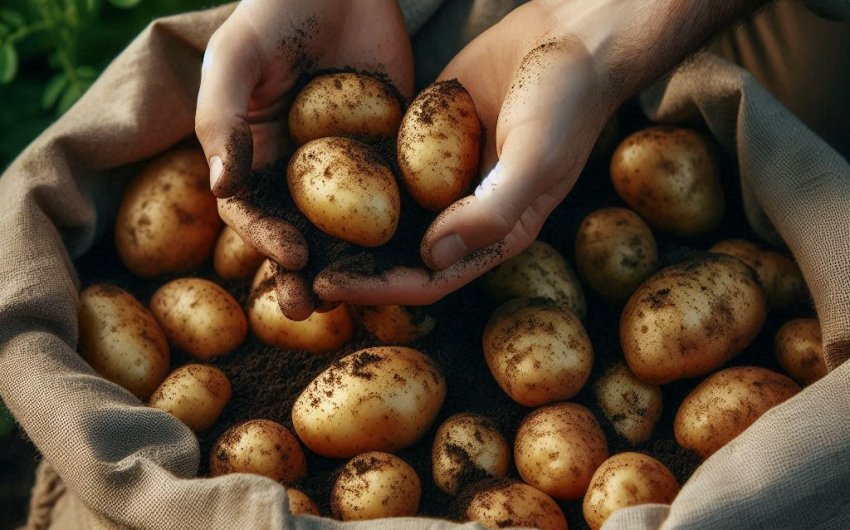
Dreaming of fresh, homegrown potatoes but lack garden space? Learning how to grow potatoes in containers is a game-changer for urban gardeners, patio enthusiasts, or anyone wanting a convenient, bountiful harvest of this versatile staple. This guide will walk you through everything you need to cultivate delicious potatoes right on your patio, deck, or balcony, ensuring a rewarding and surprisingly easy growing experience.
Why Grow Potatoes in Containers?
Growing potatoes in pots and specialized containers offers a unique set of benefits that address common challenges of traditional in-ground potato cultivation. Understanding these advantages will highlight why learning how to grow potatoes in containers is such a smart choice.
Space Efficiency
One of the biggest draws of container potato growing is its suitability for small spaces. Even if you have just a small patio, balcony, or limited yard, you can grow a significant amount of potatoes. This makes fresh, homegrown produce accessible to urban dwellers or those with constrained gardening areas. A stackable potato planter can maximize vertical space.
Ease of Harvesting
Harvesting potatoes from the ground can be a messy, back-breaking chore involving extensive digging. With containers, harvesting is incredibly simple: just tip the container over and sift through the soil for your bounty! This significantly reduces effort and ensures you don't miss any precious spuds. This ease of harvest is a prime benefit of how to grow potatoes in containers.
Pest and Disease Control
Container growing provides a natural barrier against common soil-borne pests and diseases that can plague in-ground potato crops, such as potato scab or certain nematodes. It's also easier to monitor for airborne pests like potato beetles and apply targeted organic controls if needed.
Soil Control
You have complete control over the soil quality. If your native garden soil is heavy clay, sandy, rocky, or nutrient-poor, container growing allows you to fill your chosen vessel with an ideal, well-draining, nutrient-rich potting mix. This provides optimal conditions for healthy potato development. A premium organic potting mix for vegetables is essential.
Drainage
Raised containers naturally offer superior drainage compared to in-ground beds. This is crucial for potatoes, which can rot in waterlogged soil. Excess water drains freely, creating ideal conditions for tuber formation.
Protection from Weather
Containers can be moved if extreme weather threatens. If an unexpected late frost occurs, you can push them against a wall or cover them. In overly hot spells, you can move them to a slightly shadier location to prevent heat stress, which can impact tuber development.
No Digging or Hilling (Simplified Hilling)
Traditional potato growing requires "hilling" (mounding soil around the growing plant stems) multiple times. While container growing still requires adding soil as the plant grows, it's a much cleaner and simpler process of just adding more soil or compost to the container, rather than digging up surrounding garden soil.
Aesthetic Appeal
Attractive containers filled with lush potato foliage can add a unique and productive element to your patio or deck decor.
These compelling benefits make learning how to grow potatoes in containers an appealing and highly successful gardening venture for many.
What Kind of Containers Are Best for Potatoes?
Choosing the right container is paramount for a successful potato harvest. The key is to provide ample space for tuber development and ensure excellent drainage. When learning how to grow potatoes in containers, the container itself plays a significant role.
Key Container Requirements
- Size (Depth and Width): Potatoes need considerable space.
- Minimum Depth: At least 15-18 inches (38-45 cm) of depth is recommended to allow for hilling and good tuber formation. Deeper is often better.
- Minimum Width/Diameter: A minimum of 15 inches (38 cm) in diameter is generally needed for a productive plant or two. The wider the container, the more potatoes you can potentially harvest. For example, a 15-gallon container is a good starting point for 2-3 seed potatoes.
- Drainage Holes: Non-negotiable! Potatoes are very susceptible to rot in waterlogged soil. Your chosen container must have adequate drainage holes at the bottom. If it doesn't, drill several large holes (at least 1/2 inch or 1.25 cm).
- Material: Different materials have pros and cons.
Recommended Container Types
Fabric Grow Bags:
- Pros: Excellent drainage and aeration (prevents root circling, known as "air pruning"), lightweight, easy to store, often made from recycled materials, and their flexibility makes harvesting incredibly easy (just tip them over!). They also prevent overheating in hot climates better than dark plastic.
- Cons: Can dry out quickly in hot, sunny weather (requiring more frequent watering). May degrade over time with UV exposure.
- Recommended Size: 10-20 gallon for optimal yields. A 15-gallon fabric potato grow bag is a popular and effective choice.
Large Plastic Pots or Barrels:
- Pros: Readily available, affordable, retain moisture well (less frequent watering), come in various sizes. Old plastic barrels (food-grade only, cut in half) can be repurposed.
- Cons: Can overheat soil in direct sun, especially dark colors. May look less attractive. Ensure numerous drainage holes are drilled.
- Look for large plastic planters with drainage.
Wooden Whiskey Barrels or Raised Planter Boxes:
- Pros: Aesthetically pleasing, good insulation (less temperature fluctuation), very sturdy.
- Cons: Heavy, more expensive, wood will eventually rot (though treated wood should be avoided for edibles).
- Ensure large drainage holes are drilled in the bottom. A half whiskey barrel planter is a classic choice.
Purpose-Built Potato Towers/Grow Bags:
- Pros: Designed specifically for potatoes, often with side flaps for easier harvesting without completely tipping. Can be stacked.
- Cons: Some designs can be flimsy or small.
- A dedicated potato grow container streamlines the process.
Galvanized Tubs (with drainage):
- Pros: Durable, rustic look, won't rot.
- Cons: Can get very hot in direct sun, potentially cooking roots. Requires drilling drainage holes.
When selecting, prioritize drainage and size. Providing ample space is key to a good yield when learning how to grow potatoes in containers.
What Type of Potatoes Are Best for Containers?
Choosing the right potato varieties can significantly impact your success and yield when learning how to grow potatoes in containers. Not all potatoes are created equal for container life.
1. Seed Potatoes (Not Grocery Store Potatoes!)
- Certified Disease-Free: Always start with certified seed potatoes from a reputable garden supplier. Grocery store potatoes may carry diseases that can infect your soil and severely impact your crop. They are also often treated with sprout inhibitors.
- Chitting (Optional but Recommended): "Chitting" means pre-sprouting your seed potatoes before planting. Place them in a cool (50-60°F / 10-15°C), bright place for a few weeks until they develop short, stocky, green sprouts (eyes). This gives them a head start.
2. Early-Season or Mid-Season Varieties
- Faster Growth: These varieties mature more quickly (typically 60-90 days for early, 90-110 days for mid-season). This is beneficial for containers, especially if your growing season is short or if you want multiple succession plantings.
- Good for Hilling Method: Many early and mid-season varieties set tubers higher up on the stem, making them ideal for the "hilling" method used in containers where you continually add soil.
Recommended Varieties for Containers
- Yukon Gold (Mid-Season): A very popular and reliable choice. Produces medium-sized, round to oval, yellow-fleshed potatoes with excellent flavor. It's versatile for cooking and yields well in containers. Look for Yukon Gold seed potatoes.
- Kennebec (Mid to Late Season): A great all-purpose white potato, good for baking, frying, and mashing. They can produce large yields in containers.
- Red Norland (Early Season): A popular early red-skinned variety with white flesh. Known for its good yield and ability to handle various growing conditions, making it beginner-friendly. Red Norland seed potatoes are excellent for fresh eating.
- Irish Cobbler (Early Season): An old favorite known for its reliability and good yields. Excellent for mashing.
- Desiree (Mid-Season): A red-skinned, yellow-fleshed potato from Europe, known for its excellent flavor and adaptability.
- Fingerling Varieties (Early to Mid-Season): While smaller, varieties like 'French Fingerling' or 'Russian Banana' can be very productive in containers. Their unique shape and taste are a gourmet treat. Plus, it's fun to dig for them!
- All-Blue (Mid-Season): A visually striking potato with blue skin and blue flesh that retains its color when cooked. Offers a unique culinary experience.
What to Avoid (Generally)
- Late-Season Varieties: While delicious, these often need a longer growing season (110-140+ days) and may not perform as well in the confines of a container.
When selecting, consider the potato's mature size, disease resistance, and suitability for containers (often indicated in the product description). Picking the right variety sets you up for a delicious harvest when learning how to grow potatoes in containers. A variety pack of seed potatoes lets you experiment.
How Do You Plant Potatoes in Containers?
The planting process for potatoes in containers is a bit different from other vegetables due to the "hilling" method. Mastering this technique is crucial for a successful yield when learning how to grow potatoes in containers.
Step 1: Prepare Your Seed Potatoes
- Chit Your Potatoes (Optional but Recommended): As mentioned, this means pre-sprouting. Place seed potatoes in a single layer in an egg carton or shallow tray in a cool (50-60°F / 10-15°C), bright location for 2-4 weeks. This encourages short, stubby, green sprouts (eyes) to form, giving your plants a head start.
- Cut Larger Potatoes (Optional): If your seed potatoes are larger than a chicken egg, you can cut them into pieces. Each piece should have at least 1-2 "eyes" (sprouts) and be roughly the size of a golf ball.
- Cure Cuts: After cutting, allow the pieces to sit at room temperature for 1-2 days to form a protective callous over the cut surfaces. This helps prevent rot once planted.
Step 2: Choose Your Container and Potting Mix
- Container Selection: As discussed, choose a large container (10-20 gallon recommended) with excellent drainage holes. A fabric grow bag is ideal for ease of harvest.
- Potting Mix: Use a lightweight, well-draining potting mix specifically for containers or vegetables. Do NOT use garden soil. Incorporating some finished compost (about 20-30% of the mix) will provide excellent nutrients and drainage. A bag of organic raised bed soil is also suitable.
Step 3: Initial Planting (The Foundation Layer)
- Bottom Layer of Soil: Add about 6-8 inches (15-20 cm) of your prepared potting mix to the bottom of your chosen container. Ensure it's moist but not soggy.
- Place Seed Potatoes: Place your seed potato pieces on top of this soil layer, with the "eyes" (sprouts) facing upwards.
- Spacing: For a 15-gallon container, plant 2-3 seed potato pieces, spaced roughly 10-12 inches (25-30 cm) apart. Don't overcrowd them.
- Cover with Soil: Cover the seed potato pieces with another 6-8 inches (15-20 cm) of potting mix. The container should now be roughly half full.
- Water In: Water thoroughly to settle the soil.
Step 4: Hilling (As the Plants Grow)
This is the most unique aspect of growing potatoes and crucial for a good yield. "Hilling" encourages the plant to produce more tubers along the buried stem.
- Wait for Growth: Wait for the potato plant's green shoots to emerge and grow to about 6-8 inches (15-20 cm) tall above the soil line.
- Add More Soil: Gently add more potting mix (or a mix of potting mix and compost) around the emerging stems, burying all but the top 2-3 inches (5-7 cm) of the plant.
- Repeat: Continue this process of "hilling" every time the plant grows another 6-8 inches, until the soil level is within a few inches of the top of your container.
- Why it Works: Potatoes form on underground stems called "stolons." By continually burying the stem, you encourage the plant to produce more stolons and, thus, more potatoes higher up.
Step 5: Provide Optimal Conditions (Ongoing)
- Sunlight: Place your container in a location that receives 6-8 hours of full sun per day.
- Watering: Keep the soil consistently moist (but not waterlogged!). This is vital, especially during flowering and tuber formation.
- Fertilizing: Potatoes are heavy feeders. Begin fertilizing with a balanced organic fertilizer once the plants are established and you start hilling.
By following these planting and hilling steps, you're setting the stage for a thriving potato patch, successfully navigating how to grow potatoes in containers.
What Conditions Do Container Potatoes Need to Thrive?
Beyond the specific planting method, providing the right environmental conditions is paramount for a bountiful harvest when learning how to grow potatoes in containers. Attention to these factors will make all the difference.
1. Sunlight: Abundance is Key
- Full Sun: Potatoes are sun-loving plants. They need at least 6-8 hours of direct sunlight per day to grow vigorously and produce a good crop of tubers.
- Warmth from Sun: The warmth from the sun also helps warm the soil, which is beneficial for potato growth (though too much heat can be detrimental, see below).
- Placement: Place your potato containers in the sunniest spot in your garden, patio, or balcony.
2. Temperature: The Sweet Spot
- Cool Season Lovers: While they need sun, potatoes prefer cooler soil temperatures for tuber formation. Ideal soil temperatures are between 60-70°F (15-21°C).
- Heat Stress: Above 80°F (27°C), potato plants can become stressed, and tuber formation can slow or even stop. In very hot climates, consider moving containers to a spot that gets some afternoon shade, or choose heat-tolerant varieties. Using fabric grow bags can help prevent soil from overheating compared to dark plastic.
- Frost Protection: Protect young plants from late spring frosts and mature plants from early fall frosts, which can damage foliage. Containers can be moved or covered with a frost blanket.
3. Watering: Consistency is Crucial
- Consistently Moist: Potatoes need consistent moisture, especially during flowering and tuber bulking (when the potatoes are actively forming underground). Do not let the soil dry out completely.
- Avoid Waterlogging: While they need moisture, they also hate soggy roots. Overwatering or poor drainage will lead to rot.
- Frequency: Check the soil moisture daily. Water deeply when the top 2-3 inches of soil feel dry. In hot, sunny weather, this could mean daily watering for containers.
- Method: Water slowly and deeply until water drains from the bottom of the container. This ensures water reaches the full depth of the container. A rain gauge can help track rainfall.
4. Fertilization: Heavy Feeders
- Nutrient Demands: Potatoes are heavy feeders, requiring a good supply of nutrients, especially phosphorus (P) for root and tuber development, and potassium (K) for overall plant health and tuber quality.
- Initial Mix: Start with a good quality potting mix enriched with compost.
- First Feeding: Once plants are established and you begin the "hilling" process (after about 3-4 weeks), start a regular feeding schedule.
- Fertilizer Type: Use a balanced organic liquid fertilizer or one specifically formulated for root crops or tomatoes (which are in the same plant family) with an N-P-K ratio that is slightly higher in P and K (e.g., 5-10-10 or 2-4-2). A natural vegetable fertilizer works well.
- Frequency: Fertilize every 2-3 weeks during active growth and tuber formation. Reduce or stop fertilizing as the foliage begins to die back.
5. Air Circulation
- Prevent Foliar Diseases: Good air circulation around the foliage helps prevent fungal diseases like early and late blight. Ensure your containers aren't crammed together.
By meticulously providing these conditions, you maximize your chances of a successful and abundant potato harvest, truly making the most of your efforts in how to grow potatoes in containers.
How Do You Harvest and Store Container Potatoes?
The moment of truth! Harvesting potatoes from containers is incredibly satisfying and generally much easier than digging them from the ground. Knowing when and how to harvest, and then storing them correctly, completes your journey in learning how to grow potatoes in containers.
When to Harvest
The timing of harvest depends on the potato variety (early, mid, or late season) and your desired potato size.
- "New Potatoes" (Baby Potatoes):
- Timing: You can "rob" new potatoes about 2-3 weeks after the plant finishes flowering. At this point, the foliage will still be green and vibrant.
- How: Gently reach your hand into the soil around the base of the plant (especially easy with grow bags that have access flaps) and feel for small tubers. Take only a few, being careful not to disturb the main roots too much. The plant will continue to grow larger potatoes. These small potatoes have delicate skins and are best eaten right away.
- Mature Potatoes (Full Harvest):
- Timing: Wait until the plant's foliage (leaves and stems) naturally begins to yellow, wither, and die back. This usually happens about 2-4 weeks after the plant flowers for early varieties, or 100-120 days for mid-season types. This signals that the plant has finished putting energy into the leaves and has focused on sizing up the tubers.
- Crucial Step: Once the foliage has died back, wait another 1-2 weeks (the longer the better, up to 3 weeks) before harvesting. This "curing" period allows the potato skins to thicken and harden, which improves their storage life.
How to Harvest from Containers
This is where container growing truly shines!
- Prepare: Place a tarp or old sheet on the ground near your container.
- Tip and Dump: Simply tip your entire container over onto the tarp. The soil and potatoes will spill out.
- Sift and Collect: Gently sift through the potting mix to find all your potatoes. You'll be amazed at what you find! This method ensures you don't miss any potatoes and minimizes damage.
- No Scrubbing: Do not wash the potatoes immediately after harvest. Gently brush off any large clumps of soil.
Curing Your Harvest
Curing is a critical step for long-term storage and bruise prevention.
- Conditions: After harvest, spread your unwashed potatoes in a single layer in a cool (50-60°F / 10-15°C), dark, and humid place for 1-2 weeks. A shed, garage, or cool basement works well.
- Purpose: This process allows any minor skin damage to heal and the skins to further thicken, which significantly improves storage quality and reduces spoilage.
Storing Your Potatoes
After curing, your potatoes are ready for long-term storage.
- Darkness is Key: Store cured potatoes in a cool (40-50°F / 4-10°C), dark, well-ventilated place. Light causes potatoes to turn green and produce solanine, a toxic compound.
- Good Airflow: Store them in breathable containers like burlap sacks, mesh bags, or cardboard boxes. Avoid airtight plastic bags, which trap moisture and promote rot. A breathable potato storage bag is perfect.
- Avoid Apples: Do not store potatoes near apples, bananas, or other ripening fruits. These fruits release ethylene gas, which can cause potatoes to sprout prematurely.
- Shelf Life: Properly stored, mature potatoes can last for several months.
By following these harvesting and storage guidelines, you'll maximize your delicious yield, truly completing your successful journey of how to grow potatoes in containers.