
Spice Up Your Life: Tips for Growing Peppers Indoors
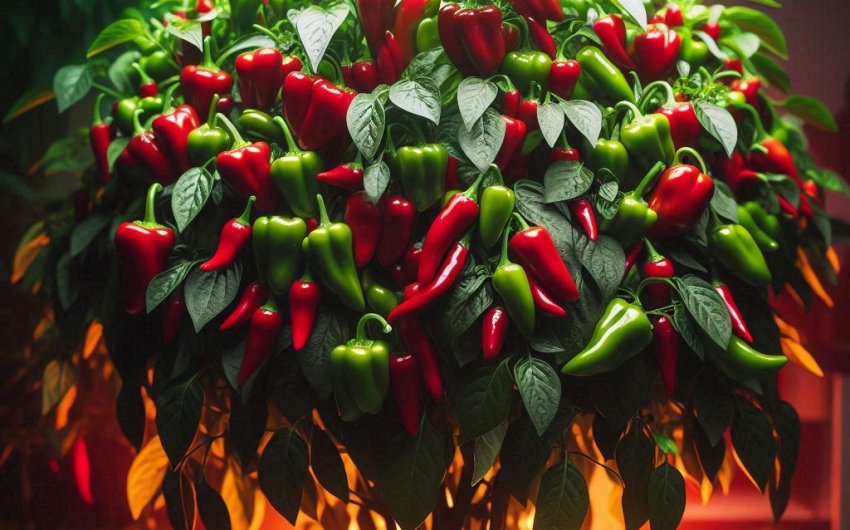
Dreaming of fresh peppers for your kitchen, no matter the season? Learning the best tips for growing peppers indoors allows you to enjoy these versatile fruits year-round, adding a burst of flavor to your dishes whenever you desire. With the right setup and consistent care, cultivating your own indoor pepper plants is a surprisingly rewarding endeavor, bringing a touch of the garden's bounty right into your home.
Why Grow Peppers Indoors?
Cultivating peppers within your home offers a unique set of advantages that extend beyond just convenience. Understanding these benefits highlights why so many gardeners are embracing these tips for growing peppers indoors.
Year-Round Harvest
The most compelling reason to grow peppers indoors is the ability to enjoy fresh fruits regardless of the outdoor climate or season. No more waiting for summer; you can pick ripe bell peppers, hot chilies, or sweet mini peppers whenever you wish, providing a continuous supply for your culinary needs.
Protection from Pests and Diseases
Indoor environments provide a controlled setting, significantly reducing exposure to common outdoor garden pests like aphids, slugs, and various caterpillars that can decimate a pepper crop. It also lessens the risk of soil-borne diseases and those spread by outdoor conditions, often leading to healthier plants.
Climate Control
Peppers are heat-loving plants that thrive in consistent warmth. Indoor growing allows you to maintain optimal temperatures (ideally 70-80°F or 21-27°C) and light conditions, which can be challenging to achieve outdoors in many regions. This stable environment is crucial for consistent flowering and fruiting. A digital indoor thermometer/hygrometer can help you monitor.
Space Efficiency (Especially for Dwarf Varieties)
While some pepper plants can get quite large, many compact or dwarf varieties are perfectly suited for containers, even in small apartments or homes. You can utilize sunny windowsills, shelving units, or dedicated grow tents to maximize your growing area. Consider a vertical garden system for efficiency.
Ornamental Value
Pepper plants, with their glossy green leaves and bright, colorful fruits, are incredibly attractive. They can serve as beautiful, edible decor, adding a vibrant touch to kitchens, living rooms, or sunny home offices. The sight of ripening peppers is a joy to behold.
No Weeding or Wildlife Damage
Say goodbye to bending over pulling weeds! Indoor growing eliminates weed competition. Also, you won't have to worry about deer, rabbits, or birds nibbling on your precious peppers.
Educational and Rewarding
Growing food from scratch, especially a plant that flowers and fruits, is an incredibly satisfying experience. It's a fantastic educational activity for all ages, offering hands-on learning about plant life cycles, pollination, and cultivation.
By exploring these tips for growing peppers indoors, you're unlocking the potential for fresh, homegrown flavor and a delightful, year-round gardening adventure.
What Supplies Do You Need to Grow Peppers Indoors?
Embarking on the journey of how to grow peppers indoors requires gathering a few key supplies. Having these items ready will set you up for success and ensure your pepper plants have everything they need to flourish and produce fruit.
1. Pepper Seeds or Transplants
- Seeds: Starting from pepper seeds offers the widest variety of choices (sweet bells, hot chilies, unique colors, and shapes). It's also more cost-effective. Look for reputable seed suppliers for indoor pepper seeds or specific varieties suited for containers.
- Transplants: You can purchase small pepper plants from a garden center. These are already established and will give you a quicker harvest. Choose healthy, compact plants without yellowing leaves or signs of pests.
2. Pots or Containers
- Size: Peppers need enough root space. For dwarf or small varieties, an 8-inch (20 cm) pot may suffice. For larger varieties like bell peppers, aim for a 5-gallon container (about 10-12 inches / 25-30 cm in diameter) or larger. Larger pots offer more stability and moisture retention.
- Drainage Holes: Absolutely essential! Peppers hate soggy roots. Ensure your pots have ample drainage holes at the bottom. Use a saucer underneath, but empty excess water promptly.
- Material:
- Plastic Pots: Lightweight, affordable, retain moisture well. Can be moved easily.
- Terracotta Pots: Classic look, breathable material that helps prevent overwatering, but dries out faster.
- Fabric Grow Bags: Excellent for aeration and preventing root circling ("air pruning"). Lightweight and promote healthy root development. A 5-gallon fabric grow bag is an excellent choice for most peppers.
3. Potting Mix
- Never Use Garden Soil: Garden soil is too heavy, compacts easily in containers, and can introduce pests or diseases.
- Well-Draining: Use a high-quality, well-draining potting mix specifically formulated for containers or vegetables. Look for mixes that contain ingredients like peat moss (or coco coir), perlite, and/or vermiculite to ensure good aeration and moisture retention without becoming waterlogged. A bag of organic potting mix for vegetables is a great start.
4. Grow Lights
- Non-Negotiable: Peppers are sun-loving plants. Natural light from a window is rarely enough, especially during shorter days or if not south-facing. Grow lights are essential for robust growth, flowering, and fruiting.
- Full-Spectrum LED Grow Light: Highly recommended for energy efficiency and providing the complete light spectrum peppers need.
- Light Schedule: Use a timer to provide 12-16 hours of light per day. Position the light 6-12 inches above your plants, adjusting as they grow. A full-spectrum LED grow light with timer is a crucial investment.
5. Watering Can or Spray Bottle
- A watering can with a narrow spout allows for precise watering at the soil level.
- A spray bottle can be used for misting to increase humidity (if needed) or for applying organic pest control sprays.
6. Fertilizer
- For Fruiting Plants: Peppers are heavy feeders, especially when flowering and fruiting. A balanced liquid fertilizer (e.g., 5-10-10 or 2-4-2) with slightly higher phosphorus (P) and potassium (K) is ideal to encourage blooms and fruit development.
- Organic Options: Many gardeners prefer organic options like organic liquid tomato and vegetable food.
7. Support Stakes or Cages (Optional but Recommended)
- As pepper plants grow and produce fruit, they can become top-heavy. Small stakes or a mini tomato cage can help support the stems and prevent them from breaking under the weight of the peppers.
By preparing with these essential supplies, you'll be well on your way to mastering how to grow peppers indoors and enjoying a rewarding harvest.
Which Pepper Varieties Are Best for Indoor Growing?
Choosing the right pepper varieties is a significant factor in your success when learning how to grow peppers indoors. Look for compact or dwarf varieties, and those known for being prolific or easy to grow in containers.
Sweet Peppers (Capsicum annuum)
For those who love mild, crunchy peppers:
- Mini Bell Peppers (Snack Peppers): These are fantastic for indoor growing. They produce smaller, often colorful bell peppers that are perfect for snacking, salads, or stuffing. The plants tend to be more compact than full-sized bell peppers. Look for seeds or starts labeled "mini bell" or "snack pepper." A mini bell pepper seed mix often includes various colors.
- 'Patio Bell' or 'Redskin': These are specific bell pepper varieties bred to be compact and well-suited for container growing. They still produce decent-sized bell peppers on smaller plants.
- Pimiento Peppers: Varieties like 'Pimiento de Padrón' or 'Cherry Pimiento' are often smaller, rounder, and have a rich, sweet flavor. The plants tend to be more manageable indoors.
- Sweet Banana Peppers: While they can get a bit larger, sweet banana peppers are often vigorous and productive, yielding elongated, mild peppers. They can be good in larger indoor containers.
Mild to Medium Hot Peppers (Capsicum annuum, Capsicum baccatum)
For a gentle kick without overwhelming heat:
- 'Jalapeño' (Compact Varieties): Standard jalapeños are popular and relatively easy. Look for dwarf or compact varieties if space is very limited. A compact jalapeño seed variety can be ideal.
- 'Serrano': Similar to jalapeños but hotter and often on more compact plants.
- 'Peter Pepper': (While an novelty shape) these peppers tend to be productive on fairly manageable plants, offering a medium heat.
- 'Aji Limon' (Lemon Drop): A C. baccatum variety known for its bright, citrusy flavor and medium heat. The plants can get bushy but are very prolific and beautiful indoors.
Hotter Peppers (Capsicum chinense, Capsicum frutescens)
For those who love serious heat:
- 'Habanero' / 'Scotch Bonnet' (Dwarf/Compact Varieties): While these can be large plants, some varieties are bred for compactness. They are productive and thrive in consistent indoor conditions. Be prepared for intense heat!
- 'Thai Chili' / 'Pequin': Many small, very hot chili varieties have more compact, bushy growth habits, making them excellent choices for indoor growing and providing abundant small, fiery peppers. Look for a dwarf Thai chili seed variety.
- 'Tabasco': The classic pepper used for Tabasco sauce, these C. frutescens plants tend to be smaller and very productive.
Ornamental Peppers (Capsicum annuum)
While most are edible (though often quite hot), these are grown primarily for their colorful fruits and compact size, making them visually stunning indoors.
- 'Mardi Gras': A popular choice with upright, colorful peppers that change from cream to purple to red.
- 'Bolivian Rainbow': Produces tiny, jewel-toned peppers in multiple colors simultaneously.
When selecting seeds or starts, prioritize descriptions that mention "compact," "bushy," "patio," or "container-friendly." This ensures the plants' mature size aligns with your indoor space. Finding the right pepper varieties is crucial for anyone learning how to grow peppers indoors successfully.
How Do You Plant Peppers in Containers?
Whether you're starting from seed or transplanting small plants, proper planting is a vital first step in learning how to grow peppers indoors. Get this right, and your plants will have a strong foundation for growth.
Step 1: Choose Your Potting Mix
- Avoid Garden Soil: Never use heavy garden soil from outside in your containers, as it compacts, lacks proper drainage, and can introduce pests or diseases.
- Quality Potting Mix: Use a high-quality, well-draining potting mix formulated for vegetables or general container plants. Look for ingredients like peat moss (or coco coir), perlite, and vermiculite. These ensure good aeration, moisture retention, and drainage. An organic potting mix with perlite is ideal.
Step 2: Preparing Your Container
- Drainage is Key: Ensure your chosen pot has ample drainage holes at the bottom. Peppers absolutely abhor "wet feet" (soggy roots).
- Fill with Mix: Fill your container with potting mix, leaving about 1-2 inches (2.5-5 cm) of space from the rim. This gap helps prevent soil from spilling out when you water.
- Moisten Soil: Lightly moisten the potting mix before planting. It should be damp throughout, but not soggy.
Step 3: Planting Methods
A. Starting from Seed
- Sow Seeds: Pepper seeds can be a bit slow to germinate. Plant them about 1/4 to 1/2 inch (6-12 mm) deep. You can plant 2-3 seeds per small starting pot or seed cell, then thin later.
- Provide Warmth: Peppers love warmth. The ideal germination temperature is 75-85°F (24-29°C). Place pots on a seedling heat mat for consistent warmth. This significantly speeds up germination. A seedling heat mat with thermostat is a great tool.
- Light (After Germination): Once seedlings emerge (usually 7-21 days), immediately place them under grow lights for 14-16 hours per day. Keep the light source just a few inches above the seedlings to prevent them from becoming leggy (stretched and weak).
- Thinning: Once seedlings have developed 1-2 sets of "true leaves" (the leaves that look like miniature pepper leaves, not the initial rounded "cotyledon" leaves), thin them to one strong seedling per pot or cell. Snip off the weaker ones at the soil line.
- Pot Up: As seedlings grow, "pot them up" into larger containers gradually (e.g., from small seed cells to 4-inch pots, then to their final larger pots) to provide continuous root space.
B. Transplanting Nursery Plants
- Prepare Plant: Gently remove the pepper plant from its original nursery pot. Handle it by the root ball or lower stem, avoiding squeezing the main stem. If the roots are tightly coiled around the outside of the root ball, gently tease them apart.
- Dig Hole: Dig a hole in your prepared container large enough to comfortably accommodate the plant's root ball.
- Planting Depth: Plant the pepper seedling at the same depth it was in its original pot. For peppers, you can plant them slightly deeper than they were, as stems can develop roots, but avoid burying too much of the main stem, especially for younger plants.
- Firm Soil: Gently backfill the hole with potting mix, lightly firming it around the base of the plant to remove air pockets.
- Water In: Water the newly transplanted pepper thoroughly until water drains from the bottom. This helps settle the soil around the roots.
Step 4: Initial Placement
- Place your newly planted pepper containers in a location that receives ample light from your grow lights or a very sunny south-facing window. Ensure they are in a warm spot, avoiding cold drafts.
Following these detailed planting steps ensures your pepper plants get off to the best possible start in their indoor environment, leading to a successful venture in how to grow peppers indoors.
What Conditions Do Indoor Peppers Need to Thrive?
Successfully growing peppers indoors relies heavily on replicating their ideal outdoor conditions, focusing on warmth, light, and consistent care. These are the crucial tips for growing peppers indoors to ensure they flourish and produce fruit.
1. Light: The Most Critical Factor
- High Light Requirement: Peppers are sun-worshippers. They need a minimum of 12-16 hours of bright, direct light per day to grow vigorously, flower, and set fruit. Natural light from a typical window, even a south-facing one, is almost never enough, especially during shorter days or in cloudy regions.
- Grow Lights are Essential: A full-spectrum LED grow light is highly recommended. Position it about 6-12 inches (15-30 cm) above your plants, adjusting the height as they grow.
- Consistent Schedule: Use a timer for your grow lights to maintain a consistent light cycle. Interruptions can stress the plant and reduce flowering. A digital grow light timer ensures reliability.
2. Temperature: Keep it Warm
- Ideal Range: Peppers love heat. Maintain daytime temperatures between 70-80°F (21-27°C). Nighttime temperatures can drop slightly but ideally should stay above 60°F (15°C).
- Avoid Cold Drafts: Keep plants away from cold windows, doors, or air conditioning vents, as sudden temperature drops can stress them and cause flower/fruit drop.
- Heat Mats (for seedlings): As mentioned earlier, a seedling heat mat is invaluable for germination and early seedling growth.
3. Watering: Consistent but Not Soggy
- Keep Consistently Moist: Peppers prefer consistently moist, but not soggy, soil. Allow the top inch of soil to dry out slightly before watering again.
- How to Check: Stick your finger 1-2 inches (2.5-5 cm) into the soil. If it feels dry, water. If it still feels damp, wait.
- Water Thoroughly: When you water, do so deeply until water drains from the bottom of the pot. This encourages deep root growth.
- Empty Saucers: Never let your pots sit in standing water in their saucers, as this leads to root rot. Dump out excess water promptly.
4. Humidity: Moderate is Best
- Average Indoor Humidity: Most indoor environments have humidity levels suitable for peppers.
- Misting (Optional): If your home is very dry (especially in winter with heating), you can mist the leaves occasionally with a spray bottle. However, avoid constant wet leaves, which can encourage fungal issues. A plant mister can help.
- Pebble Tray: Placing the pot on a tray of pebbles filled with water (ensuring the pot doesn't sit in the water) can create a localized humidity boost.
5. Air Circulation
- Prevent Disease: Good airflow helps prevent fungal diseases like powdery mildew and strengthens plant stems.
- Small Fan: Use a small oscillating fan near your pepper plants for a few hours each day. A small clip-on fan for plants can simulate outdoor breezes.
6. Fertilization: Heavy Feeders
- Regular Feeding: Peppers are heavy feeders, especially when they start flowering and fruiting.
- Balanced Liquid Fertilizer: Begin feeding with a balanced liquid fertilizer (e.g., 5-10-10 or a tomato/vegetable specific formula) every 2-3 weeks once the plant starts setting flowers. Dilute to half or quarter strength to avoid nutrient burn.
- Organic Options: Organic granular or liquid feeds like organic pepper fertilizer are excellent.
- Signs of Deficiency: Slowed growth, pale leaves, or poor fruit set can indicate a need for more nutrients.
By diligently managing these conditions, you'll create the ideal environment for a thriving indoor pepper patch, successfully applying the essential tips for growing peppers indoors.
How Do You Pollinate Indoor Peppers?
One of the most important tips for growing peppers indoors is understanding that you need to be the pollinator! Unlike outdoor gardens where bees and wind handle this crucial task, you'll need to manually pollinate your pepper flowers for them to develop into fruits.
Why Manual Pollination is Necessary
- No Natural Pollinators: Indoors, you typically don't have enough natural airflow or insect activity (bees, hoverflies, etc.) to ensure adequate pollination.
- Self-Pollinating Flowers: Pepper flowers are "perfect" flowers, meaning they contain both male (stamens with pollen) and female (pistil) parts. This makes them capable of self-pollination, but they still need help to transfer the pollen.
When to Pollinate
- Open Flowers: Pollinate when the pepper flowers are fully open and appear to have visible pollen (a yellow, powdery substance) on the stamens. This is usually in the morning when pollen is most abundant and viable.
- Daily Action: Aim to pollinate each open flower daily for a few days while it's in bloom.
Methods for Manual Pollination
There are a few simple and effective ways to hand-pollinate your pepper flowers:
Gentle Tapping or Shaking:
- This is the simplest method. Gently tap the main stem of the plant a few times, or gently flick the individual flower stems with your finger.
- The vibrations will cause pollen to shake loose from the stamens and fall onto the pistil within the same flower.
- This method mimics wind pollination and is often sufficient for peppers.
Soft Paintbrush or Cotton Swab Method:
- Use a small, soft artist's paintbrush or a cotton swab.
- Gently brush the yellow stamens in the center of the pepper flower to collect pollen. You should see yellow powder cling to the brush or swab.
- Then, lightly dab or brush the collected pollen onto the central pistil (the stigma, which often looks like a tiny green knob) of the same flower and other flowers on the plant. This directly transfers pollen.
- A fine-tipped artist's paintbrush set is ideal for this.
Electric Toothbrush Method (Gentle Vibration):
- For a slightly more advanced and efficient method, you can use a clean, dry electric toothbrush (with the brush head removed, or using a very soft one).
- Gently touch the vibrating toothbrush to the stem just below each flower or to the base of the flower. The vibrations will cause pollen to release.
- Be careful not to damage the delicate flower parts.
Tips for Successful Pollination
- Consistency: The more often you pollinate (ideally daily when flowers are open), the better your chances of fruit set.
- Observe: You'll know pollination has been successful if the small green center of the flower (the pistil) starts to swell and grow into a tiny pepper. If the flower turns yellow and drops off, it likely wasn't pollinated successfully.
- Healthy Flowers: Ensure your plants are healthy and receiving adequate light and nutrients. Stressed plants may produce fewer viable flowers or drop them before pollination.
Manual pollination is a crucial step for achieving a bountiful harvest, making it a key skill in your journey of how to grow peppers indoors.
How Do You Prune and Support Indoor Pepper Plants?
Proper pruning and providing support are essential tips for growing peppers indoors. These practices help maintain plant health, encourage bushier growth, and ensure your plants can bear the weight of their delicious fruit.
1. Pinching Off Early Flowers (for Seedlings)
- Why: When your pepper seedlings are still young (less than 6-8 inches tall), they might start to produce flowers. It's usually best to pinch off these early flowers.
- Reason: This forces the plant to put its energy into developing a strong root system and robust foliage rather than trying to produce fruit too soon. A strong, well-developed plant will ultimately yield more peppers in the long run.
- How: Simply snip off the small flower buds with your fingers or a small sharp pair of snips.
2. Pruning for Bushier Growth and Airflow
- "Topping" (Optional): When your pepper plant is about 8-12 inches tall and has several sets of true leaves, you can "top" it. This involves snipping off the main central stem just above a set of true leaves. This encourages the plant to branch out, resulting in a bushier, more compact plant with multiple stems, which can lead to more fruit. It also improves air circulation.
- Remove Lower Leaves: As the plant grows, remove any lower leaves that are yellowing, diseased, or touching the soil. This prevents soil-borne diseases from splashing onto the leaves and improves airflow around the base of the plant.
- Thinning Inner Branches: If the plant becomes very dense in the center, you can carefully thin out a few inner branches to improve airflow and allow more light to penetrate, especially in high-humidity indoor environments. This helps prevent fungal issues.
- Remove "Suckers" (Optional, mainly for large peppers): Similar to tomatoes, some pepper varieties can produce "suckers" (new shoots that emerge from the "crotch" where a leaf meets the main stem). While not always necessary to remove for peppers, if they become too vigorous and are stealing energy from fruit production, you can pinch them off.
3. Providing Support
- Why Support is Needed: As pepper plants grow, especially when laden with fruit, their stems can become heavy and prone to breaking. Support prevents breakage and keeps the fruit off the soil (if applicable), which can prevent rot.
- Staking: Insert a sturdy bamboo garden stake into the pot when the plant is still young, being careful not to damage roots. Gently tie the main stem to the stake with soft plant ties or clips as it grows.
- Caging: A small tomato cage (even miniature ones) provides all-around support as the plant grows through it.
- Trellising (for Vining Types): Some pepper varieties (especially certain C. baccatum or C. frutescens types) can have a more sprawling or semi-vining habit. A small trellis can help support them.
- When to Support: Install support early, before the plant becomes too large and branches become brittle.
By actively pruning and providing structural support, you contribute significantly to the health, vigor, and fruit production of your indoor pepper plants, making these critical aspects of how to grow peppers indoors.
How Do You Harvest Indoor Peppers and Keep Plants Productive?
Harvesting your indoor peppers correctly is key to enjoying their full flavor and encouraging your plant to produce more. These essential tips for growing peppers indoors will help you maximize your yield and keep your plants thriving.
1. When to Harvest Peppers
- Sweet Peppers (Bell, Banana, Mini Bells):
- Green Stage: Most sweet peppers can be harvested when they are still green (immature). They will be crunchy and have a slightly less sweet, more "vegetal" flavor.
- Fully Ripe (Color Change): For the sweetest, fullest flavor and highest nutrient content, allow sweet peppers to ripen to their full mature color (red, yellow, orange, purple, etc.). They will be softer and sweeter.
- Hot Peppers (Jalapeño, Serrano, Habanero, Thai):
- Green Stage: Most hot peppers can be harvested when green. They will have heat, but often a different flavor profile than when fully ripe.
- Fully Ripe (Color Change): For maximum heat and the fullest, most complex flavor unique to each variety, allow hot peppers to ripen to their mature color (often red, orange, or yellow).
2. How to Harvest Peppers
- Use Scissors or Snips: Never pull or tear peppers from the plant by hand, as this can damage the plant's delicate branches and reduce future production.
- Cut the Stem: Use clean, sharp pruning shears or scissors to cut the stem about 1/2 to 1 inch above where the pepper attaches. This ensures a clean break and protects the plant. A pair of gardening snips works perfectly.
3. Encourage More Production
- Regular Harvesting: The more you pick, the more the plant will produce! Harvesting signals the plant to create more flowers and fruit, as its natural goal is to produce seeds. Don't leave ripe peppers on the plant too long, as this can slow down new production.
- Consistent Care: Continue providing optimal light, temperature, watering, and fertilization. A well-fed, well-lit, and stress-free plant will keep giving you peppers.
- Pollination: Continue to manually pollinate flowers as they appear throughout the plant's life cycle.
4. Potential Issues After Harvest (and Solutions)
- Pest Check: When harvesting, take a moment to inspect your plant for any signs of pests (tiny bugs, sticky residue, holes in leaves) and address them promptly with organic solutions like neem oil spray or insecticidal soap. Indoor plants are generally safer but can still attract occasional invaders.
- Nutrient Boost: After a heavy harvest, your plant may benefit from a quick boost of diluted liquid fertilizer to replenish nutrients.
- Winter Care (Overwintering): If you plan to keep your pepper plant alive through winter in a cold climate (many are actually perennials), you can reduce watering and stop fertilizing during the shorter, darker months. Some gardeners even prune plants back heavily for overwintering, then bring them out of dormancy in spring.
By following these harvesting techniques and maintaining consistent care, you can enjoy a continuous supply of fresh, flavorful peppers right from your indoor garden, making your efforts in how to grow peppers indoors truly rewarding.