
Green Solutions: How to Create a Rain Garden
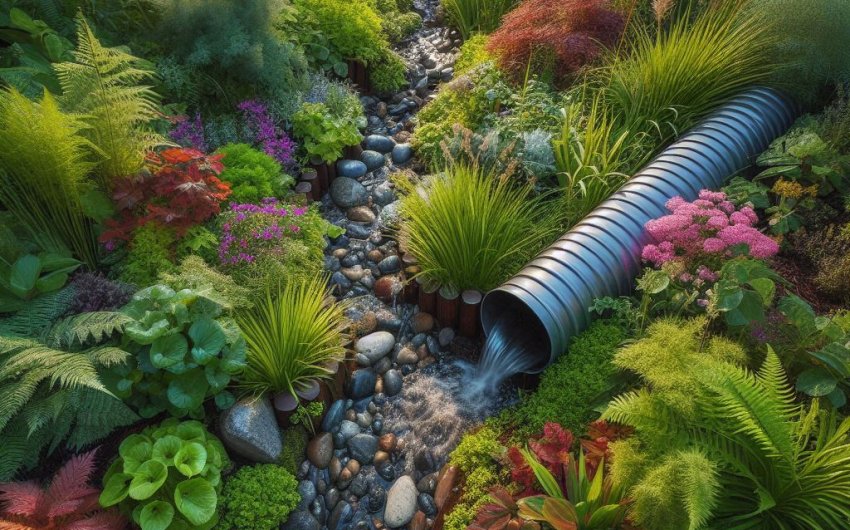
Are you looking for an eco-friendly way to manage stormwater on your property while enhancing your landscape? Learning how to create a rain garden is an excellent solution. These specially designed gardens capture and absorb rainwater runoff, reducing pollution, recharging groundwater, and providing beautiful habitats for local wildlife.
What is a Rain Garden and Why Do I Need One?
A rain garden is essentially a shallow depression in your landscape, typically planted with native vegetation, designed to collect stormwater runoff from impervious surfaces like rooftops, driveways, and sidewalks. Instead of letting rainwater rush into storm drains, where it often carries pollutants into local waterways, a rain garden allows the water to slowly soak into the ground.
Managing Stormwater Runoff
In urban and suburban areas, much of our land is covered by hard surfaces that don't allow water to infiltrate the soil. When it rains, this water becomes stormwater runoff, picking up pollutants like oil, pesticides, fertilizers, and pet waste as it flows. This polluted runoff then enters storm drains and, untreated, flows into rivers, lakes, and oceans, harming aquatic ecosystems and impacting water quality. A rain garden intercepts this runoff, preventing it from contributing to pollution.
Reducing Flooding and Erosion
By allowing rainwater to slowly absorb into the ground, rain gardens significantly reduce the volume of water flowing off your property. This helps to prevent localized flooding in your yard or even your basement. The deep roots of the plants in a rain garden also help to stabilize the soil, reducing erosion, especially on slopes.
Recharging Groundwater
As the captured rainwater percolates through the soil in a rain garden, it replenishes local groundwater supplies. This is crucial for maintaining healthy aquifers and for the overall water cycle. In many areas, groundwater is a primary source of drinking water, so helping to recharge it benefits the entire community.
Creating Wildlife Habitat
Rain gardens are typically planted with native plants, which are adapted to the local climate and soil conditions. These plants not only thrive without much intervention but also provide essential food, shelter, and breeding grounds for local wildlife, including butterflies, bees, and birds. They become vibrant mini-ecosystems in your yard. Attracting beneficial insects often starts with the right native wildflower seed mix.
Enhancing Landscape Beauty
Beyond their functional benefits, rain gardens are incredibly beautiful. They can add aesthetic appeal and curb appeal to your property, creating a dynamic and attractive landscape feature that changes with the seasons. They often feature a mix of colorful flowers, interesting foliage, and varying plant heights, making them a focal point in any yard.
Where is the Best Place to Locate a Rain Garden?
Choosing the right spot is crucial for a successful rain garden. Proper placement ensures it effectively captures runoff and functions as intended.
Distance from Your Home
It is extremely important to locate your rain garden at least 10 feet away from your home's foundation. This prevents water from seeping into your basement or damaging your foundation. The goal is for the water to soak into the garden, not into your house. Similarly, keep it away from septic systems and utility lines. Before you dig, always call 811 (the national call-before-you-dig number) to have underground utilities marked.
Slope of Your Yard
Rain gardens work best in naturally depressed areas or on gentle slopes where water already tends to collect. If your yard is very flat, you might need to create a slight slope or berm to direct water into the garden. Avoid steep slopes, as the water might flow too quickly, preventing proper absorption. A surveyor's level can help determine slope.
Sun Exposure
The amount of sun exposure in your chosen location will influence the types of plants you can select. Most rain garden plants prefer full sun (at least 6 hours of direct sunlight per day), but some native species thrive in partial shade. Observe the light patterns in your yard throughout the day before committing to a spot.
Soil Drainage
Good soil drainage is essential for a rain garden. The garden needs to be able to drain completely within 24-48 hours after a rain event to prevent stagnant water, which can attract mosquitoes. To test your soil's drainage, dig a small hole (about a foot deep), fill it with water, and see how long it takes to drain. If it drains within 24 hours, your soil is suitable. If it takes longer, you may need to amend the soil with sand or compost to improve drainage. A soil testing kit can give you more insights.
Proximity to Runoff Sources
Place your rain garden where it can easily intercept stormwater runoff. Ideal locations are near downspouts, at the end of a sloped driveway, or in areas where lawn runoff naturally collects. You might need to install a simple swale (a shallow ditch) or extend a downspout with a downspout extension kit to direct water to the garden.
What is the Process to Build a Rain Garden?
Building a rain garden is a multi-step process that involves planning, excavation, soil preparation, and planting. While it requires some effort, the long-term benefits are well worth it.
Step 1: Design and Plan Your Garden
Before you dig, sketch out your rain garden design. Determine the size and shape based on the amount of runoff you expect to capture. A good rule of thumb is that a rain garden should be at least 10-20% of the size of the impervious surface it's collecting water from. Decide on the depth, usually 4-8 inches for the basin, plus a surrounding berm. Map out where the water will enter and exit (if needed). Choose your plant palette based on sun exposure and your aesthetic preferences. A garden design planner can help organize your ideas.
Step 2: Mark and Excavate the Area
Once your design is finalized and utilities are marked, outline the shape of your rain garden using spray paint or a garden hose. Begin excavating the area, digging out the basin to your desired depth (e.g., 6 inches). Create a berm (a raised mound) around the sides of the garden using some of the excavated soil, especially on the downhill side, to help contain the water. Ensure the bottom of the basin is level. You'll need a good garden shovel and possibly a wheelbarrow.
Step 3: Amend the Soil
After excavation, you'll need to prepare the soil in the basin to ensure good drainage and provide nutrients for your plants. Remove any large rocks or debris. Mix in a significant amount of compost (2-4 inches deep) and, if your soil is heavy clay, some coarse sand (1-2 inches deep). This creates a highly permeable soil layer that allows water to infiltrate quickly. Mix these amendments thoroughly with the existing soil to a depth of at least 12-18 inches. A rototiller can make this easier for larger gardens.
Step 4: Install Inflow and Outflow (If Needed)
If directing water from a downspout, you'll need to create a way for water to flow into the garden without causing erosion. This might involve a simple splash block, a rock-lined channel, or an underground PVC pipe leading from the downspout to the garden. If your garden is very large or if you expect extreme rain events, consider adding an overflow outlet (like a small gravel-filled trench) on the downhill side of the berm to allow excess water to safely exit the garden without causing damage.
Step 5: Plant Your Rain Garden
Now for the fun part: planting! Arrange your chosen native plants in the garden. Place plants that prefer more moisture (wet feet) in the deepest part of the basin, and those that tolerate drier conditions on the edges or berm. Dig holes for each plant, place them at the same depth they were in their nursery pots, and backfill with your amended soil. Water them thoroughly after planting. A garden trowel is essential here.
Step 6: Add Mulch
Apply a 2-3 inch layer of mulch over the entire planted area of your rain garden, being careful to keep it away from plant stems. Mulch helps suppress weeds, retain soil moisture, regulate soil temperature, and adds organic matter as it breaks down. Shredded hardwood mulch or pine bark are good choices. Avoid using light mulches like wood chips that might float away during heavy rains. A bag of organic garden mulch will provide many benefits.
What Kinds of Plants Work Best in a Rain Garden?
The key to a successful rain garden lies in selecting the right plants. Native plants are almost always the best choice because they are adapted to your local climate, soil, and moisture levels, requiring less maintenance once established.
Zone-Based Planting
Rain gardens often have distinct moisture zones:
- Wet Zone (Bottom of Basin): This area will be inundated during heavy rains and stay moist longer. Plants here need to tolerate both wet and dry conditions.
- Transitional Zone (Slopes of Basin): These areas will get wet but drain more quickly. Plants here need to be adaptable to fluctuating moisture.
- Upland Zone (Around the Berm/Edges): These areas will be the driest. Plants here should be drought-tolerant.
Native Plant Examples (General)
It's crucial to research native plants specific to your region and climate zone. Here are some common categories and examples, but always verify their suitability for your local conditions:
Perennials for Wet/Transitional Zones:
- Switchgrass (Panicum virgatum): A tall, graceful native grass that tolerates both wet and dry conditions and provides good structure. It's great for erosion control. Consider a switchgrass seed packet.
- Cardinal Flower (Lobelia cardinalis): Known for its stunning red flowers that attract hummingbirds. It thrives in consistently moist to wet soil.
- Joe Pye Weed (Eutrochium purpureum): A tall, majestic plant with large clusters of purple flowers, attracting many pollinators. It prefers moist soil.
- Blue Flag Iris (Iris versicolor): Beautiful blue-purple flowers, ideal for wet areas.
- Milkweed (Asclepias species): Essential for Monarch butterflies, some varieties like common milkweed (Asclepias syriaca) tolerate wet conditions.
- Great Blue Lobelia (Lobelia siphilitica): Another beautiful blue-flowered plant that prefers moist soil.
Shrubs for Transitional/Upland Zones:
- Serviceberry (Amelanchier spp.): Offers beautiful spring blooms, edible berries, and attractive fall foliage. Tolerates a range of moisture conditions. A bare root serviceberry bush can be a great addition.
- Red Twig Dogwood (Cornus sericea): Provides vibrant red stems in winter, adding interest to the dormant garden. Tolerates moist soil.
- Buttonbush (Cephalanthus occidentalis): Unique globe-shaped white flowers attract many pollinators, especially butterflies. Thrives in wet areas.
- Sumac (Rhus species): Very drought-tolerant once established, great for the drier edges of the garden. Offers stunning fall color.
Groundcovers/Smaller Plants for All Zones (depending on species):
- Wild Geranium (Geranium maculatum): Beautiful pink-purple flowers in spring, good for partial shade to sun.
- Sedum (various native species): Some native sedums are very drought-tolerant and can work well on the dryer edges.
- Ferns (various native species): For shadier rain gardens, many native ferns thrive in moist conditions.
Always buy plants from reputable nurseries that specialize in native plants in your region. They can offer specific recommendations for your local conditions.
How Do I Maintain My Rain Garden After It's Built?
Once your rain garden is established, it's generally low maintenance, but some care is needed to ensure it continues to function effectively and look its best.
Regular Weeding
During the first year, weeding is crucial to give your native plants a chance to establish themselves without competition. Once plants grow larger and the mulch settles, weeding will become less frequent. Hand-pulling weeds is usually sufficient. A hand weeding tool can be helpful.
Watering During Dry Spells
While rain gardens are designed to handle water, newly planted gardens (especially during their first year) will need supplemental watering during prolonged dry periods. Once established (typically after the first year), native plants are quite drought-tolerant and should not require much, if any, additional watering. An oscillating sprinkler can help cover the area.
Inspecting for Clogging
Periodically check your rain garden's inflow point (where water enters) to ensure it's not clogged with debris. Clear away any leaves, sticks, or sediment that might impede water flow. Also, ensure the basin is draining properly within 24-48 hours after a rain event. If it's holding water for longer, you might need to address soil compaction or drainage issues. A garden rake can help clear debris.
Pruning and Deadheading
Prune dead or diseased branches from shrubs and perennials as needed to maintain plant health and shape. Deadheading (removing spent flowers) can encourage more blooms and prevent unwanted self-seeding, though for many native plants, leaving seed heads provides food for birds in winter. A good pair of pruning shears is essential.
Replenishing Mulch
Over time, mulch will decompose. Replenish the mulch layer every year or two to maintain its 2-3 inch thickness. This helps suppress weeds, conserves moisture, and adds organic matter to the soil.
Monitoring for Pests and Diseases
Native plants are generally more resistant to local pests and diseases, but it's always good to occasionally inspect your plants. Address any issues early with organic pest control methods if necessary.
Spring Cleanup
In early spring, before new growth begins, a general cleanup is beneficial. Remove any dead plant material from the previous season, and cut back perennials and grasses as desired. This helps make way for new growth and maintains a tidy appearance.
Can I Build a Rain Garden in a Small Yard?
Yes, absolutely! You don't need a sprawling property to implement green infrastructure. Learning how to create a rain garden is possible even in compact urban or suburban spaces.
Mini Rain Gardens
For very small yards, consider creating a mini rain garden. These are scaled-down versions that still capture runoff from a downspout or a small patio. Even a garden of 4x6 feet can make a significant difference. The principles remain the same, just on a smaller scale. You might use smaller native plants that don't grow too large.
Rain Barrels as an Alternative or Complement
If you genuinely lack the space or suitable drainage for an in-ground rain garden, a rain barrel is an excellent alternative or complement. Rain barrels collect water directly from downspouts, storing it for later use in watering your garden or indoor plants. This reduces runoff and conserves water. A collapsible rain barrel can be a flexible option. You can then use the collected water to hand-water your mini rain garden.
Permeable Pavers
Another strategy for small spaces, especially for driveways or patios, is to use permeable pavers. These allow water to drain through the surface and into the ground below, rather than running off. While not a garden in the traditional sense, they serve a similar stormwater management function.
Container Rain Gardens (Limited Scope)
While not a true rain garden, you can also create "rain garden-like" containers by planting native, water-loving plants in large pots that have good drainage and placing them where they can catch some roof runoff. This won't handle large volumes of water but can contribute to localized absorption and plant enjoyment.
Small-scale solutions still contribute to the larger goal of improved water quality and a healthier environment. Every little bit helps to manage stormwater more sustainably.
What Are Some Common Misconceptions About Rain Gardens?
Despite their growing popularity, there are still several myths and misunderstandings about rain gardens. Clearing these up can encourage more people to adopt this beneficial landscaping practice.
Rain Gardens Breed Mosquitoes
This is perhaps the most common concern. A properly designed and installed rain garden should not breed mosquitoes. Mosquitoes need standing water for at least 5-7 days to complete their life cycle. A healthy rain garden is designed to drain completely within 24-48 hours after a rain event. If your rain garden holds water for longer, it indicates a drainage issue that needs to be addressed. The plants and beneficial insects within the garden also help to deter mosquitoes.
Rain Gardens Are High Maintenance
While a rain garden requires some attention during its first year of establishment (like any new garden), once the native plants are established and the mulch settles, they are generally lower maintenance than a traditional lawn. Native plants are adapted to local conditions and require less watering, fertilizing, and pest control compared to non-native ornamentals.
Rain Gardens Are Just Ponds or Swamps
A rain garden is not a pond or a permanent wetland. It is a temporary water holding area that allows water to infiltrate the soil. It should be dry most of the time, only filling with water during and immediately after a rain event. The goal is absorption, not retention.
Rain Gardens Are Ugly or Messy
This is purely a matter of design and plant choice. A well-designed rain garden, planted with a variety of colorful and textured native plants, can be incredibly beautiful and a striking focal point in your landscape. They can be integrated seamlessly into existing garden beds or designed as distinct, artistic features.
Rain Gardens Are Expensive to Install
The cost of a rain garden can vary widely depending on its size, your chosen materials, and whether you do the work yourself or hire a professional. However, for DIY enthusiasts, the cost can be quite low, mainly involving plants, soil amendments, and mulch. In the long run, they can save money on irrigation and potentially reduce flooding damage. Many local conservation groups also offer resources or even plants to help.
Understanding these points can help more homeowners feel confident in taking on the project of learning how to create a rain garden and reaping its many rewards.