
Cultivate Community: How to Start a Community Garden
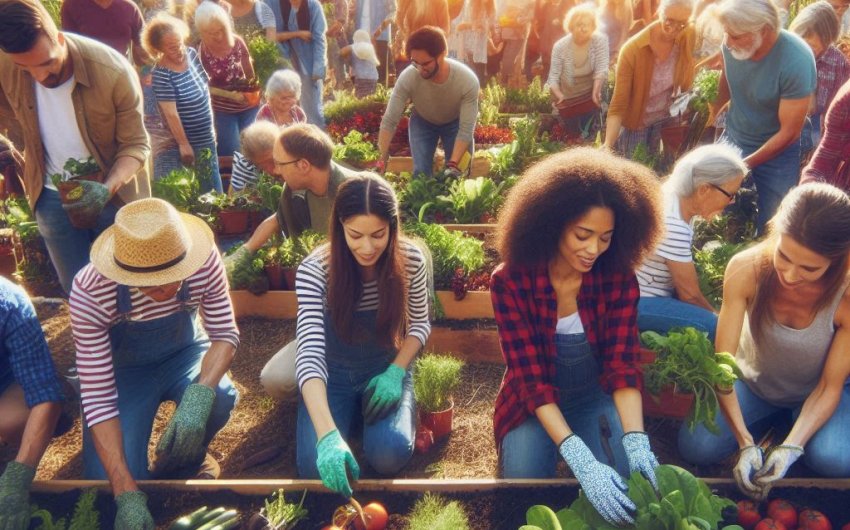
Dreaming of a shared green space where neighbors can grow fresh food, connect, and learn together? Learning how to start a community garden is an inspiring journey that can transform an unused patch of land into a thriving hub of connection, fresh produce, and shared knowledge. It's about much more than just gardening; it's about growing community.
Why is a Community Garden a Good Idea for My Neighborhood?
Community gardens offer a wealth of benefits that extend far beyond the vegetables grown. They become vibrant centers that foster stronger neighborhoods, improve well-being, and contribute to a more sustainable local food system.
Fosters Community Spirit and Connection
One of the most powerful aspects of a community garden is its ability to bring people together. It creates a shared purpose and a common space where neighbors, who might otherwise never interact, can meet, talk, and collaborate. This strengthens social ties, builds trust, and creates a more cohesive and supportive neighborhood environment. Regular garden workdays become social events, fostering lasting friendships. Consider a community garden planning guide to lay the groundwork.
Provides Access to Fresh, Healthy Food
In many areas, access to affordable, fresh produce can be limited, leading to "food deserts." A community garden can directly address this issue by providing a source of healthy, often organic, fruits, vegetables, and herbs. Gardeners can grow their own food, share harvests, and even donate surplus to local food banks, improving food security for everyone involved. A seed saving kit can help maintain food independence.
Promotes Health and Well-being
Gardening is a fantastic form of physical exercise, encouraging outdoor activity and movement. Beyond the physical benefits, spending time in nature and engaging in a productive hobby can significantly reduce stress, improve mental health, and provide a sense of accomplishment. It's a therapeutic activity that benefits both body and mind. A gardening tool set with ergonomic handles makes it more enjoyable.
Offers Educational Opportunities
A community garden serves as a living classroom. Gardeners, regardless of experience level, can learn from each other – from seasoned horticulturists to eager beginners. Topics range from organic pest control and composting to seed starting and plant identification. Workshops on gardening techniques, healthy cooking, or even environmental stewardship can also be organized. Books on organic gardening for beginners can be a great resource.
Revitalizes Underused Spaces
Vacant lots, neglected park areas, or even disused schoolyards can be transformed into vibrant, productive community assets. A community garden takes an eyesore and turns it into a beautiful, functional space that benefits the entire neighborhood, increasing property values and reducing blight.
Contributes to Environmental Sustainability
Community gardens promote sustainable practices such as composting, rainwater harvesting, and reducing reliance on chemical pesticides. They increase biodiversity, improve soil health, and can even help mitigate the "urban heat island effect" by adding more green space. A rain barrel for garden use is a practical addition.
What Are the First Steps to Take When Starting a Community Garden?
Starting a community garden can seem daunting, but breaking it down into manageable steps makes the process much clearer. The initial phases focus on building support and securing the foundation.
Step 1: Form a Core Group
Don't try to do it all yourself! The very first step is to gather a small group of passionate individuals who share your vision. This core group will be your driving force. Meet regularly to discuss ideas, delegate tasks, and maintain momentum. Look for people with diverse skills – some might be great at organizing, others at social media, and some with gardening experience. Begin by talking to neighbors, posting on local social media groups, or putting up flyers at community centers.
Step 2: Gauge Community Interest
Before diving deep, ensure there's enough local interest to sustain a garden. Hold an informational meeting or send out surveys to assess how many people would be willing to volunteer time, secure a plot, or simply support the idea. This also helps identify potential gardeners, leaders, and volunteers. A successful garden relies on consistent participation.
Step 3: Identify Potential Locations
Finding suitable land is often the biggest hurdle. Look for vacant lots, unused park space, schoolyards, church grounds, or even large private properties that might be available. Consider factors like sun exposure (at least 6-8 hours of direct sun per day), access to water, and proximity to potential gardeners. Check local zoning laws and urban planning documents. A site assessment checklist for gardens can guide your search.
Step 4: Secure Land and Permissions
Once you've identified a promising site, you'll need to secure permission to use it. This often involves contacting city officials (for public land), school boards, church leaders, or private landowners. Prepare a clear proposal outlining your vision, benefits to the community, proposed garden rules, and your plan for maintenance. Be ready to discuss liability insurance. Many municipalities have programs or contacts for community garden initiatives.
Step 5: Develop a Budget and Seek Funding
Starting a garden requires some upfront costs for soil, tools, fencing, water access, and possibly raised beds. Create a detailed budget. Look for funding opportunities through local grants (community foundations, environmental groups), corporate sponsorships, crowdfunding, or simply asking for donations from community members. Hosting small fundraising events can also build excitement. A grant writing guide for non-profits could be useful.
What Kind of Rules and Organization Does a Community Garden Need?
A well-run community garden thrives on clear guidelines and a democratic structure. Establishing rules early prevents misunderstandings and ensures a harmonious gardening experience for everyone.
Establish a Governance Structure
Decide how the garden will be managed. Most community gardens operate with a steering committee or board composed of volunteer gardeners. This group handles decision-making, plot assignments, maintenance schedules, and conflict resolution. Assign specific roles like garden coordinator, treasurer, and communications lead. Regular meetings are key for effective communication.
Create a Set of Garden Rules
Clear, written rules are essential. These should cover:
- Plot Assignment: How plots are assigned, size, and renewal process.
- Maintenance: Expectations for individual plot upkeep and common area maintenance.
- Water Usage: Rules around watering times and conservation.
- Pest and Disease Management: Often focusing on organic and shared approaches.
- Composting: Guidelines for what can be composted.
- Harvesting: Rules on what can be harvested from common areas vs. individual plots.
- Children and Pets: Rules regarding supervision and responsibility.
- Conflict Resolution: A process for addressing disagreements.
- Fees: Any annual membership or plot fees. Provide each gardener with a copy of these rules and ensure they understand and agree to them. A template for community garden rules can provide a starting point.
Membership and Fees
Decide on a membership structure. Will there be annual fees? Fees can help cover water costs, shared tools, or insurance. Be mindful of affordability to ensure the garden is accessible to everyone. If fees are charged, clearly explain what they cover. Consider offering reduced fees or work-trade options for those with financial limitations.
Communication Strategy
Effective communication is paramount. Establish clear channels for sharing information, announcing workdays, and discussing issues. This could include:
- A dedicated email list or messaging app group.
- A physical bulletin board at the garden site.
- Regular garden meetings.
- A social media page. A garden bulletin board at the site is always helpful.
Shared Tools and Resources
Decide whether the garden will have shared tools (shovels, rakes, wheelbarrows, hoses) or if gardeners are expected to bring their own. If shared, establish a system for borrowing, returning, and maintaining them. A lockable garden shed for shared tools is ideal.
What is Needed for the Physical Setup of a Community Garden?
Once you have land, people, and rules, it's time to get hands-on. The physical setup involves preparing the site to become a productive and welcoming garden.
Site Preparation
This is a critical step.
- Soil Testing: Before doing anything else, get the soil tested for nutrients and contaminants (especially if it's an old industrial site). Your local extension office can provide soil testing services. If contamination is found, consider raised beds.
- Clearing the Land: Remove any debris, weeds, or unwanted vegetation. This might involve manual labor, renting equipment, or even asking for volunteer help.
- Leveling: Ensure the plots are relatively level to prevent water pooling or runoff issues.
Water Access
Reliable access to water is non-negotiable for a garden. This might involve:
- Connecting to a municipal water source (requiring permits and payment).
- Installing a well.
- Setting up rain barrels to collect rainwater from a nearby building.
- Arranging for a temporary water truck delivery. Once you have a source, you'll need hoses and possibly a water timer for garden hose if individual plots are large.
Garden Beds (In-Ground or Raised)
Decide whether to use in-ground plots or raised garden beds.
- In-ground plots: More cost-effective initially but require good soil quality.
- Raised beds: Excellent for poor soil, better drainage, and accessibility, but more expensive to build. You can use untreated lumber, concrete blocks, or galvanized metal. Pre-made raised garden bed kits are available.
Soil and Amendments
If using in-ground plots, you'll likely need to amend the existing soil heavily with compost and organic matter to improve fertility and drainage. For raised beds, you'll need to fill them with a mix of topsoil, compost, and possibly some organic fertilizer. Investing in bulk organic compost is often the most economical.
Fencing
A fence is often necessary to protect the garden from pests (rabbits, deer, etc.) and vandalism. Consider the height needed for local wildlife and the overall aesthetics. A deer fence kit can be effective.
Common Area Features
Beyond the individual plots, consider features for shared use:
- Compost bins: A system for gardeners to deposit organic waste. A large garden compost bin is ideal.
- Tool shed: For storing shared tools.
- Paths: Clearly defined paths between plots using wood chips, gravel, or stepping stones.
- Seating area: A bench or picnic table for relaxation and socializing.
- Signage: Important for garden rules, plot numbers, and general information.
How Do I Manage the Garden and Its Gardeners Long-Term?
Starting the garden is a huge achievement, but long-term management is crucial for its continued success. It requires ongoing communication, problem-solving, and a commitment to community.
Regular Workdays and Meetings
Schedule regular, mandatory or highly encouraged, workdays where all gardeners contribute to the upkeep of common areas. These are also great opportunities for social interaction and problem-solving. Hold monthly or quarterly gardener meetings to discuss issues, share tips, and make collective decisions.
Conflict Resolution
Disagreements inevitably arise in any shared space. Establish a clear, fair conflict resolution process from the start. This might involve mediation by the steering committee or a designated "garden elder." The goal is to address issues calmly and respectfully, finding solutions that benefit the entire community.
Succession Planning
Community garden leadership often relies on volunteers, who can burn out or move away. Plan for succession by regularly encouraging new members to join the steering committee and learn the ropes. Document processes and important contacts to ensure a smooth transition of leadership.
Maintaining Communication
Keep lines of communication open and active. Use your established channels (email, bulletin board, meetings) to share updates, celebrate successes, and address challenges. Regular communication keeps everyone informed and engaged.
Education and Workshops
Continue to offer educational opportunities. Invite local experts to give talks on specific gardening topics, or have experienced gardeners share their knowledge. This keeps gardeners engaged and improves overall garden productivity. Workshops on pest control for organic gardens are always popular.
Celebrating Successes
Recognize and celebrate milestones and achievements, big or small! Host a potluck to share harvests, organize a "best plot" contest, or simply acknowledge individual contributions at meetings. Celebrating success reinforces positive behavior and strengthens community bonds.
Fundraising and Grant Seeking
Even after the initial setup, ongoing costs for water, tool replacement, or new projects will arise. Continue to seek grants, organize small fundraisers, or collect annual fees to ensure the garden's financial sustainability.
Community Outreach
Keep engaging with the wider community. Host open garden days, donate surplus produce to local food banks, or participate in local events. This helps maintain community support and attracts new gardeners. A local food bank directory can help identify donation sites.
By carefully planning, organizing, and fostering a spirit of cooperation, you can truly learn how to start a community garden that becomes a cherished asset for your neighborhood for years to come.