
Garden Gold: How to Make a Worm Composting Bin
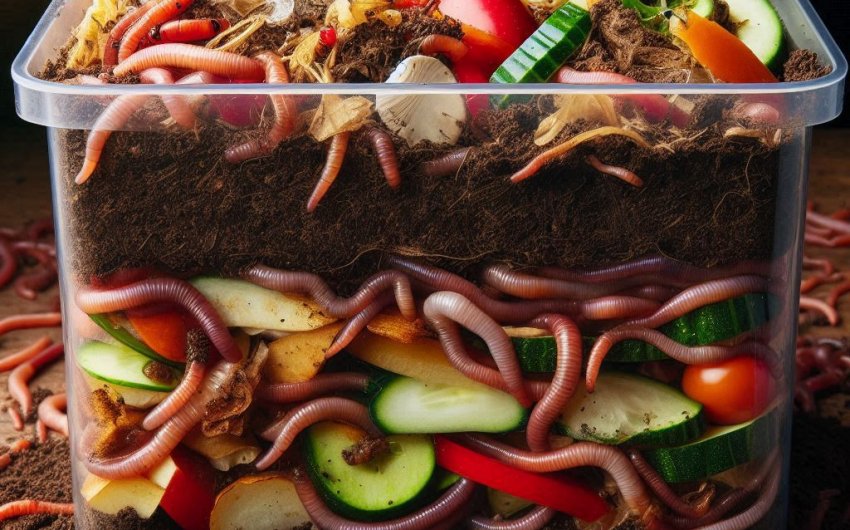
Are you looking for an efficient, eco-friendly way to turn your food scraps into nutrient-rich fertilizer for your plants? Learning how to make a worm composting bin is an incredibly rewarding and sustainable project. Vermicomposting, as it's known, allows busy red wiggler worms to do all the hard work, transforming kitchen waste into "black gold" for your garden.
Why Should I Start Worm Composting (Vermicomposting)?
Worm composting, or vermicomposting, is more than just a quirky hobby; it's a powerful and practical way to reduce waste, improve your garden, and contribute to a healthier planet.
Reduces Landfill Waste
Globally, a significant portion of household waste sent to landfills is organic material, like food scraps and yard waste. When this organic matter breaks down in landfills without oxygen, it produces methane, a potent greenhouse gas that contributes to climate change. By diverting your food scraps into a worm bin, you directly reduce the amount of waste sent to landfills and minimize methane emissions. It's a simple, everyday action with a big environmental impact.
Produces Nutrient-Rich Fertilizer (Worm Castings)
The primary product of vermicomposting is worm castings, also known as vermicompost. These are essentially worm poop, and they are incredibly valuable! Worm castings are a highly concentrated, nutrient-rich organic fertilizer that improves soil structure, aeration, and water retention. They also introduce beneficial microbes to the soil, promoting healthier, more vigorous plant growth. Unlike synthetic fertilizers, worm castings release nutrients slowly, preventing nutrient burn and supporting long-term soil health. You can even make a worm casting tea to water your plants.
Creates "Worm Tea" (Liquid Fertilizer)
As worms process organic matter, they also produce a liquid byproduct often called "worm tea" or leachate. This liquid drains to the bottom of many worm bin designs and can be collected. Diluted with water, it makes an excellent liquid fertilizer for houseplants and outdoor gardens, providing a quick nutrient boost. Just be sure it's true leachate (from drainage), not just water, as undiluted leachate can be too strong. A worm bin spigot simplifies collection.
Low Odor and Pest-Resistant (When Done Right)
One common misconception is that worm bins are smelly or attract pests. When a worm bin is properly managed with the right balance of materials and moisture, it should have a pleasant, earthy smell, or no smell at all. If it smells sour or putrid, it's a sign of a problem (usually too much wet food waste or not enough air). By burying food scraps and maintaining correct conditions, you can largely avoid attracting flies or rodents.
Space-Efficient and Indoor-Friendly
Unlike traditional outdoor compost piles, worm bins are compact and can be kept indoors, such as in a kitchen, basement, garage, or even an apartment. They don't require a large yard, making them ideal for urban dwellers. This indoor capability means you can compost food scraps year-round, regardless of weather conditions. A stackable worm bin system saves even more space.
Educational and Engaging
Vermicomposting is a fantastic way to teach children (and adults!) about natural decomposition, waste reduction, and the interconnectedness of ecosystems. Observing the worms at work is fascinating and can spark an interest in environmental stewardship and gardening. A worm farm for kids is a fun educational tool.
What Do I Need to Build a Simple Worm Composting Bin?
Building a basic worm composting bin can be surprisingly simple and cost-effective, often utilizing materials you might already have around your home.
1. Two Opaque Plastic Bins with Lids
You'll need two identical opaque plastic bins, ideally around 10-15 gallons (38-57 liters) in size. Opaque (not see-through) bins are better because worms prefer dark environments. The bins should have tight-fitting lids to keep pests out and moisture in. Common storage totes with lids work perfectly.
2. A Drill with a Small Drill Bit (1/4 to 1/2 inch)
A drill is essential for creating drainage and ventilation holes. A drill bit size between 1/4 inch and 1/2 inch (6-13 mm) is suitable for making adequate holes without being too large for worms to escape.
3. A Brick or Wooden Blocks (Optional)
You'll need something to elevate the bottom bin to allow space for the "worm tea" to collect. Bricks, wooden blocks, or even thick plastic containers work well. These provide stability and clearance.
4. Bedding Material
The bedding is the habitat for your worms and the initial "brown" material for composting. Good options include:
- Shredded Newspaper or Cardboard: Tear newspaper (non-glossy, black and white pages are best) or plain cardboard (like cereal boxes or paper towel rolls) into strips. Avoid glossy paper.
- Coconut Coir: A sustainable and moisture-retentive option.
- Straw or Dried Leaves: Ensure they are free of pesticides. You'll need enough to fill your bin about half to two-thirds full. A paper shredder for home use can make quick work of paper.
5. Red Wiggler Worms (Eisenia fetida)
This is the most crucial ingredient! You cannot use ordinary garden earthworms; they don't thrive in the confined, food-rich environment of a compost bin. You need red wiggler worms (Eisenia fetida or sometimes Eisenia andrei). You can purchase them online from worm farms, at bait shops, or from local compost enthusiasts. Start with at least one pound of worms (approximately 1,000 worms) for a typical bin. A live red wiggler worm starter kit usually comes with instructions.
6. Food Scraps (for later!)
Once your bin is set up, you'll be feeding your worms food scraps. Keep a small container in your kitchen for collecting items like fruit and vegetable peels, coffee grounds, tea bags, and stale bread. A kitchen compost pail makes collecting easy.
What are the Steps to Make a Simple Two-Bin Worm Composting System?
This popular and easy-to-build design uses two identical plastic bins and is perfect for beginners learning how to make a worm composting bin.
Step 1: Prepare the Bottom Bin (Collection Bin)
Take one of your opaque plastic bins. This will be the collection bin for the "worm tea" (leachate). This bin does not need any holes drilled into it. Place it in the location where you plan to keep your worm bin, on the ground or on a stable surface. Elevate this bottom bin using bricks or blocks, creating a space underneath it to place a container (like an old yogurt cup or small tray) to catch any draining liquid.
Step 2: Prepare the Top Bin (Working Bin)
This is where the magic happens! Take the second opaque plastic bin.
- Drill Drainage Holes: Drill 8-12 holes in the bottom of this bin, evenly spaced. These holes (1/4 to 1/2 inch) will allow excess moisture to drain into the collection bin below and allow worms to move between bins if you add more layers later.
- Drill Ventilation Holes: Drill about 15-20 holes in the lid of this bin, and another 10-15 holes around the top few inches of the sides of the bin. These smaller holes (1/4 inch or slightly smaller) provide essential airflow for the worms and help prevent anaerobic (oxygen-lacking) conditions, which can cause odors. A power drill makes quick work of this.
Step 3: Prepare the Bedding
The bedding is the home for your worms.
- Moisten Bedding: In a separate container, thoroughly moisten your chosen bedding material (shredded newspaper, cardboard, coconut coir, etc.) with water. It should be as damp as a wrung-out sponge – wet but not dripping. Too wet and the worms might drown; too dry and they won't thrive.
- Fluff and Place: Fluff up the moistened bedding to ensure good aeration. Fill the prepared top bin (the one with holes) about halfway to two-thirds full with this damp, fluffed bedding.
Step 4: Add Your Worms
Gently place your red wiggler worms on top of the bedding in the working bin. Leave the lid off for a few minutes. Worms are sensitive to light and will naturally burrow down into the bedding to escape it. This is a good sign that they are settling in. Do not feed them food scraps immediately; let them acclimate for a day or two.
Step 5: Place the Working Bin on the Collection Bin
Once the worms have burrowed, place the lid securely on the working bin. Then, place the working bin directly on top of the elevated collection bin. Your two-bin worm composting system is now assembled and ready for its first meal!
How Do I Care for My Worm Composting Bin and What Do I Feed My Worms?
Proper care and feeding are key to a thriving worm bin and successful vermicomposting. Understanding what your worms like (and dislike) will keep them happy and productive.
What to Feed Your Worms (Greens)
Worms primarily eat "green" materials – fresh, nitrogen-rich food scraps. They consume these organic materials as they decompose, so cutting them into smaller pieces will speed up the process. Good worm food includes:
- Fruit and Vegetable Scraps: Apple cores, banana peels, melon rinds, leafy greens, carrot tops, potato peels, non-citrus fruit scraps (citrus can be acidic in large quantities).
- Coffee Grounds and Tea Bags: Excellent worm food. Remove staples from tea bags.
- Bread and Grains (in moderation): Stale bread, pasta, rice. Avoid large quantities as they can become moldy and smelly.
- Crushed Eggshells: Provide grit for the worms' gizzards, helping them digest food.
What NOT to Feed Your Worms
Just as important as knowing what to feed is knowing what to avoid. These items can attract pests, create odors, or harm your worms:
- Meat, Bones, and Dairy Products: Attract rodents and flies, and produce foul odors as they decompose.
- Oily or Greasy Foods: Can create anaerobic conditions and attract pests.
- Citrus Peels in Large Quantities: Can make the bin too acidic. Small amounts are fine.
- Onions and Garlic: Can repel worms or create strong odors. Small amounts are generally okay.
- Pet Waste: Contains pathogens harmful to humans and worms.
- Heavily Processed Foods: High in salt, sugar, or preservatives that aren't good for worms.
- Diseased Plants: Can spread plant diseases.
How to Feed Your Worms
- Start Small: For the first week or two, feed your worms sparingly, perhaps 1/4 to 1/2 pound of scraps (about a handful). Let them get used to their new home.
- Bury the Food: Always bury the food scraps in the bedding. Dig a small hole, place the food in, and cover it completely with bedding. This helps prevent fruit flies and odors. Rotate where you bury the food each time.
- Chop It Up: Smaller pieces of food break down faster, so chop or tear larger scraps into smaller chunks.
- Don't Overfeed: The biggest mistake is overfeeding. If you see a lot of uneaten food, reduce the amount you're adding. Worms can eat about half their body weight in food per day, but this varies. If you started with one pound of worms, they can process about half a pound of food daily once established.
- Monitor Conditions: Regularly check the bin's moisture. It should be consistently damp like a wrung-out sponge. If too dry, mist with water. If too wet, add more dry bedding material (shredded newspaper or cardboard).
Ideal Conditions for Your Worm Bin
- Temperature: Red wigglers thrive in temperatures between 55-77°F (13-25°C). Avoid extreme heat or cold. This makes indoor placement ideal.
- Moisture: Maintain consistent moisture (like a wrung-out sponge). Too wet leads to odors and anaerobic conditions; too dry slows down decomposition.
- Airflow: The ventilation holes you drilled are crucial. Don't compact the bedding. Fluff it periodically if it seems compressed.
- Darkness: Worms prefer dark environments, so keep the lid on your bin.
When and How Do I Harvest Worm Castings from My Bin?
Harvesting the finished worm castings is the exciting culmination of your worm composting efforts. There are a few methods to separate the precious castings from the worms.
When to Harvest
You'll know it's time to harvest when:
- The bin is mostly filled with dark, earthy-smelling, crumbly material, with very few recognizable food scraps.
- The material is no longer clumpy but appears more like rich soil.
- You see fewer worms in the upper layers, as they tend to congregate where the fresh food is. Harvesting typically occurs every 3-6 months, depending on the size of your bin and the amount of food scraps you add.
Harvesting Methods
Here are two common and effective methods for separating worms from castings:
1. The Migration Method (Side-to-Side or Up-and-Down)
This is the most popular method for multi-level bins or large single bins.
- Side-to-Side: Push all the existing finished compost and worms to one side of the bin. On the empty side, add fresh, moist bedding and a new batch of food scraps. Over the next few weeks, the worms will gradually migrate to the fresh food and bedding. Once most worms have moved, you can scoop out the finished castings from the original side.
- Up-and-Down (for multi-level systems): If you built a multi-level stacking system (where bins stack on top of each other with holes in the bottom of upper bins), this is easy. Once the bottom working bin is full of castings, start adding new food and bedding to the bin directly above it. The worms will migrate upwards through the holes to the new food source. Once the top bin is active, the bottom bin will contain mostly worm-free castings, ready for harvest.
2. The Light Method (for Single Bins)
This method takes advantage of worms' aversion to light.
- Spread the Castings: Empty the entire contents of your bin onto a plastic tarp or a large sheet of cardboard in a brightly lit area (indoors or outdoors on a sunny day).
- Cone Shape: Form the material into several small cone-shaped piles.
- Scrape Layers: Wait 10-15 minutes. The worms will burrow downwards to escape the light. Carefully scrape off the top layers of finished castings from the outside of the cone, revealing the worms hiding deeper inside.
- Repeat: Continue scraping layers and waiting until you're left with mostly worms at the bottom of the piles. Collect the worms and return them to your freshly prepared bin with new bedding. The collected castings are ready for use.
What Are the Best Ways to Use Worm Castings and Worm Tea?
Once you've harvested your precious worm castings and collected your worm tea, you have two powerful natural fertilizers at your disposal to boost your plants' health and vigor.
Using Worm Castings
Worm castings are a gentle, slow-release fertilizer that won't burn your plants.
- Top Dressing: Sprinkle a layer of worm castings (1/2 to 1 inch thick) around the base of your established plants, both in pots and in the garden. Gently work it into the top layer of soil. This provides a continuous supply of nutrients as the plant is watered.
- Mixing into Potting Soil: When repotting plants or making your own potting mix, incorporate worm castings at a ratio of 10-20% of the total soil volume. For example, for every 10 cups of potting mix, add 1-2 cups of worm castings. This provides a nutrient boost for new plantings. A soil scoop can help with mixing.
- Seed Starting: A small amount of worm castings (around 10% of the mix) can be added to your seed-starting mix. The gentle nutrients can help improve germination rates and give seedlings a strong start.
- Transplanting: When transplanting seedlings or young plants, add a handful of worm castings to the bottom of the planting hole before placing the plant. This gives the roots direct access to nutrients.
- Lawns: Broadcast worm castings evenly over your lawn in spring or fall, then water them in. This improves turf health and resilience. A handheld seed spreader can aid even distribution.
Using Worm Tea (Leachate)
The liquid collected at the bottom of your bin (leachate) is a concentrated nutrient solution.
- Dilution is Key: Always dilute worm tea before using it. A common ratio is 1 part worm tea to 10 parts water, but you can go up to 1:20 if it's very dark. It's better to be too dilute than too concentrated.
- Foliar Spray: Use diluted worm tea as a foliar spray on plant leaves. This can help deliver nutrients directly to the plant and may even offer some pest and disease resistance. Use a garden sprayer for even coverage.
- Soil Drench: Water your plants with diluted worm tea. This provides a quick boost of readily available nutrients to the roots. It's particularly beneficial for hungry plants during their growing season.
- Use Fresh: Worm tea is best used fresh, ideally within 24-48 hours of collection, as beneficial microbes can die off over time. Store it in a loosely covered container to allow for air circulation.
Both worm castings and worm tea are fantastic organic ways to nourish your garden, contributing to stronger plants, healthier soil, and a more sustainable approach to gardening, all thanks to your diligent red wigglers!
What Are Common Problems with Worm Composting and How Do I Fix Them?
While learning how to make a worm composting bin and maintaining it is generally straightforward, problems can sometimes arise. Knowing how to troubleshoot common issues will help keep your worms healthy and your bin productive.
Odor
A healthy worm bin should smell earthy or have no smell at all. A sour, rotten, or putrid smell indicates a problem.
- Cause: Usually too much food, especially wet, nitrogen-rich scraps, leading to anaerobic conditions (lack of oxygen). Too much moisture.
- Fix: Stop adding food for a few days. Gently aerate the bin by fluffing the bedding. Add more dry "brown" bedding material (shredded newspaper or cardboard) to absorb excess moisture and balance the carbon-to-nitrogen ratio. Bury food scraps more thoroughly.
Fruit Flies
Small fruit flies can be annoying but are generally harmless to the worms.
- Cause: Exposed food scraps, overfeeding, or introducing fruit with fly eggs already on them.
- Fix: Always bury food scraps completely under the bedding. Reduce the amount of food you're adding. If flies persist, you can cover the top of the bedding with a damp sheet of newspaper or a layer of fresh, dry bedding. Avoid bringing in overripe fruit.
Worms Escaping (Trying to Leave the Bin)
If you find worms crawling up the sides of the bin or trying to escape, it's a sign they are unhappy with the conditions.
- Cause: Too wet, too dry, too much food, not enough air, or unsuitable temperatures (too hot or too cold).
- Fix: Check moisture levels (should be like a wrung-out sponge). Adjust feeding amounts. Fluff the bedding for better aeration. Check the temperature of the bin. Ensure the bin is in a dark, quiet location. Once conditions improve, the worms will typically burrow back down.
Too Much Moisture / Soggy Bin
Excess moisture leads to anaerobic conditions and can drown worms.
- Cause: Too much wet food waste, not enough dry bedding, or insufficient drainage holes.
- Fix: Stop adding wet food. Add a generous amount of dry, shredded newspaper or cardboard to absorb the moisture. Gently mix it in. Ensure drainage holes are not clogged. You might need to add more holes.
Too Dry Bedding
Worms need moisture to breathe and move.
- Cause: Not enough moist food, too much dry bedding, or insufficient regular misting.
- Fix: Gently mist the bedding with water until it feels like a wrung-out sponge. If the worms are not digesting food, it could be due to dryness. Add more moisture-rich food.
Ants
Ants are typically attracted to sugar or protein in the bin.
- Cause: Exposed food, especially sugary fruits, or a very dry bin.
- Fix: Bury all food scraps completely. Ensure the bin is adequately moist (ants don't like damp conditions). If the bin is on legs, place the legs in shallow trays of water to create a moat.
Other Pests (Mice, Rats, Cockroaches)
These are rare with proper management but can occur.
- Cause: Leaving meat, dairy, or oily foods exposed, or a bin that is not completely sealed.
- Fix: Never add prohibited food items. Ensure your bin has a tight-fitting lid and no large gaps or cracks. If you suspect an infestation, temporarily stop adding food and consider moving the bin.
By paying attention to these common issues and promptly addressing them, you'll be well on your way to maintaining a thriving and productive worm composting system, getting the best possible "black gold" from your efforts in learning how to make a worm composting bin.