
Grow Anywhere: Tips for Successful Container Gardening
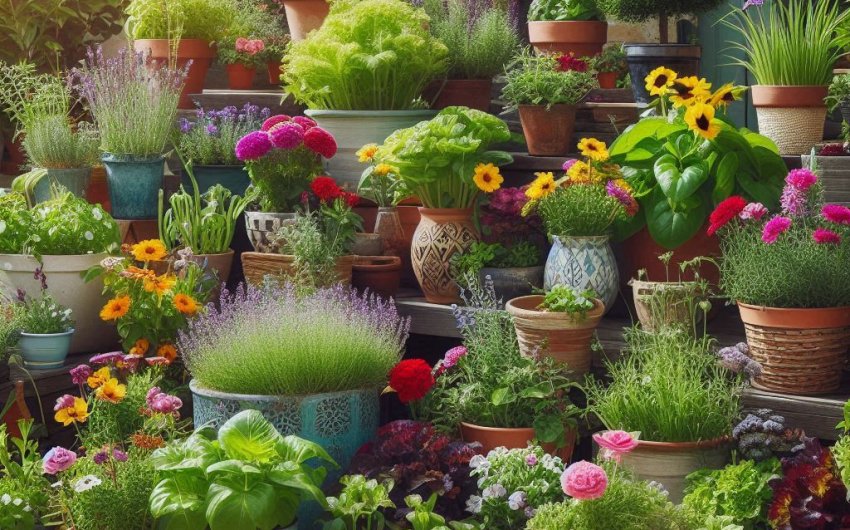
Do you dream of fresh produce and beautiful blooms, but have limited yard space, poor soil, or live in an apartment? Learning effective tips for successful container gardening can turn your balcony, patio, or even a sunny windowsill into a flourishing oasis. With the right know-how, you can grow a surprising variety of plants in pots, bringing the joy of gardening to any small space.
Why Choose Container Gardening?
Container gardening offers unique advantages that make it an attractive option for many aspiring and experienced gardeners alike. Its flexibility and adaptability solve many common gardening challenges.
Space Limitations
Perhaps the most obvious benefit, container gardening allows you to grow plants in tiny spaces where traditional in-ground beds aren't possible. Balconies, small patios, rooftops, fire escapes, and even indoor windowsills can become productive gardening areas. This means apartment dwellers and those with limited yard space can still enjoy fresh herbs, vegetables, and flowers. A vertical garden planter can maximize small areas.
Poor Soil or No Soil at All
If your native soil is rocky, heavy clay, sandy, or contaminated, container gardening sidesteps these issues entirely. You provide the perfect growing medium from scratch, ensuring your plants get the ideal start without wrestling with difficult ground conditions. This is especially useful in urban environments where natural soil might be compromised. A bag of organic potting mix eliminates soil worries.
Mobility and Flexibility
Potted plants can be moved! This is incredibly beneficial. You can:
- Chase the sun: Move plants to get optimal light throughout the day or as seasons change.
- Protect from extreme weather: Bring sensitive plants indoors during frosts, severe storms, or intense heatwaves.
- Rearrange for aesthetics: Easily change your garden layout for parties or new design ideas.
- Manage pests/diseases: Isolate affected plants to prevent spread. A plant caddy with wheels makes moving heavy pots easy.
Reduced Weeding and Pest Control
Compared to in-ground gardens, container gardens typically have significantly fewer weeds, as you're starting with sterile potting mix. Pest and disease issues can also be easier to spot and manage in a contained environment, often allowing for targeted treatment.
Accessibility
For individuals with mobility challenges or those who prefer not to bend and kneel, raised containers or elevated garden beds make gardening much more accessible and comfortable. You can garden at waist height, reducing strain on your back and knees. Raised planter boxes for patios are excellent for this.
Aesthetic Appeal and Design
Containers offer endless possibilities for creative expression. You can choose pots that match your home's decor, create stunning multi-plant arrangements, or use unique upcycled items as planters, adding pops of color and life to any outdoor or indoor space.
Which Plants Grow Best in Containers?
While almost any plant can be grown in a container, some are particularly well-suited to this environment and offer the best chances for a bountiful harvest or beautiful display. Choosing the right varieties is one of the top tips for successful container gardening.
Vegetables
Many vegetables thrive in pots, especially compact or "bush" varieties.
- Herbs: Basil, mint, rosemary, thyme, oregano, parsley, chives, and cilantro are all excellent choices for pots. A small pot of fresh herbs is a must for any kitchen. An indoor herb garden kit is a great start.
- Leafy Greens: Lettuce (especially loose-leaf varieties), spinach, Swiss chard, and kale grow beautifully in containers. They are quick to harvest and can be succession planted.
- Tomatoes: Look for bush or determinate varieties, or those specifically bred for containers, such as 'Patio Princess', 'Tiny Tim', or ' determinate cherry tomato'. Large pots (5-10 gallons) are essential. A 5-gallon grow bag is perfect.
- Peppers: Both bell peppers and hot peppers do well in containers. They need warmth and plenty of sun.
- Bush Beans: Look for bush varieties rather than pole beans, as they don't require trellising.
- Radishes and Carrots: Choose shorter, rounder varieties for containers (e.g., 'Paris Market' carrots).
- Potatoes: Can be grown in large containers, grow bags, or specialized potato bags.
- Eggplant: Compact eggplant varieties, like 'Fairy Tale', thrive in large pots.
- Cucumbers: Bush varieties or vining types that can be trellised vertically in a large pot.
Flowers
Almost any annual flower will perform well in a container, adding bursts of color.
- Petunias: Trailing varieties are excellent for hanging baskets or cascading over pot edges.
- Marigolds: Easy to grow, come in various sizes, and can even deter some pests.
- Impatiens: Perfect for shadier spots, providing continuous blooms.
- Geraniums: Classic, vibrant, and tolerant of drier conditions.
- Nasturtiums: Edible flowers and leaves, great for trailing.
- Calibrachoa (Million Bells): Similar to petunias but with smaller, more abundant flowers.
- Vining Flowers: Sweet peas or morning glories can be grown in large pots with a small trellis.
Small Fruits
- Strawberries: Especially "everbearing" or "day-neutral" varieties, which produce fruit throughout the season. They do well in strawberry pots or hanging baskets.
- Blueberries: Require very acidic soil, making containers ideal for providing their specific needs. Choose compact varieties.
- Dwarf Citrus: Some dwarf lemon, lime, or kumquat trees can be grown in large containers and brought indoors in winter in colder climates.
When selecting plants, always read the plant tags or seed packets to check for terms like "bush," "dwarf," "compact," or "container-friendly" to ensure they are well-suited for confined spaces. A good container gardening book can provide more detailed plant lists.
What Are the Key Elements for Container Gardening Success?
Achieving lush and productive container gardens relies on paying attention to a few crucial elements: the right container, the best soil, proper watering, and timely feeding. These are fundamental tips for successful container gardening.
1. Choosing the Right Container
The container is more than just a decorative item; it's critical for plant health.
- Size Matters: The size of the pot must match the mature size of the plant. Small plants like herbs can start in 6-8 inch pots, but a tomato plant needs at least a 5-gallon container (or larger) to thrive. Larger pots hold more soil, which means more moisture and nutrients, and less frequent watering.
- Drainage Holes are Non-Negotiable: Every container must have drainage holes at the bottom. Without them, water will pool, leading to root rot and plant death. If your chosen container doesn't have holes, drill them yourself. Don't rely on a layer of gravel at the bottom; it doesn't improve drainage and actually reduces the soil volume available to roots.
- Material:
- Terra Cotta/Clay: Porous, allowing roots to breathe, but dry out quickly. Good for succulents and plants that prefer drier conditions.
- Plastic: Retains moisture well, lightweight, and affordable. Can look less attractive over time.
- Fabric Grow Bags: Excellent aeration, promote air pruning of roots, and prevent plants from becoming root-bound. Lightweight and durable. A variety pack of grow bags is a versatile choice.
- Glazed Ceramic/Concrete: Heavy, good for stability, retain moisture well, and look beautiful.
- Wood: Natural look, provides good insulation. Can rot over time if not treated. Choosing a self-watering planter can also be a game-changer for busy gardeners.
2. Using High-Quality Potting Mix
Forget garden soil! It's too heavy and compacted for containers.
- Use Potting Mix: Always use a high-quality potting mix (also called potting soil or container mix). These are specially formulated to be lightweight, well-draining, and provide adequate aeration for roots in a confined space.
- Components: Potting mixes typically contain peat moss, coco coir, perlite, vermiculite, and a starter fertilizer. Perlite and vermiculite are crucial for drainage and aeration.
- No Garden Soil: Garden soil will compact in pots, suffocating roots and hindering drainage. It can also introduce pests, diseases, and weed seeds.
- Avoid Fillers: Don't add gravel, rocks, or broken pot pieces to the bottom of the pot. This creates a "perched water table" where water pools above the layer, potentially causing more root rot. Just use potting mix all the way to the bottom. A large bag of all-purpose potting mix is essential.
3. Proper Watering Techniques
Container plants dry out much faster than in-ground plants. Watering is probably the most critical factor.
- Frequency: Check your plants daily, especially in hot, sunny, or windy weather. Stick your finger an inch or two into the soil; if it feels dry, it's time to water.
- Thoroughness: Water until you see water draining from the bottom holes. This ensures the entire root ball is moistened.
- Time of Day: Water in the morning to allow plants to absorb moisture before the heat of the day, reducing evaporation.
- Avoid Overhead Watering: Try to water the soil directly to prevent fungal diseases on leaves. A watering can with a long spout or a soaker hose for containers is ideal.
- Hydrogels/Water Crystals (Optional): For very dry climates or very thirsty plants, consider mixing water-retaining crystals for plants into your potting mix.
4. Consistent Fertilization
Since containers are filled with a limited amount of soil, nutrients are quickly used up by the plants or leached out with watering.
- Regular Feeding: Start feeding your plants about 2-4 weeks after planting (or according to your potting mix's instructions if it includes a slow-release fertilizer).
- Fertilizer Type: Use a balanced liquid fertilizer (like 5-10-5 or 10-10-10) or a slow-release granular fertilizer. Follow product instructions carefully for dilution and frequency. Organic options like fish emulsion or seaweed extract are also great. A liquid organic fertilizer for vegetables is easy to use.
- Frequency: Liquid fertilizers might be applied every 1-2 weeks, while slow-release fertilizers last for several months. Adjust based on plant needs and growth.
How Can I Manage Sunlight and Temperature for Container Plants?
Controlling the environment is a major advantage of container gardening. Understanding how to manage light and temperature is among the most important tips for successful container gardening.
Understanding Sunlight Needs
- Full Sun: Most fruiting vegetables (tomatoes, peppers, cucumbers) and many flowers require at least 6-8 hours of direct sunlight per day. Place these pots in your brightest spot.
- Partial Sun/Shade: Some leafy greens (lettuce, spinach) and many flowers (impatiens, begonias) do well with 4-6 hours of direct sun, especially morning sun, or dappled shade during the hottest part of the day.
- Low Light: Very few edibles thrive in low light, but some herbs like mint or parsley can tolerate less direct sun. For flowers, consider shade-loving annuals.
Moving Containers to Optimize Light
The beauty of containers is their mobility.
- Seasonal Adjustments: As the sun's angle changes throughout the seasons, your optimal sunny spots might shift. Move plants to ensure they're always getting enough light.
- Daily Movement: For very sun-hungry plants, if you have a patio that gets sun at different times of the day, you can literally "chase the sun" by moving pots a few feet morning, noon, and afternoon.
Managing Temperature Extremes
- Heat Stress: In very hot climates, dark-colored containers can absorb a lot of heat, potentially cooking roots. Consider lighter-colored pots, placing them in partial shade during peak heat, or wrapping them in burlap to insulate. Grouping pots together can also create a cooler microclimate.
- Cold Protection: The number one benefit of container mobility. When frost threatens, simply bring sensitive plants indoors (into a garage, basement, or living space) until the danger passes. For prolonged cold, many perennial plants in pots might need to be moved to a protected, unheated space or wrapped with burlap garden wrap to prevent root freezing.
- Winter Storage: For tender perennials (like many herbs, geraniums, or small citrus) that won't survive winter outdoors in your zone, pots allow you to overwinter them indoors. A mini greenhouse for patios can extend your growing season.
How Can I Prevent Pests and Diseases in My Container Garden?
While containers offer some advantages in pest and disease management, they are not immune. Proactive measures and quick action are essential among the tips for successful container gardening.
Start with Healthy Plants and Sterile Soil
- Inspect New Plants: Before bringing any new plant home, thoroughly inspect it for signs of pests (tiny bugs, sticky residue, chewed leaves) or diseases (spots, discoloration). Isolate new plants for a week or two if you're unsure.
- Use Fresh Potting Mix: Always use fresh, sterile potting mix. Reusing old potting mix can harbor disease pathogens and insect eggs.
Promote Good Air Circulation
- Space Plants Properly: Don't cram too many plants into one container, and ensure adequate space between pots. Good airflow helps prevent fungal diseases.
- Prune Appropriately: Remove dead or yellowing leaves to improve circulation within the plant canopy. A good pair of gardening pruners is essential.
Proper Watering Practices
- Avoid Wet Leaves: Water the soil directly rather than wetting the leaves, especially in the evening. Wet foliage overnight can encourage fungal diseases.
- Don't Overwater: Soggy soil stresses plants, making them more susceptible to disease. It also creates ideal conditions for fungus gnats.
Monitor Regularly
- Daily Checks: Make it a habit to check your plants daily. Look for discolored leaves, wilting, holes, or the presence of any insects. Early detection is key.
- Check Undersides of Leaves: Many pests, like spider mites and aphids, hide on the undersides of leaves.
Natural Pest Control Methods
If you spot pests, try these eco-friendly approaches first:
- Hand-Picking: For larger pests like slugs or caterpillars, simply pick them off and dispose of them.
- Strong Water Spray: A forceful spray of water from a hose can dislodge aphids, spider mites, and whiteflies.
- Insecticidal Soap: For more persistent infestations, an organic insecticidal soap (made for plants) can be very effective against soft-bodied insects. Always follow label directions.
- Neem Oil: A natural botanical extract that acts as an insect repellent and growth regulator. A neem oil spray for plants is a good all-purpose option.
- Beneficial Insects: Introduce ladybugs or lacewings (often available online) to naturally control pests.
Crop Rotation (Even in Pots)
If you're growing vegetables, try not to plant the same type of vegetable in the same container season after season, especially if you've had disease issues. This helps break disease cycles. Empty the old soil and replenish with fresh potting mix.
What Are Some Creative and Advanced Tips for Container Gardening?
Beyond the basics, there are many innovative tips for successful container gardening that can elevate your experience, save space, and boost productivity.
Vertical Gardening
Maximize your growing space by going up!
- Tiered Planters: Use stackable planters to grow multiple plants in a small footprint.
- Wall Planters: Mount planters directly onto walls or fences to create living art.
- Pallet Gardens: Upcycle old pallets into vertical growing structures.
- Trellises: For vining plants like cucumbers, pole beans, or small gourds, add a mini trellis for pots to large containers.
Succession Planting
Don't let your pots sit empty! As soon as one plant finishes producing, remove it and immediately plant something new. This is perfect for leafy greens like lettuce and spinach, or radishes, allowing you to harvest continuously throughout the growing season. A seed starting kit helps you have new plants ready.
Companion Planting
Just like in traditional gardens, some plants benefit each other when grown together.
- Pest Deterrence: Marigolds can help deter nematodes; basil can repel flies.
- Attracting Pollinators: Plant flowering herbs or small annuals alongside your vegetables to attract bees and other beneficial insects.
- Improved Growth: Some combinations are believed to improve growth or flavor.
Self-Watering Systems
For busy gardeners or those who travel, self-watering planters or DIY irrigation systems can be a lifesaver.
- Wick Systems: Some pots have a reservoir at the bottom and a wick that draws water up into the soil.
- Drip Irrigation: A simple container garden drip irrigation kit can be set up to deliver water slowly and consistently to multiple pots.
Upcycling Containers
Get creative with your planters! Old tires (check for chemicals), plastic buckets (drill holes!), wooden crates, or even sturdy laundry baskets lined with fabric can be transformed into unique and functional containers. Just ensure they are food-safe if growing edibles. A heavy-duty utility knife is useful for creating drainage holes in plastic.
Overwintering Tender Perennials
For plants that won't survive outdoor winters in your climate (like many perennial herbs, geraniums, or small citrus trees), containers allow you to bring them indoors. Provide them with a cool, bright spot (or supplemental plant grow lights) and reduce watering during their dormant period.
Creating Microclimates
Group pots together to create a localized microclimate. This can help increase humidity for moisture-loving plants or provide shade for others. Larger groups of pots can also stay cooler in extreme heat than isolated ones.
By applying these practical tips for successful container gardening, you'll soon discover the immense satisfaction of growing your own fresh food and enjoying beautiful botanical displays, no matter how small your space may be.