
Healthy Harvests: How to Deal with Common Garden Diseases
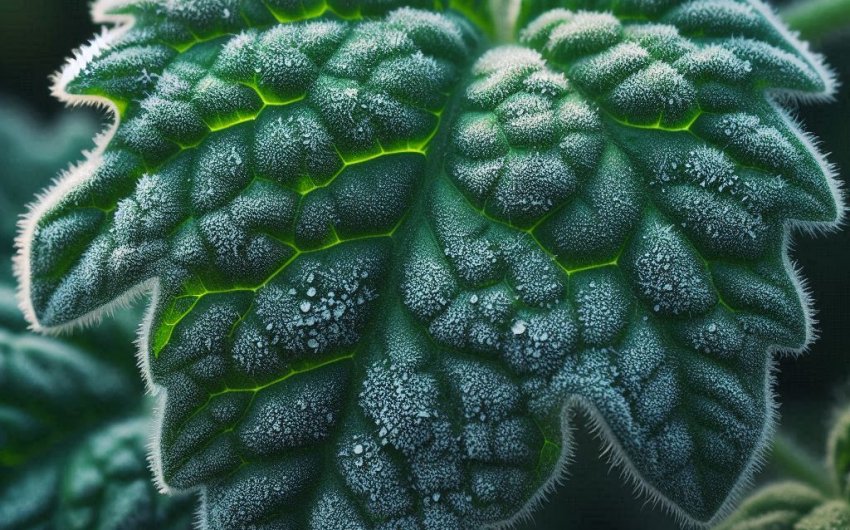
Even the most dedicated gardener can face the frustrating challenge of plant diseases. Recognizing early symptoms and knowing how to deal with common garden diseases is crucial for maintaining a healthy and productive garden. With the right strategies, you can protect your plants, prevent spread, and ensure a bountiful harvest.
What Causes Garden Diseases?
Understanding the root causes of plant diseases is the first step in effective management. Most garden diseases are caused by microscopic organisms, and their development is heavily influenced by environmental conditions.
Pathogens
The primary culprits behind most plant diseases are pathogens. These are living organisms that cause harm to plants. The main types include:
- Fungi: The most common cause of plant diseases. Fungi reproduce via spores that spread through wind, water, or tools. They cause issues like powdery mildew, rust, and blight.
- Bacteria: Tiny single-celled organisms that can enter plants through wounds or natural openings. They cause bacterial spots, blights, and galls.
- Viruses: Even smaller than bacteria, viruses are microscopic infectious agents that invade plant cells and use the plant's own machinery to reproduce. They often cause stunted growth, mosaic patterns on leaves, and distorted fruits. Viruses are typically spread by insects (like aphids) or infected tools.
- Nematodes: Microscopic roundworms that live in the soil and attack plant roots, causing galls, stunted growth, and nutrient deficiencies. A soil testing kit can sometimes identify nematodes.
Environmental Conditions
Even with pathogens present, diseases often only become severe when environmental conditions favor their development.
- High Humidity and Prolonged Wetness: Many fungal diseases, like powdery mildew and blight, thrive in moist conditions. Wet leaves provide the perfect breeding ground for spores.
- Poor Air Circulation: Crowded plants create stagnant air, increasing humidity around foliage and making it easier for fungal spores to settle and grow.
- Nutrient Imbalances: Both nutrient deficiencies and excesses can weaken plants, making them more susceptible to disease.
- Stress: Plants under stress from drought, overwatering, extreme temperatures, or physical damage are less able to defend themselves against pathogens.
- Contaminated Soil: Pathogens can live in the soil, especially if crop rotation is not practiced or if infected plant debris is left in the garden.
- Contaminated Tools: Unsterilized gardening tools can transfer pathogens from one plant to another.
How Can I Prevent Garden Diseases Before They Start?
Prevention is always the best strategy when it comes to plant diseases. Implementing good gardening practices can significantly reduce the risk of outbreaks and keep your plants healthy. These are the most effective tips for successful garden disease management.
1. Choose Disease-Resistant Varieties
Whenever possible, select plant varieties that are specifically bred for disease resistance. Look for "VFN" codes on tomato tags (indicating resistance to Verticillium wilt, Fusarium wilt, and Nematodes), or similar codes for other vegetables. This is your first line of defense. Reputable seed companies will indicate disease resistance on their packets.
2. Practice Crop Rotation
Do not plant the same type of vegetable in the exact same spot year after year. Pathogens can build up in the soil, waiting for their preferred host plant.
- Rotate Families: Rotate plant families (e.g., don't follow tomatoes with peppers or potatoes, as they are all in the nightshade family). Aim for a 3-4 year rotation cycle.
- Break the Cycle: Planting a different crop breaks the disease cycle, depriving the pathogen of its host. A garden planner with rotation charts can help organize this.
3. Ensure Proper Spacing and Air Circulation
- Follow Spacing Guidelines: Read seed packets or plant tags and follow the recommended spacing. Crowded plants compete for resources and, critically, create stagnant, humid conditions that encourage fungal diseases.
- Prune Appropriately: Remove lower leaves on plants like tomatoes to improve airflow near the base. Thin out overly dense foliage. A good pair of gardening pruners is invaluable.
4. Water Correctly
- Water at the Base: Water the soil directly at the base of the plant, rather than overhead. Wet foliage, especially overnight, is an open invitation for fungal spores.
- Water in the Morning: This allows any moisture on leaves to dry quickly during the day.
- Deep and Infrequent: Water deeply and less frequently to encourage deep root growth, making plants more drought-tolerant and less stressed. Consider a soaker hose or drip irrigation.
5. Maintain Soil Health
Healthy soil leads to healthy plants that are more resilient to disease.
- Add Organic Matter: Amend your soil regularly with compost to improve soil structure, drainage, and nutrient availability.
- Balance Nutrients: Get a soil test every few years to identify nutrient deficiencies or imbalances. Avoid over-fertilizing, especially with nitrogen, which can lead to lush, tender growth that's more susceptible to disease. A soil test kit is a great investment.
6. Keep Your Garden Clean
- Remove Debris: Promptly remove any diseased plant parts (leaves, stems, fruits) as soon as you spot them. Do not compost diseased material, as pathogens can survive and spread. Bag and discard it.
- Fall Cleanup: Thoroughly clean up all plant debris at the end of the season. Many pathogens overwinter in plant residue.
- Weed Control: Weeds can harbor pests and diseases, and compete with your plants for resources. Keep your garden beds weed-free.
7. Sterilize Tools
Pathogens can easily spread on contaminated tools.
- Clean Tools Regularly: After pruning a diseased plant, or even between plants if you suspect disease, sterilize your pruners, shovels, and other tools.
- Sterilization Method: Wipe tools down with a cloth dipped in rubbing alcohol, a 10% bleach solution, or a commercial disinfectant designed for tools. A small bottle of rubbing alcohol is handy for this.
How Do I Identify Common Garden Diseases?
Being able to spot the signs of a disease early is critical for effective treatment. Here are some common garden diseases and their tell-tale symptoms.
1. Powdery Mildew
- Appearance: White, powdery patches on the surface of leaves and stems. It looks like someone sprinkled flour on your plants. Often starts on older leaves and spreads.
- Affected Plants: Very common on squash, cucumbers, pumpkins, zucchini, melons, tomatoes, peppers, roses, and lilacs.
- Conditions: Favored by high humidity and warm temperatures, but doesn't require wet leaves. Poor air circulation aggravates it.
2. Downy Mildew
- Appearance: Yellow or pale spots on the upper side of leaves, often angular. On the underside, you'll see fuzzy, grayish-purple mold.
- Affected Plants: Common on leafy greens (spinach, lettuce, basil), onions, peas, and cole crops (broccoli, cabbage).
- Conditions: Thrives in cool, wet conditions and high humidity.
3. Early Blight (Tomatoes, Potatoes)
- Appearance: Concentric dark brown or black rings (like a target pattern) on lower, older leaves. Lesions can also appear on stems and fruits, causing them to rot at the stem end.
- Affected Plants: Primarily tomatoes and potatoes.
- Conditions: Favored by warm, humid conditions. Spores splash up from the soil.
4. Late Blight (Tomatoes, Potatoes)
- Appearance: Large, irregularly shaped water-soaked spots that rapidly turn brown or black. A fuzzy white mold might be visible on the underside of leaves in humid conditions. Causes rapid blighting of entire plants and rotting of fruits/tubers.
- Affected Plants: Tomatoes and potatoes.
- Conditions: Very destructive, thrives in cool, wet, and humid weather. Spreads rapidly.
5. Fusarium Wilt (Tomatoes, Peppers)
- Appearance: Yellowing and wilting of leaves, often on one side of the plant or a single branch first. The plant eventually wilts and dies. If you cut the stem, you might see brown discoloration inside.
- Affected Plants: Tomatoes, peppers, potatoes, melons, beans.
- Conditions: Soil-borne fungus, enters through roots, favored by warm soil temperatures.
6. Verticillium Wilt (Tomatoes, Peppers, Strawberries, Many Others)
- Appearance: Similar to Fusarium wilt, with yellowing and wilting, usually starting on lower leaves. Often affects one side of the plant. Discoloration in the stem's vascular tissue.
- Affected Plants: A wide range of vegetables (tomatoes, peppers, eggplant, potatoes), fruits (strawberries, raspberries), and ornamental plants.
- Conditions: Soil-borne fungus, widespread, enters through roots, favored by moderate soil temperatures.
7. Rust
- Appearance: Small, rusty-orange, brown, or black pustules (raised bumps) on the undersides of leaves and sometimes stems. These pustules release powdery spores that look like rust.
- Affected Plants: Beans, corn, sunflowers, hollyhocks, daylilies.
- Conditions: Favored by cool, humid conditions and wet leaves.
8. Bacterial Spot/Speck (Tomatoes, Peppers)
- Appearance: Small, dark, water-soaked spots on leaves that turn brown/black with a yellow halo. Can also affect stems and fruits, causing scabby lesions.
- Affected Plants: Tomatoes and peppers.
- Conditions: Spreads rapidly in warm, wet, and humid conditions, often splashing from soil or other plants.
9. Damping-Off (Seedlings)
- Appearance: Seedlings emerge but then suddenly collapse at the soil line, appearing pinched and rotting.
- Affected Plants: Young seedlings of almost any type.
- Conditions: Caused by various fungi in overly wet, poorly drained soil, often in unsterilized seed-starting mix or containers.
10. Blossom End Rot (Not a disease, but a common issue)
- Appearance: Dark, sunken, leathery spots on the blossom (bottom) end of fruits, especially tomatoes, peppers, and squash.
- Affected Plants: Tomatoes, peppers, squash, eggplant.
- Cause: Not a disease, but a calcium deficiency usually caused by inconsistent watering (dry spells followed by heavy watering) that prevents the plant from absorbing calcium efficiently.
How Do I Treat Common Garden Diseases Organically?
Once a disease is identified, knowing how to deal with common garden diseases using organic methods can help save your plants and prevent further spread without resorting to harsh chemicals.
1. Remove and Destroy Infected Parts
- Prune Carefully: As soon as you see signs of disease, carefully prune off affected leaves, stems, or fruits. Use clean, sharp bypass pruners.
- Sterilize Tools: Immediately sterilize your tools with rubbing alcohol after each cut, especially between plants, to avoid spreading the pathogen.
- Dispose Properly: Do NOT compost diseased plant material. Bag it and discard it in the trash to prevent the pathogen from surviving and reinfecting your garden next season.
2. Improve Air Circulation
- Strategic Pruning: Thin out dense foliage on affected plants, especially at the bottom. Remove lower leaves that touch the soil.
- Increase Spacing: If practical, thin out overcrowded plants.
- Staking/Trellising: For vining plants like tomatoes and cucumbers, use garden stakes or a tomato cage to keep foliage off the ground and improve airflow.
3. Adjust Watering
- Water at the Base: Reiterate watering the soil directly with a soaker hose or drip irrigation.
- Morning Watering: Continue to water in the morning.
4. Apply Organic Fungicides/Treatments
For fungal diseases, several organic sprays can help manage the spread:
- Baking Soda Spray (for Powdery Mildew): Mix 1 tablespoon of baking soda, 1/2 teaspoon of liquid non-detergent soap (like castile soap), and 1 gallon of water. Spray thoroughly, coating all affected areas, especially the undersides of leaves. Repeat every 5-7 days.
- Neem Oil: A natural botanical oil that acts as a fungicide and insecticide. It's effective against powdery mildew, rust, and can also deter certain pests that spread viruses. Mix according to package directions and spray weekly. A ready-to-use neem oil spray simplifies application.
- Copper or Sulfur-Based Fungicides (Organic Approved): For more persistent fungal diseases like early blight or rust, organic-approved copper or sulfur sprays can be effective. Always follow label directions strictly, as even organic sprays can harm plants if misused. A bottle of organic copper fungicide is a good option.
- Milk Spray (for Powdery Mildew): Some gardeners have success with a spray of 1 part milk to 9 parts water for powdery mildew, believed to work due to compounds that act as natural fungicides in sunlight.
- Beneficial Microbes: Introduce beneficial soil microbes that can suppress disease-causing pathogens. Products containing Bacillus subtilis are a good example. A Bacillus subtilis plant treatment can be applied to the soil.
5. Address Blossom End Rot (Nutrient Imbalance)
- Consistent Watering: The most important fix. Water regularly and deeply to ensure consistent moisture uptake.
- Mulch: Apply a 2-3 inch layer of organic garden mulch around plants to help retain soil moisture and stabilize soil temperature.
- Calcium Boost (If Deficient): If soil tests confirm a calcium deficiency, you can add crushed eggshells (slow-release) or a liquid calcium supplement.
By being vigilant, acting quickly, and employing these organic strategies, you can effectively learn how to deal with common garden diseases and ensure your garden remains a vibrant and productive space.