
How to Grow Sweet Potatoes in Containers?
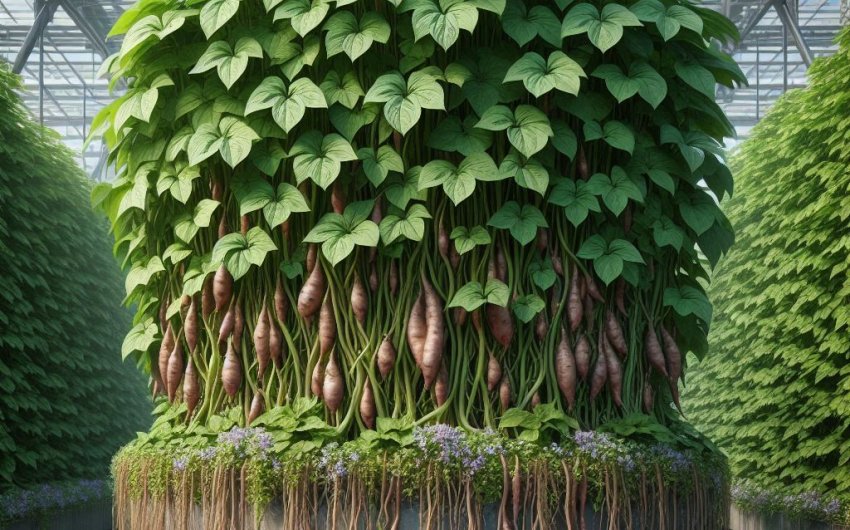
Sweet potatoes are a delicious and nutritious root vegetable that can be grown successfully in containers, making them perfect for gardeners with limited space. While growing them in the ground is traditional, container gardening offers the advantage of easy mobility and better control over the soil and growing conditions. With the right setup, you can enjoy a bountiful harvest of sweet potatoes, even if you don’t have a large backyard.
Here’s how to grow sweet potatoes in containers, from choosing the right materials to caring for your plants until harvest time.
Benefits of Growing Sweet Potatoes in Containers
Growing sweet potatoes in containers has several advantages, especially for those with limited garden space:
- Mobility: You can move containers to maximize sunlight or protect plants from extreme weather.
- Pest control: Containers help reduce the risk of pests like moles or nematodes, which can damage tubers in the ground.
- Space-saving: Great for patios, balconies, or small gardens where traditional planting isn't possible.
- Easier harvest: No digging is required, making the harvest process simpler and less messy.
With these benefits in mind, let’s explore how to set up your container sweet potato garden.
Choosing the Right Container
The first step in growing sweet potatoes in containers is selecting the right container. Sweet potatoes need plenty of room for their roots to spread, so your container should be large enough to support tuber growth.
Container Size
Sweet potatoes grow best in large containers that hold at least 20 gallons of soil. The container should be at least 12-18 inches deep and wide enough to allow the tubers to expand. The more space you give them, the larger your sweet potatoes will grow.
Choose a large garden container (available for $20–$50) that holds at least 20 gallons for growing sweet potatoes.
Drainage
Good drainage is essential for sweet potatoes, as waterlogged soil can lead to root rot. Ensure your container has multiple drainage holes at the bottom to allow excess water to escape. If your container doesn’t have enough drainage, you can drill extra holes to improve water flow.
Order a container with drainage holes (available for $15–$40) to provide adequate drainage for your sweet potato plants.
Selecting the Right Soil
Sweet potatoes thrive in well-draining, sandy soil that is loose and airy, allowing their tubers to expand freely. Here’s what you should consider when choosing soil for your container:
Soil Mix
For growing sweet potatoes in containers, a lightweight soil mix is best. You can use a combination of potting soil and compost to create a nutrient-rich environment. Adding sand or perlite helps improve drainage and aeration, which is essential for healthy tuber growth.
A good ratio is:
- 50% potting soil
- 25% compost
- 25% sand or perlite
Find potting soil and compost mix (available for $10–$30) to create the perfect soil for sweet potato growth.
pH Level
Sweet potatoes prefer slightly acidic soil with a pH range between 5.5 and 6.5. You can test your soil’s pH using a simple soil pH tester and adjust it by adding garden lime if the pH is too low or sulfur if it’s too high.
Use a soil pH test kit (available for $10–$20) to ensure the soil is at the right pH for growing sweet potatoes.
Choosing Sweet Potato Slips
Instead of seeds, sweet potatoes are grown from slips—small shoots that sprout from mature sweet potatoes. You can purchase slips or grow them yourself from a sweet potato.
Growing Your Own Slips
To grow your own sweet potato slips, place a whole sweet potato in water with half of it submerged. Use toothpicks to hold the potato in place on the edge of a jar or glass. After a few weeks, shoots will begin to sprout from the top of the potato. Once the shoots are 6-8 inches long, they can be gently twisted off and placed in water to develop roots.
Alternatively, you can skip this step by purchasing pre-grown slips.
Order sweet potato slips (available for $10–$25) to get started with growing your sweet potatoes.
Planting the Sweet Potato Slips
Once your sweet potato slips have roots, they are ready to be planted in your container. Here’s how to do it:
How to Plant
- Fill the container: Fill your container with the prepared soil mix, leaving about 2-3 inches of space at the top.
- Make holes: Create holes 4-6 inches deep for each slip. You should space the slips about 12 inches apart to give them enough room to grow.
- Plant the slips: Place each slip into a hole, ensuring the roots are covered by soil, but the top few leaves remain above the surface. Gently firm the soil around the slip to secure it in place.
Find a garden trowel (available for $5–$15) to help you plant your sweet potato slips easily.
Watering After Planting
After planting, water the slips thoroughly to help them establish in the container. Keep the soil moist but not soggy for the first few weeks as the plants begin to grow. Sweet potatoes prefer consistent watering, but be careful not to overwater.
Use a watering can with a fine spout (available for $10–$25) to water your slips without disturbing the soil.
Caring for Sweet Potatoes in Containers
Once your sweet potatoes are planted, they require regular care to ensure a healthy harvest. Follow these simple care tips to help your plants thrive.
Watering
Sweet potatoes need regular watering, especially during the growing season. Keep the soil evenly moist but not waterlogged. Too much water can cause the tubers to rot, while too little water can slow down growth.
- Water deeply: Water your plants deeply about once a week, ensuring that the water reaches the root zone.
- Check moisture: Use a moisture meter to check if the soil is drying out between waterings. Avoid letting the soil dry out completely, as this can stress the plants.
Get a moisture meter (available for $10–$20) to monitor the moisture levels in your sweet potato container.
Fertilizing
Sweet potatoes are relatively low-maintenance, but they benefit from regular feeding with a balanced fertilizer. Use a fertilizer that is rich in potassium, as this helps with root development and tuber growth. Avoid fertilizers high in nitrogen, which encourages leafy growth at the expense of the tubers.
- Fertilize monthly: Feed your sweet potatoes once a month during the growing season using an organic liquid fertilizer or a slow-release granular fertilizer.
Choose an organic liquid fertilizer (available for $15–$30) to keep your sweet potato plants healthy.
Pruning and Training Vines
Sweet potato vines can grow quickly and may spread out of the container if not managed. While it’s not necessary to prune sweet potatoes heavily, you can trim back the vines if they become unruly. You can also train the vines to climb a trellis or stake to save space and keep the plant more organized.
- Prune lightly: Use sharp pruning shears to snip off excessive growth, especially in smaller container spaces.
Find pruning shears (available for $10–$25) to help control the growth of your sweet potato vines.
Mulching
Applying a layer of mulch around your sweet potato plants can help retain moisture, regulate soil temperature, and suppress weeds. Organic mulches like straw or bark are good choices for container gardening.
Order organic mulch (available for $10–$30) to help maintain consistent moisture in your sweet potato container.
Common Pests and Problems
Growing sweet potatoes in containers can help reduce the risk of some common pests and diseases, but it’s still important to watch for potential problems.
Pests
Some pests to look out for include:
- Aphids: These small insects suck sap from the plants and can weaken the vines. Use an insecticidal soap or a strong blast of water to remove them.
- Sweet potato weevils: These pests bore into the stems and tubers, causing damage. If you notice signs of infestation, use an organic insecticide to control them.
Find organic insecticidal soap (available for $10–$20) to protect your sweet potato plants from pests.
Diseases
Sweet potatoes are prone to diseases like fungal rot if the soil stays too wet. To prevent this, make sure your container has good drainage and avoid overwatering. Regularly check the leaves and stems for any signs of disease, and remove any affected parts immediately.
Harvesting Sweet Potatoes
After months of careful tending, your sweet potatoes will be ready to harvest. Here’s how to know when it’s time and how to harvest your crop:
When to Harvest
Sweet potatoes are usually ready to harvest 90 to 120 days after planting, depending on the variety. Look for signs like yellowing leaves or slowing vine growth, which indicate that the tubers have matured.
- Harvest before frost: Sweet potatoes are sensitive to frost, so it’s important to harvest them before the first frost in your area.
Use a garden calendar (available for $10–$20) to track your planting and harvest dates for sweet potatoes.
How to Harvest
To harvest sweet potatoes from a container, carefully tip the container over or gently dig into the soil with your hands or a garden fork. Be careful not to damage the tubers, as sweet potatoes bruise easily.
- Cure the sweet potatoes: After harvesting, allow your sweet potatoes to cure in a warm, dry place for about 10 days. This helps improve their flavor and extends their shelf life.
Find a durable garden fork (available for $15–$35) to help you gently harvest your sweet potatoes without damaging them.
Storing Sweet Potatoes
Once harvested and cured, sweet potatoes can be stored for several months. Keep them in a cool, dark place with good ventilation. Avoid refrigerating them, as cold temperatures can affect their texture and flavor.
Order a storage basket (available for $15–$30) to store your harvested sweet potatoes in a dry, cool environment.
By following these simple steps, you can successfully grow sweet potatoes in containers, even in small spaces. Enjoy the satisfaction of harvesting your own delicious, homegrown sweet potatoes!