
How to Grow Grapes in Small Gardens?
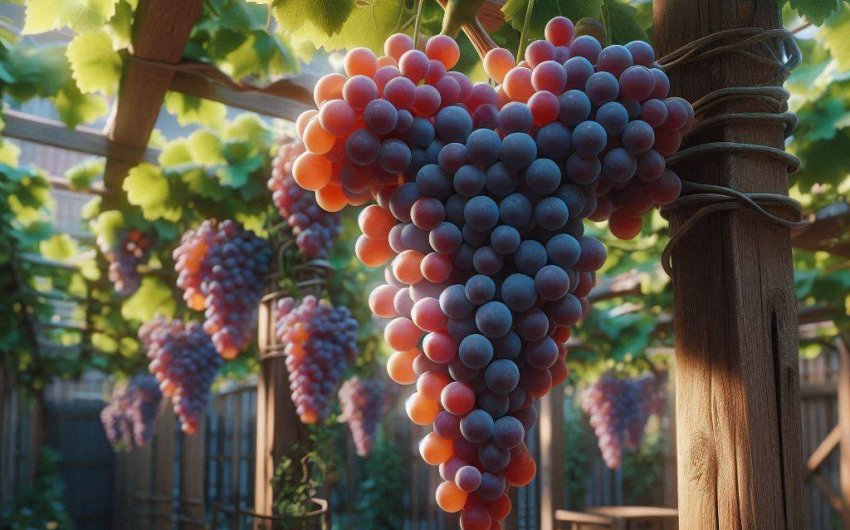
Growing grapes in small gardens is entirely possible by selecting compact, disease-resistant varieties and employing smart vertical gardening techniques and diligent pruning. Focus on maximizing sunlight and providing robust support structures to achieve a successful harvest in limited spaces.
What are the Key Considerations for Growing Grapes in Small Spaces?
Before you embark on the rewarding journey of growing grapes in small gardens, it's crucial to understand the unique considerations that come with limited space. Grapes are vigorous growers, and managing their growth is key to success in confined areas.
1. Sunlight Requirements
Grapes are sun-loving plants. For optimal fruit production and plant health, they need:
- Full Sun: Aim for at least 6-8 hours of direct sunlight per day, ideally more. The more sun, the sweeter the grapes and the healthier the vine.
- Warmth: South-facing walls or fences are ideal as they reflect heat and provide extra warmth, which grapes appreciate.
2. Choosing the Right Grape Variety
This is perhaps the most critical decision for growing grapes in small gardens. Not all grapes are created equal when it comes to space efficiency.
- Compact Varieties: Look for varieties specifically noted for their compact growth habit or suitability for container growing. These naturally grow less vigorously.
- Disease Resistance: In smaller spaces, air circulation can sometimes be an issue, potentially increasing disease risk. Opt for varieties with good disease resistance to minimize problems.
- Purpose: Decide if you want table grapes (for eating fresh), juice grapes, or wine grapes. This will narrow down your choices.
- Climate Suitability: Choose a variety that is hardy for your USDA plant hardiness zone and suitable for your local climate's growing season length.
3. Support Structure (Trellising or Arbor)
Grapes are vining plants and require sturdy support.
- Vertical Growth: Utilizing vertical space is essential in small gardens.
- Strength: The support structure must be strong enough to bear the weight of a mature vine laden with fruit.
- Design: Consider a simple trellis against a fence or wall, a small arbor, or a sturdy post system.
4. Soil Requirements
While adaptable, grapes prefer specific soil conditions:
- Well-Draining: Grapes hate "wet feet." The soil must drain exceptionally well to prevent root rot.
- Moderately Fertile: They don't need overly rich soil; too much nitrogen can encourage leafy growth at the expense of fruit.
- pH Level: A slightly acidic to neutral pH (around 6.0 to 7.0) is generally ideal.
5. Pruning Strategy
This is non-negotiable for growing grapes in small gardens.
- Control Growth: Proper annual pruning is essential to control the vine's size, promote fruit production, and maintain plant health. Without it, grapes will quickly become unruly and unproductive.
- Training: Learning a specific pruning and training system (like cane or spur pruning) will maximize your yield in limited space.
6. Container Growing (Optional)
If you have very limited ground space, containers are a viable option.
- Large Pots: Grapes require very large containers (at least 15-20 gallons) to thrive.
- Watering: Container-grown grapes dry out much faster and will require more frequent watering and feeding.
By addressing these key considerations upfront, you set the stage for a successful and bountiful harvest, even when growing grapes in small gardens.
What are the Best Grape Varieties for Small Gardens?
Selecting the right grape variety is arguably the most crucial step when planning to grow grapes in small gardens. You need varieties that are not overly vigorous, offer good disease resistance, and produce fruit suitable for your climate and preferences.
Here's a breakdown of excellent choices, focusing on table grapes (for fresh eating) which are generally more suited to home gardens:
American Grape Varieties (Vitis labrusca and Hybrids)
These are generally hardier and more disease-resistant than European varieties, making them a good choice for beginners and cooler climates.
| Variety Name | Key Characteristics | Suitability for Small Gardens | Affiliate Link |
|---|---|---|---|
| Concord | Classic dark purple grape, strong "foxy" flavor, excellent for juice, jelly, and fresh eating. Very cold hardy and moderately disease resistant. Vigorous grower, but responds well to diligent pruning. | Though vigorous, its reliability and hardiness make it a popular choice. Requires consistent pruning (cane pruning recommended) to keep size in check. Good for trellises or arbors where some spread is okay. | Concord Grape Vine |
| Niagara | Large, slip-skin green-gold grape with a sweet, "foxy" flavor. Good for fresh eating, juice, and white grape jelly. Cold hardy and vigorous, similar to Concord. | Similar to Concord in vigor and management. Best for those wanting a light-colored, sweet grape that can be managed with consistent pruning. | Niagara Grape Vine |
| Reliance | Seedless, red, medium-sized grape with a sweet, juicy flavor. Excellent for fresh eating. Very cold hardy and good disease resistance. Less vigorous than Concord. | Highly recommended for small gardens. Its slightly less vigorous growth, seedless nature, and cold hardiness make it a top choice for trellises or arbors where space is a concern. | Reliance Grape Vine |
| Himrod | Seedless, green-gold grape with a crisp, sweet flavor, often described as honey-like. Good for fresh eating and raisins. Moderately cold hardy and relatively vigorous, but manageable. | Another good seedless option. Requires consistent pruning but is a rewarding variety for its flavor. Suitable for training on a sturdy trellis. | Himrod Grape Vine |
| Mars | Seedless, blue-black grape with a mild, "foxy" flavor. Good for fresh eating, juice, and jelly. Very cold hardy and disease resistant. Moderately vigorous. | Good choice for small gardens due to its robust disease resistance and cold hardiness. Its manageable vigor makes it suitable for various training systems. | Mars Grape Vine |
| Canadice | Seedless, red grape with a sweet, sprightly flavor. Excellent for fresh eating. Very cold hardy and good disease resistance. Moderate vigor. | Similar to Reliance, an excellent seedless table grape that is well-suited to managing its size in a small garden setting. | Canadice Grape Vine |
Other Considerations:
- Local Nurseries: Always check with local nurseries or university extension offices. They can provide recommendations for varieties that perform best in your specific climate and soil conditions, and which are known to be well-suited for growing grapes in small gardens locally.
- Rootstock: Some grapes are grafted onto specific rootstocks to enhance vigor, disease resistance, or adaptability to different soil types. While less critical for small-scale growing, it's something to be aware of.
- Disease Resistance: Prioritize varieties labeled as "disease resistant" or "low spray" to minimize the need for chemical treatments, especially important in a home garden setting.
By choosing a variety carefully, you lay the groundwork for a successful and productive grape harvest, even in a confined space. This thoughtful selection is fundamental to successfully growing grapes in small gardens.
How Do You Prepare the Soil for Grapes?
Proper soil preparation is foundational for successfully growing grapes in small gardens. Grapes are long-lived plants, and giving them the right start in the soil will ensure their health and productivity for years to come.
1. Assessing Your Soil
Before you dig, understand what you're working with:
- Drainage Test: Grapes absolutely require excellent drainage. To test, dig a hole about 1 foot deep and 1 foot wide. Fill it with water. If the water drains within 15-30 minutes, you likely have good drainage. If it takes hours, you have poor drainage and will need to amend significantly or consider a raised bed.
- Soil pH Test: Grapes prefer a slightly acidic to neutral soil pH, ideally between 6.0 and 7.0. You can use a Soil pH Test Kit for an accurate reading.
- If your pH is too low (acidic), you can raise it by adding garden lime.
- If your pH is too high (alkaline), you can lower it by adding elemental sulfur or peat moss.
- Soil Texture: While grapes tolerate a range of textures, they thrive in well-aerated, loamy soils. Heavy clay can impede drainage and root growth, while very sandy soil drains too quickly and loses nutrients.
2. Amending the Soil (If Needed)
Based on your soil assessment, you can make targeted amendments. The goal is to improve drainage, aeration, and moderate fertility.
- For Poor Drainage (Heavy Clay):
- Incorporate Organic Matter: The best amendment for heavy clay is generous amounts of organic matter. Mix in well-rotted compost, aged manure, or pine bark fines into the top 12-18 inches of soil. This helps break up the clay, creating pore spaces for water and air.
- Consider Raised Beds: If drainage is severely poor, a raised bed filled with a custom soil mix is often the best solution for growing grapes in small gardens. Fill it with a blend of good quality topsoil, compost, and perhaps some perlite or grit for extra drainage.
- For Very Sandy Soil:
- Incorporate Organic Matter: Add large quantities of compost or well-rotted manure to improve water retention and nutrient-holding capacity.
- For Nutrient Deficiencies:
- Compost: Regular additions of compost will gradually enrich the soil with a balanced array of nutrients.
- Balanced Fertilizer (Optional): If a soil test indicates a specific nutrient deficiency, you can add a slow-release, balanced granular fertilizer during planting. However, avoid excessive nitrogen, which promotes leafy growth over fruit. A general-purpose organic fertilizer like Espoma Bio-tone Starter Plus can be beneficial for establishment.
3. Preparing the Planting Hole
- Size: Dig a planting hole that is about twice as wide as the grape vine's root ball and just as deep.
- Loosen Sides: Roughen up the sides of the hole with a shovel or fork to prevent glazing and encourage the roots to spread out into the surrounding soil.
- Backfill Mixture: Use a mix of the excavated soil blended with about 25-50% compost or aged manure to backfill the hole.
By taking the time to properly prepare your soil, you provide your grape vines with the ideal growing conditions, setting them up for a healthy and productive life in your small garden. This thorough preparation is a critical step in mastering growing grapes in small gardens.
What Support Structures Work Best for Small Gardens?
Providing a sturdy and appropriate support structure is absolutely vital when you grow grapes in small gardens. Grapes are vigorous vining plants that will sprawl if left unsupported, leading to reduced air circulation, increased disease risk, and poor fruit quality. Vertical support is key to maximizing space.
Key Principles for Grape Support:
- Strength: The structure must be strong enough to hold the weight of a mature vine, which can be considerable, especially when laden with fruit.
- Durability: Choose materials that will last for many years, as grapevines are long-lived.
- Air Circulation: Design the support to allow good airflow around the leaves and fruit, which helps prevent fungal diseases.
- Accessibility: Ensure the structure allows for easy access for pruning, training, and harvesting.
Best Support Structures for Small Gardens:
Simple Trellis against a Wall or Fence:
- Description: This is one of the most common and space-efficient options. It consists of wires or wooden slats strung horizontally between two sturdy posts, or attached directly to a wall or fence (with a small gap to allow air circulation).
- Construction:
- Install two strong, rot-resistant posts (e.g., treated lumber or metal) at either end of your planting area, about 8-10 feet apart.
- String galvanized wire (12-gauge or thicker) horizontally between the posts, starting about 18-24 inches from the ground and spacing subsequent wires 12-18 inches apart. Use tensioners to keep wires taut.
- If attaching to a wall, use standoff brackets to create a 2-4 inch gap between the trellis and the wall for air circulation.
- Pros: Maximizes vertical space, unobtrusive, good air circulation, relatively simple to build.
- Cons: Limited in terms of shade creation.
Small Arbor or Pergola:
- Description: A more decorative option that provides both support and a shaded area. It's an open framework structure over a pathway or seating area.
- Construction: Requires sturdy posts (4x4 or larger) set in concrete, with strong crossbeams and purlins (smaller beams) on top for the vines to climb.
- Pros: Creates an attractive focal point, provides shade, allows for graceful draping of vines.
- Cons: Requires more space than a simple trellis, higher construction cost, can make pruning slightly more challenging if too high.
T-Post or V-Trellis System:
- Description: Similar to a simple trellis but with a wider top structure. A T-post system has a cross arm on top of each post, creating a T-shape. A V-trellis has two angling posts forming a V.
- Construction: Involves sturdy posts and multiple wires. The wider top allows for more cordon (main branch) development and better fruit exposure.
- Pros: Increases fruit yield potential for the footprint, good air circulation.
- Cons: Can be slightly wider than a simple flat trellis, requiring a bit more space.
General Tips for Support Structures:
- Install Before Planting: It's much easier to install your support structure before you plant your grape vine.
- Material Choice: Use durable, weather-resistant materials. Galvanized wire is essential to prevent rust.
- Initial Training: Gently tie the young vine to the support as it grows, guiding it in the desired direction. Use soft ties that won't cut into the stem. Velcro Plant Ties are excellent for this.
- Pruning is Key: Regardless of the support structure, diligent annual pruning (see next section) is critical for managing the vine's size and ensuring good fruit production in a small garden setting.
By choosing the right support structure and installing it correctly, you provide your grapevines with the framework they need to thrive and produce abundant fruit, making growing grapes in small gardens a practical and rewarding endeavor.
How Do You Prune Grapes for Small Gardens?
Pruning is the single most important technique for successfully growing grapes in small gardens. Without it, grapevines become an unruly tangle of unproductive growth. Proper annual pruning controls vigor, improves fruit quality, maximizes yield in limited space, and maintains plant health.
The Goal of Pruning in Small Gardens:
- Size Control: Keep the vine compact and manageable.
- Fruit Production: Grapes produce fruit on new growth that comes from one-year-old wood. Pruning ensures you have plenty of this productive wood.
- Air Circulation: Open up the canopy to improve airflow, reducing disease risk.
- Sun Exposure: Ensure fruit gets adequate sunlight for ripening.
When to Prune:
- Dormant Season: The best time for major pruning is in late winter or early spring (January to March in most temperate climates), after the coldest temperatures have passed but before buds begin to swell. Pruning too early can expose cuts to severe cold; pruning too late can lead to "bleeding" (sap flowing from cuts), which is not harmful but indicates wasted energy.
Understanding Pruning Systems (Simplified for Small Gardens):
There are two main pruning systems: Cane Pruning and Spur Pruning. For small gardens, understanding the basics of both is helpful, as some varieties prefer one over the other.
Cane Pruning:
- What it is: You select one or two (or a few, depending on vigor) one-year-old canes (last season's growth) to bear fruit. These canes are usually 6-10 buds long. Most of the previous year's growth is removed.
- Suitable for: Many American varieties like 'Concord', 'Niagara', 'Reliance'.
- How it works: Each selected cane will produce new shoots (called canes in their first year) from its buds, and these new shoots will bear the fruit. After fruiting, these canes are removed entirely, and new canes for the next season are selected.
- Process:
- Identify: Look for strong, healthy, pencil-thick, light brown one-year-old canes.
- Select: Keep 1-4 of these canes, usually tied horizontally along your trellis wire.
- Prune Back: Cut each selected cane back to 6-10 buds.
- Remove Old Wood: Cut back all remaining one-year-old wood (except for short "renewal spurs" of 1-2 buds near the head of the vine, which will produce next year's canes).
- Remove All Other Growth: Remove any suckers from the base, water sprouts (vigorous upright shoots), and all old, unproductive wood.
Spur Pruning:
- What it is: You establish permanent main branches (called cordons) along your trellis wire. Each year, you prune the previous season's growth on these cordons back to short "spurs" of 2-3 buds.
- Suitable for: Many European varieties (Vitis vinifera) and some American hybrids. Check your variety's preference.
- How it works: Fruit-bearing shoots emerge from these short spurs.
- Process:
- Establish Cordons: In the first 1-2 years, train 1-2 permanent cordons horizontally along your trellis wires.
- Prune Laterals: Annually, prune all side shoots (laterals) originating from the cordons back to 2-3 buds. These short sections are the "spurs."
- Remove Unwanted Growth: Remove suckers and water sprouts.
Essential Pruning Tools:
- Sharp Pruners: High-quality bypass pruners are essential for clean cuts. Fiskars Bypass Pruning Shears are a popular choice.
- Loppers: For thicker old wood that pruners can't handle.
- Gloves: Protect your hands from sap and thorns (some varieties have them).
Summer Pruning (Minor, but Important):
- Thinning: Once fruit clusters set, you might want to remove a few clusters if the vine is overloaded. This directs energy into fewer, larger, and sweeter grapes.
- Lateral Removal: Pinch back or remove vigorous side shoots (laterals) that emerge from the main productive canes. This ensures sunlight reaches the fruit and improves air circulation.
- Leaf Removal: As grapes begin to ripen, you can carefully remove a few leaves immediately around the fruit clusters to improve sun exposure and air circulation, but don't remove too many, as leaves are needed for photosynthesis.
By consistently applying the correct pruning method, you can effectively manage the vigorous growth of grapevines and ensure a rewarding harvest, even when growing grapes in small gardens. It's the secret to abundant fruit in limited space.
How Do You Fertilize and Water Grapes in Small Gardens?
Proper fertilization and consistent watering are critical for successful growing grapes in small gardens. Due to their confined root space, container-grown grapes will have different needs than those planted in the ground, but both require careful attention to moisture and nutrients.
Watering Grapes:
Grapes need consistent moisture, especially during key growth stages, but absolutely hate waterlogging.
- Establishment Phase (First 1-2 Years):
- Frequent and Deep: Young grape vines need regular, deep watering to establish a strong root system. Water 2-3 times a week, or more often during hot, dry weather, ensuring the water penetrates at least 12-18 inches deep.
- Monitor Soil: Always check the soil moisture before watering. Stick your finger a few inches into the soil; if it feels dry, it's time to water.
- Mature Grapes (After Establishment):
- Less Frequent, Still Deep: Once established, grape vines are relatively drought-tolerant, but still benefit from deep watering during dry spells.
- Key Stages for Watering:
- Bud Break to Fruit Set: Consistent moisture is crucial for healthy shoot growth and flower development.
- Fruit Swell (Veraison to Ripening): This is when the berries rapidly increase in size. Consistent water is vital. However, reduce watering as grapes approach full ripeness (about 2-3 weeks before harvest). This concentrates sugars and improves flavor. Overwatering during ripening can lead to bland grapes or splitting.
- Container Grapes: These will dry out much faster than in-ground grapes. They may need daily watering, especially during hot weather. Ensure the container has excellent drainage holes.
- Watering Method:
- Drip Irrigation or Soaker Hoses: These are ideal for grapes in small gardens as they deliver water directly to the root zone, minimizing evaporation and preventing water from sitting on foliage, which can encourage fungal diseases. A simple Drip Irrigation Kit for Gardens can be very effective.
- Avoid Overhead Sprinklers: These wet the leaves, which increases the risk of fungal diseases.
Fertilizing Grapes:
Grapes are not heavy feeders. Excessive nitrogen, especially, can lead to lush leafy growth at the expense of fruit production. The best approach is to focus on soil health through organic matter.
- First Year:
- Minimal or No Fertilizer: If your soil was properly amended with compost during planting, additional fertilizer may not be needed in the first year. The focus is on root establishment.
- If growth is very slow, a light application of a balanced, slow-release granular fertilizer or diluted liquid feed (like fish emulsion) can be given once or twice during the early growing season.
- Subsequent Years (Established Grapes):
- Annual Compost Top-Dressing: The best way to fertilize grapes organically is to top-dress the soil around the base of the vine with a 1-2 inch layer of well-rotted compost or aged manure each spring. This slowly releases a balanced array of nutrients and improves soil structure.
- Nitrogen (N) Caution: Be cautious with nitrogen. If your vine is producing vigorous leafy growth but little fruit, reduce nitrogen. If growth is weak, a balanced fertilizer or one slightly higher in nitrogen may be appropriate.
- Phosphorus (P) and Potassium (K): These nutrients are important for fruit development and overall plant health. Compost generally provides these. If a soil test indicates a deficiency, bone meal (for P) or greensand/wood ash (for K, in moderation) can be added.
- Micronutrients: Grapes can sometimes show deficiencies in micronutrients like boron or zinc. A comprehensive soil test can identify these. Foliar sprays can sometimes address these.
- Container Grapes (Specific Needs):
- More Frequent Feeding: Container-grown grapes deplete nutrients from their limited soil volume much faster.
- Balanced Liquid Fertilizer: Use a balanced liquid fertilizer, such as a 5-5-5 or 10-10-10 formulation, diluted to half strength, every 2-4 weeks during the growing season (from bud break to veraison). Reduce or stop feeding during ripening. FoxFarm Grow Big Liquid Plant Food is a popular option.
- Slow-Release Granular: Alternatively, incorporate a slow-release granular fertilizer into the potting mix at the beginning of the growing season.
Mulching:
- Benefits: Apply a 2-4 inch layer of organic mulch (such as straw, wood chips, or shredded leaves) around the base of the vine.
- Advantages: Mulch helps conserve soil moisture, suppresses weeds (reducing competition), and moderates soil temperature. As it decomposes, it adds beneficial organic matter to the soil.
- Application: Keep mulch a few inches away from the vine's trunk to prevent rot and pest issues.
By providing diligent and appropriate watering, and focusing on gradual nutrient enrichment through organic matter, you can ensure your grape vines remain healthy and productive, making growing grapes in small gardens a successful venture.
How Do You Manage Pests and Diseases Organically?
Managing pests and diseases organically is crucial for successfully growing grapes in small gardens, especially since confined spaces can sometimes increase humidity and reduce air circulation, making vines more susceptible. A proactive approach focuses on prevention, good cultural practices, and natural remedies.
1. Prevention is Key:
- Choose Disease-Resistant Varieties: This is your first and most important line of defense. Selecting varieties known for resistance to common grape diseases (like powdery mildew, downy mildew, and black rot) will dramatically reduce your workload.
- Proper Pruning & Training: As discussed, open canopy management through diligent pruning (cane or spur) ensures good air circulation and sunlight penetration. This is vital for drying foliage and preventing fungal diseases. Remove dead or diseased wood immediately.
- Good Air Circulation: Ensure adequate spacing between vines (if you have more than one) and between the vine and any wall/fence it's against (use standoff brackets for trellises).
- Sanitation: Remove and dispose of fallen leaves, infected shoots, and any mummified grapes. These can harbor disease spores and overwintering pests.
- Watering Wisely: Use drip irrigation or soaker hoses to water the soil directly, keeping foliage dry. Avoid overhead watering, especially in the evening.
- Balanced Nutrition: Avoid excessive nitrogen fertilizer, which encourages lush, tender growth that is more susceptible to pests and diseases. Focus on balanced soil health.
2. Common Pests and Organic Solutions:
- Grape Flea Beetles:
- Damage: Adult beetles chew holes in swelling buds in spring; larvae skeletonize leaves.
- Organic Control: Hand-pick beetles in the early morning when they are sluggish. Use sticky traps near vines. Apply Neem Oil spray as a repellent and growth disruptor.
- Japanese Beetles:
- Damage: Chew holes, skeletonizing leaves, especially during summer.
- Organic Control: Hand-pick and drop into soapy water. Use pheromone traps far away from the garden to draw them away, not into your garden. Apply Neem Oil spray.
- Grape Berry Moth:
- Damage: Larvae bore into berries, causing them to rot.
- Organic Control: Remove infested clusters. Use pheromone traps to monitor populations. For severe infestations, Bacillus thuringiensis (Bt) can be effective against young larvae.
- Birds and Wasps:
- Damage: Eat ripening fruit.
- Organic Control: The most effective method is to net the ripening clusters or the entire vine with Bird Netting for Fruit Trees as the grapes begin to change color (veraison). Individual cluster bags can also be used.
- Spider Mites:
- Damage: Tiny mites cause stippling (tiny dots) on leaves, leading to bronzing and leaf drop. Thrive in hot, dry conditions.
- Organic Control: Blast foliage with a strong stream of water to knock them off. Apply insecticidal soap or Neem Oil spray, ensuring good coverage, especially on the undersides of leaves.
3. Common Diseases and Organic Solutions:
- Powdery Mildew:
- Symptoms: White, powdery patches on leaves, shoots, and fruit. Thrives in dry weather with high humidity.
- Organic Control:
- Prevention: Good air circulation, disease-resistant varieties.
- Treatment: Apply Horticultural Oil (Neem oil also works) or Baking Soda Spray (1 tsp baking soda + 1 tsp horticultural oil per quart of water). Apply sulfur dust or spray as a preventative, especially early in the season. Bonide Sulfur Plant Fungicide is an option.
- Downy Mildew:
- Symptoms: Yellowish spots on upper leaf surface, white fuzzy growth on undersides. Thrives in cool, wet conditions.
- Organic Control:
- Prevention: Good air circulation, resistant varieties. Avoid overhead watering.
- Treatment: Copper-based fungicides can be used organically as a preventative or early treatment. Monterey Liqui-Cop Copper Fungicide is an example.
- Black Rot:
- Symptoms: Small brown spots on leaves, turning into dark lesions; fruit shrivels and turns into hard, black mummies.
- Organic Control:
- Prevention: Extremely important. Remove all infected plant parts immediately. Sanitize thoroughly in fall. Choose resistant varieties.
- Treatment: Copper or sulfur sprays can offer some protection, but good sanitation is key.
Integrated Pest Management (IPM) for Grapes:
- Scout Regularly: Inspect your vines daily, especially in spring and early summer, to catch problems early.
- Tolerate Minor Damage: Not every insect or spot requires intervention. A healthy vine can withstand some minor damage.
- Encourage Beneficials: Attract predatory insects (ladybugs, lacewings) by planting diverse flowers nearby. Avoid broad-spectrum pesticides that harm beneficials.
By diligently practicing these organic management strategies, you can minimize pest and disease issues and enjoy a healthy, productive grape harvest when growing grapes in small gardens.
How Do You Harvest and Use Grapes from Your Small Garden?
Harvesting grapes at the right time is key to enjoying their best flavor, and knowing how to use your bounty adds to the satisfaction of growing grapes in small gardens. Unlike many fruits, grapes don't continue to ripen much after being picked, so timing is crucial.
When to Harvest Grapes:
Grapes are ready to harvest when they reach their peak sweetness and flavor. This can vary by variety and climate. Don't rely solely on color, as some grapes color up before they are truly ripe.
- Taste Test: The most reliable method is to taste them! Sample a few berries from different clusters. They should be sweet, juicy, and have the characteristic flavor of their variety.
- Color Uniformity: All berries in a cluster should be uniformly colored (e.g., fully purple for Concord, golden for Himrod).
- Ease of Detachment: Ripe grapes will usually detach easily from the stem with a gentle tug.
- Stem Color: The stems of the cluster should turn from green to slightly woody or brown.
- Juice Check (for Juice/Wine): If you're planning to make juice or wine, you might use a refractometer to measure the sugar content (Brix). This is typically overkill for home table grapes.
- No Further Ripening: Remember, grapes do not ripen further once picked. Harvest them when they taste best.
How to Harvest Grapes:
- Use Clean Pruners or Shears: Always use sharp, clean pruning shears or scissors to cut the entire cluster from the vine. Cutting just the berries can damage them and the remaining cluster.
- Handle Gently: Grapes are delicate. Handle clusters carefully to avoid bruising.
- Harvest in the Morning: Pick grapes in the cool morning after the dew has dried. This helps them stay fresh longer.
- Harvest What You Need: If you have a large harvest, consider picking in stages.
How to Use Your Homegrown Grapes:
The beauty of growing grapes in small gardens is enjoying their versatility:
- Fresh Eating (Table Grapes):
- This is the simplest and often most rewarding way to enjoy them. Chill them for a refreshing snack.
- Store them unwashed in the refrigerator in a perforated bag or container for up to 1-2 weeks. Wash just before eating.
- Juice:
- Homemade grape juice is delicious and surprisingly easy. You'll need a large pot or a steam juicer.
- Simply crush grapes (or use a food mill), heat them gently, then strain the juice. You can sweeten it if desired.
- Pasteurize by heating to 180°F (82°C) and then canning in sterilized jars or freezing for longer storage.
- Jelly or Jam:
- Classic grape jelly is a wonderful way to preserve your harvest. You'll need sugar, pectin, and canning supplies.
- For jam, you can include some of the grape pulp for a thicker texture.
- Raisins (Dehydrated Grapes):
- If you have seedless varieties, you can make your own raisins.
- Wash and dry grapes. Spread them in a single layer on dehydrator trays.
- Dehydrate at 135°F (57°C) for 24-48 hours or until shriveled and leathery. Store in airtight containers.
- You can also try drying them outdoors in hot, dry climates, but this is less reliable.
- Grape Pie or Tarts:
- Similar to berry pies, grapes make a unique and flavorful pie filling.
- Grape Syrup:
- Reduce grape juice with a bit of sugar to create a delicious syrup for pancakes, ice cream, or cocktails.
- Freezing:
- Wash and stem grapes. Spread them in a single layer on a baking sheet and freeze until solid. Then transfer to freezer bags.
- Frozen grapes make a refreshing, healthy snack, or can be used in smoothies.
By diligently harvesting at the peak of ripeness and exploring these various uses, you can truly savor the fruits of your labor from growing grapes in small gardens, turning a limited space into a productive and delightful part of your home.
How Do You Grow Grapes in Containers in Small Gardens?
Growing grapes in small gardens can be achieved effectively through container planting, especially when ground space is extremely limited or soil conditions are unsuitable. While it requires more diligent care than in-ground planting, it's a viable option for a rewarding harvest.
1. Choosing the Right Container:
- Size is Paramount: Grapes are vigorous plants, even smaller varieties. The biggest mistake is using too small a pot.
- Minimum: Start with at least a 15-gallon container for a young vine.
- Ideal: For a mature, productive vine, aim for a 20-gallon (or larger) pot. A half whiskey barrel or large terracotta pot works well.
- Drainage Holes: Ensure the container has ample drainage holes. Grapes hate soggy roots.
- Material:
- Plastic/Resin: Lighter, holds moisture well, but can look less attractive. Dark colors can heat up roots too much in full sun.
- Terracotta/Ceramic: Attractive, porous (can help with drainage), but heavier and dries out faster.
- Fabric Grow Bags: Excellent for aeration and drainage, lightweight. VIVOSUN Fabric Grow Bags are a good choice.
2. Potting Mix:
- Well-Draining: Use a high-quality, well-draining potting mix, not garden soil. Garden soil compacts too much in containers.
- Amendments: You can amend your potting mix with perlite or coarse sand to further improve drainage, and some compost for initial nutrients. A mix specifically designed for containers, like FoxFarm Ocean Forest Potting Soil, is a good starting point.
3. Support Structure for Container Grapes:
- Integrate Support: Grapes in containers still need robust support.
- Stakes/Cages: For very small or young vines, a sturdy stake inserted into the pot or a tomato cage can provide initial support.
- Trellis: For mature vines, integrate a small, sturdy trellis directly into the pot. This could be a fan trellis, obelisk, or a small A-frame. Ensure the trellis is firmly anchored within the pot or connected to a larger external structure.
- Wall Trellis: Position the container next to a wall or fence and train the vine onto a wall-mounted trellis.
4. Planting and Initial Care:
- Planting Depth: Plant the grape vine at the same depth it was in its nursery pot.
- Watering: Water thoroughly immediately after planting.
- Placement: Place the container in the sunniest spot available, ideally with at least 6-8 hours of direct sunlight.
5. Watering Container Grapes:
- Frequent Watering: Container-grown grapes dry out much faster than in-ground grapes, especially in hot or windy weather. They may need daily watering, or even twice a day, during peak summer.
- Check Daily: Always check the soil moisture by sticking your finger into the pot (at least 2-3 inches deep). Water when the top inch or two feels dry.
- Deep Watering: Water until water drains from the bottom of the pot.
6. Fertilizing Container Grapes:
- Regular Feeding: Container grapes deplete nutrients quickly.
- Liquid Fertilizer: Use a balanced liquid fertilizer (e.g., 5-5-5 or 10-10-10) at half strength every 2-4 weeks from bud break until veraison (when grapes start to change color). Miracle-Gro Water Soluble All Purpose Plant Food can be used.
- Slow-Release Granular: Alternatively, incorporate a slow-release granular fertilizer into the potting mix at the beginning of the growing season.
- Avoid Over-Fertilizing: Too much fertilizer, especially nitrogen, can lead to excessive leafy growth and poor fruit production.
7. Pruning Container Grapes:
- Crucial for Size Control: Pruning is even more vital for container grapes to keep them compact and productive. Use a modified cane or spur pruning system adapted to the smaller scale.
- Winter Pruning: Perform major dormant pruning in late winter/early spring.
- Summer Pinching: Pinch back vigorous shoots during the growing season to control size and direct energy to fruit.
8. Winter Protection for Container Grapes:
- Move Indoors/Protect: In cold climates, containers can freeze solid, potentially killing the roots. Move the container to an unheated garage, shed, or sheltered area (like against a warm wall) for winter. Alternatively, wrap the pot with burlap and insulation.
- Dormant Watering: Even during dormancy, container grapes need occasional watering to prevent the roots from completely drying out.
By understanding these specific considerations, you can successfully implement growing grapes in small gardens through the rewarding method of container cultivation, yielding delicious fruit from a compact space.