
Growth Hurdles: Overcoming Stunted Plant Development
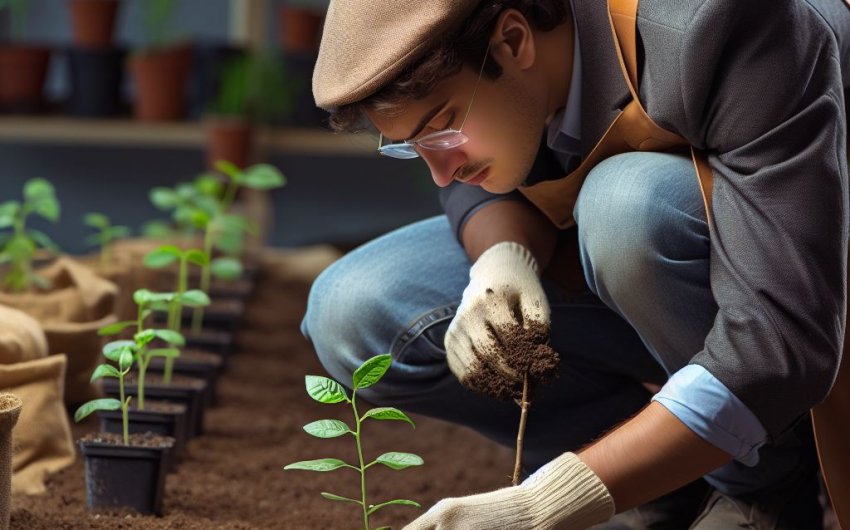
Every gardener, at some point, has faced the disheartening sight of a plant that just isn't growing as it should. Instead of lush foliage and vibrant blooms, you might observe yellowing leaves, a general lack of vigor, or simply a plant that seems stuck in time, refusing to reach its full potential. This frustrating phenomenon is known as stunted plant development, and it's a common hurdle that can perplex even experienced green thumbs. It's a clear signal that something in the plant's environment or care routine isn't quite right, preventing it from thriving.
Diagnosing the root cause of stunted growth can feel like a detective mission, as many factors can contribute to it. From hidden issues in the soil to incorrect watering practices or unseen pests, pinpointing the exact problem requires a systematic approach. This guide will help you understand the most common reasons behind growth hurdles and provide actionable solutions to revive your struggling plants. Let's dig in and learn how to help your plants overcome these setbacks and flourish.
What Are the Initial Signs of Stunted Growth?
Recognizing the initial signs of stunted growth is the first critical step in addressing the problem. The sooner you identify these symptoms, the quicker you can intervene and correct the issue, giving your plant the best chance to recover and resume healthy development. It’s about paying close attention to what your plants are trying to tell you.
How Do You Identify an Underperforming Plant?
You can identify an underperforming plant by observing several key indicators that differ from what a healthy plant of the same type should look like.
Smaller than Expected Size: This is the most obvious sign. A stunted plant will simply be much smaller than others of the same age and variety that are growing in similar conditions. For example, if you planted several tomato seedlings at the same time, and one remains significantly shorter with fewer leaves, it’s likely stunted. It just won't seem to be gaining height or width at the expected rate.
Lack of New Growth: A healthy plant, especially during its active growing season, should be consistently pushing out new leaves, stems, or flowers. If you notice a complete halt in new growth, or if new leaves are very tiny and infrequent, this is a strong indicator of a problem. The plant might look exactly the same size week after week.
AdvertisementYellowing or Discolored Leaves: While yellowing can be a sign of many issues, if new leaves emerge yellow or older leaves turn yellow and drop prematurely, it can point to nutrient deficiencies or watering problems that hinder overall growth. Discolored leaves (pale green, purple, or scorched brown spots) also signal distress.
Dull or Lifeless Appearance: Healthy plants usually have vibrant, glossy (depending on the type), and firm leaves. A stunted plant might look dull, droopy, or generally lack vigor. The leaves might feel limp or brittle, not just thirsty but generally unwell.
Weak Stems and Overall Flopiness: Instead of strong, upright stems, a stunted plant might have thin, spindly stems that struggle to support the existing foliage. It might appear "leggy" if stretching for light, but without the accompanying robust growth.
No or Few Flowers/Fruits: For flowering or fruiting plants, a lack of buds, flowers, or fruit production, especially when other plants of the same variety are producing, is a clear sign that the plant is not thriving. Its energy is being directed towards survival, not reproduction.
By regularly observing your plants and knowing what "normal" growth looks like for each species, you'll become adept at spotting these early warning signs of plant distress that indicate something is impeding their proper development. Early detection allows for timely intervention, often saving the plant from more severe problems.
Are Water and Nutrients the Problem?
When a plant shows signs of stunted development, one of the first places to look for issues is its fundamental needs: water and nutrients. These two elements are absolutely vital for a plant's growth, and imbalances in either can quickly lead to a struggling specimen. Understanding how they affect growth is key to diagnosing and fixing the problem.
How Do Over/Underwatering and Nutrient Deficiencies Impact Growth?
Watering issues are perhaps the most common cause of stunted growth, whether it's too much or too little.
- Overwatering: This is often the bigger culprit. When a plant receives too much water, its roots sit in soggy, oxygen-depdeprived soil. Roots need oxygen to "breathe" and absorb nutrients. When they're deprived, they can't function properly and eventually rot. Root rot then prevents the plant from taking up any water or nutrients, leading to yellowing, wilting (even though the soil is wet!), and ultimately stunted growth as the plant slowly starves. The plant looks sick, often with mushy stems or leaves, and simply stops putting out new growth.
- Underwatering: If a plant doesn't get enough water, it simply doesn't have the necessary hydration to support cell expansion and metabolic processes required for growth. Leaves might wilt, turn crispy, or drop prematurely. The plant enters a survival mode, conserving energy instead of growing. Consistent underwatering over time will lead to a very small, stressed plant that never reaches its full size.
Nutrient deficiencies are another major reason for stunted development. Plants need a balanced diet of macro- and micronutrients to build new tissues, perform photosynthesis, and carry out all the chemical reactions necessary for life.
- Nitrogen (N): Crucial for leafy, green growth. A lack of nitrogen often results in overall pale green or yellowing leaves, especially older ones, and significantly stunted growth because the plant can't produce enough chlorophyll.
- Phosphorus (P): Important for root development, flowering, and fruiting. A deficiency can lead to dark green or purplish leaves, slow growth, and poor flower/fruit production.
- Potassium (K): Essential for overall plant health, disease resistance, and water regulation. A lack of potassium often shows as yellowing or browning along leaf edges, and weak stems.
- Micronutrients: Deficiencies in iron, magnesium, zinc, etc., can also cause specific yellowing patterns (chlorosis) and slow growth, even if macro-nutrients are present.
How to assess and correct:
- Watering: Check soil moisture before watering. Stick your finger 2-3 inches deep into the soil. If it's still moist, wait. Ensure your pot has drainage holes. For overwatered plants, let the soil dry out thoroughly. For underwatered plants, water deeply and consistently.
- Nutrients: If watering seems okay, consider a soil test kit like the Luster Leaf Rapitest Soil Test Kit to understand your soil's nutrient levels. If growing in pots, use a good quality, fresh potting mix. Fertilize appropriately during the growing season with a balanced plant food. For severe deficiencies, a foliar spray might provide a quicker boost, but addressing the root cause in the soil is long-term.
By carefully managing water and providing a balanced nutritional diet, you eliminate two of the most common growth hurdles, allowing your plants to access the building blocks they need for vigorous development.
Is Your Environment the Limiting Factor?
Even with perfect watering and a balanced nutrient supply, your plant might still experience stunted development if its environment isn't providing the right conditions. Plants are highly sensitive to their surroundings, and factors like light, temperature, and even air quality can significantly impact their ability to grow and thrive.
How Do Light, Temperature, and Airflow Affect Plant Size?
Light is one of the most fundamental environmental factors for plant growth. Plants use light for photosynthesis, the process by which they convert light energy into chemical energy (food) for growth.
- Insufficient Light: If a plant doesn't receive enough light, it cannot produce enough food to fuel its growth. It will become leggy (stretched out with widely spaced leaves as it desperately tries to reach for light) and its overall size will be significantly reduced. Leaves might be smaller and paler than normal. For flowering plants, lack of light often means no blooms.
- Too Much Light (Sunburn): While less common for stunted growth, intense direct sun can scorch plant leaves, especially for shade-loving plants or those unaccustomed to it. Damaged leaves cannot photosynthesize efficiently, indirectly leading to stunted growth as the plant recovers from stress.
- Solution: Research your plant's specific light needs. Most plants that are commonly grown indoors prefer bright, indirect light. Place them near a bright window, or supplement with a grow light if natural light is insufficient. A good LED grow light like the Barrina T5 Grow Light can make a huge difference.
Temperature is another critical factor. Plants have optimal temperature ranges for growth.
- Too Cold: Temperatures consistently below a plant's ideal range will slow down its metabolism and growth processes significantly, leading to stunting. Some plants are very sensitive to cold drafts.
- Too Hot: Extremely high temperatures can also cause stress, wilting, and even leaf scorch, diverting the plant's energy away from growth.
- Solution: Ensure your plant is in a location where temperatures are consistently within its preferred range. Protect sensitive plants from cold windows in winter or direct heat sources.
Airflow and Humidity also play a role, especially for indoor plants.
- Poor Airflow: Stagnant air can encourage fungal diseases and pests, which indirectly stunt growth by stressing the plant. Good airflow helps evaporate moisture from the soil and leaves.
- Low Humidity: Many tropical plants (like many popular houseplants) prefer higher humidity. In dry indoor environments, low humidity can lead to crispy leaf edges, slowed growth, and make the plant more susceptible to pests like spider mites.
- Solution: Provide good air circulation around your plants. Avoid overcrowding. If humidity is low, consider grouping plants together, using a pebble tray, or investing in a humidifier. A simple humidity monitor like the Govee H5075 Thermometer Hygrometer can help you assess your environment.
By optimizing these environmental factors, you create a comfortable and supportive home for your plants, allowing them to allocate their energy to vigorous growth rather than fighting against unfavorable conditions.
Are Pests and Diseases Causing Stunted Growth?
Sometimes, the cause of stunted plant development isn't immediately obvious, hiding beneath the surface or on the undersides of leaves. Pests and diseases are common culprits that can severely impact a plant's health, draining its energy and preventing it from reaching its full potential. Regular inspection is key to catching these issues early.
How Do You Identify and Treat Infestations and Infections?
To identify and treat infestations and infections, you need to become a vigilant plant detective.
Pests: Pests feed on plant sap, leading to weakened plants and stunted growth. Common culprits include:
- Aphids: Small, pear-shaped insects, often green, black, or yellow, clustered on new growth or undersides of leaves. They excrete sticky honeydew.
- Spider Mites: Tiny, almost invisible arachnids that create fine webbing on leaves, especially in dry conditions. Leaves may appear stippled or speckled, and turn dull or yellow.
- Mealybugs: White, cottony masses found in leaf axils (where leaves meet stems) or on undersides of leaves.
- Thrips: Tiny, slender insects that cause silvery streaks and distorted new growth.
- Scale: Small, immobile bumps (can be brown, black, or white) on stems and leaves. They can be hard to spot as they blend in.
How to Identify: Regularly inspect your plants, especially the undersides of leaves and new growth. Look for tiny insects, sticky residue, webbing, or distorted leaves.
How to Treat:
- Isolation: Immediately isolate any infested plant to prevent spread.
- Manual Removal: For small infestations, wipe off pests with a damp cloth or cotton swab dipped in rubbing alcohol. Strong jets of water can dislodge aphids and spider mites.
- Insecticidal Soap/Neem Oil: For more widespread issues, use an insecticidal soap spray or neem oil solution (like Garden Safe Brand Neem Oil Extract). Apply thoroughly, covering all leaf surfaces (top and bottom) and stems. Repeat treatments as directed on the product.
- Predatory Insects: For outdoor gardens, introducing beneficial insects can be a natural control.
Diseases: Fungal and bacterial diseases can attack roots, stems, or leaves, hindering a plant's ability to absorb nutrients or photosynthesize.
- Root Rot: Caused by overwatering and poor drainage. Symptoms include wilting despite wet soil, yellowing leaves, and a foul smell from the soil. The roots will be soft and mushy.
- Fungal Leaf Spots: Appears as brown, black, or yellow spots on leaves, often with a halo.
- Powdery Mildew: A white, powdery coating on leaves and stems.
How to Identify: Look for specific patterns of discoloration, lesions, or growth on leaves, stems, or roots.
How to Treat:
- Prevention is Key: Good air circulation, proper watering, and avoiding overhead watering (which keeps leaves wet) greatly reduce disease risk.
- Root Rot: Immediately stop watering. For severe cases, repot into fresh, well-draining soil, trimming off any rotten roots.
- Fungal Issues: Remove and discard affected leaves. Improve air circulation. Apply a suitable fungicide if necessary, following product instructions carefully.
- Bacterial Diseases: Often harder to treat. Remove affected parts. Prevention through good sanitation is best.
Regular monitoring is your best defense against pests and diseases. Addressing them early on can prevent significant growth hurdles and allow your plant to re-direct its energy towards robust, healthy development.
What About Potting Issues and Physical Damage?
Sometimes, the reason for stunted plant development is right under your nose – or, more accurately, under the plant itself. Potting issues and physical damage might seem minor, but they can significantly impede a plant's growth, silently working against all your other care efforts. These are often overlooked causes that can be relatively easy to fix once identified.
How Do Root-Bound Conditions, Pot Size, and Injury Impact Growth?
Root-Bound Conditions and Incorrect Pot Size:
- Root-Bound: This occurs when a plant has been in the same pot for too long, and its roots have completely filled the container, circling around themselves.
- Impact: When roots are root-bound, they become so densely packed that they can't efficiently absorb water or nutrients, even if they are present in the soil. The plant literally chokes itself out, leading to severely stunted growth, yellowing leaves, and a general decline in vigor. The plant simply doesn't have the space or resources to expand.
- Solution: Repotting is the answer. Gently remove the plant from its pot and inspect the roots. If they are circling tightly, loosen them gently with your fingers or even make a few vertical cuts through the root ball. Repot into a container that is only one or two sizes larger than the previous one. Going too large can lead to overwatering because the excess soil retains too much moisture around the roots. For example, if you have a plant in a 6-inch pot, move it to an 8-inch pot.
- Too Small a Pot: Similar to being root-bound, a pot that is simply too small for the plant's current size will restrict root growth from the outset, leading to limited overall plant development.
- Impact: The plant cannot develop a sufficient root system to support larger top growth.
- Solution: Choose a pot that is appropriately sized for your plant, allowing room for root growth but not so much that the soil stays wet for too long.
- Too Large a Pot: This might seem counterintuitive, but a pot that is too large can also cause stunting.
- Impact: An oversized pot holds much more soil than the plant's roots can effectively utilize. This excess soil stays wet for longer, greatly increasing the risk of overwatering and root rot, which as discussed earlier, leads to stunted growth.
- Solution: Always select a pot that is only slightly larger than the current root ball when repotting.
Physical Damage:
- Impact: Any significant physical damage to a plant – broken stems, snapped leaves, or crushed roots during repotting – forces the plant to divert its energy into healing the wound instead of focusing on new growth. This redirection of energy can temporarily or permanently stunt its development, especially if the damage is severe.
- Solution: Handle plants gently. When repotting, be careful with the root ball. Protect plants from pets and playful children. Use sharp, clean pruners for any necessary trimming to make clean cuts that heal faster. When moving plants, ensure they are secured and won't get bruised or broken.
By being mindful of these potting and physical factors, you can prevent common growth hurdles and allow your plant to invest its full energy into healthy, vigorous, and unstunted development.