
Curling Conundrum: Solutions for Curled Leaves in Your Garden
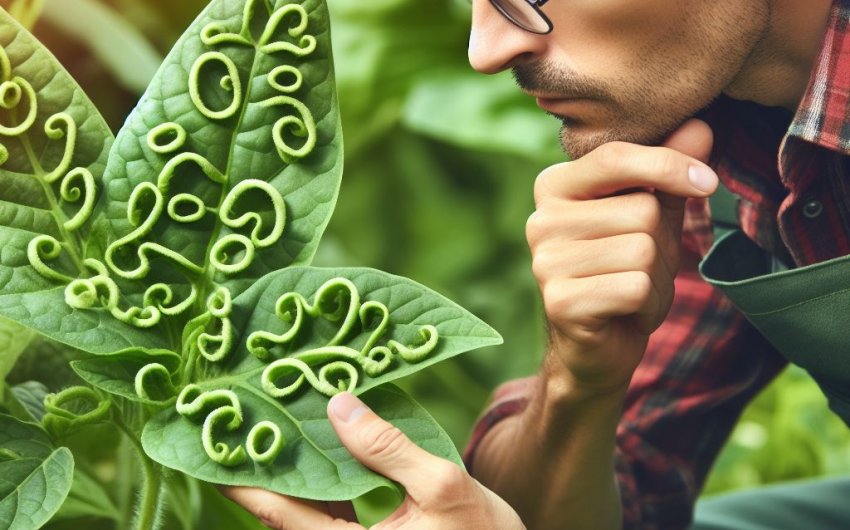
Observing your beloved garden plants thrive is one of the most rewarding aspects of gardening. Yet, even the most experienced green thumbs occasionally face perplexing challenges. Among the more common and frustrating issues is the phenomenon of curled leaves. When leaves begin to roll, cup, or crinkle, it's a clear signal that something is amiss. This symptom can be a source of bewilderment for gardeners, as it often points to a range of potential problems, from environmental stressors to hidden pests or diseases.
A plant's leaves are like its solar panels, crucial for photosynthesis and overall health. When they curl, their ability to capture sunlight and perform vital functions is compromised, ultimately impacting growth and yield. Decoding the curling conundrum requires a bit of detective work, but with the right knowledge, you can diagnose the issue and apply effective solutions. This guide aims to demystify the various reasons behind leaf curling and provide practical steps to help your plants unfurl their foliage and return to vibrant health.
What Causes Leaves to Curl? Understanding the Basics
Curled leaves are not a disease in themselves, but rather a symptom, much like a fever in humans. They indicate that the plant is under some form of stress. Understanding the basic reasons why plants curl their leaves is the first step in diagnosing and solving the problem. Plants curl their leaves primarily as a protective mechanism to reduce stress.
How Does Water Stress Lead to Leaf Curling?
Water stress is one of the most common reasons for leaf curling. Plants need a consistent supply of water to transport nutrients, maintain turgor (internal water pressure that keeps cells rigid), and perform photosynthesis. When they don't have enough water, or sometimes too much, their leaves react dramatically.
- Underwatering (Drought Stress): When a plant is underwatered, its cells lose turgor. To conserve precious moisture and reduce water loss through transpiration (the process of water evaporating from leaves), the plant will curl its leaves inward, roll them, or even drop them. This reduces the surface area exposed to the sun and wind, effectively minimizing water evaporation. The leaves might also feel crispy or dry to the touch. A soil moisture meter can help you determine if your plant needs water.
- Overwatering: Paradoxically, overwatering can also lead to symptoms similar to underwatering, including curling leaves and wilting. When soil is constantly soggy, roots become deprived of oxygen and can start to rot. Damaged roots cannot effectively absorb water and nutrients, leading to the plant suffering from what is essentially drought-like conditions even though there's plenty of water in the soil. Leaves might also turn yellow and feel limp. Ensure your pots have good drainage holes.
Finding the right watering balance is critical for healthy, unfurled leaves.
Why Do Temperature Extremes Cause Leaves to Curl?
Temperature extremes can be a significant stressor for plants, causing them to curl their leaves as a defense mechanism. Plants thrive within specific temperature ranges, and deviations from these can disrupt their physiological processes.
- Excessive Heat: When temperatures soar, plants can experience heat stress. High heat increases the rate of transpiration, meaning the plant loses water through its leaves very quickly. To reduce this water loss and protect delicate leaf tissue from scorching, plants will often cup their leaves upward or roll them tightly. This lessens the surface area exposed to direct sunlight and intense heat. It's a way for the plant to self-shade.
- Cold Stress (Cold Shock): Sudden drops in temperature, especially cold drafts or unexpected frosts, can also cause leaves to curl downward, become stiff, or even turn purplish. This is the plant reacting to cellular damage from the cold, trying to protect its tissues. For container plants, a plant caddy with wheels can make it easy to move them indoors during cold snaps.
Protecting plants from sudden and extreme temperature fluctuations is vital for preventing leaf curling.
How Do Pests Lead to Curled and Distorted Leaves?
Pests are a very common cause of curled and distorted leaves. Many sap-sucking insects feed on the plant's juices, and in doing so, they can inject toxins, withdraw essential nutrients, or simply cause physical damage that leads to leaf deformation.
- Aphids: These tiny, soft-bodied insects often cluster on new growth and the undersides of leaves. As they feed, they suck out plant sap, and their saliva can contain toxins that cause leaves to curl, pucker, or twist. New leaves are particularly vulnerable. You might also see honeydew (a sticky residue) and sooty mold (black fungus) associated with aphid infestations.
- Whiteflies: These small, white, winged insects also feed on sap from the undersides of leaves. Their feeding can cause leaves to yellow, curl, and stunt growth. Like aphids, they also produce honeydew.
- Thrips: These tiny, slender insects scrape plant cells and suck out the contents. Their feeding can cause silvery streaks, distortion, and curling of new leaves, often with black specks of their droppings.
- Mites (e.g., Spider Mites): These are incredibly tiny arachnids that feed on plant cells, often causing stippling (tiny dots) on leaves, followed by curling, browning, and fine webbing on the undersides of leaves, especially in dry conditions. A handheld magnifying glass is often needed to spot them.
Regular inspection and prompt action against pests are crucial to prevent leaf curling caused by infestations.
Why Do Nutrient Deficiencies or Excesses Affect Leaf Shape?
Nutrient deficiencies or excesses can significantly impact a plant's health and lead to curled or distorted leaves. Plants need a balanced supply of essential nutrients for proper growth and development.
- Nutrient Deficiencies:
- Calcium Deficiency: Often seen in fruiting plants like tomatoes, a lack of calcium can lead to blossom end rot on fruits and also cause new leaves to curl, twist, or become distorted.
- Boron Deficiency: Though less common, boron deficiency can also cause curling or distortion of new growth and stunted development.
- Magnesium Deficiency: Can cause older leaves to yellow between the veins and sometimes curl.
- Nutrient Excess (Fertilizer Burn): Too much fertilizer, especially nitrogen, can also lead to leaf issues. This typically causes leaves to curl downward and their tips to burn (turn brown and crispy). This happens because high salt concentrations in the soil draw water out of the plant, essentially creating a drought effect. Always follow fertilizer instructions carefully. A soil testing kit can help determine nutrient imbalances.
Maintaining optimal soil health and balanced fertilization is vital for preventing leaf curling due to nutrient issues.
1. Watering Wisdom: Finding the Right Balance
Since water stress is a primary cause of curled leaves, mastering your watering wisdom is perhaps the most important solution. Both too little and too much water can trigger this protective response in plants.
How to Correct Underwatering and Drought Stress?
If your plant's leaves are curling, feeling dry or crispy, and the soil is parched, it's a clear sign of underwatering or drought stress. Here's how to fix it:
- Deep and Thorough Watering: Water slowly and deeply until water drains from the bottom of the pot (for container plants) or the soil is moist several inches down (for in-ground plants). This encourages deep root growth.
- Soak Method for Potted Plants: For severely dehydrated potted plants, place the pot in a larger container of water for 30 minutes to an hour, allowing the plant to absorb water from the bottom up.
- Check Soil Moisture Regularly: Instead of watering on a strict schedule, feel the soil. Stick your finger 1-2 inches deep (for small pots) or 3-4 inches deep (for larger plants). If it feels dry, it's time to water. A soil moisture meter can also provide accurate readings.
- Mulch: For outdoor plants, apply a 2-4 inch layer of organic mulch (like wood chips or straw) around the base of plants. Mulch helps retain soil moisture, reduces evaporation, and regulates soil temperature. A bag of organic garden mulch is a great investment.
Consistent, appropriate watering is fundamental for unfurling those curled leaves.
How to Resolve Overwatering Issues and Root Rot?
Overwatering is a silent killer for many plants, and its symptoms, including curled leaves, can mimic underwatering. The key is to identify the underlying problem: perpetually soggy soil and potential root rot.
- Improve Drainage:
- For Potted Plants: Always use pots with drainage holes. If your current pot lacks them, repot into a pot with holes. Ensure the potting mix is well-draining; avoid heavy garden soil. Consider adding perlite or vermiculite to improve drainage.
- For In-Ground Plants: Amend heavy clay soils with organic matter (compost, well-rotted manure) to improve soil structure and drainage.
- Allow Soil to Dry Out: Let the top few inches of soil dry out completely before watering again. Do not water on a fixed schedule; water only when the plant truly needs it.
- Check Roots (If Severe): If you suspect severe root rot (mushy, smelly roots), gently unpot the plant. Trim away any rotten roots with clean shears, then repot into fresh, well-draining soil.
- Reduce Watering Frequency: Adjust your watering routine to be less frequent but deep.
Resolving overwatering means addressing both how often you water and the drainage capabilities of the soil and container.
Why is Consistent Watering So Important for Happy Leaves?
Consistent watering is paramount for preventing leaf curling and maintaining overall plant health. Erratic watering schedules, oscillating between periods of drought and saturation, are highly stressful for plants.
- Stable Environment: Plants thrive in stable conditions. Consistent moisture levels allow roots to function optimally, absorbing water and nutrients without stress.
- Preventing Stress Response: When water availability fluctuates wildly, plants repeatedly engage their stress responses (like curling leaves) which expends energy and diverts resources from growth and productivity.
- Root Health: Consistent, appropriate watering fosters a healthy, extensive root system. Robust roots are better equipped to absorb water even when conditions aren't perfect, making the plant more resilient.
Develop a regular checking habit for soil moisture, adapting to weather, plant size, and growth stage, to provide the consistent watering that keeps leaves happy and flat.
2. Environmental Adjustments: Protecting from Extremes
Beyond water, the surrounding environment plays a huge role in a plant's comfort. Temperature extremes and other environmental factors can trigger leaf curling. Making smart adjustments can protect your plants.
How to Protect Plants from Excessive Heat?
Excessive heat often leads to leaves curling upward or rolling inward, as plants try to cope with rapid water loss and prevent scorching. Here's how to protect them:
- Provide Shade: For outdoor plants, especially during peak summer heat, offer temporary shade. This could be a shade cloth draped over a frame, or strategically placing taller plants to cast afternoon shade. For potted plants, move them to a shadier spot during the hottest part of the day.
- Adequate Watering: Ensure plants are well-hydrated before and during heatwaves. Water deeply in the early morning so moisture is available when temperatures rise.
- Mulch: A layer of mulch helps keep soil temperatures cooler and more consistent, reducing root stress from heat.
- Increase Airflow: Good air circulation around plants can help dissipate heat. Avoid overcrowding plants.
Protecting plants from intense heat helps them retain moisture and keeps their leaves flat and healthy.
What Solutions Are There for Cold Stress or Drafts?
Cold stress, whether from sudden temperature drops, unexpected frosts, or cold drafts, can cause leaves to curl downward, sometimes becoming stiff or even turning purplish. Here's how to mitigate the damage:
- Move Potted Plants Indoors: If outdoor temperatures are forecast to drop below your plant's tolerance, bring potted plants indoors. For tropical houseplants, keep them away from cold windows or drafty doors in winter.
- Protect Outdoor Plants: For tender outdoor plants, use a row cover or a plant blanket to protect them from unexpected cold snaps. Water plants well before a frost, as moist soil retains heat better.
- Block Drafts: Identify and block cold drafts indoors, especially near windows or vents where houseplants are placed.
- Gradual Acclimation: When moving plants between indoors and outdoors (hardening off), do so gradually, allowing them to adjust to new temperatures over several days.
Preventing cold shock is key to avoiding cold-induced leaf curling and damage.
How Does Light Intensity Impact Leaf Shape?
Light intensity can also play a role in leaf curling, as too much or too little light can stress a plant.
- Too Much Light (Sun Scorch): Plants adapted to lower light conditions can experience sun scorch when exposed to intense, direct sunlight. Their leaves might curl or roll inward, turn pale, yellow, or even develop bleached patches. This is the plant's attempt to reduce its exposed surface area to the harsh light.
- Solution: Move plants to a shadier location or provide partial shade, especially during the hottest part of the day.
- Too Little Light (Less Common for Curling): While less common for curling specifically, inadequate light can lead to leggy growth, pale leaves, and a general lack of vigor, making the plant more susceptible to other stressors.
Understanding your plant's specific light requirements and adjusting its placement accordingly will help prevent leaf curling related to light stress.
3. Pest Patrol: Identifying and Treating Infestations
When leaves start to curl or distort, especially on new growth, pests should be high on your suspect list. Early detection and targeted treatment are crucial for chemical-free aphid control and other sap-sucking insects.
How to Identify and Treat Aphids on Curled Leaves?
Aphids are notorious for causing leaf curling. They typically cluster on new, tender growth. Look for:
- Tiny, pear-shaped insects (green, black, yellow, etc.)
- Sticky honeydew on leaves and surfaces below
- Sooty mold (black, powdery film)
- Ants, which "farm" aphids for honeydew
Treatment for Aphids:
- Strong Water Spray: For mild to moderate infestations, a strong jet of water from a garden hose can dislodge aphids. Repeat every few days until they're gone. A garden hose nozzle with jet spray is effective.
- Hand Removal: For small plants or light infestations, physically wipe or squish aphids off with your fingers or a damp cloth.
- Insecticidal Soap: Mix insecticidal soap concentrate with water according to package directions and spray thoroughly, coating all infested areas, especially undersides of leaves. It works by contact, so complete coverage is essential. Repeat every 5-7 days.
- Neem Oil: A natural insecticide that acts as a growth regulator and feeding deterrent. Mix neem oil concentrate with water and a tiny bit of soap (emulsifier) and spray all plant surfaces. Apply in the evening.
Always re-inspect regularly to ensure the infestation is under control.
What Are the Signs and Treatments for Mites (Spider Mites)?
Mites, especially spider mites, are tiny arachnids that are difficult to see with the naked eye, but their damage is very noticeable, including leaf curling, stippling, and fine webbing. They thrive in hot, dry conditions. Look for:
- Tiny speckles or stippling (pale dots) on leaves.
- Yellowing or bronzing of leaves.
- Fine, delicate webbing on the undersides of leaves or between stems.
- Leaves feeling rough or sandy to the touch.
- Leaves curling inward or downward as they become severely damaged.
Treatment for Mites:
- Increase Humidity: Mites hate humidity. Misting plants regularly or using a humidifier can help deter them.
- Strong Water Spray: Similar to aphids, a strong jet of water can physically dislodge mites. Focus on the undersides of leaves.
- Insecticidal Soap: Thoroughly spray all affected areas with insecticidal soap, ensuring excellent coverage. Mites are often resistant to some pesticides, so consistent application of soap is key.
- Neem Oil: Effective as a repellent and can disrupt their life cycle.
- Beneficial Mites: For severe or recurring problems, consider releasing beneficial predatory mites (e.g., Phytoseiulus persimilis), which specifically feed on spider mites.
Consistent monitoring and early intervention are essential for mite control.
How to Deal with Whiteflies and Thrips Causing Leaf Curling?
Whiteflies and thrips are other common sap-sucking pests that can cause leaf curling and distortion, especially on new growth.
- Whiteflies: Small, white, moth-like insects that flutter up when disturbed from the undersides of leaves. They also excrete honeydew.
- Treatment: Strong water sprays, yellow sticky traps to monitor and catch adults, insecticidal soap, and neem oil. Introduce beneficial insects like parasitic wasps or lacewings for outdoor control. A pack of yellow sticky traps can help identify and reduce whitefly numbers.
- Thrips: Tiny, slender insects that cause silvery streaks on leaves, distortion of new growth, and sometimes black dots (their fecal matter). They can be difficult to see.
- Treatment: Prune off heavily infested parts, use insecticidal soap, or neem oil. Blue sticky traps are sometimes more effective for thrips than yellow ones. Introduce beneficial insects like predatory mites.
Consistent vigilance and repeated treatments are often necessary for managing these pervasive pests.
4. Nutritional Nuances: Feeding Your Plants Right
Just like humans, plants need the right nutrients in the right amounts to thrive. Nutrient deficiencies or excesses can manifest as curled or distorted leaves. Understanding your soil and providing balanced nutrition is key.
What are the Signs and Solutions for Calcium Deficiency?
Calcium deficiency is a common cause of leaf curling, especially in fruiting plants like tomatoes. Calcium is crucial for cell wall development, particularly in new growth.
- Signs: New leaves curl upwards and become distorted, often with dark green, leathery texture. In tomatoes, it's frequently accompanied by blossom end rot (a black, leathery spot on the bottom of the fruit).
- Causes: It's rarely a lack of calcium in the soil itself, but rather an inability of the plant to absorb or transport it, often due to inconsistent watering (fluctuations in soil moisture), root damage, or very rapid growth.
- Solutions:
- Consistent Watering: Ensure steady, even soil moisture. Avoid drought-to-flood cycles.
- Soil pH: Ensure your soil pH is in the optimal range for your plant, as extreme pH can lock up calcium. A soil pH meter can help.
- Add Calcium (Carefully): While not usually the primary issue, if soil tests confirm very low calcium, you can add gypsum or bone meal to the soil. For quick, temporary relief, some gardeners use a foliar spray of calcium chloride solution on leaves and fruits, but correcting the watering issue is paramount.
Addressing the underlying issue of water inconsistency is usually the most effective solution for calcium deficiency.
How to Avoid Fertilizer Burn and Nutrient Excess?
Fertilizer burn (or nutrient excess) occurs when plants receive too much fertilizer, leading to an overload of salts in the soil. This can cause leaves to curl downward, turn brown at the tips and edges, and generally look burnt or crispy.
- Signs: Leaves curl downward, tips and edges brown and crisp, overall wilting even with moist soil. Plants look stunted or unhealthy despite recent fertilization.
- Causes: Over-application of synthetic fertilizers, or applying fertilizer to dry soil.
- Solutions:
- Leach the Soil: For potted plants, flush the soil thoroughly with plain water several times, allowing it to drain out. This helps wash away excess salts. For in-ground plants, give them a very deep, long watering.
- Reduce Fertilizer Application: Always follow fertilizer instructions carefully, or even dilute to half strength, especially for sensitive plants.
- Use Slow-Release/Organic Fertilizers: Slow-release organic fertilizers release nutrients gradually, making it much harder to over-fertilize.
- Avoid Fertilizing Stressed Plants: Never fertilize a plant that is already struggling with water stress, pests, or disease.
Proper fertilization is about balance and moderation to prevent leaf curling from nutrient overload.
Why is Soil pH Important for Nutrient Availability?
Soil pH (the measure of soil acidity or alkalinity) is a critical factor for nutrient availability and can indirectly contribute to leaf curling if it's not in the optimal range for your plants.
- Nutrient Lock-Up: Most plants have a preferred pH range (often slightly acidic to neutral, between pH 6.0 and 7.0). If the pH is too high or too low, even if nutrients are present in the soil, the plant cannot absorb them efficiently. This leads to nutrient deficiencies, which can then cause leaf curling or discoloration.
- Testing: Use a soil testing kit to determine your soil's pH.
- Adjusting pH:
- To Lower pH (make more acidic): Add elemental sulfur or peat moss.
- To Raise pH (make more alkaline): Add limestone (calcium carbonate).
- Potted Plants: For potted plants, the pH of your potting mix and your watering water can affect nutrient availability. Ensure your potting mix is suitable for your plant type.
Maintaining the correct soil pH ensures your plants can access the nutrients they need, promoting healthy, unfurled leaves.
5. Viral and Fungal Diseases: When Curling is a Symptom
While less common than environmental or pest issues, some viral and fungal diseases can also cause leaf curling and distortion. These often present with other distinct symptoms, making diagnosis easier.
What are the Signs of Tomato Leaf Curl Virus?
Tomato leaf curl virus (often transmitted by whiteflies) is a significant disease that causes severe leaf curling in tomato plants and can devastate yields.
- Signs:
- Upward Curling: Leaves (especially older ones) curl severely upward along the midrib, forming a tube or cup shape.
- Leathery Texture: Affected leaves become thick, brittle, and leathery.
- Stunted Growth: The entire plant becomes stunted, with reduced flower and fruit production.
- Yellowing/Purpling: Leaves may also show yellowing between veins or purplish discoloration on the undersides.
- No Pests Present: Unlike pest-induced curling, you often won't find visible pests on the curled leaves themselves, though their vectors (whiteflies) might be present.
- Cause: It's caused by a specific virus spread by whiteflies.
- Solutions:
- No Cure: There is no cure for viral diseases once a plant is infected.
- Removal: Immediately remove and destroy (do not compost) infected plants to prevent spread.
- Whitefly Control: Focus on controlling whiteflies, the vectors of the virus, to prevent new infections. Use yellow sticky traps for monitoring.
- Resistant Varieties: Plant virus-resistant tomato varieties if the virus is common in your area.
Understanding tomato leaf curl virus helps gardeners differentiate it from other causes of curling.
How Does Peach Leaf Curl (Fungus) Affect Leaves?
Peach leaf curl is a fungal disease (caused by Taphrina deformans) that primarily affects peach and nectarine trees, causing their leaves to become severely curled, distorted, and discolored.
- Signs:
- Thickening and Puckering: Young leaves emerge in spring thick, fleshy, and severely puckered or curled.
- Red/Purple Blistering: Affected leaves often develop striking red or purplish blisters.
- White Spore Layer: As the disease progresses, a powdery white layer (fungal spores) may develop on the leaf surface.
- Leaf Drop: Infected leaves eventually turn yellow or brown and fall off, sometimes leading to multiple defoliation cycles in a season.
- Cause: This fungal disease infects leaves as they emerge in cool, wet spring conditions.
- Solutions:
- Fungicide Sprays (Preventive): The most effective control is a dormant season fungicide spray in late fall after leaf drop, or in early spring before bud break. Copper-based fungicides are a common organic option. A copper fungicide spray can be effective.
- Cultural Practices: Ensure good air circulation. Rake and dispose of fallen infected leaves.
- Resistant Varieties: If planting new trees, choose resistant peach or nectarine varieties.
- No Cure for Current Infection: Once leaves are infected and curled, they cannot be cured. The goal is to protect new growth and prevent infection next year.
Peach leaf curl is distinct and often easily identifiable by its blistering and discoloration along with curling.
What Other Diseases Can Cause Leaf Distortion?
While leaf curling is a prominent symptom for tomato leaf curl virus and peach leaf curl, several other viral and fungal diseases can cause various forms of leaf distortion, including curling, puckering, or crumpling.
- Other Viral Diseases: Many plant viruses can cause a range of symptoms including stunted growth, mosaic patterns (light and dark green patches), yellowing, and leaf distortion or curling. Like tomato leaf curl, there's generally no cure for viral diseases, and the best approach is removing infected plants and controlling insect vectors (like aphids or whiteflies) that spread the viruses.
- Fungal Leaf Spots: While usually causing spots, severe cases of some fungal leaf spot diseases can lead to tissue death and subsequent curling or distortion as the leaf reacts to the damage. Good air circulation and keeping foliage dry can help prevent these.
- Herbicide Damage (Non-Disease): It's worth noting that inadvertent exposure to herbicides (weed killers) can cause severe leaf curling, cupping, or strapping, especially on sensitive plants like tomatoes. This is a common form of chemical damage, not a disease, but it visually resembles some disease symptoms. Always be careful when using herbicides near desirable plants.
Careful observation for other accompanying symptoms (spots, discoloration, stunting, presence of insects) is key to accurately diagnosing disease-related leaf curling.