
Banishing Blossom End Rot: Prevention and Treatment
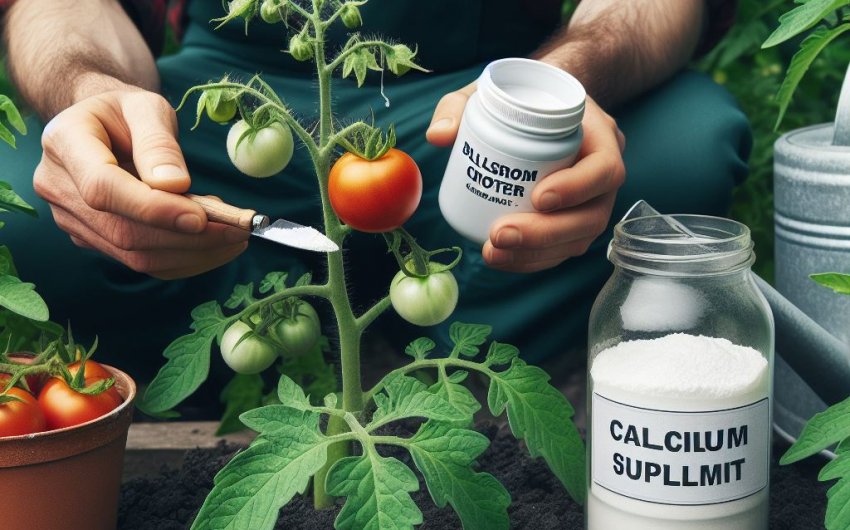
There’s little that’s more frustrating for a gardener than seeing your beautiful, ripening tomatoes, peppers, or squash suddenly develop a dark, sunken spot on the bottom. This disheartening sight is often the tell-tale sign of blossom end rot, a common physiological disorder that affects many fruiting vegetables. It can turn a promising harvest into a collection of unappetizing, ruined produce.
While blossom end rot isn't caused by a pest or a disease pathogen, it's a direct result of how the plant absorbs and uses nutrients, specifically calcium. Understanding the root causes of this issue is the first step toward preventing it and ensuring your garden thrives. Don't despair if you've seen it; with the right knowledge and a few adjustments, you can banish blossom end rot from your garden for good.
What Causes Blossom End Rot?
Blossom end rot isn’t a disease in the typical sense, meaning it's not caused by a fungus, bacteria, or virus. Instead, it’s a physiological disorder, which means it’s related to how the plant functions. The main culprit behind blossom end rot is a lack of calcium in the developing fruit. Now, this doesn’t always mean there isn’t enough calcium in your soil. More often, it means the plant isn't able to get the calcium it needs to the right place at the right time.
The Role of Calcium in Plant Health
Calcium is a super important nutrient for plants, just like it is for our bones. For plants, calcium is a key building block for cell walls. Imagine the walls of a house; they need to be strong and rigid to hold everything together. Plant cells are similar, and calcium helps make those cell walls strong and firm. When a fruit, like a tomato or pepper, is growing rapidly, it needs a constant supply of calcium to build new, healthy cells.
If there isn't enough calcium available during this rapid growth phase, the new cells that form at the very end of the fruit (where the flower once was, the "blossom end") become weak and collapse. This collapse of cells is what you see as the dark, sunken spot. It’s a bit like trying to build a wall without enough bricks; the wall just won’t be strong.
Why Calcium Isn't Reaching the Fruit
Even if your soil test shows plenty of calcium, your plants might still suffer from blossom end rot. This is because getting calcium into the plant and then specifically to the fruit is a delicate process that relies heavily on water. Calcium is absorbed by the roots along with water and then moves up through the plant in the xylem, which are like tiny pipes that transport water and nutrients.
Here are the main reasons why calcium might not reach the fruit efficiently:
- Inconsistent Soil Moisture: This is the number one cause of blossom end rot. Plants need a steady supply of water to transport calcium. If the soil goes from very wet to very dry, and then back to wet, the plant struggles to take up water and, by extension, calcium. When the soil dries out, the flow of water (and calcium) slows down or stops. When it suddenly gets water again, the plant might not be able to re-establish a steady flow quickly enough. This erratic watering pattern is often more damaging than consistently dry conditions. Imagine a hose that keeps getting kinks in it.
- Rapid Growth: Sometimes, if a plant is growing very, very fast (like after a sudden warm spell following cool weather), the fruit develops so quickly that the plant simply can't move calcium to the new cells fast enough, even if moisture is consistent. The demand outstrips the supply.
- Root Damage: Anything that damages the roots, such as cultivating too close to the plant, transplant shock, or even diseases that affect root health, can hinder the plant's ability to absorb water and calcium. Healthy roots are crucial for nutrient uptake.
- Soil pH Imbalance: While less common than inconsistent watering, extreme soil pH can make calcium less available to plants. If your soil is too acidic (low pH) or too alkaline (high pH), calcium might be present but "locked up" and unavailable for plant uptake. Most vegetables prefer a slightly acidic to neutral pH (around 6.0-7.0).
- Excessive Nitrogen Fertilizer: High nitrogen fertilizers promote lush, leafy growth. While leaves are important, too much nitrogen can lead to an imbalance, causing the plant to prioritize leafy growth over fruit development, which can indirectly affect calcium distribution to the fruit. It can also cause the plant to grow too fast, leading to the "rapid growth" issue mentioned earlier.
- Cold Soil Temperatures: Early in the season, if the soil is still quite cold, it can slow down the plant's metabolism and its ability to absorb water and nutrients, including calcium. This is why you often see blossom end rot on the first few fruits of the season.
How Do I Identify Blossom End Rot Symptoms?
Identifying blossom end rot is usually quite straightforward once you know what to look for. It has very distinct symptoms that are hard to confuse with other plant problems.
Typical Appearance of Affected Fruit
The symptoms of blossom end rot always appear at the blossom end of the fruit – that’s the part of the fruit farthest from the stem, where the flower once was. You'll never see it on the side or stem end of the fruit.
- Small, Water-Soaked Spot: It usually begins as a small, slightly water-soaked or bruised-looking spot. It might be light brown or yellowish-brown at first.
- Darkening and Enlarging Lesion: As the disorder progresses, the spot will grow larger and become darker. It turns leathery and sunken, eventually becoming dark brown or black. The affected area can range from a small dime-sized spot to covering half or more of the fruit.
- Leathery, Sunken Appearance: The affected tissue dries out, giving it a characteristic leathery or paper-thin texture. The spot often becomes concave, pulling inward as the cells collapse.
- Secondary Infections: While blossom end rot itself isn't caused by a pathogen, the damaged tissue creates an easy entry point for fungi and bacteria. It's very common to see secondary rots develop on top of the blossom end rot, turning the affected area soft, mushy, or moldy. This is why you might see fuzzy mold growing on the black spot.
Which Plants Are Most Affected?
While tomatoes are the most famous victims, several other common garden vegetables are highly susceptible to blossom end rot.
- Tomatoes: By far the most common and widely recognized victim. Tomato blossom end rot is a familiar sight to many gardeners. It can affect all varieties, but sometimes it seems more prevalent in larger-fruited varieties or those grown in containers.
- Peppers: Both sweet peppers and hot peppers can suffer from blossom end rot. The symptoms are very similar to those on tomatoes, appearing as a sunken, dark spot on the bottom of the pepper.
- Squash (Zucchini, Pumpkins, Melons): Many members of the squash family, including zucchini, cucumbers, pumpkins, and various melons, are also prone to blossom end rot. On these fruits, the symptoms often start as a soft, discolored area that quickly turns black and mushy. This can happen particularly with zucchini plants if their water needs are not met.
- Eggplant: Less common than tomatoes or peppers, but eggplants can also develop blossom end rot. The symptoms are similar to those seen on peppers.
It’s important to note that once a fruit shows symptoms of blossom end rot, it cannot recover. The damage is permanent. You should remove affected fruits to encourage the plant to put its energy into producing new, healthy fruit.
How Do I Prevent Blossom End Rot?
Preventing blossom end rot is much easier and more effective than trying to treat it once it appears. The key is to create stable growing conditions that allow your plants to consistently absorb and transport calcium.
Consistent Watering is Key
This is the single most important factor in preventing blossom end rot. Remember, calcium moves with water.
- Regular, Deep Watering: Aim for deep, consistent watering, especially during dry spells and when fruits are developing. Instead of frequent, shallow watering, which encourages shallow roots, water deeply to encourage roots to grow down into the soil. This makes them more resilient to brief periods of surface dryness. A general rule is about 1 inch of water per week, either from rain or irrigation, but this can vary based on soil type and temperature.
- Avoid Wet-Dry Cycles: Try to keep the soil consistently moist, but not waterlogged. Allowing the soil to dry out completely between waterings, and then suddenly flooding it, is the most common trigger for blossom end rot.
- Mulch: Applying a layer of mulch around your plants is incredibly effective. Mulch (like straw mulch, wood chips, or shredded leaves) helps retain soil moisture by reducing evaporation. It also helps to keep soil temperatures more even, preventing rapid fluctuations that can stress plants. Apply a 2-4 inch layer, keeping it a few inches away from the plant stem.
- Drip Irrigation or Soaker Hoses: These methods are excellent for providing consistent moisture directly to the root zone without wetting the foliage, which can help prevent some foliar diseases. A drip irrigation kit can be a great investment for consistent watering.
- Container Gardening: Plants in containers dry out much faster than those in the ground. If you’re growing tomatoes or peppers in pots, be extra diligent about watering. You might need to water daily, or even twice a day, during hot, sunny weather. Using larger pots provides more soil volume and helps with moisture retention. A good container gardening mix designed for moisture retention can also help.
Soil Health and Nutrient Management
Having healthy soil with the right balance of nutrients and pH is important for overall plant health, which in turn helps prevent blossom end rot.
- Soil Testing: If you’re a serious gardener or consistently face problems, consider getting a soil test. This will tell you the current nutrient levels and pH of your soil. Your local extension office can provide information on how to do this. A soil test will confirm if you actually have a calcium deficiency in soil.
- Balanced Fertilization: Use a balanced fertilizer, or one specifically formulated for vegetables, that doesn’t have excessively high nitrogen. Too much nitrogen can cause rapid leafy growth, as discussed earlier. Look for fertilizers where the first number (Nitrogen) isn't overwhelmingly higher than the second (Phosphorus) and third (Potassium) numbers.
- Adequate Calcium in Soil (if deficient): If a soil test indicates a true calcium deficiency in your soil (which is less common than water issues), you can amend the soil.
- Gypsum: Garden gypsum (calcium sulfate) adds calcium without significantly changing soil pH. It's a good choice if your pH is already good.
- Bone Meal: A slow-release source of calcium and phosphorus. Bone meal fertilizer is great for perennial gardens and can be worked into the soil.
- Eggshells: While often recommended, eggshells break down very slowly in the soil, so they aren't an immediate fix. They are a good long-term soil amendment for adding calcium. You need to crush them very finely for them to be effective.
- Dolomitic Lime: If your soil test indicates low calcium and low pH (acidic soil), dolomitic lime is an excellent choice as it provides both calcium and magnesium and raises the soil pH. Only use if your pH needs to be raised.
- Avoid Root Disturbance: Try to minimize digging or cultivating around the base of your plants once they are established. This can damage delicate feeder roots, which are essential for water and nutrient uptake. If you need to weed, do it carefully by hand or use mulch to suppress weeds.
- Planting at the Right Time: Avoid planting too early when soil temperatures are still very low. Cold soil can inhibit root activity and calcium uptake. Wait until the danger of frost has passed and the soil has warmed up sufficiently, typically when nighttime temperatures consistently stay above 50-55°F (10-13°C).
Plant Selection and Care
- Choose Appropriate Varieties: While all varieties can be affected, some heirloom tomato varieties are considered more susceptible. If you consistently struggle with blossom end rot, consider trying blossom end rot resistant varieties of tomatoes and peppers. Research varieties known to perform well in your area.
- Proper Spacing: Give your plants enough space to grow. Good air circulation is generally beneficial, and while not a direct cause of BER, overcrowded plants can compete more for water and nutrients.
- Avoid Over-Fertilizing with Nitrogen: As mentioned before, too much nitrogen can lead to excessive leafy growth at the expense of fruit development and potentially stress the plant’s ability to move calcium effectively. Stick to balanced fertilizers or those lower in nitrogen once fruits start forming.
- Support for Plants: For tomatoes, proper staking or caging (using tomato cages or plant stakes) helps support the heavy fruit load and prevents branches from breaking. While not directly related to BER, a less stressed plant is generally healthier.
How Do I Treat Blossom End Rot Once It Appears?
Once a fruit shows symptoms of blossom end rot, that particular fruit cannot be "cured." The damaged cells cannot be repaired. However, there are steps you can take to prevent future fruits on the same plant from developing the disorder. It's all about correcting the underlying issues that led to the problem.
What to Do with Affected Fruit
- Remove Affected Fruit: The first thing to do is remove any fruit showing signs of blossom end rot. These fruits will not recover, and leaving them on the plant just takes energy away from healthy fruit development. Plus, the damaged tissue can attract pests or secondary diseases. Discard them or add them to your compost pile (unless they are severely rotted with secondary infections).
- Don't Eat Affected Parts: While the disorder itself is not harmful, the affected, dark, sunken part of the fruit is unpalatable. If the rest of the fruit is still firm and healthy, you can cut off the bad part and eat the rest, especially if it's a minor spot. However, if there's any sign of mold or mushiness from secondary infections, it's best to discard the entire fruit.
Immediate Actions to Address the Root Cause
Since the issue is almost always related to water movement and calcium uptake, your immediate actions should focus on stabilizing the plant’s environment.
- Stabilize Watering: This is the most crucial step. Immediately establish a routine of consistent, deep watering. If you've been inconsistent, now is the time to commit to regular watering. Feel the soil before watering; it should be moist a few inches down. If it feels dry, water thoroughly. If you are experiencing a dry spell, ensure your plants are receiving sufficient water.
- Apply Mulch: If you haven't already, apply a 2-4 inch layer of organic mulch (like straw, shredded leaves, or wood chips) around the base of your plants. This helps immensely with moisture retention and regulating soil temperature. Remember to keep the mulch a few inches away from the plant stems to prevent stem rot.
- Temporary Calcium Boost (Foliar Sprays - Use with Caution):
- Calcium Chloride Sprays: Some gardeners try foliar sprays containing calcium (like a calcium chloride spray designed for plants). While these can provide a very quick, temporary boost of calcium directly to the leaves, they are generally not a long-term solution for blossom end rot. Calcium primarily moves up through the plant via the roots, and very little moves from the leaves to the fruit. However, some gardeners report anecdotal success with very early applications on young fruit. Always dilute foliar sprays properly to avoid burning the leaves and always test on a small area first.
- Milk or Epsom Salts: There's a common myth that spraying milk or Epsom salts will cure blossom end rot. This is generally not effective. Milk contains very little usable calcium for plants, and Epsom salts provide magnesium, not calcium. These are not recommended treatments for blossom end rot.
- Evaluate Fertilization: If you've recently applied a high-nitrogen fertilizer or are routinely using one, consider switching to a more balanced fertilizer (like a tomato fertilizer or vegetable plant food) for future applications, or simply reducing the frequency of feeding until the problem subsides.
Long-Term Treatment and Prevention
The best "treatment" is to implement all the prevention strategies outlined earlier. Consistent management throughout the growing season is crucial.
- Ongoing Consistent Watering: Don't slack off on watering once the first flush of affected fruit is removed. Maintain that consistent moisture level. This is the single most effective "treatment" for future fruits.
- Check Soil pH: If you suspect a soil pH issue (perhaps your soil test indicates it, or you're growing in very acidic or alkaline conditions), work to adjust it over time. This is a slower process, but vital for overall nutrient availability. Your local extension office can guide you on the right amendments.
- Improve Soil Structure: Adding organic matter (like compost or well-rotted manure) to your soil annually improves its ability to hold moisture and nutrients. Healthy, rich soil is the foundation for healthy plants.
- Ensure Proper Drainage: While consistency is key, you don't want waterlogged soil. If your garden beds have poor drainage, improve it by amending with organic matter or creating raised beds. Excessively wet soil can suffocate roots and inhibit water/nutrient uptake.
- Patience: Often, once you correct the watering issues and other environmental stressors, the plant will produce healthy fruit in the next flush. Blossom end rot often affects the first fruits of the season because the plant is still establishing itself and dealing with early-season fluctuations. Don’t give up on your plant just because a few early fruits were affected.
Remember, blossom end rot is a symptom of environmental stress, not a disease that spreads from plant to plant. By focusing on consistent water delivery, proper soil health, and balanced nutrition, you can greatly reduce or eliminate the occurrence of this frustrating disorder and enjoy a bountiful harvest of beautiful, unblemished produce from your garden.