
Mildew Mayhem: Tackling Powdery Mildew Issues Head-On
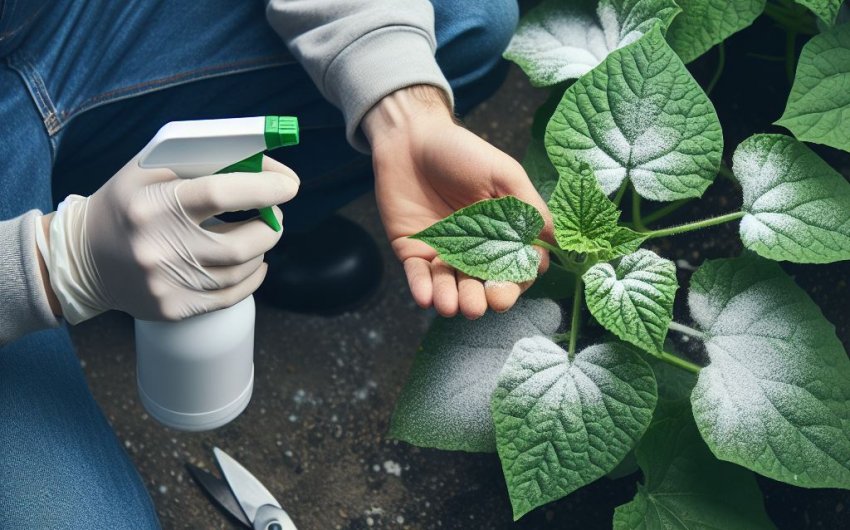
The sight of a delicate white dusting on your beloved plants can send a shiver down any gardener's spine. This tell-tale sign often heralds the unwelcome arrival of powdery mildew, a common fungal disease that can quickly spread, marring foliage, stunting growth, and diminishing the beauty of your garden. From the vibrant blooms of roses to the tender leaves of squash, few plants are truly immune to its pervasive reach. Understanding this insidious foe is the first step in protecting your green companions and ensuring your garden remains a thriving, picturesque haven rather than a battleground of mildew mayhem.
While the sight of powdery mildew can be disheartening, it's far from a death sentence for your plants. With the right knowledge and proactive strategies, you can tackle these issues head-on, effectively managing outbreaks and even preventing them from taking hold. This comprehensive guide will equip you with the insights and practical tips needed to identify, treat, and prevent powdery mildew, transforming you from a worried gardener into a confident plant protector. Get ready to reclaim your garden from the clutches of this common fungal nuisance and enjoy healthy, vibrant foliage once more.
What Exactly is Powdery Mildew?
Powdery mildew is one of the most widespread and easily recognizable plant diseases, affecting a vast range of plants from flowers and vegetables to trees and shrubs. It's often the first disease new gardeners encounter, and its tell-tale signs make it hard to miss. Understanding what it is and how it works is the first step to tackling this mildew mayhem.
What Causes Powdery Mildew?
Powdery mildew is not caused by a single organism. It's actually a group of related fungi (plural of fungus) that cause similar symptoms on different types of plants. Each specific type of powdery mildew fungus is usually particular to a certain group of plants. For example, the fungus that causes powdery mildew on roses won't spread to your squash plants.
- Spores: The disease spreads through tiny reproductive units called spores. These spores are carried by wind or water, or even on clothing and tools, to new plants.
- Ideal Conditions: Unlike many other fungi that thrive in very wet conditions, powdery mildew prefers:
- High Humidity: A lot of moisture in the air, but often without rain or overhead watering that would wash spores away. Stagnant, humid air is a prime breeding ground.
- Moderate Temperatures: It tends to be most active in temperatures between 60-80°F (15-27°C). Very hot or very cold temperatures can slow its spread.
- Shade: Shaded or partly shaded areas are often more susceptible due to reduced air circulation and slower drying.
- Crowded Plants: Plants that are too close together create microclimates of high humidity and poor air circulation.
- Overwintering: The fungi often overwinter (survive winter) on plant debris, in buds, or on the surface of infected branches, waiting for spring conditions to become favorable again.
How Does Powdery Mildew Damage Plants?
Powdery mildew attacks the surface cells of the plant, but it rarely kills the entire plant. Its main damage includes:
- Reduced Photosynthesis: The white powdery coating literally blocks sunlight from reaching the leaves, reducing the plant's ability to make food (photosynthesis). This weakens the plant.
- Distorted Growth: New leaves, shoots, and flower buds can become twisted, distorted, stunted, or curled.
- Yellowing and Browning: Infected leaves may turn yellow, then brown, and eventually fall off prematurely.
- Reduced Blooms and Fruit: Fewer or distorted flowers may form, and fruit can be smaller, misshapen, or less flavorful. The fruit itself can also get infected, like on grapes or squash.
- Weakened Plant: Over time, a severe and repeated infection can significantly weaken the plant, making it more susceptible to other stresses, pests, and diseases, and potentially reducing its lifespan.
Which Plants Are Most Susceptible?
While almost any plant can technically get some form of powdery mildew, some are much more prone to it than others.
- Vegetables: Squash, zucchini, cucumbers, pumpkins, melons (all cucurbits), peas, beans, tomatoes, peppers.
- Fruits: Grapes, apples, roses (highly susceptible), strawberries.
- Ornamentals: Roses (very common), lilacs, phlox, monarda (bee balm), zinnias, euonymus, dogwoods, snapdragons, begonias.
- Trees: Maples, oaks, sycamores.
Knowing which plants in your garden are "risk factors" helps you be proactive in preventing mildew mayhem. A plant identification app or a garden disease guide can help with identification.
How Do I Identify and Confirm Powdery Mildew?
Recognizing powdery mildew is relatively easy once you know what to look for. Its distinctive appearance makes it stand out against green foliage. Early detection is key to controlling its spread and protecting your vibrant flower garden.
What are the Key Visual Symptoms?
The main symptom of powdery mildew is a very specific visual cue:
- White, Powdery Spots: This is the hallmark sign. It looks like a fine dusting of white flour or talcum powder on the surface of leaves, stems, flowers, and sometimes even fruit. The spots start small and circular, then grow and merge, eventually covering large areas of the plant.
- Location: While it can appear anywhere, it's most commonly seen on the upper side of older leaves first, but can quickly spread to undersides, new growth, and stems.
- Texture: If you try to rub the white growth, it may smear slightly, confirming it's a fungal growth rather than dust or another substance.
- Leaf Distortion: As the infection progresses, affected leaves may become curled, puckered, or distorted. They might turn yellow or brown and eventually drop prematurely.
- Stunted Growth: Overall plant growth may appear stunted, and flowers or fruit may be reduced in size or quality.
What Other Issues Could Look Similar?
Sometimes, a quick glance might trick you into thinking you have powdery mildew when it's actually something else.
- Dust: If your plants are near a dusty road or construction site, they might simply be covered in dust. You can test this by trying to wipe it off; dust will usually come off completely and won't reappear quickly. Powdery mildew feels more attached and often smears.
- Downy Mildew: This is a different (and often more serious) fungal disease. While it also causes a "mildew" appearance, downy mildew typically grows on the undersides of leaves and looks more purplish, grayish, or fuzzy rather than dry and powdery white. The top side of the leaf might show yellow spots. Downy mildew usually requires wet leaf surfaces for infection, unlike powdery mildew.
- Whiteflies: These tiny, white, moth-like insects might be mistaken for mold if you only see them resting on the leaves. If you shake the plant, they will fly up in a cloud. Their feeding can also cause sticky honeydew and sooty mold, which can look black but not powdery white.
- Nutrient Deficiencies: Sometimes, certain nutrient deficiencies can cause discoloration that might be confused, but they won't have the powdery coating. When in doubt, examine the affected area closely with a magnifying glass for garden pests to confirm the powdery, fungal nature of the growth.
Does Powdery Mildew Spread Quickly?
Yes, powdery mildew can spread surprisingly fast under the right conditions.
- Wind Dispersal: Its spores are very lightweight and easily carried by wind over long distances.
- Rapid Growth: Once spores land on a susceptible plant and conditions (high humidity, moderate temps) are favorable, the fungus can germinate and start to produce new powdery patches within days.
- Secondary Infections: Each new patch produces more spores, leading to a cycle of rapid secondary infections on the same plant and spreading to nearby susceptible plants.
- No Free Water Needed: This fungus is unique because it doesn't need liquid water on the leaf surface to germinate and infect, making it different from many other fungal diseases that require wet leaves. It thrives in humid, stagnant air.
Because of its rapid spread, early detection and prompt action are crucial to containing a powdery mildew outbreak before it takes over your entire flower garden.
What Are My First Steps in Tackling Powdery Mildew?
Once you've confirmed a powdery mildew infection, it's time to take action. Starting with non-chemical methods is always a good idea, as they are gentle on your plants and the environment. These initial steps are crucial for beginning your fight against mildew mayhem.
How Do I Prune Infected Plant Parts?
The very first and most important step in fighting powdery mildew is to physically remove the infected parts of the plant.
- Isolate and Remove: As soon as you notice signs of powdery mildew, carefully snip off any leaves, stems, or flowers that show the white powdery coating.
- Cut into Healthy Tissue: Make your cuts a few inches into healthy, unaffected tissue to ensure you've removed all fungal growth.
- Dispose Properly: Do NOT compost infected plant material. The spores can survive in compost and spread the disease later. Bag the infected parts and put them in the trash, or burn them if allowed in your area.
- Sanitize Tools: After each cut, disinfect your pruning shears with rubbing alcohol or a 10% bleach solution. This prevents spreading spores to healthy parts of the same plant or to other plants.
This step directly removes the source of millions of spores, immediately reducing the fungal load in your garden.
How Can I Improve Air Circulation?
Powdery mildew thrives in stagnant, humid air. Improving air circulation is a key environmental control strategy.
- Proper Spacing: When planting new flowers, ensure you provide adequate space between them, following the mature size recommendations. Overcrowding creates humid microclimates where the fungus flourishes.
- Thinning Plants: If existing plants are too dense or overgrown, selectively thin them out. Remove inner branches or leaves that are blocking airflow, especially at the bottom of the plant.
- Weed Control: Keep weeds clear from around the base of your plants. Weeds also contribute to poor air circulation.
- Strategic Planting: Avoid planting highly susceptible plants in naturally shaded, enclosed areas where air doesn't move well.
- Pruning: As mentioned above, pruning helps open up the plant canopy, allowing better air movement and sunlight penetration, which helps dry out leaf surfaces. Good airflow helps to dry leaves quickly and reduces the humidity around plants, making it less hospitable for the fungus.
What About Watering Techniques to Prevent Spread?
Your watering habits can influence the spread of powdery mildew.
- Water at the Base: Water your flowers at the base of the plant, directly on the soil, rather than using overhead sprinklers that wet the foliage. While powdery mildew doesn't need water to germinate, excessive moisture on leaves can sometimes worsen the issue or create other fungal problems.
- Water in the Morning: If you do need to water overhead (e.g., with a hose-end sprinkler), do so in the morning. This gives the leaves plenty of time to dry completely before evening, reducing humidity around the plant overnight.
- Avoid Overhead Watering in Evening: Watering in the evening or at night leaves foliage wet for extended periods, creating ideal conditions for fungal growth.
By adopting these practices, you can make your garden less inviting for powdery mildew and other fungal diseases, getting ahead in the battle against mildew mayhem. A soaker hose can deliver water directly to the roots without wetting foliage.
What Organic Treatments Can I Use for Powdery Mildew?
Once you've done your initial pruning and improved air circulation, you can move on to applying treatments. Many effective and eco-friendly options are available for tackling powdery mildew without resorting to harsh chemicals. These organic solutions can be your go-to for fighting mildew mayhem.
How Effective is a Baking Soda Spray?
A baking soda spray is a popular homemade remedy for powdery mildew, and it can be quite effective, especially for mild to moderate infections.
- How it works: Baking soda (sodium bicarbonate) is believed to alter the pH on the leaf surface, making it inhospitable for the fungal spores to grow. It also has mild fungicidal properties.
- Recipe:
- Mix 1 tablespoon of baking soda with 1 gallon of water.
- Add 1-2 teaspoons of horticultural oil or insecticidal soap (or a few drops of mild dish soap) as an emulsifier to help the solution stick to the leaves. Do NOT use strong detergents, which can harm plants.
- Application: Spray thoroughly, covering all affected plant surfaces, including the undersides of leaves.
- Frequency: Apply every 7-10 days, or after rain, until the infection is under control.
- Caution: Always do a small test spray on a few leaves first and wait 24-48 hours to check for any adverse reactions (like leaf burn), especially in hot sun. The oil or soap can sometimes intensify the sun's rays. Apply in the early morning or late evening. A simple garden sprayer makes application easy.
Can Neem Oil Help with Powdery Mildew?
Yes, neem oil is a powerful organic tool that works as both a fungicide and an insecticide, making it a versatile addition to your garden arsenal.
- How it works: Neem oil has fungicidal properties that can disrupt the growth and reproduction of powdery mildew spores. It also acts as an anti-feedant for some insect pests and can disrupt their life cycles.
- Application: Purchase a concentrated cold-pressed neem oil product specifically labeled for gardening. Follow the label directions for dilution with water (and usually a bit of mild soap as an emulsifier).
- Frequency: Apply thoroughly to all plant surfaces, including undersides of leaves, every 7-14 days as needed.
- Caution: Always perform a small test spray first. Apply in the early morning or late evening to avoid spraying in direct hot sun, which can cause leaf burn. Do not spray if temperatures are extremely hot. You can buy organic neem oil for plants.
What About Milk Sprays?
A somewhat surprising but effective remedy is a milk spray.
- How it works: The exact mechanism isn't fully understood, but it's believed that proteins in the milk react with sunlight to create natural antiseptics that kill the fungus. It also might simply act as a barrier.
- Recipe: Mix 1 part milk (skim milk or 2% is often preferred to avoid fat residue) with 9 parts water. So, a 1:9 ratio.
- Application: Spray thoroughly on affected plants.
- Frequency: Apply every week or so, especially on sunny days.
- Caution: Only use skim or low-fat milk to avoid a sour smell or residue. Like other sprays, apply in morning or evening to avoid scorching.
Are Sulfur-Based Fungicides Organic?
Yes, sulfur-based fungicides are considered organic and have been used for centuries to control fungal diseases like powdery mildew.
- How it works: Sulfur disrupts fungal cell membranes and enzyme functions, preventing spores from germinating and growing.
- Application: Available in wettable powder or liquid formulations. Mix and apply according to label instructions.
- Frequency: Apply preventatively or at the first sign of disease. Reapply as directed, often every 7-14 days.
- Caution: Sulfur can cause leaf burn, especially on certain sensitive plants (like cucurbits when sprayed with oil, or on some roses) or when applied in hot temperatures (above 85°F or 30°C). Do not apply sulfur and horticultural oil or neem oil within 10-14 days of each other, as this can cause severe phytotoxicity (plant damage). Always read the label. A sulfur fungicide spray can be very potent.
When using any spray, make sure to cover all plant surfaces evenly and thoroughly, as the solution only works where it makes contact with the fungus. Consistency is key for effective organic control of mildew mayhem.
How Can I Prevent Powdery Mildew in the First Place?
The best defense against powdery mildew is a good offense. Implementing preventative strategies can significantly reduce the chances of an outbreak, keeping your vibrant flower garden healthy and minimizing the effort needed to battle mildew mayhem. Prevention is always easier than cure!
How Do I Choose Resistant Plant Varieties?
One of the most effective long-term strategies for preventing powdery mildew is to select plant varieties that are naturally resistant to the disease.
- Look for Labels: When buying seeds or plants, look for descriptions that say "mildew resistant," "powdery mildew resistant," or "disease resistant." Plant breeders work hard to develop varieties that have genetic defenses against common diseases.
- Research Susceptible Plants: If you know certain plants are highly susceptible in your area (e.g., some types of zinnia or squash), actively seek out resistant cultivars. For example, many new zinnia series like 'Profusion' or 'Zahara' are highly resistant.
- Local Knowledge: Talk to staff at your local garden center or extension office. They often know which varieties perform best in your specific climate and are less prone to local disease pressures.
Choosing resistant varieties is a proactive step that can save you a lot of future headaches and greatly reduce your reliance on sprays.
What are Best Practices for Watering and Feeding?
Proper cultural practices are fundamental to healthy plants that can resist disease.
- Watering at the Base: Always water your flowers at the soil level, directing water to the roots and keeping the foliage dry. Avoid overhead watering, especially in the evening, as consistently wet leaves create a humid microclimate ideal for fungal spores. A soaker hose or drip irrigation is excellent for this.
- Morning Watering: If overhead watering is unavoidable, do it in the morning. This allows the sun and air to quickly dry the foliage.
- Avoid Over-fertilizing with Nitrogen: While nitrogen is essential for leafy growth, too much nitrogen can lead to excessive, lush, tender growth. This soft growth is often more susceptible to fungal diseases and can also make the plant denser, reducing air circulation.
- Balanced Feeding: Use a balanced fertilizer or one with slightly higher phosphorus and potassium (the middle and third numbers in the NPK ratio) to promote overall plant health and resilience.
- Compost: Regularly amend your soil with organic compost. Healthy soil supports strong plants, which are naturally more disease-resistant.
How Does Site Selection and Spacing Play a Role?
The location and arrangement of your plants have a huge impact on powdery mildew prevention.
- Full Sun (Where Appropriate): Most flowering plants need full sun to thrive. Choosing sunny locations helps to dry foliage quickly after rain or dew, making the environment less favorable for fungi. While powdery mildew can occur in sun, it often thrives more readily in shade.
- Adequate Spacing: This is one of the most critical preventative measures. When planting, always ensure your flowers have enough room to reach their mature size without touching or overcrowding.
- Why it helps: Proper spacing allows for excellent air circulation around and through the plant canopy. This airflow prevents stagnant, humid conditions that powdery mildew loves. It also helps leaves dry faster.
- Avoid Shady, Enclosed Spots: If possible, avoid planting highly susceptible plants in areas of your garden that are naturally shaded and have very poor air movement (e.g., tight corners surrounded by walls). If you must plant there, select shade-tolerant and disease-resistant varieties.
By combining these proactive steps, you can significantly reduce the likelihood of facing a major mildew mayhem battle in your vibrant flower garden. Consistent garden hygiene and thoughtful design are your best allies.