
Comprehensive Houseplant Care Guide: Tips for Healthy Plants
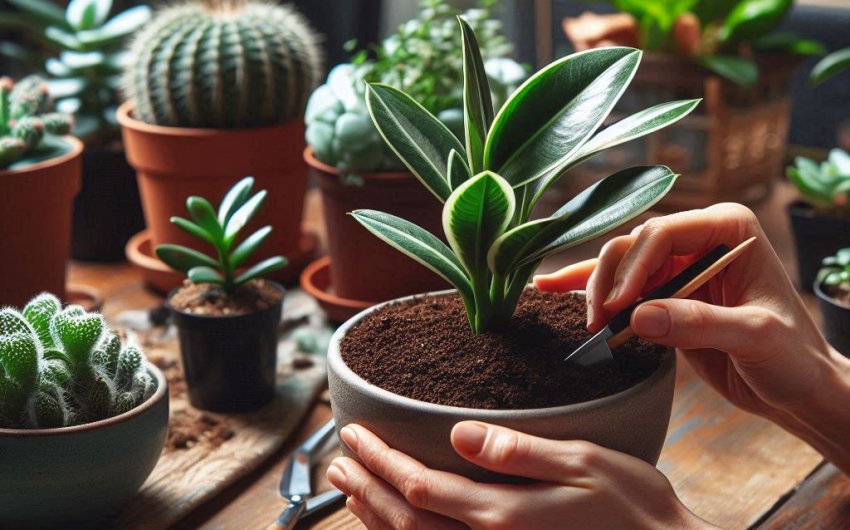
Bringing the beauty of nature indoors with houseplants can transform your living space, purify the air, and even boost your mood. However, keeping these leafy companions thriving requires more than just a pot and some water. A truly thriving indoor garden depends on understanding and meeting your plants' fundamental needs. This comprehensive houseplant care guide will equip you with the essential knowledge and practical tips to ensure your green friends not only survive but truly flourish, turning your home into a vibrant, healthy oasis.
What Are the Core Needs of Every Houseplant?
Just like any living creature, houseplants have basic requirements to stay healthy. Understanding these core needs is the foundation of good plant care.
What Fundamentals Do All Houseplants Require?
Every successful houseplant journey begins with these five crucial elements.
- Light: This is perhaps the most important factor. Plants use light for photosynthesis, the process by which they convert light energy into food. Different plants have different light requirements, ranging from low light (meaning bright, indirect light) to full sun (meaning several hours of direct sunlight). Providing the right amount of light is crucial for healthy growth and vibrant foliage.
- Water: Plants need water to transport nutrients, maintain cell structure, and cool themselves. However, the exact watering frequency and amount vary wildly between species. The key is to avoid both overwatering (which leads to root rot) and underwatering (which causes dehydration).
- Humidity: Many popular houseplants originate from tropical climates, where humidity levels are naturally high. Indoor environments, especially with heating or air conditioning, can be very dry, stressing these plants. Providing adequate humidity mimics their natural habitat.
- Soil and Nutrients: Plants get nutrients from the soil. A good quality potting mix provides essential nutrients and ensures proper drainage and aeration for the roots. Over time, these nutrients get depleted, necessitating fertilization.
- Temperature: Most houseplants thrive within a specific temperature range, typically similar to comfortable room temperatures. Sudden drafts, extreme heat, or cold snaps can stress and harm them.
Mastering Light for Your Houseplants
Light is the fuel for your plants. Getting it right is often the biggest challenge for new plant parents.
How to Provide the Right Light for Your Plants?
Matching your plant's light needs to your home's conditions is crucial for vibrant growth.
- Understanding Light Levels:
- Direct Sun: At least 6 hours of unfiltered, direct sunlight per day. Think south-facing windows (in the Northern Hemisphere) or very bright, west-facing windows. Few houseplants truly thrive in direct, harsh sun without some acclimatization or protection. Succulents, cacti, and some flowering plants (like hibiscus) are exceptions.
- Bright, Indirect Light: The most common requirement for houseplants. This means a spot near a bright window but out of the direct path of sunbeams. Examples include a few feet away from a south or west-facing window, or near an east or north-facing window. This light is strong enough to cast a soft shadow. Many popular plants like Fiddle Leaf Figs, Monstera, Pothos, and most Chinese Evergreens prefer this.
- Medium Light: Areas that are further from a window but still receive ambient light. Shadows will be soft and indistinct. Plants like many Aglaonemas, ZZ Plants, and some Dracaenas can tolerate medium light.
- Low Light: Areas that are dimly lit, typically far from any window or in a room with very small windows. True "low light" plants are rare; most tolerate low light but won't thrive or grow significantly. ZZ Plants, Snake Plants, and Cast Iron Plants are among the most tolerant.
- Observe Your Plant: Your plant will tell you if its light isn't right:
- Leggy growth (stretched out stems with widely spaced leaves): Not enough light. The plant is "reaching" for more light.
- Yellowing lower leaves (while top leaves are fine): Could be not enough light, or overwatering.
- Fading or dull colors, lack of variegation: Not enough light, especially for variegated varieties.
- Brown, crispy spots on leaves (looks like sunburn): Too much direct sun.
- Leaves curling inward or looking bleached: Too much intense light.
- Rotate Your Plants: Plants naturally grow towards the light source. Rotate your plants every week or two to ensure even growth and prevent them from leaning heavily.
- Supplemental Lighting: If your home lacks sufficient natural light, especially during winter months, a grow light for indoor plants can be a game-changer. LED grow lights are energy-efficient and effective.
The Art of Watering Your Houseplants
More houseplants die from improper watering than any other cause. It's a balance, not a schedule.
How to Properly Water Your Houseplants?
Understanding your plant's specific needs and the signals it sends is key to successful watering.
- Don't Water on a Schedule: Forget watering every Tuesday. Instead, water based on the plant's needs and the soil moisture level.
- Feel the Soil: This is the best method. Stick your finger 1-2 inches deep into the soil.
- For most plants (Pothos, Monstera, Fiddle Leaf Fig): Water when the top 1-2 inches of soil feel dry.
- For succulents and cacti: Let the soil dry out completely, often even deeper than 1-2 inches, between waterings.
- For moisture-loving plants (Ferns, Peace Lilies): Keep the soil consistently moist but never soggy.
- Water Thoroughly: When you do water, water until water drains out of the bottom of the pot. This ensures the entire root ball is saturated. Discard any standing water in the saucer after about 15-30 minutes to prevent root rot.
- Bottom Watering: For very dry plants or those that repel water, try bottom watering. Place the pot in a saucer or tray filled with water and let the plant soak up the water from the bottom for 20-30 minutes, or until the top of the soil feels damp. You can find useful plant watering trays to make this easier.
- Use the Right Water: Tap water is generally fine, but some sensitive plants (like Calatheas or Prayer Plants) can react to chlorine or fluoride. If you notice brown tips despite good humidity, try filtered or distilled water, or let tap water sit out overnight to allow chemicals to evaporate.
- Signs of Incorrect Watering:
- Drooping/wilting leaves (dry, crispy): Underwatering. Give it a good soak.
- Drooping/wilting leaves (soft, mushy, yellowing): Overwatering/root rot. Check the soil; it's likely soggy.
- Yellowing leaves (often lower leaves): Can be either over or underwatering. Check soil moisture for clarification.
- Mushy stems or foul smell from soil: Severe root rot.
- Tools to Help: A soil moisture meter can provide an accurate reading of moisture levels at different depths, taking the guesswork out of watering.
Humidity: Mimicking Their Natural Habitat
Many of our favorite houseplants are tropical by nature, meaning they thrive in steamy, humid environments that are often lacking in our homes.
How to Increase Humidity for Your Plants?
Dry air can cause brown leaf tips and overall plant stress. Here's how to provide the moisture they crave.
- Group Plants Together: Plants release moisture into the air through transpiration. Grouping them creates a small microclimate with higher humidity.
- Pebble Trays: Fill a shallow tray with pebbles and water, then place your plant pots on top of the pebbles, ensuring the bottom of the pot doesn't sit in the water. As the water evaporates, it increases humidity around the plants. You can find decorative plant pebble trays.
- Humidifier: For serious humidity needs or a large collection of plants, a room humidifier is the most effective solution.
- Misting: Misting provides temporary humidity relief. While it's not a long-term solution for truly humid-loving plants, it can be beneficial, especially for plants that appreciate moisture on their leaves. Use a fine misting bottle for plants. Avoid misting fuzzy-leaved plants (like African Violets) as it can cause leaf spots.
- Bathroom/Kitchen Placement: These rooms naturally have higher humidity levels, making them great spots for humidity-loving plants.
- Signs of Low Humidity:
- Brown, crispy leaf tips or edges.
- Leaves curling inward.
- Overall dull appearance or lack of vigor.
Soil and Nutrients: The Foundation for Growth
The right potting mix and proper feeding provide your plants with the necessary support and fuel to grow.
What is the Best Soil and Fertilization Strategy for Houseplants?
A healthy root system in good soil is vital for nutrient uptake and plant stability.
- Choosing the Right Potting Mix:
- Do NOT Use Garden Soil: Garden soil is too heavy, compacts easily in pots, and can introduce pests and diseases.
- Quality Potting Mix: Always use a well-draining, breathable indoor plant potting mix formulated for houseplants. These mixes typically contain peat moss, coco coir, perlite, and/or vermiculite to ensure good drainage and aeration.
- Specific Needs: Some plants have specific soil requirements:
- Cacti and Succulents: Need a very fast-draining mix, like a cactus and succulent potting mix with extra perlite or sand.
- Orchids: Require a very airy, bark-based mix, like orchid bark potting mix.
- Aroids (Monstera, Philodendron, Pothos): Benefit from a chunky, airy mix with added bark, perlite, or coco coir.
- Fertilizing Your Plants:
- During Growing Season Only: Plants only need fertilizer when they are actively growing (typically spring and summer). Do not fertilize during fall and winter when growth slows or the plant is dormant.
- Balanced Liquid Fertilizer: A general-purpose liquid houseplant fertilizer is suitable for most plants. Follow the package directions, but often diluting to half strength is safer, especially for sensitive plants.
- Slow-Release Granular Fertilizer: An alternative that provides nutrients over several months. You can mix it into the soil when repotting or sprinkle it on top.
- Signs of Nutrient Deficiency: Slow growth, pale or yellowing leaves (especially older ones), small new leaves.
- Signs of Over-Fertilizing: Brown leaf tips or edges, stunted growth, white crust on the soil surface. If this happens, flush the soil with plenty of plain water to rinse out excess salts.
Temperature and Air Circulation: Creating the Ideal Environment
Maintaining stable temperatures and good airflow helps prevent stress and disease in your houseplants.
What are the Ideal Temperature and Airflow for Houseplants?
Comfortable conditions for you are usually comfortable for your plants, with some caveats.
- Stable Temperatures: Most common houseplants thrive in temperatures between 65-75°F (18-24°C). Avoid sudden fluctuations.
- Protect from Extremes:
- Cold Drafts: Keep plants away from open windows, exterior doors, or air conditioning vents, especially in winter.
- Heat Sources: Avoid placing plants directly next to heat registers, radiators, or hot electronics, which can dry out their leaves.
- Good Air Circulation:
- Prevents Disease: Stagnant air can encourage fungal diseases and pests.
- Gentle Airflow: Ensure there's some airflow around your plants. Don't crowd them too tightly.
- Ceiling Fans/Open Windows: A gentle breeze from an open window on a mild day or a ceiling fan on a low setting can improve air circulation.
Repotting and Pruning: Essential Maintenance
As your plants grow, they'll need more space and occasional haircuts to stay healthy and aesthetically pleasing.
When and How Should I Repot and Prune My Plants?
These maintenance tasks are crucial for long-term plant health.
- Repotting:
- Signs It's Time:
- Roots growing out of drainage holes.
- Plant dries out very quickly between waterings.
- Growth has slowed or stopped.
- Roots are circling around the soil ball when you gently pull the plant out of its pot (it's "root-bound").
- Frequency: Most plants need repotting every 1-2 years, but some fast growers might need it annually, while slow growers might only need it every 3-4 years.
- Choosing a New Pot: Select a pot that is only 1-2 inches larger in diameter than the current one. Going too large can lead to overwatering. Ensure the new pot has drainage holes. A variety of plastic plant pots with drainage are practical.
- How to Repot:
- Gently remove the plant from its current pot.
- Loosen any circling roots at the bottom.
- Add a layer of fresh potting mix to the new pot.
- Center the plant, ensuring the soil line is at the same level as in the old pot (or slightly lower to allow for watering).
- Fill with more fresh potting mix, gently firming it around the roots.
- Water thoroughly.
- Avoid fertilizing for a few weeks after repotting to allow the plant to adjust.
- Signs It's Time:
- Pruning:
- Remove Dead/Yellow Leaves: Always remove any yellow, brown, or crispy dead leaves. This encourages the plant to put energy into new, healthy growth. Use clean, sharp plant pruning snips.
- Shape and Bushiness: Prune to maintain a desired shape or to encourage bushier growth. Cutting back leggy (stretched out) stems will often promote new growth from nodes below the cut.
- Propagation: Many plants can be propagated from stem cuttings taken during pruning.
- Flowering Plants: Deadhead (remove spent flowers) on flowering plants to encourage more blooms.
Pest and Disease Management: Keeping Your Plants Healthy
Even with the best care, pests and diseases can sometimes appear. Early detection is key to preventing major infestations.
How to Identify and Treat Common Houseplant Pests and Diseases?
Regular inspection and quick action will protect your plant collection.
- Regular Inspection: Make it a habit to inspect your plants closely, especially the undersides of leaves and along stems, every time you water.
- Common Pests and Their Signs:
- Aphids: Small, pear-shaped insects (green, black, or brown) often clustered on new growth or undersides of leaves. Can leave sticky residue (honeydew).
- Spider Mites: Tiny, almost invisible arachnids. Look for fine webbing on leaves and stems, and tiny yellow or brown spots on leaves. Leaves may look dusty or stippled.
- Mealybugs: Small, soft-bodied insects covered in white, cottony masses, often found in leaf axils (where leaves meet stems) or on undersides of leaves.
- Scale: Small, immobile bumps (brown, black, or tan) on stems and leaves. They can be hard or soft. Also produce honeydew.
- Fungus Gnats: Tiny black flies hovering around the soil surface. They are mostly harmless to mature plants but indicate consistently wet soil and can be annoying.
- Pest Treatment:
- Isolate Infected Plants: Immediately move any infested plant away from your other plants.
- Manual Removal: For small infestations, wipe off pests with a damp cloth or cotton swab dipped in rubbing alcohol.
- Shower/Spray: Give the plant a strong spray with water (in the shower or outdoors) to dislodge pests.
- Insecticidal Soap: A popular and safe option for most common pests. Follow product instructions. You can find organic insecticidal soap for plants.
- Neem Oil: A natural pesticide that can be effective against many pests. Mix according to instructions and spray generously. A ready-to-use Neem oil spray for plants is convenient.
- Common Diseases and Prevention:
- Root Rot: Caused by overwatering and poor drainage. Symptoms include yellowing, wilting, mushy stems, and foul-smelling soil. Prevention is key: ensure good drainage and don't overwater.
- Fungal Leaf Spots: Often appear as circular brown or black spots on leaves, sometimes with a yellow halo. Caused by high humidity combined with poor air circulation or water sitting on leaves. Prevent by ensuring good airflow and avoiding overhead watering.
- Powdery Mildew: White, powdery patches on leaves. Improve air circulation and reduce humidity.
- Treatment: Remove affected leaves. For severe issues, a fungicide for houseplants might be necessary, but prevention is always best.
General Tips for Houseplant Success
Beyond the core needs, a few overarching habits will set you up for long-term success with your indoor garden.
What Are Some General Tips for Thriving Houseplants?
Consistency, observation, and patience are your best friends.
- Research Each Plant: Every plant is unique. Before bringing a new plant home, quickly research its specific light, water, and humidity needs. Knowing its natural habitat (e.g., desert, tropical rainforest) can give you clues.
- Be Observant: Your plants will tell you what they need through their leaves, stems, and growth patterns. Learn to "read" their signals.
- Patience is a Virtue: Plants grow at their own pace. Don't expect instant results. Sometimes, a plant just needs time to adjust to a new environment.
- Clean Leaves Regularly: Dust can accumulate on leaves, blocking light absorption and potentially harboring pests. Gently wipe leaves with a soft, damp cloth every few weeks. You can use a plant leaf cleaner for a shine.
- Don't Move Plants Too Much: Once you find a spot your plant likes, try to keep it there. Plants don't appreciate constant relocation as they have to re-acclimate to new conditions.
- Invest in Quality Tools: A good watering can, sharp pruning snips, and a reliable moisture meter can make plant care much easier and more effective.
- Consider Self-Watering Pots: For busy individuals or those who travel, self-watering plant pots can help maintain consistent moisture levels and reduce watering frequency.
- Propagation: Learn how to propagate your plants. It's a rewarding way to get more plants for free and share with friends. Many common houseplants like Pothos, Philodendron, and Monstera are easy to propagate from stem cuttings in water.
By diligently applying these comprehensive houseplant care tips, you'll soon develop a green thumb and enjoy the many benefits of a thriving indoor plant collection. Remember that every plant is an individual, and learning to understand its unique language of needs is the most rewarding part of being a plant parent.