
Kitchen Houseplants: Add Greenery to Your Cooking Space
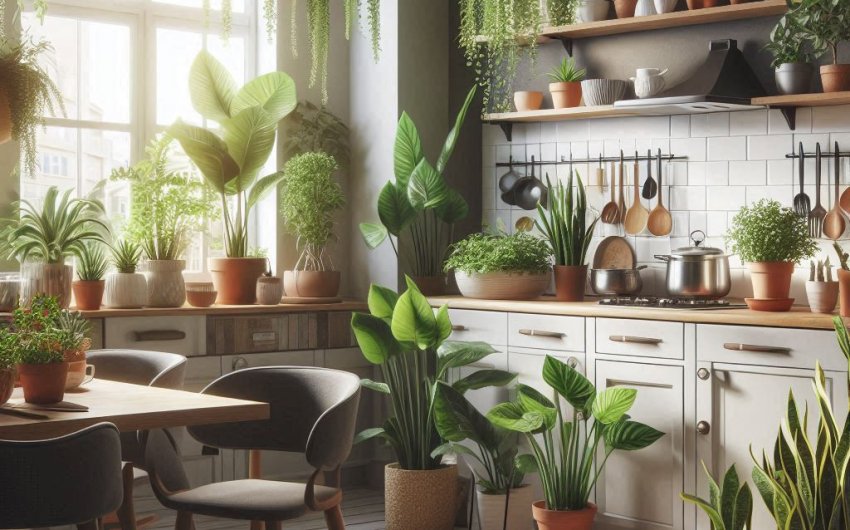
Bringing nature indoors can instantly elevate the ambiance of any room, and the kitchen is no exception. Often considered the heart of the home, this vibrant space benefits immensely from the presence of living greenery. Adding kitchen houseplants not only beautifies your cooking area but can also purify the air, reduce stress, and even provide fresh herbs right at your fingertips. From trailing vines to upright foliage, the right plants can transform a functional room into a lush, inviting sanctuary, making your time spent cooking and gathering even more enjoyable.
Why Are Kitchen Houseplants a Great Idea?
Beyond just looking pretty, kitchen houseplants offer a surprising array of benefits that make them ideal companions for your culinary adventures. The kitchen, with its unique environment, can often be a perfect spot for certain plants to thrive, turning a utilitarian space into a vibrant, living area.
What Benefits Do They Bring to Your Cooking Space?
The advantages of having plants in your kitchen extend far beyond simple aesthetics:
- Improved Air Quality: Plants are natural air purifiers. They absorb carbon dioxide and release oxygen, making the air fresher. Some plants, like the Peace Lily or Snake Plant, are particularly effective at filtering out common indoor pollutants that can accumulate from cooking, cleaning products, or even building materials. This means a healthier environment for you and your family.
- Enhanced Aesthetics and Ambiance: Greenery instantly adds a touch of life, color, and natural beauty to a kitchen. It can soften harsh lines, brighten dull corners, and make the space feel more welcoming, calming, and visually appealing. Whether it's a small pot on the windowsill or a hanging plant, kitchen greenery creates a more inviting atmosphere.
- Stress Reduction and Well-being: Studies have shown that being around plants can reduce stress, improve mood, and increase feelings of well-being. Having plants in the kitchen, where many people spend a lot of time, can contribute to a more relaxed and positive cooking experience. It's a small dose of nature therapy in your daily routine.
- A Touch of Fresh Herbs (Functional Greenery): This is a huge bonus! Growing culinary herbs like basil, mint, rosemary, or thyme right in your kitchen means you have fresh ingredients always on hand. No more running to the store for a sprig of parsley. Fresh herbs add incredible flavor to your dishes and look beautiful too. This turns your kitchen plants into edible tools.
- Noise Reduction: While not a primary benefit, plants can help absorb some sound, subtly contributing to a quieter and more peaceful kitchen environment, especially in open-plan homes.
- Connect with Nature: For those who live in urban areas or apartments, kitchen plants offer an easy way to bring a piece of the natural world indoors, fostering a connection to growing things.
Are Kitchen Environments Suitable for Most Houseplants?
The kitchen environment is unique, and while it's great for some plants, it presents specific challenges for others. It's not a "one size fits all" situation.
- Temperature Fluctuations: Kitchens can experience rapid temperature changes due to cooking (stoves, ovens). Plants placed too close to heat sources can get scorched or stressed.
- Humidity Levels: Cooking often increases humidity, which many tropical plants love! However, if a kitchen has poor ventilation, very high humidity can sometimes lead to fungal issues for certain plants.
- Lighting: Kitchens vary greatly in light. Some have bright south-facing windows, others might be dim or only get indirect light. This heavily influences which plants will thrive.
- Splashes and Grease: Cooking can lead to splashes of water, oil, or food. Some plants might not appreciate getting greasy, and it can make them harder to clean.
- Ventilation: Good ventilation is key to prevent excessive humidity and to disperse cooking fumes. This also affects plant health.
Because of these factors, it's important to choose hardy, adaptable kitchen houseplants that can tolerate these specific conditions. Plants that are very sensitive to sudden changes or require extremely consistent conditions might struggle.
What Factors Should You Consider When Choosing Kitchen Houseplants?
Selecting the perfect kitchen houseplants goes beyond simply picking your favorite-looking green friend. To ensure your plants thrive in this dynamic environment, you need to consider the specific conditions of your kitchen and how much care you're willing to provide. This thoughtful approach will lead to a happy and healthy collection of kitchen greenery.
How Much Light Does Your Kitchen Get?
Light is the most crucial factor for any houseplant, and kitchens vary widely. Observe your kitchen's light throughout the day.
- Bright, Direct Light (South/West-Facing Windows): If your kitchen has windows that get direct sun for several hours a day, you have many options. Plants that love a lot of light will thrive here.
- Good for: Herbs (basil, rosemary, thyme), succulents, cacti, String of Pearls, ZZ Plant (can tolerate this but also lower light), some types of Pothos or Philodendron, even small citrus trees if space allows.
- Bright, Indirect Light (East-Facing Windows, or Set Back from South/West): This is often ideal for a wide range of houseplants. The light is plentiful but not scorching.
- Good for: Most Pothos varieties, Philodendron, Spider Plants, Peace Lilies, Boston Ferns, Begonias, many types of herbs, African Violets.
- Low Light (North-Facing Windows, or Far from Any Window): If your kitchen is dimly lit, your options are more limited, but still exist.
- Good for: Snake Plant (Sansevieria), ZZ Plant (Zamioculcas zamiifolia), Cast Iron Plant (Aspidistra elatior), some Pothos (will have smaller leaves and slower growth), Chinese Evergreen. You might need a grow light for houseplants for these if you want them to truly thrive and not just survive.
Never underestimate a plant's light needs. Too little light is a common reason for plant failure.
What Are the Humidity Levels Like?
Kitchens generally have higher humidity than other rooms due to cooking steam, but this isn't always the case, especially in very dry climates or well-ventilated kitchens.
- High Humidity (Good): Many tropical plants, like ferns, Calatheas, and Peace Lilies, will love the increased humidity from cooking. This means less need for misting or humidifiers.
- Low Humidity (Challenging): If your kitchen is usually dry, sensitive plants like ferns might struggle. You might need to mist them regularly with a plant mister spray bottle or group them with other plants to create a microclimate of higher humidity.
- Ventilation: Ensure good airflow. While humidity is good, stagnant, overly humid air can lead to fungal issues.
Consider plants that are adaptable to moderate humidity or those that specifically love high humidity if your kitchen frequently gets steamy.
How Much Space Do You Have?
Kitchens can be cramped, so thinking about vertical and horizontal space is crucial.
- Countertops/Windowsills: Perfect for smaller potted plants, herbs, or succulents. Ensure they don't block work areas or get in the way of opening windows.
- Shelves/Floating Shelves: Excellent for trailing plants (Pothos, Philodendron) that can cascade down, adding drama without taking up counter space.
- Hanging Baskets: Ideal for trailing plants that need to be out of the way of busy kitchen activities. A macrame plant hanger adds a bohemian touch.
- Floor Space: If you have a spacious kitchen corner, you can accommodate a larger, statement plant in a floor pot.
Don't choose a plant that will quickly outgrow its space or become an obstacle. Consider mature size.
How Much Care Are You Willing to Give?
Be honest with yourself about your commitment level. Some plants are far more demanding than others.
- Low-Maintenance (Beginner-Friendly): If you're new to plants or have a busy schedule, pick hardy, forgiving varieties. They tolerate occasional neglect, inconsistent watering, and a range of conditions.
- Good for: ZZ Plant, Snake Plant, Pothos, Spider Plant, Cast Iron Plant.
- Moderate Maintenance: These require more consistent watering, specific light conditions, or occasional pruning.
- Good for: Many herbs, Peace Lily, Philodendron, Prayer Plant.
- High Maintenance: These plants demand very specific conditions (e.g., high humidity, precise watering, specific temperatures) and are not ideal for busy kitchens or new plant owners.
- Examples: Most ferns (can be finicky with humidity), orchids (can be sensitive), Fiddle Leaf Fig (not ideal for kitchen environment).
Matching your care commitment to the plant's needs will lead to a more enjoyable experience and thriving kitchen houseplants.
What Are Some of the Best Kitchen Houseplants?
Based on the factors above, certain plants consistently prove to be excellent choices for the kitchen environment. These kitchen houseplants are generally adaptable, tolerant of varying conditions, and bring beauty and often function to your cooking space.
Top Choices for Low-Maintenance Greenery
If you're looking for easy wins and hardy plants that tolerate neglect, these are fantastic options.
- Pothos (Epipremnum aureum):
- Why it's great: Incredibly forgiving, tolerates a wide range of light conditions (low to bright indirect), and its trailing vines look fantastic on shelves, hanging baskets, or even just sitting on a counter. It's also known for air purification.
- Care: Water when the top inch or two of soil is dry. Prune to encourage bushier growth.
- Varieties: 'Golden Pothos' (common), 'Marble Queen' (variegated), 'Neon' (bright green). A Pothos plant cutting can root easily in water.
- ZZ Plant (Zamioculcas zamiifolia):
- Why it's great: Almost indestructible! It tolerates very low light, very infrequent watering (it stores water in its rhizomes), and generally thrives on neglect. Its waxy, upright leaves have a sleek, modern look.
- Care: Water only when soil is completely dry. Less is more with ZZ Plants.
- Snake Plant (Sansevieria trifasciata):
- Why it's great: Another champion of neglect, the Snake Plant can handle low light and long periods without water. Its upright, architectural leaves make it perfect for tight spots on countertops or shelves. Excellent air purifier.
- Care: Water sparingly, especially in winter. Allow soil to dry out completely between waterings.
- Varieties: 'Laurentii' (yellow edges), 'Zeylanica' (dark green stripes), 'Moonshine' (silvery green).
- Spider Plant (Chlorophytum comosum):
- Why it's great: Easy to care for, tolerant of various light conditions (prefers bright indirect), and produces "spiderettes" (baby plants) that are fun to propagate. They look great in hanging baskets.
- Care: Water when the top inch of soil is dry. They appreciate moderate humidity.
- A Spider Plant in a pot is a classic choice.
Functional and Edible Kitchen Herbs
Growing herbs is a must for any cooking enthusiast. They add freshness, aroma, and flavor right when you need them.
- Basil (Ocimum basilicum):
- Why it's great: Essential for Italian cuisine, wonderful aroma.
- Care: Needs bright, direct sunlight (at least 6 hours). Keep soil consistently moist but not soggy. Pinch off flowers to encourage leaf growth. Very sensitive to cold.
- Try: 'Genovese Basil' for pesto. A small basil plant is easy to find.
- Mint (Mentha spp.):
- Why it's great: Incredibly vigorous, great for teas, desserts, and savory dishes. Many varieties (peppermint, spearmint, chocolate mint).
- Care: Tolerates a range of light but prefers bright indirect. Keep soil consistently moist. Warning: can be very invasive if planted in the ground, so best kept in pots.
- Rosemary (Rosmarinus officinalis):
- Why it's great: Woody herb perfect for roasted meats and potatoes. Lovely fragrance.
- Care: Needs bright, direct light and prefers to dry out between waterings. Don't overwater.
- Thyme (Thymus vulgaris):
- Why it's great: Small, delicate leaves with a pungent flavor. Great for savory dishes.
- Care: Needs bright light. Tolerates drier soil.
- Chives (Allium schoenoprasum):
- Why it's great: Onion-like flavor, easy to grow, produces pretty purple flowers.
- Care: Prefers bright light but tolerates partial sun. Keep soil moist. Cut leaves from the outside.
For successful kitchen herbs, bright light is usually the most important factor.
Other Great Choices for Kitchen Aesthetics
These plants bring beauty and vibrancy, adapting well to kitchen conditions.
- Peace Lily (Spathiphyllum spp.):
- Why it's great: Elegant white "flowers" (actually modified leaves), excellent air purifier. It's dramatic when thirsty (wilts visibly) but perks up quickly after watering.
- Care: Prefers bright, indirect light. Keep soil consistently moist but never soggy. Loves humidity.
- Philodendron (Heartleaf Philodendron - Philodendron hederaceum):
- Why it's great: Classic trailing vine with heart-shaped leaves, very similar to Pothos in terms of easy care and adaptability.
- Care: Tolerates low to bright indirect light. Water when the top inch or two of soil is dry.
- A small Philodendron plant is a great starter plant.
- Aloe Vera (Aloe barbadensis miller):
- Why it's great: Not just attractive, but its gel is famous for soothing burns and skin irritations – super handy in a kitchen!
- Care: Needs bright, direct light. Very drought tolerant; water only when soil is completely dry.
- African Violet (Saintpaulia spp.):
- Why it's great: Beautiful, compact flowering plant with velvety leaves. Adds a pop of color to a windowsill.
- Care: Needs bright, indirect light. Avoid getting water on the leaves. Water from the bottom or carefully at the soil line. They appreciate moderate to high humidity.
How Do You Care for Kitchen Houseplants?
Once you've chosen your kitchen houseplants, giving them the right care ensures they stay healthy and beautiful. While each plant has specific needs, there are general guidelines that apply to most greenery in the kitchen environment. Consistency and observation are key to keeping your kitchen greenery thriving.
What Are the Best Watering Practices?
Proper watering is the most critical aspect of houseplant care, and it varies greatly depending on the plant and your kitchen's conditions.
- "Finger Test" is Key: Don't water on a schedule. Instead, stick your finger 1-2 inches into the soil. Water only when the soil feels dry to the touch for most plants. Succulents and ZZ Plants prefer to dry out almost completely between waterings. Ferns and Peace Lilies prefer consistently moist soil.
- Water Thoroughly: When you do water, water until excess drains from the bottom of the pot. This ensures all the roots get hydrated.
- Drainage is Essential: Always use pots with drainage holes! Never let your plant sit in standing water in its saucer, as this leads to root rot. Empty saucers after 15-30 minutes.
- Consider Kitchen-Specific Needs: Plants near a hot stove or in a very sunny window might dry out faster than those in a cooler, shadier spot. Adjust accordingly.
A simple plant watering can can make watering easy and precise.
What About Humidity and Air Circulation?
Kitchens can be dynamic environments for humidity and airflow.
- Humidity Boost: If your kitchen is dry, plants that love humidity (like ferns, Peace Lilies, herbs) will benefit from misting. Use a fine mist sprayer. Grouping plants together can also create a small pocket of higher humidity.
- Air Circulation: Ensure good airflow, especially in humid kitchens. Stagnant, overly humid air can encourage fungal diseases. An open window or even a small fan occasionally can help. However, avoid placing plants directly in front of strong, cold drafts from open windows in winter, or hot air vents.
How Should You Handle Fertilizing?
Most kitchen houseplants benefit from occasional feeding, but less is often more.
- During Growing Season: Fertilize during the active growing season (spring and summer) when the plant is actively putting out new growth.
- Diluted Strength: Use a balanced liquid houseplant fertilizer, such as Miracle-Gro Indoor Plant Food, at half or quarter strength. Over-fertilizing can burn roots.
- Avoid in Winter: Do not fertilize in fall and winter when most plants are dormant or growing very slowly.
- Herbs: Use a balanced organic fertilizer for herbs, especially if you plan to consume them.
What About Pruning and Cleaning?
Regular maintenance keeps your kitchen houseplants looking their best and encourages healthy growth.
- Pruning:
- Remove Dead/Yellowing Leaves: Snip off any dead, yellowing, or damaged leaves with clean scissors or pruning shears. This directs the plant's energy to healthy growth.
- Shape and Bushiness: For trailing plants like Pothos or Philodendron, prune back long vines to encourage bushier growth at the base.
- Herbs: Regularly pinch back or harvest herbs to encourage new growth and prevent them from flowering too early (which can make leaves bitter).
- Cleaning:
- Dusting: Dust can accumulate on leaves, especially in a kitchen environment. This blocks light and clogs pores. Gently wipe leaves with a soft, damp cloth every few weeks.
- Shower: For larger plants or very dusty ones, you can take them to the sink or shower and gently rinse them off with lukewarm water. Ensure the soil is well-drained afterwards.
Consistent care, tailored to the specific needs of your chosen kitchen houseplants, will ensure they remain vibrant, healthy additions to your home's culinary heart.